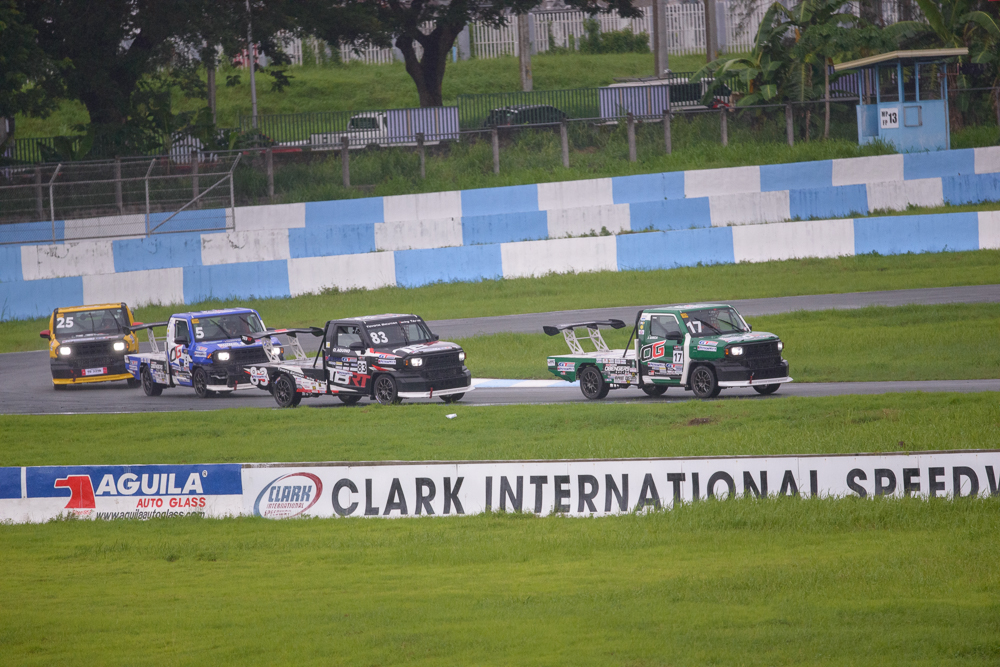

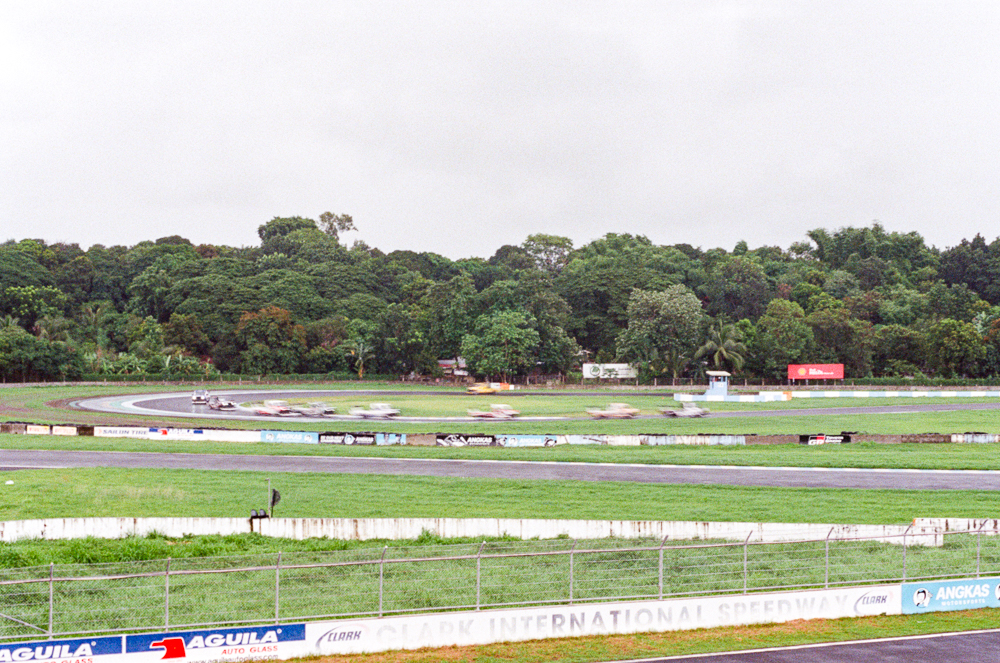
The smell of burnt clutch and rubber, the screeching wails of tires holding on to the tarmac as best they could, and the heart-stopping moments of action-packed racing. What more is there to want from a weekend out at the track?
The future of biofuels in the Philippines, apparently.
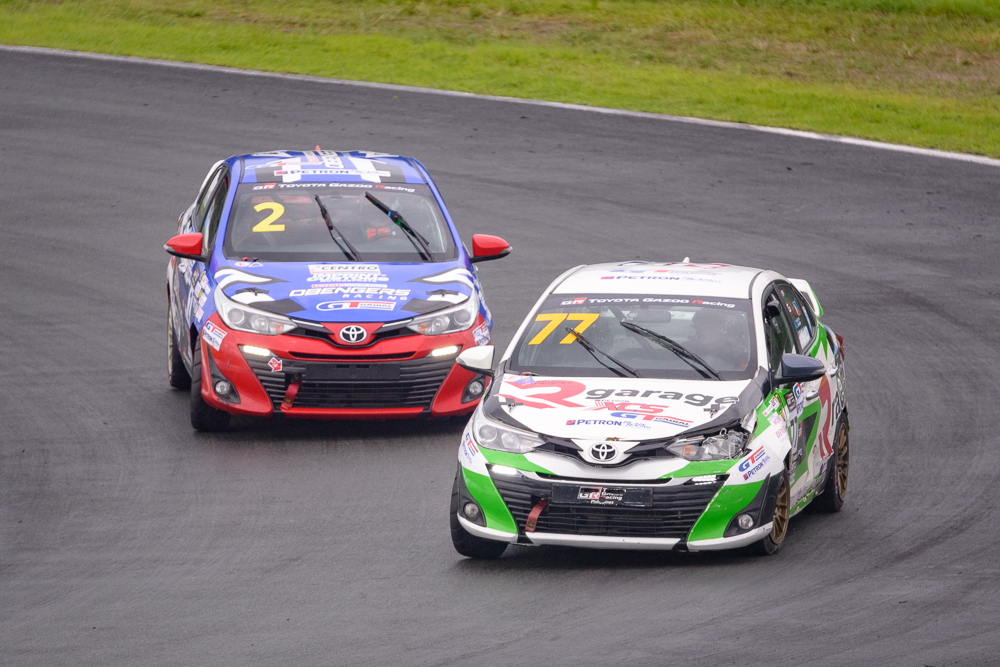
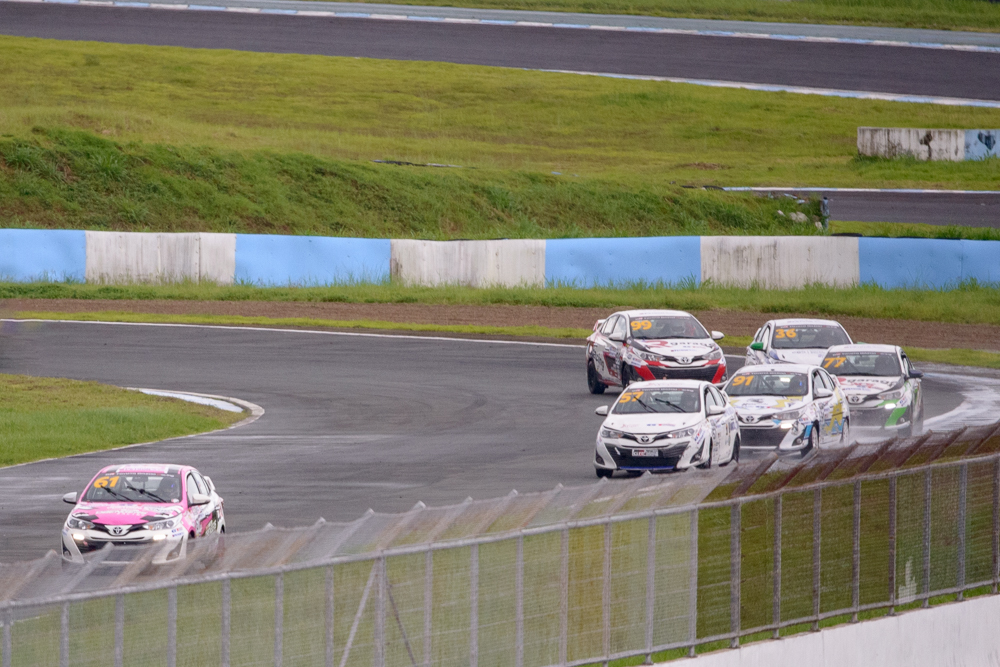
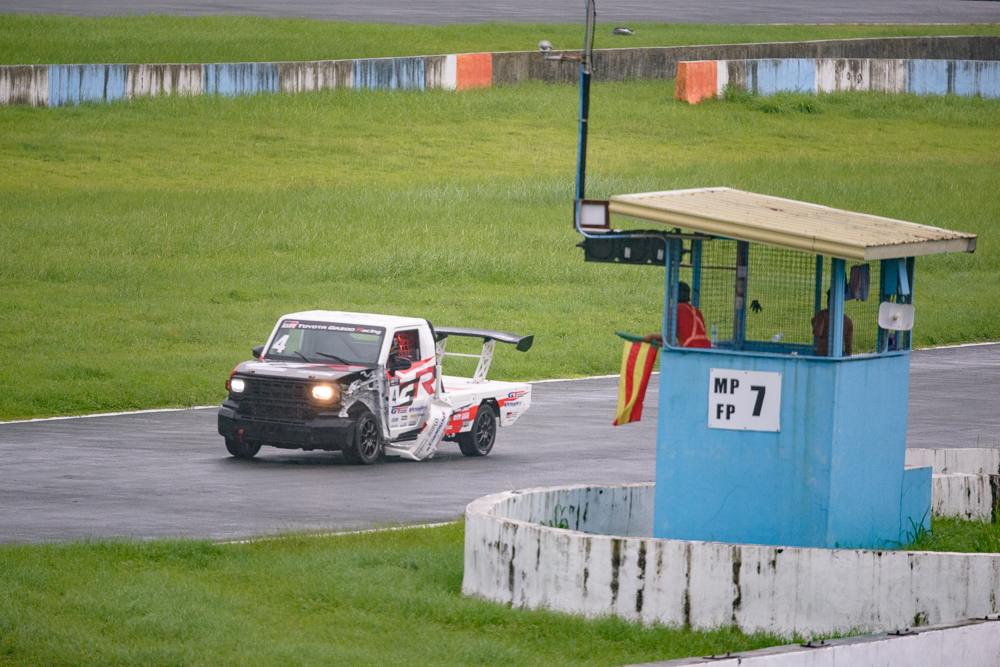
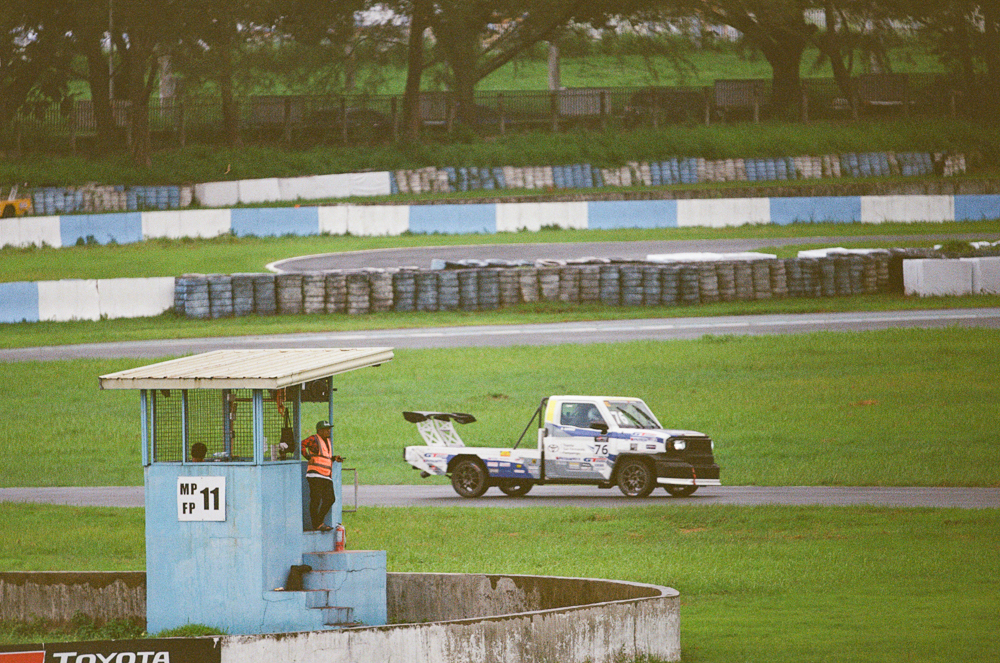
True to Morizo’s “Drive, Break, Fix” mantra, the second leg of the Toyota Gazoo Racing Philippine Cup became a rolling laboratory of sorts, demonstrating and testing out increased levels of biofuels with the Vios and Tamaraw one-make races. Not only do they get to try the new blends firsthand, but the intense demands of racing may help eke out potential issues that need to be addressed.
Each OMR team received 2,000L of biofuels to use all race weekend. The Vios OMR teams received E20 gasoline with a 20% ethanol blend, while the Tamaraw OMR teams fueled up with B5 diesel containing 5% coconut methyl ester (CME) derived from coconut oil. These are the same biofuel mixes that the Department of Energy previously approved, although they have yet to hit the market due to concerns with compatibility.
Speaking with the race’s scrutineering folks, all teams noted an increase in fuel consumption especially for the Vios OMRs. This is entirely expected as ethanol has lower specific energy compared to gasoline, requiring you to burn more of it to get the same power output. Once the race has concluded, the entire fuel system of each vehicle—along with a portion of the engine blocks—will be dismantled and shipped to one of Toyota’s regional labs for analysis and testing. All these data points and firsthand experiences will then be shared with DOE to help inform their policy moving forward.
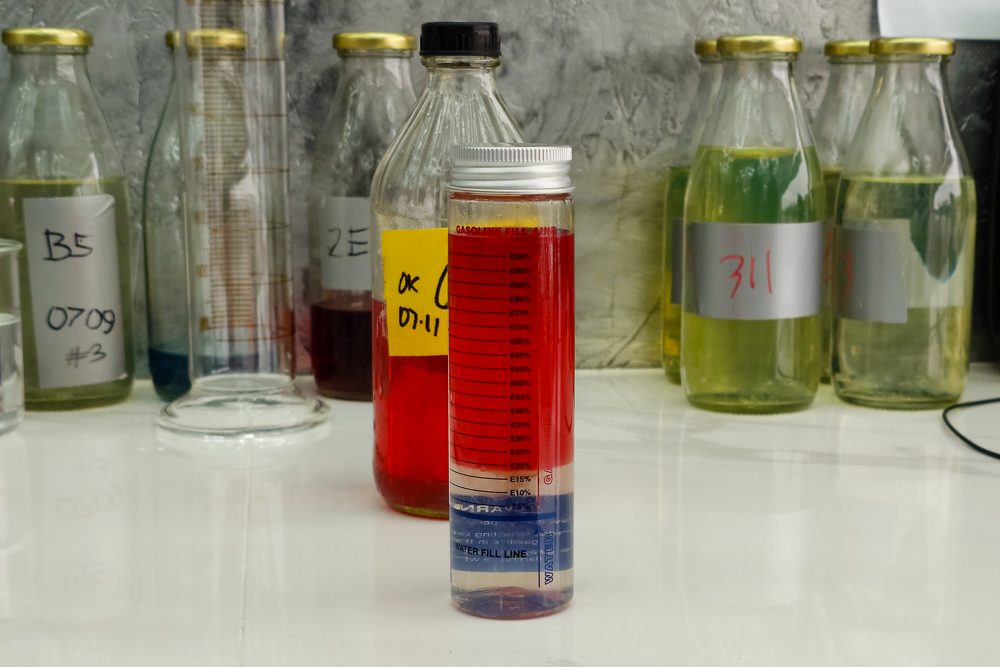
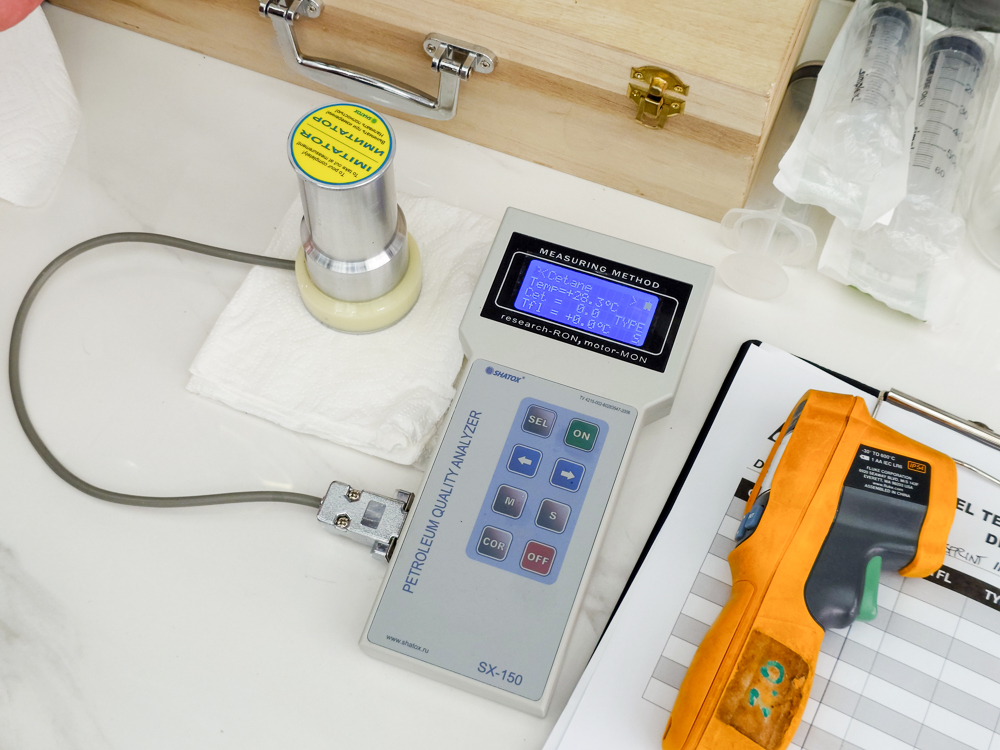
Such a push toward increased biofuel usage is part of Toyota Motor Philippines’ multi-pathway approach to carbon neutrality across its product lines. Looking at the bigger picture, the carmaker hopes that this would also reduce the country’s dependence on foreign oil while increasing support for local farmers in what TMP president Masando Hashimoto calls a “win-win-win” approach.
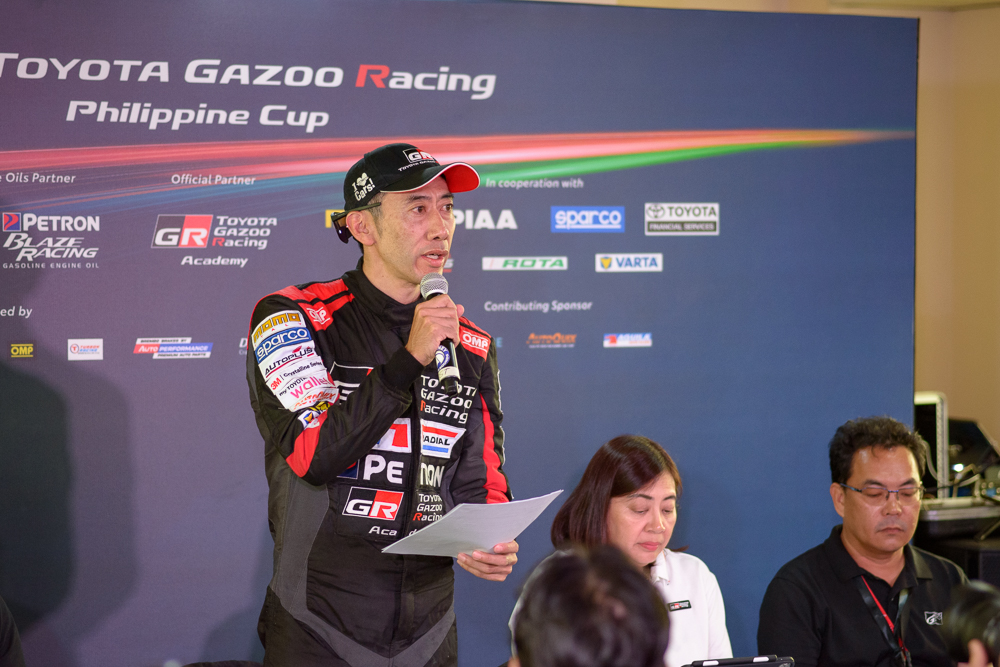
At its most extreme end, the brand already manufactures 100% ethanol-capable (E100) vehicles for Brazil and India, and 50% palm oil diesel-fueled (B50) ones for Indonesia. This technically is one way to move past reliance on fossil fuels without needing to ax the internal-combustion engine as we know it. While Toyota is capable of producing vehicles fit for higher blends, Hashimoto-san mentions that, at least for now, TMP is capped at B5 and E20 based on what their local fuel suppliers can deliver.
How do you know for sure that your vehicle can run either B5 or E20? TMP recommends checking your vehicle’s owner’s manual to see what your fuel system is specced for. Currently, 100% of Toyota and Lexus’s diesel offerings support B5, with 75% of gasoline models capable of E20. However, compatibility can change across model years even with the same engine and chassis codes so it’s best to read up and verify with your car’s manual.
We’re curious what data they’ll glean from this leg of the TGR Philippine Cup, and how that will translate into actionable insights for the future of biofuels in this country. If anything, the marriage of science and motorsport melding into one fun race weekend harkens back to Akio Toyoda’s battle cry during the TGR Festival back in 2023: “We love cars!”



Comments