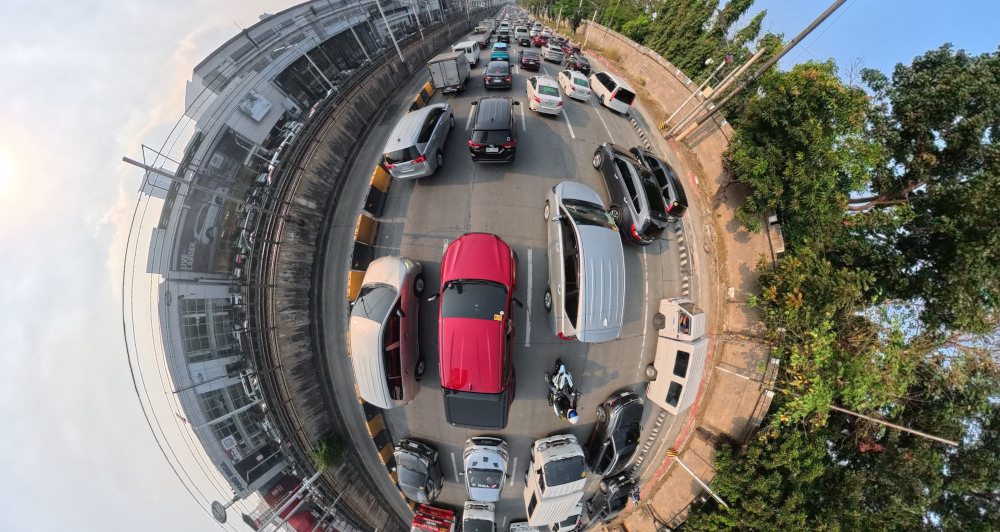

Thanks to Donald Trump’s escapades in the Middle East, prices for diesel and gasoline are fast entering not-even-funny-anymore territory. High time then to revisit a few fuel-saving tips, because with some fuel types flirting with the three-digit-per-liter barrier around here, every peso counts.
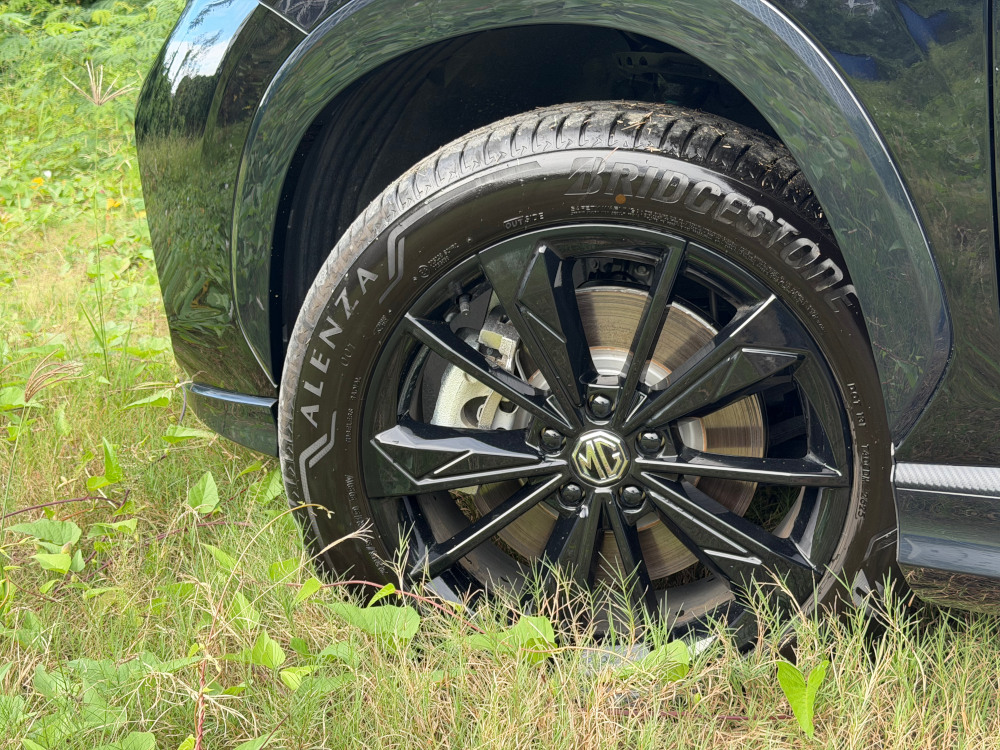
Look after your rubbers. A simple way to save a few liters is to ensure the tires on your car are inflated to the correct pressures. Too little air in them and the engine has to work harder to get them turning, resulting in more fuel being burned. Putting too much air won’t work, either. While this could reduce the contact surface of the tires with the road—therefore reducing roll resistance—the benefit is quite minimal, but you do risk having a worse-handling vehicle as a result. So, inflating your tires to the levels recommended by the manufacturer is the best way to go. You usually find them on the fuel flap or the door frame.
You could also look into special fuel-saving tires. These have long been a common feature on electric and hybrid vehicles, but might also be available for your diesel- or gas-powered cars. Fuel-saving rubbers are usually narrower, and this will likely mean you’re trading sportiness for fuel efficiency. But in this day and age of expensive fuel, that might be a deal worth taking.
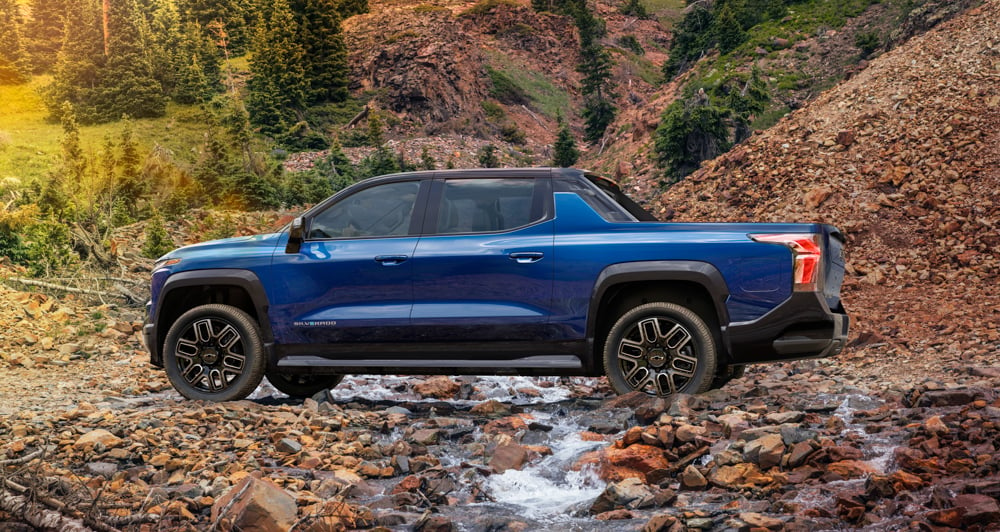
On the subject of narrower tires: Fitting beefy off-road tires to your truck or SUV might make them look all manly and macho, but it also increases fuel consumption. If you’re not really into overlanding, then avoiding these cosmetic changes and sticking to narrower OEM tires can also help you save.
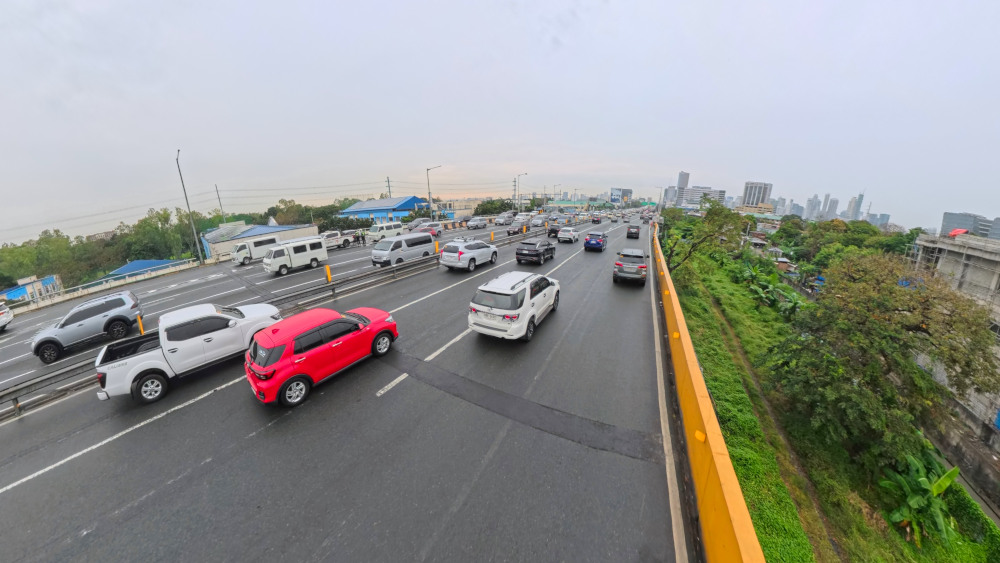
Keep calm. A cool driving style can result in a lower fuel bill, and is also gentler on your car. Try and travel at a steady pace where possible, with modern cruise control systems being very good at keeping engines efficient especially on long, monotonous drives. As tempting as it is to participate in the usual vehicular combat on city streets, not diving for every gap or racing from traffic light to traffic light will also help you save fuel. Put some Kenny G on the stereo, keep the revs down, and adjust your driving style to the level of a chilled Buddhist monk. Also, try and anticipate traffic ahead to help you go with the flow and reduce the need to brake and then accelerate again. Smoothly does it, and the smoother your drive, the less fuel you’ll need.
Preventive maintenance is your friend. Keeping your motor well-maintained helps it to run at peak efficiency, so doing your regular PMS is a good way to keep fuel bills low and your engine happy. A dirty air filter, old oil, or worn-out spark all mean you’re handing over more pesos to your fuel-station attendant than you should be. Neglect also shortens the lifespan of your car, so it’s worth staying on top of it.
Shed unnecessary weight. When was the last time you decluttered your car? Any unused items in the trunk or the cabin can increase your fuel consumption, as can unused roof or bike racks. The lighter the car, the less fuel it needs to get from A to B. Estimates on how much this can save you vary, but from studies I’ve seen over the years, carrying 50kg of extra weight around can already result in up to 5% more fuel being consumed. All that depends on the type of car, of course, but spending a few minutes to declutter your car is definitely worth it.
Avoid short trips. Car engines work best when they are at optimum operating temperature, which makes short-distance driving one of the biggest hidden fuel wasters. When you start a cold engine, it takes roughly five to 10 minutes of driving to reach that temperature. During that entire warm-up period, your engine is running rich, meaning it’s burning significantly more fuel than normal to compensate. Studies show that a cold engine can consume 20% to 50% more fuel in the first few kilometres compared to a fully warmed-up engine. So, if your trip is only 3km, you’ve spent the entire journey in this inefficient cold-start phase. Your car’s catalytic converters also don’t work properly when cold, and the alternator has to work harder to recharge the battery after starting the car. All that costs fuel. There are a few possible solutions to this. One is to avoid short journeys, and walk or cycle instead. The other is to combine trips and make a better plan of action before setting off.
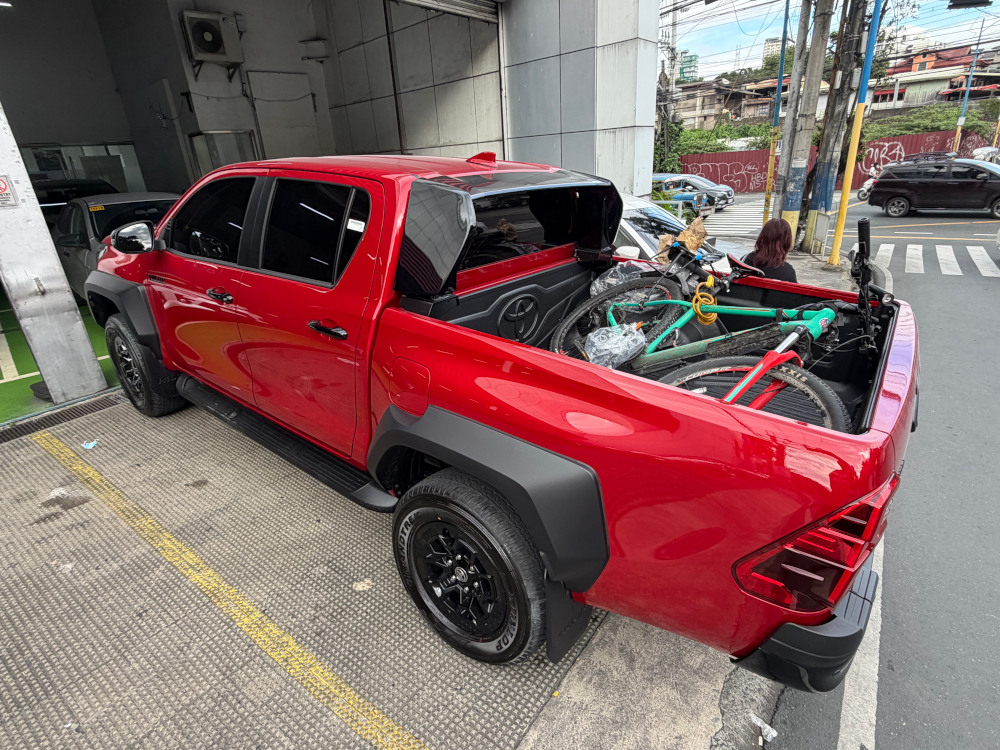
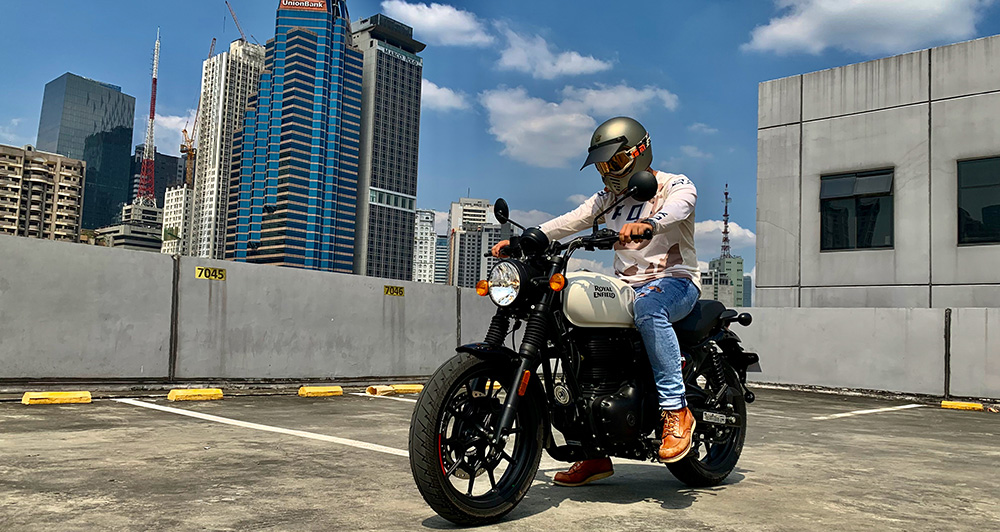
Consider alternative transport. Okay, I have to say it and not just because I’m an avid supporter of cycling in Metro Manila (and beyond). While a lot of people still think that cycling through the city is an Evel Knievel style of an extreme sports activity, the reality is quite different. Especially since the pandemic, improved cycle paths have made it easier than ever to travel on two wheels. If you choose an electric-assist bike, then the task gets even easier.
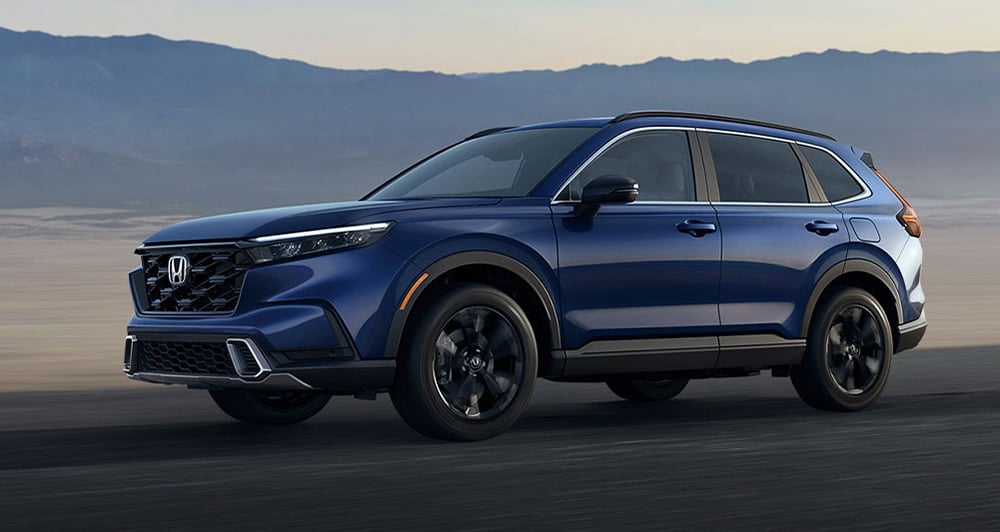
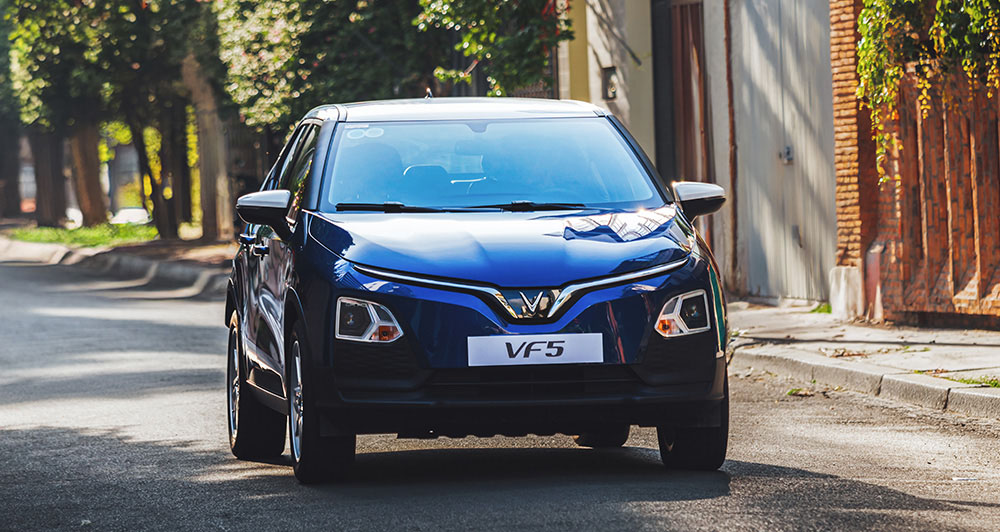
Also, far be it from me to tell you what car to drive, but if things continue the way they are in the Middle East, it might even be worth considering getting a smaller or more fuel-efficient vehicle. If we’re brutally honest with each other here, then many of us don’t really need big SUVs or pickup trucks for the daily commute. Something smaller would also get the job done and save tons of fuel money in the process. As you probably know from the various posts on VISOR, we recently upgraded from a Suzuki S-Presso to a Toyota Hilux, and I can tell you that the bigger fuel bill is one of the few things we don’t enjoy about our new ride.

Don’t fall for scam devices. Finally, every time fuel prices explode, some charlatans come out of the woodwork and try to sell unsuspecting motorists various ‘miracle devices’ that promise to drastically cut fuel consumption. If you come across things like fuel ionizers, intake vortex generators, or fuel-line magnets, you can just ignore them as they’re complete rubbish.



Comments