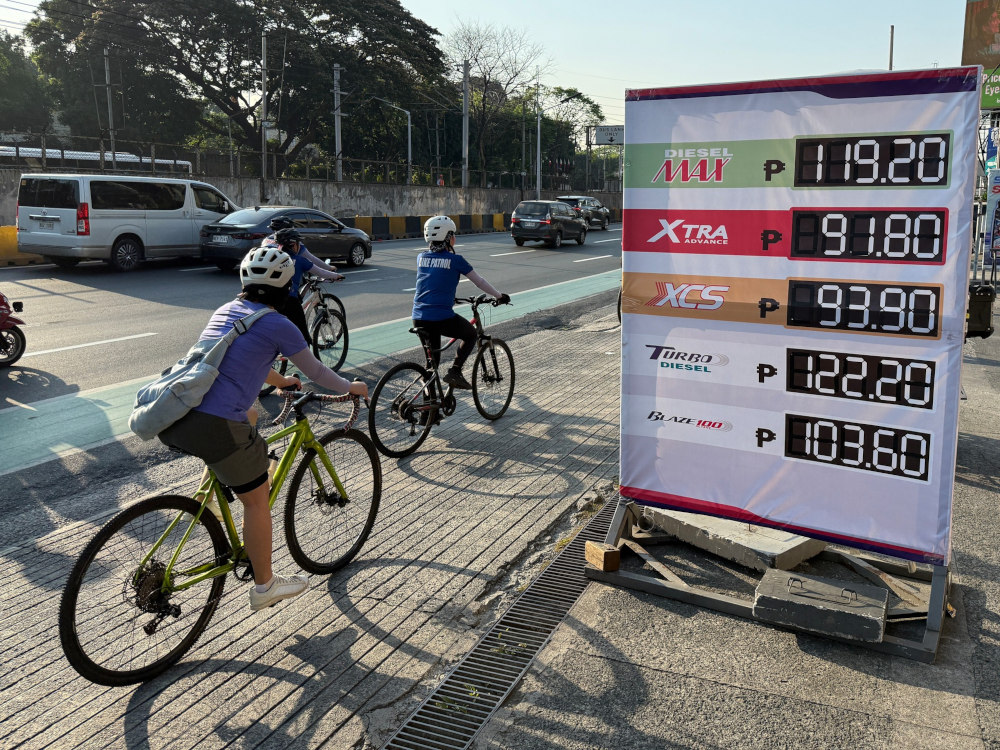

Fuel has never been more expensive with prices reaching triple digits at the station. Because of this, people are considering different ways of saving it.
I’d like to argue that bike-commuting is the most effective one. After all, if you aren’t driving, you aren’t burning gas. But a big question that people on the fence will ask is: “How do I start?”
Well, here are five tips for people who want to give bike-commuting a try.
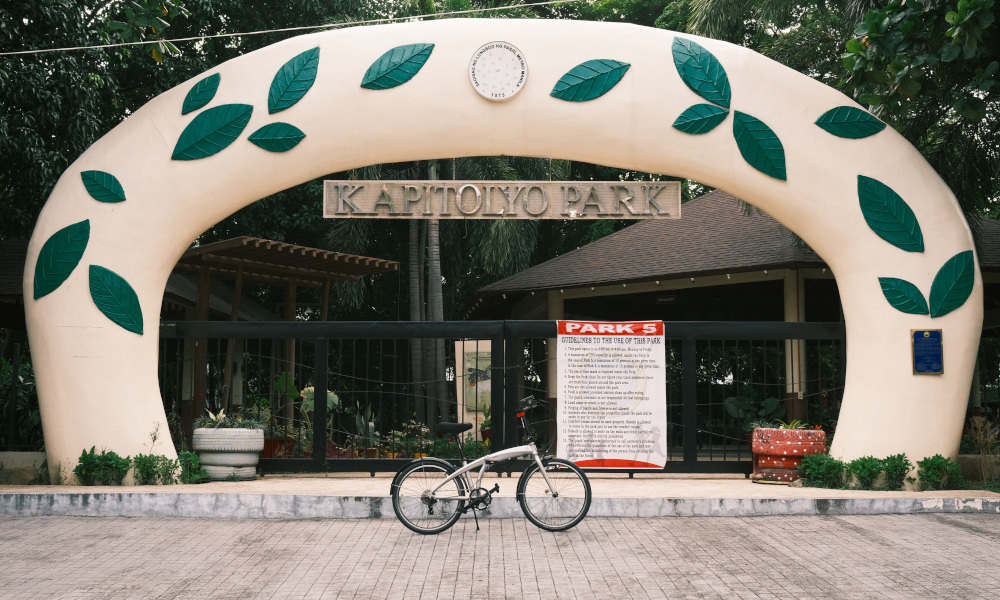
1. Start small and progress gradually. There is this false notion that being a bike-commuter means cycling for countless of kilometers all day, every day. That isn’t true.
Start small by riding where you feel comfortable, and work your way from there. Short and simple trips such as going to the convenience store, a café, or the grocery are good opportunities to begin with.
My first errands done by bicycle were nothing spectacular: feeding my sister’s cat in her nearby condo, securing documents at government offices, and visiting cafés around the neighborhood.
It’s not the distance that matters, but the number of car trips that you replace. Had I done these with my Toyota Wigo, I would have a much more miserable time with heavy traffic and scarce parking.
Eventually, you can begin to bike farther and farther—provided there is a need in the first place.
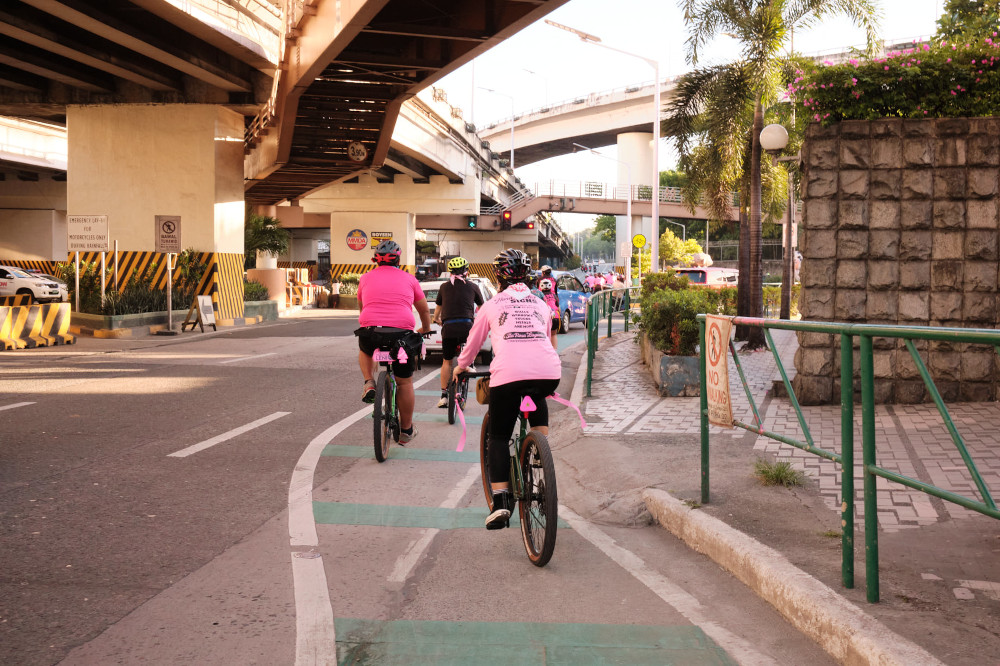
2. Find a group or someone else to ride with. There’s safety in numbers, and this is especially true when cycling. The key to being safe on the road is developing confidence. But you won’t gain that without experience. Riding with others will give you the saddle time needed, so that you can get used to navigating the streets with traffic.
I originally started biking around Barangay Kapitolyo where I felt comfortable enough to be alone. But I joined the “Padyak for Leni” critical mass ride in April 2022 to get my first taste of biking on EDSA. After getting my Marin Nicasio, I joined a group of cyclists I had met from that event to go on my first long ride to Antipolo.
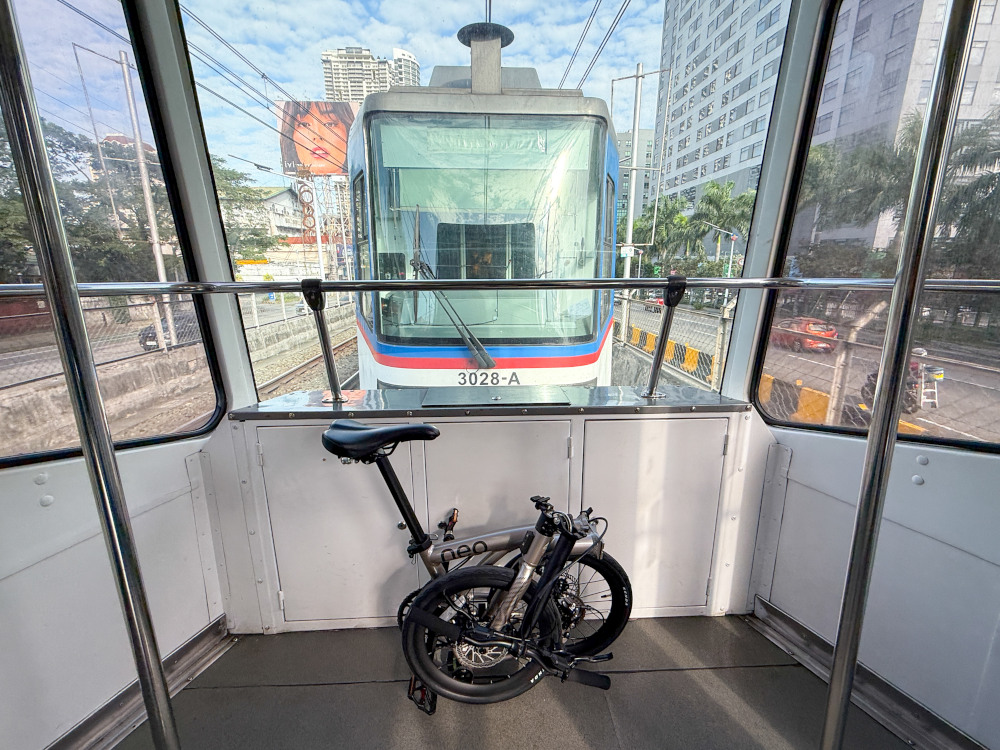
3. Use bimodal transportation when feasible. Bimodal transportation is when you combine two modes of transport in one trip. It’s particularly useful when you need to cover a great distance, and don’t want to be biking the whole way.
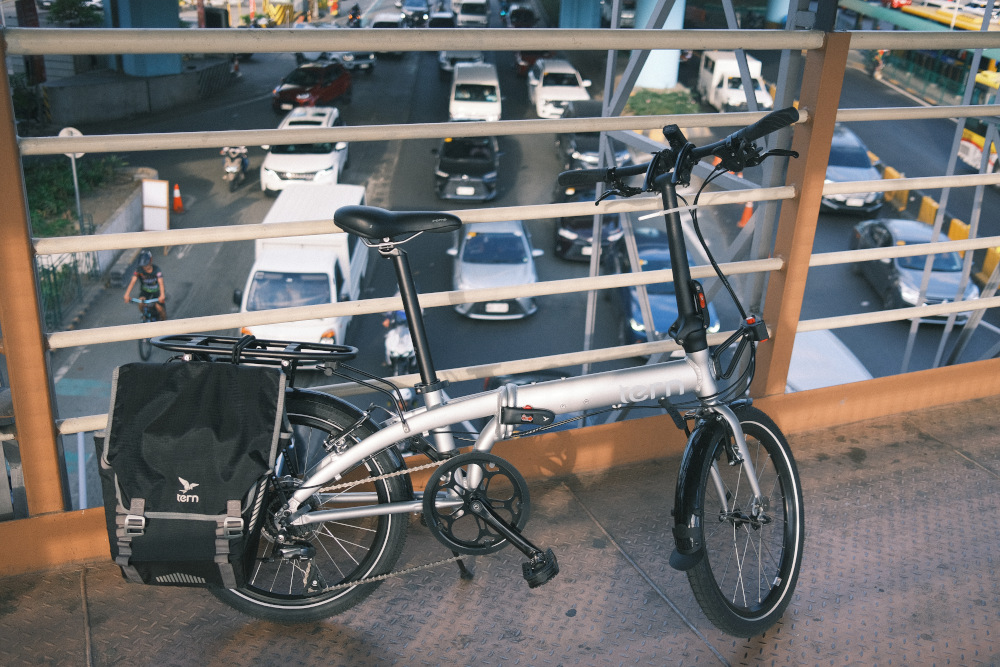
If you live somewhere far that’s accessible via public transportation, you can ride a folding bike as a first- and last-mile ride. There are different ways to go bimodal.
I take a trifold bike on the MRT when I go to Quezon City. But if I need to go to Alabang, I can bring my full-size bike inside a P2P bus. There was even a time I loaded my bike in a provincial bus during a bike-tour to Sagada.
You can also apply this with your own car, too. If you’re coming from the province, you can drive to Metro Manila, park your car, and then use a bicycle to get around for the rest of the day.
Bimodal transportation can be challenging, but you can come up with solutions if you’re creative enough.
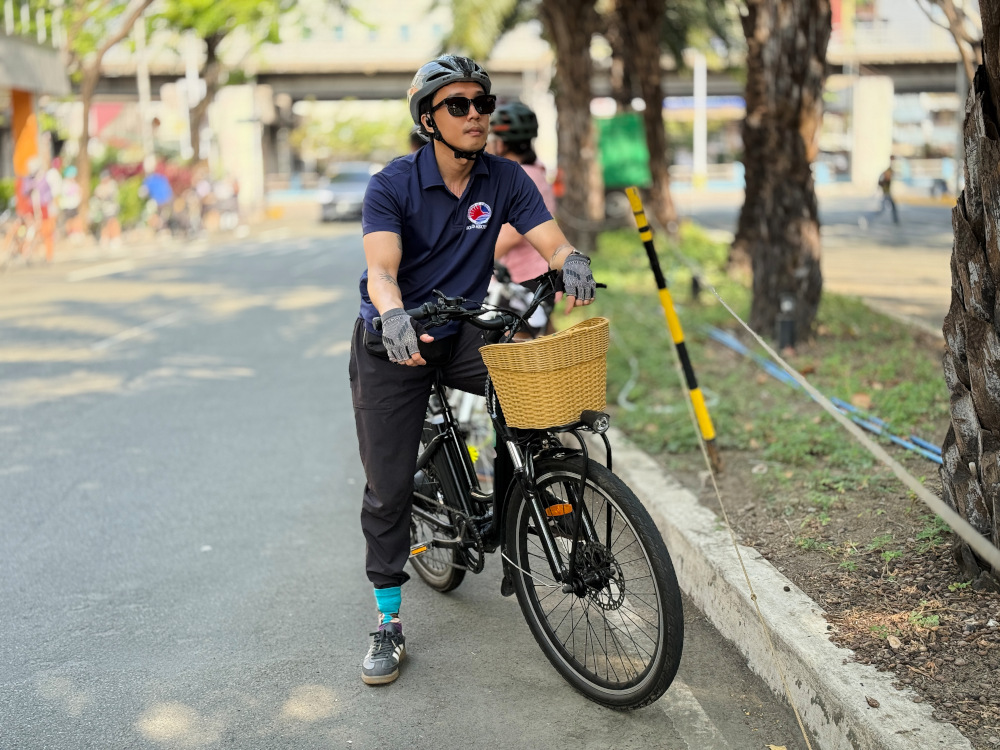
4. Consider an electric bike for sweat-free riding. One of the challenges with bike-commuting is that it can be tiring, especially with our tropical climate. Riding an electric bicycle (or any form of electric micromobility for that matter) minimizes this hurdle.
An e-bike works like an ordinary one. It’s just that there’s a motor to assist you while pedaling. This lets you enjoy the convenience of motorized transport and the efficiency of a bicycle.
I’ve encountered many beginners who started bike-commuting with a pedal-assist bike, and there are even some who learned how to balance by practicing with an e-bike.
You can enjoy the same benefits with an electric kick scooter. But one particular advantage of an electric bike is that range anxiety is not a concern. You can still pedal it even when it runs out of juice.
5. Keep biking as much as possible. People tend to have unreasonable expectations when I encourage them to try bike-commuting. No, I don’t expect everyone to be biking 40km a day—every day, rain or shine.
At the end of the day, the point of bike-commuting is mobility—getting around as efficiently possible. No one’s saying that you have to bike for every single trip that you make.
If you aren’t feeling well, or the weather isn’t cooperative, then you are free to use the next most convenient mode of transportation. But cycling is much more practical than you expect. And who knows? The bicycle could end up replacing your car altogether.
The more you ride it, the better things will be for you, your wallet, your wellness, society, and the environment. So, don’t be afraid, and look at this as an opportunity to try something that could change your life for the better.

Comments