
This year, the Japan Mobility Show aimed to be “a unique opportunity to explore mobility’s future.” As electrification advances in the Japanese auto industry, a sense of familiarity and tradition remains unmistakably rooted in its culture. From surprising debuts to the typical flashy concept cars, here is a quick recap of Japan’s biennial auto show.
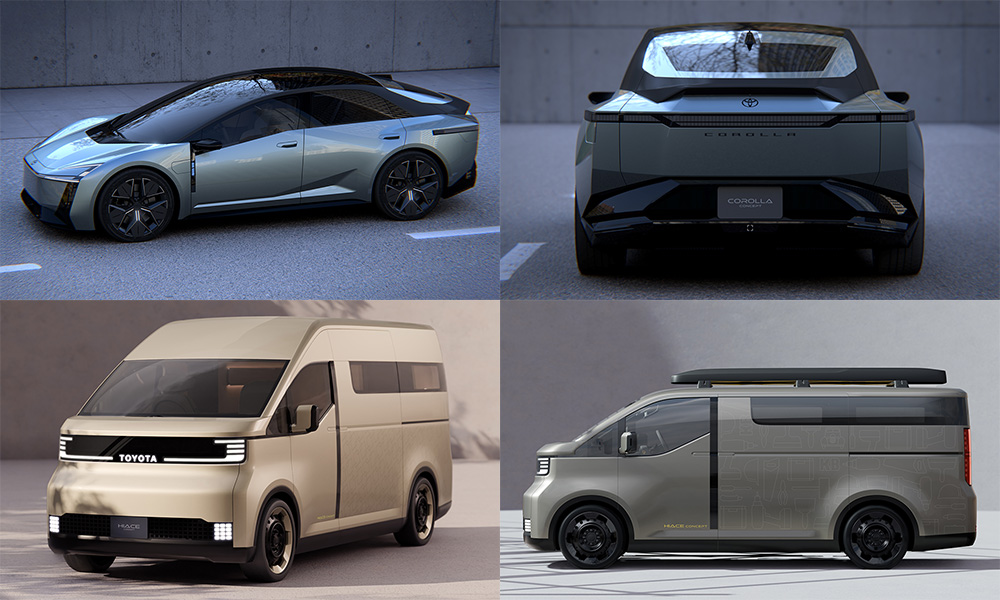
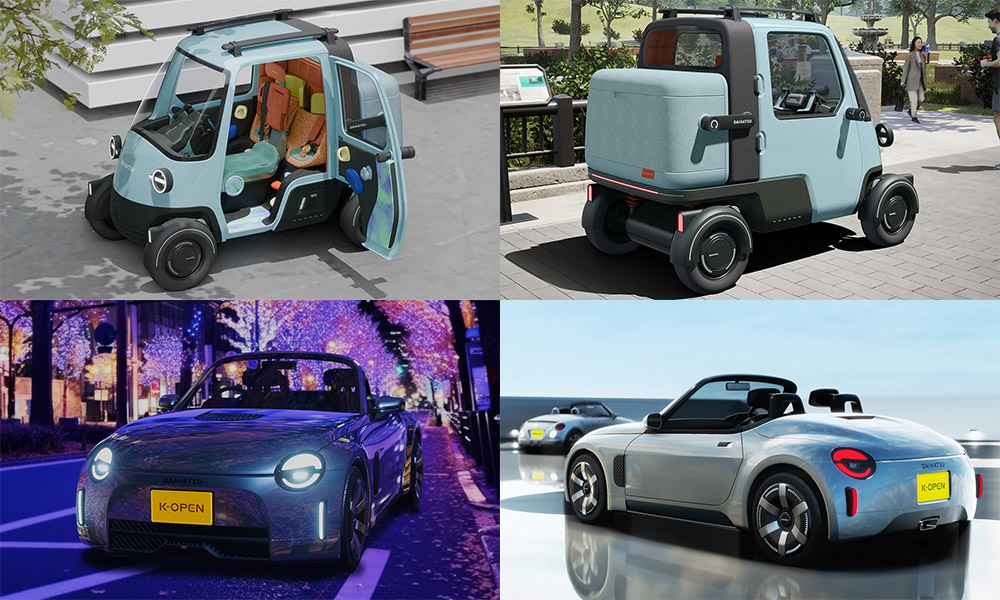
Toyota came out swinging with a multibrand showcase for its marque, alongside Daihatsu, Lexus, and Century, starting with a tagline for its JMS booth: “Mobility for All.”
To start, the Corolla Concept offers a glimpse of what the compact sedan might look like in the future, powered by either internal combustion, hybrid, plug-in hybrid, electric, or even hydrogen technology.
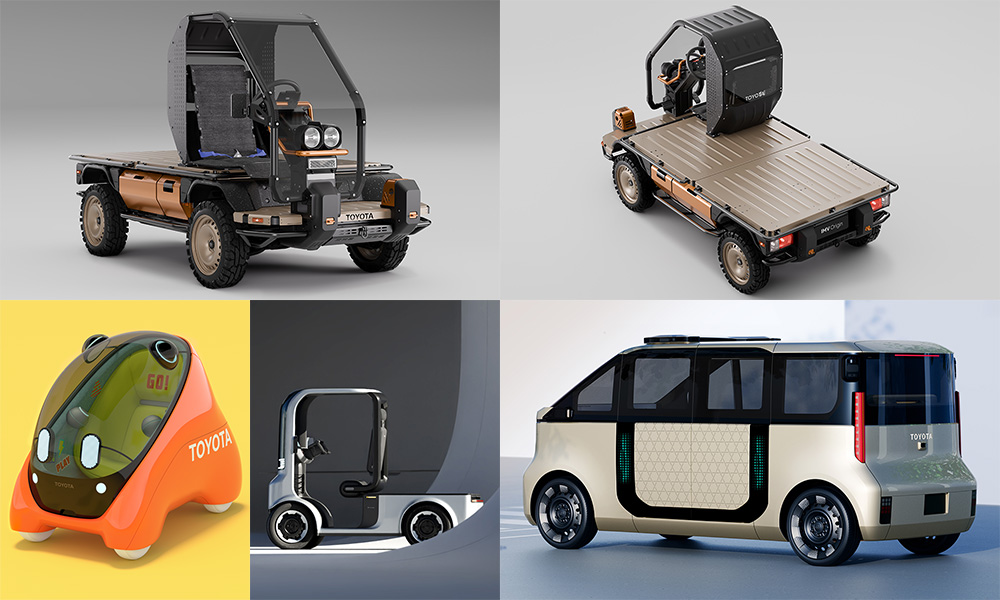
The intriguing Hiace Concept appeared on stage like a larger and more developed evolution of the Kayoibako from 2023. Another unique concept was the IMV Origin, a deliberately unfinished platform designed for consumers in developing markets to complete.
Meanwhile, Daihatsu unveiled two kei concept cars. The Midget X harkens back to the original three-wheeler truck from 1957, while the K-Open is a glimpse of a rear-wheel-drive next-gen Copen roadster.
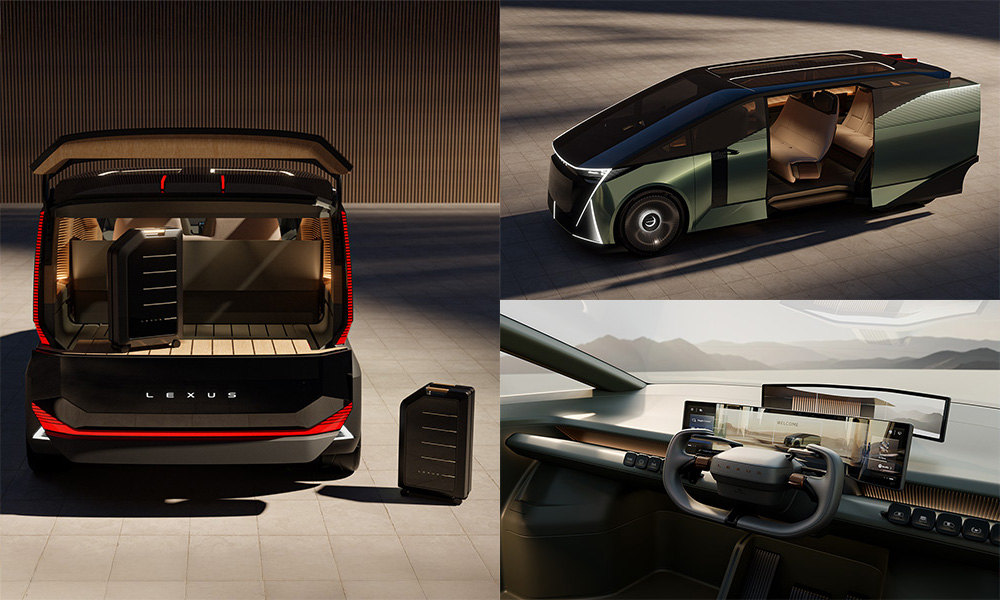
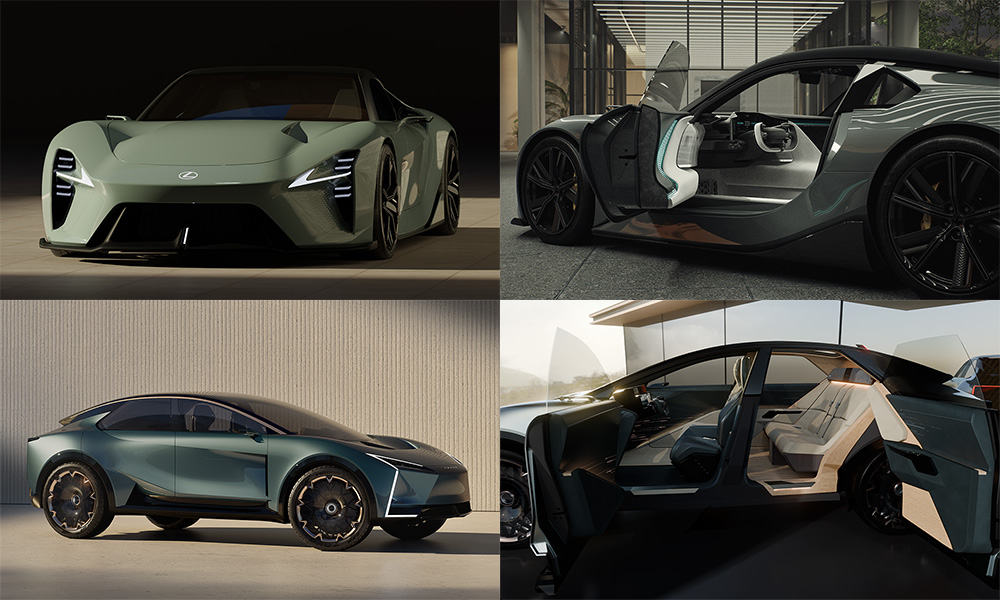
The luxury brands put on a grand show for the world, starting with Lexus unveiling multiple concept cars. The LS Concept redefined what used to be the brand’s full-size sedan into a six-wheeled luxury van, now meaning Luxury Space. Other concepts include the Sport Concept, which was first unveiled during this year’s Monterey Car Week, and the LS Coupe Concept.
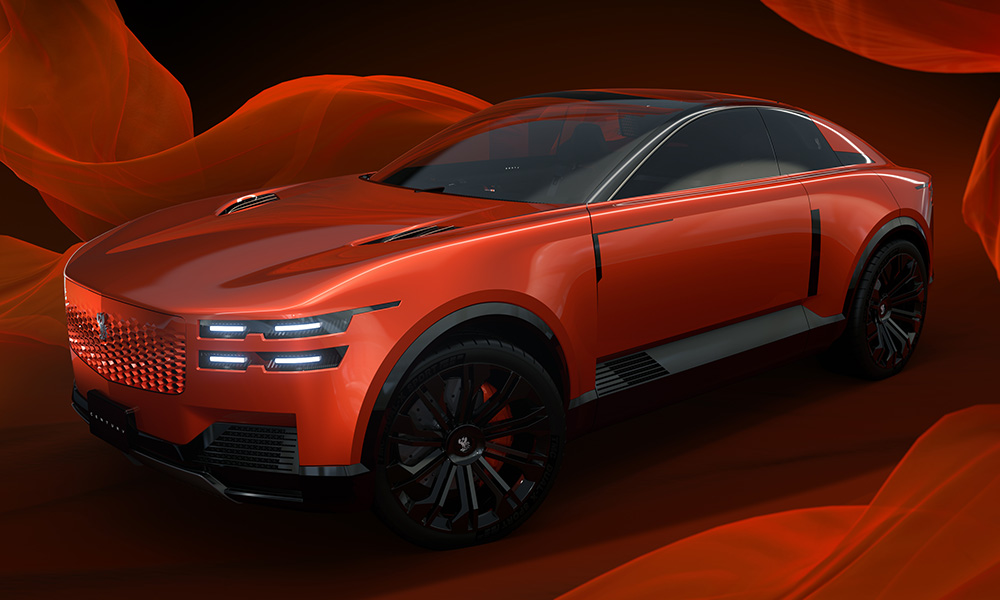
For what used to be a model higher than Lexus as a whole, Akio Toyoda took center stage to announce Century as the highest of high-end sub-brands from Toyota. After the long-running sedan and SUV, the natural phase became a two-door coupe concept with large wheels and a taller ride height.
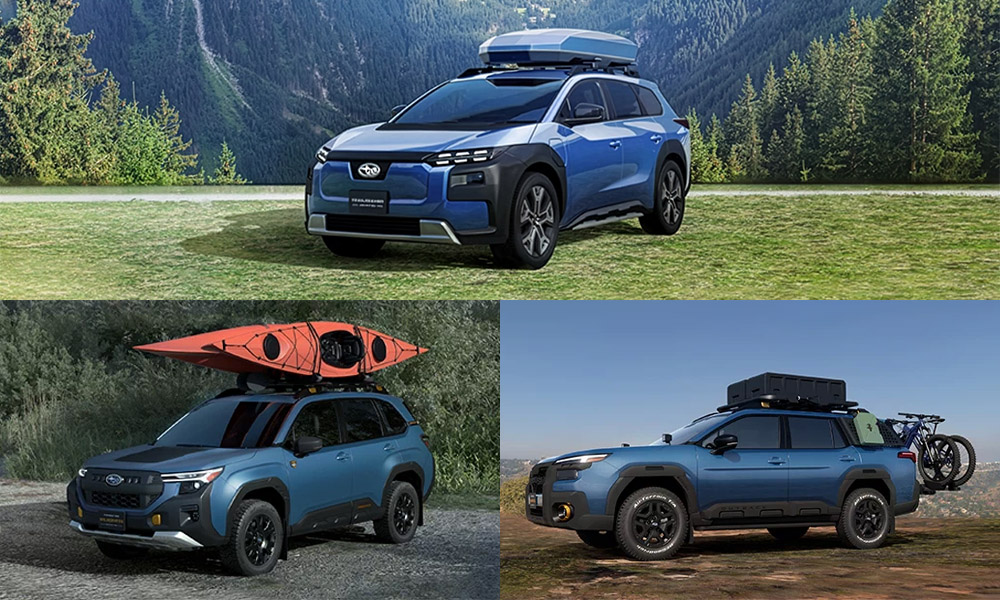
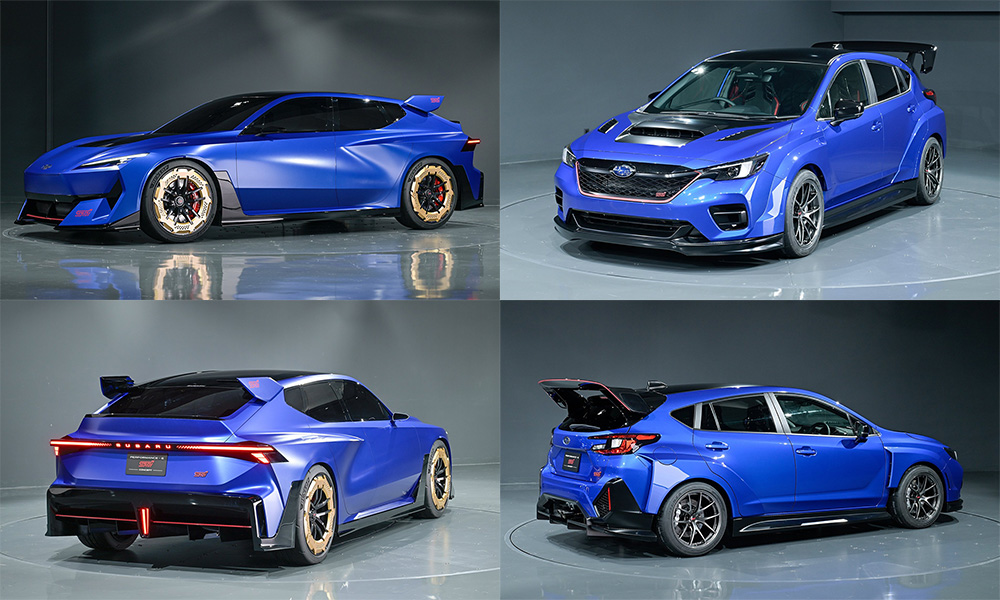
Subaru went all-out to encompass its outdoorsy and performance sectors, which the Gunma-based brand is known for. The Wilderness package, initially exclusive to North America, was launched in the Japanese market with the new Outback and Forester models, alongside the regional debut of the all-electric Trailseeker.
Subaru Technica International (STI) came back into the limelight in two powertrain flavors. The electric Performance-E STI is a sleek, wagon-like concept wearing sharp angles and hints of heritage. The ICE-powered Performance-B STI carried the biggest fanfare by taking the sixth-gen Impreza and sticking a wide-body kit and a six-speed manual.
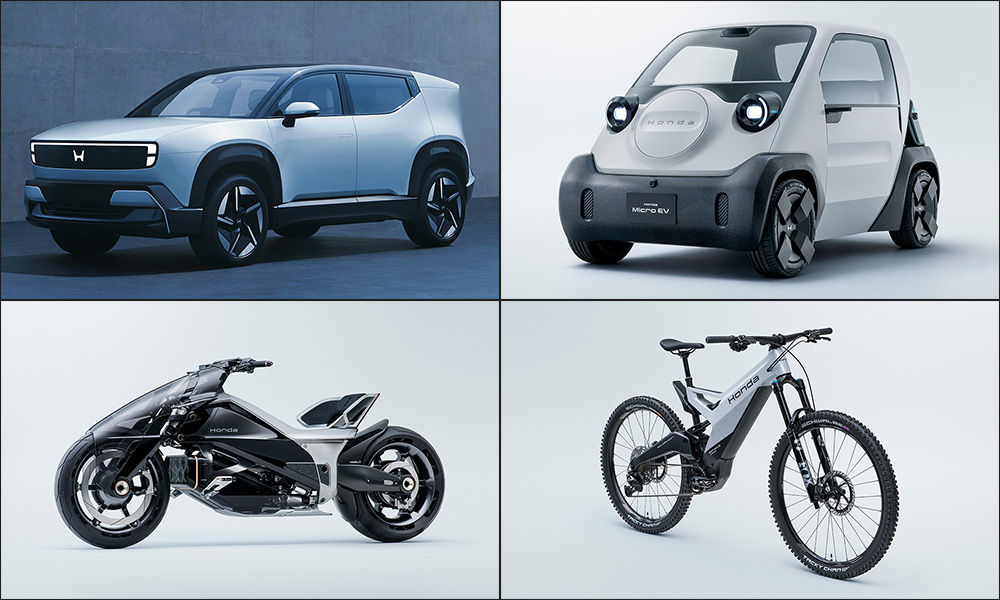
Honda had a huge showcase with an electrified and carbon-neutral lineup, previewing two models slated for global release next year. Following its appearance at CES 2025, the 0 Series will finally enter production, starting with the 0 α (Alpha) SUV. Although technical and power figures have not been confirmed, the prototype retains the boxy, futuristic shape of the concept.
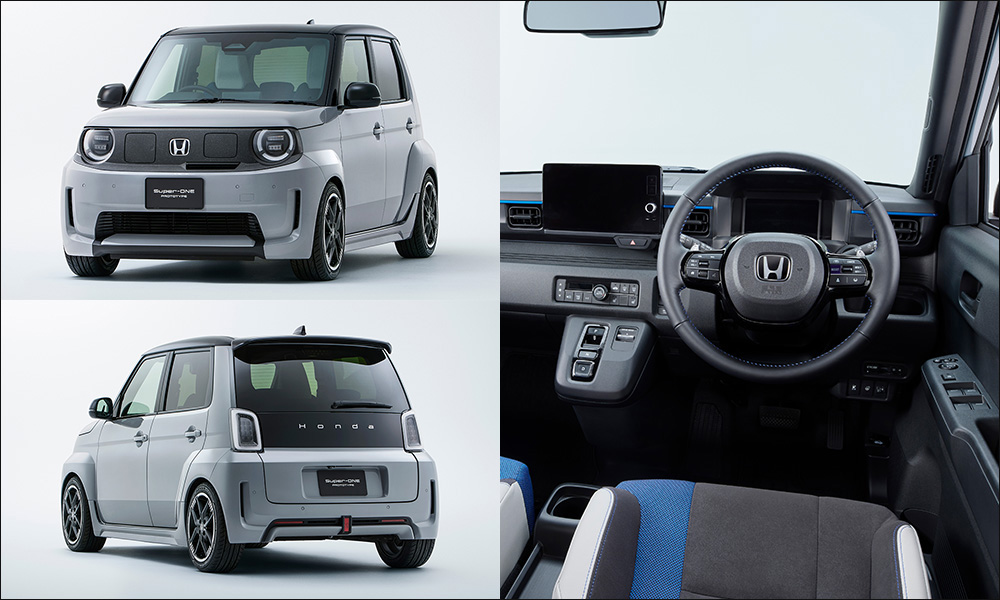
On the more exciting side, the Super-One aims to thrill enthusiasts with its wide and appealing demeanor, along with the simulated seven-speed transmission. Based on the N-One e:, this widened kei hatchback will be sold domestically as well as outside of Japan to replace the Honda e.
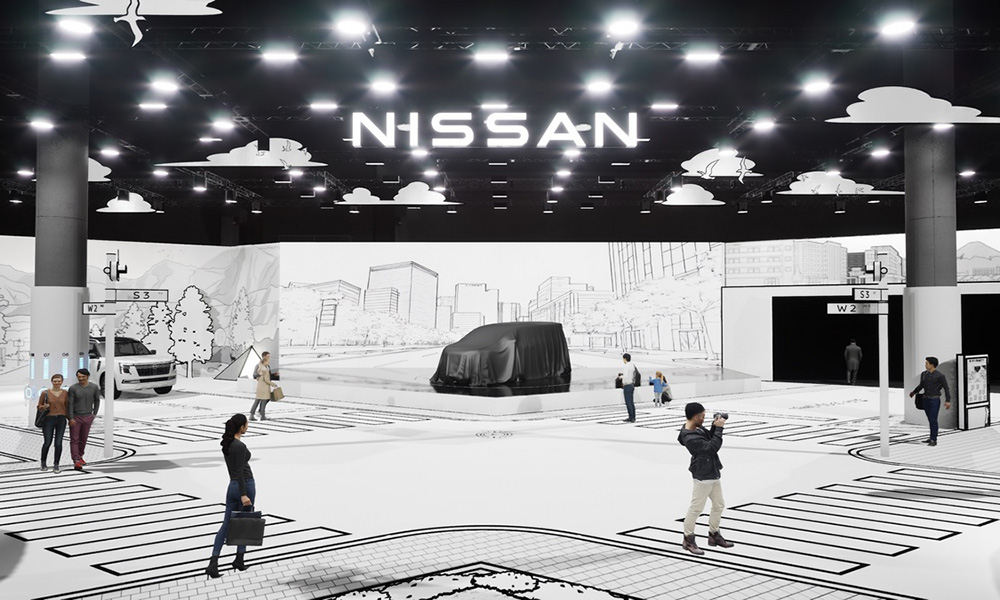
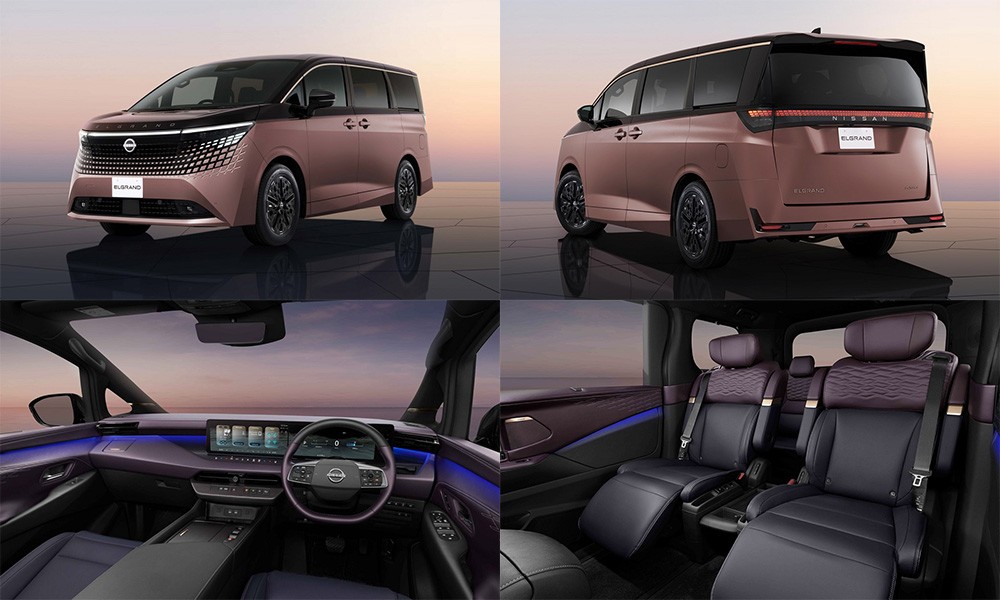
Nissan displayed the most creative exhibit at the show, featuring manga-inspired art and props while showcasing its domestic and international offerings. However, it was the fourth-generation Elgrand that captivated the crowd 15 years after its predecessor had been launched.
Inspired by the Hyper Tourer concept, the revamped minivan carries the next generation of e-Power—although the paired engine has yet to be confirmed—and the current e-4orce four-wheel-drive system.
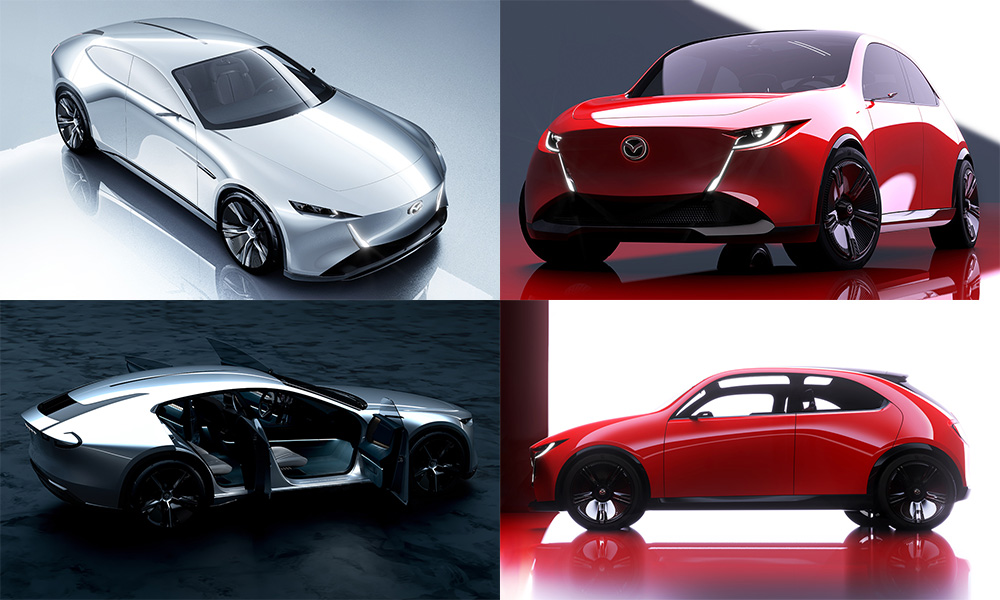
Mazda introduced two new concept vehicles that could influence the design of its next-generation models. The Vision X-Coupe concept is a plug-in hybrid crossover coupe that produces about 503hp and utilizes Mazda Mobile Carbon Capture technology. On the smaller side, the Vision X-Compact focuses more on an empathetic AI system that could read through its drivers.
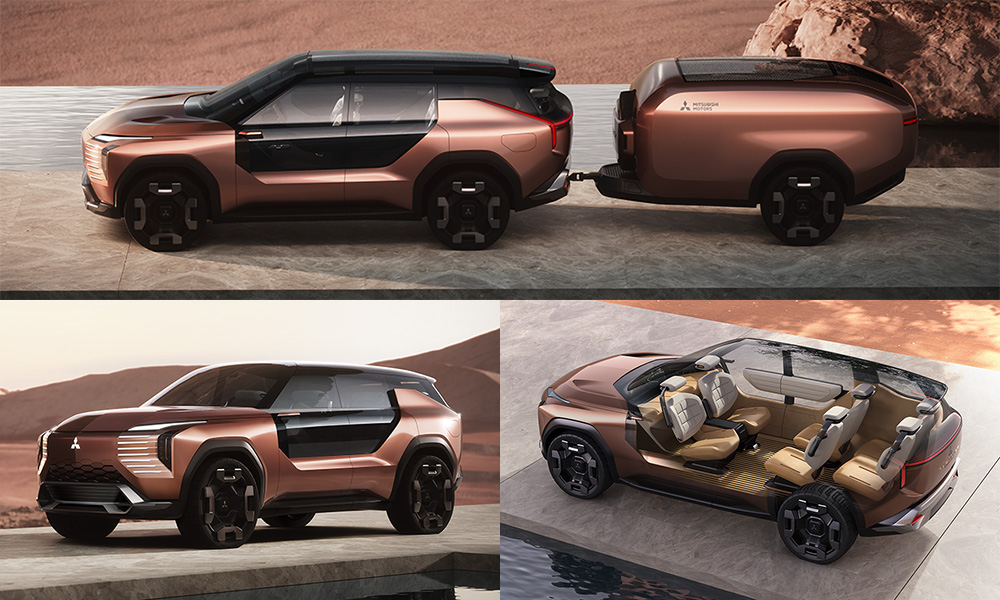
Sticking with concept-only debuts, Mitsubishi surprisingly came swinging with a PHEV design study called the Elevance concept. This SUV features the familiar Super All-Wheel Control (S-AWC) and Active Yaw Control (AYC), which might herald a potential return of its popular nameplate.
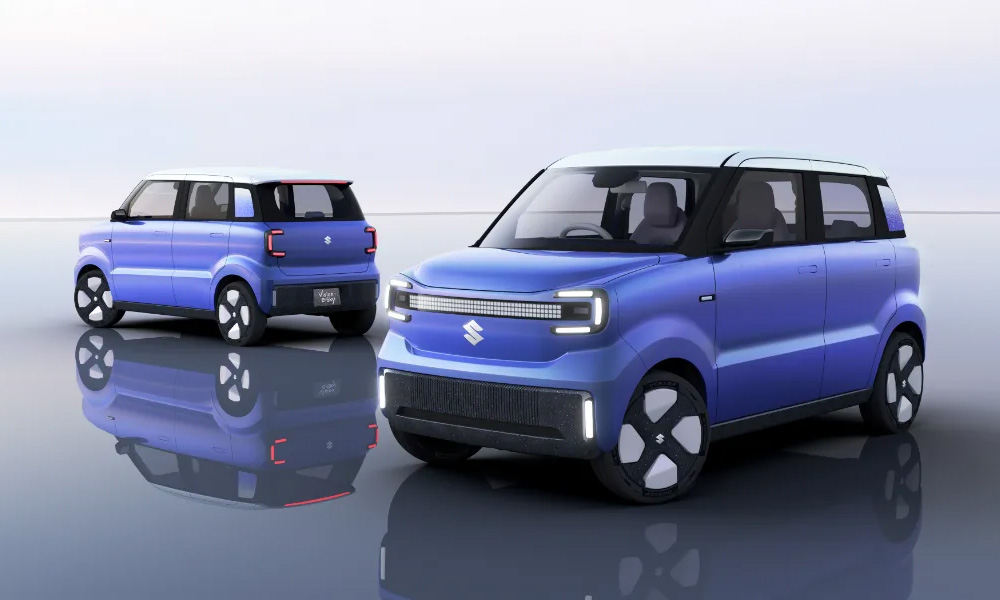
Moving back into pint-sized electric kei cars, Suzuki debuted the Vision e-Sky concept with a bubbly yet familiar exterior. Although the battery motor size has not been specified, it is expected to achieve a range of 270km once a production model is realized sometime next year.
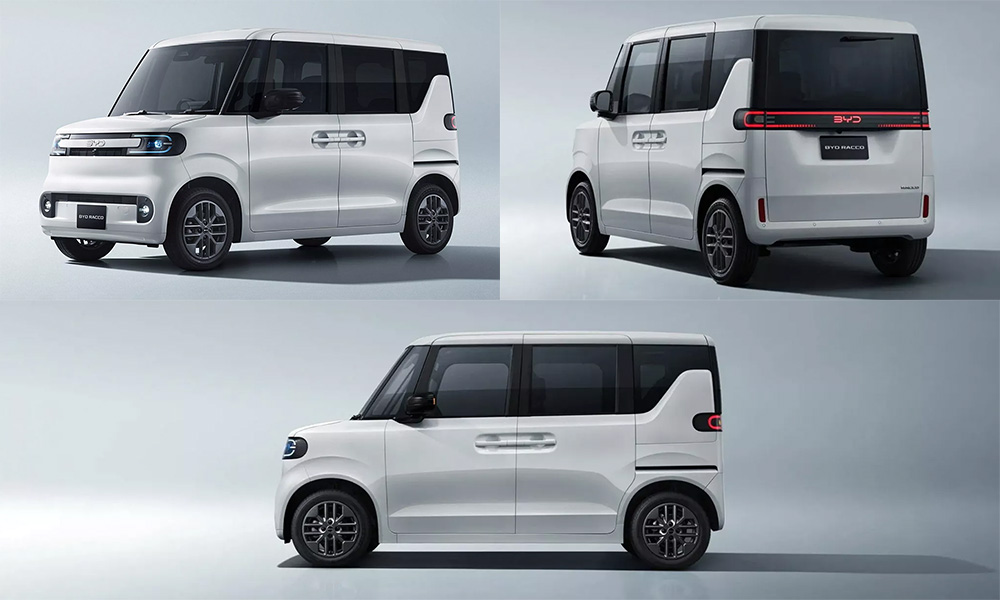
After winning Japan’s “EV of the Year” for two consecutive years, BYD plans to attack the Japanese market with a taste of its own medicine. The Racco is the first proper kei car to come from a Chinese (and a foreign) brand, with a 20kWh battery pack and a 180km range.
Exciting times indeed for Japanese (and, obviously, global) car fans in the coming days.


Comments