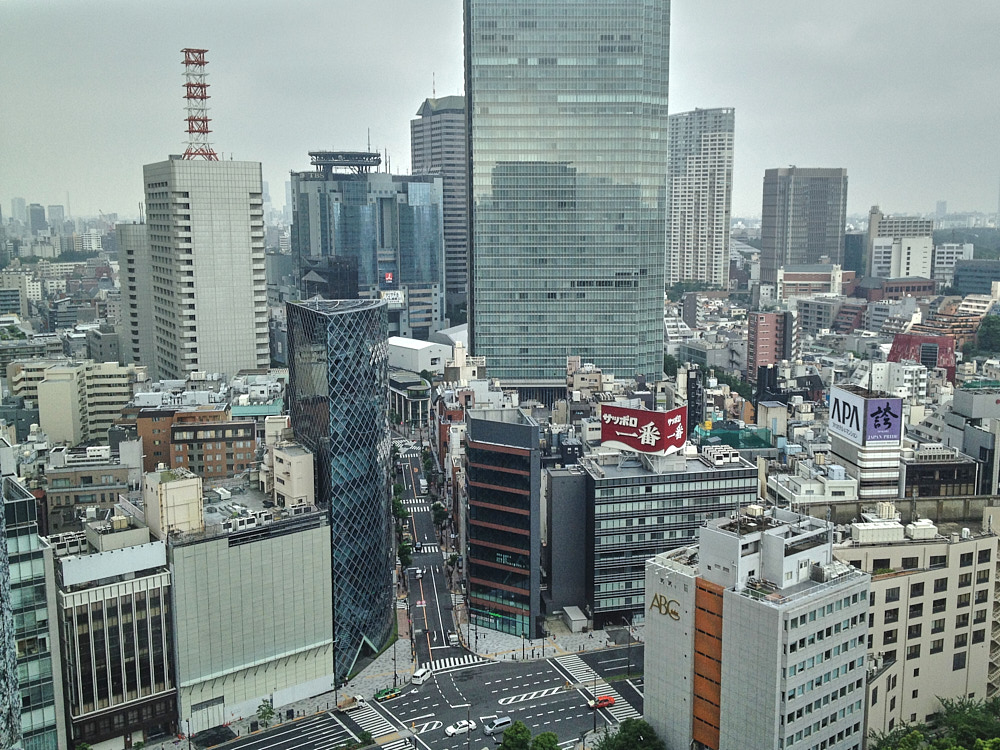

There’s a lot to love about Japan—food, anime and manga, Gundam, and cars. In my opinion, you need at least a week to make the most of a trip to that country.
After graduating from high school, I went to Tokyo in June 2014. Compared to my trip to Europe, which was quite the adventure in the Old World, going to Japan felt like visiting my second home.
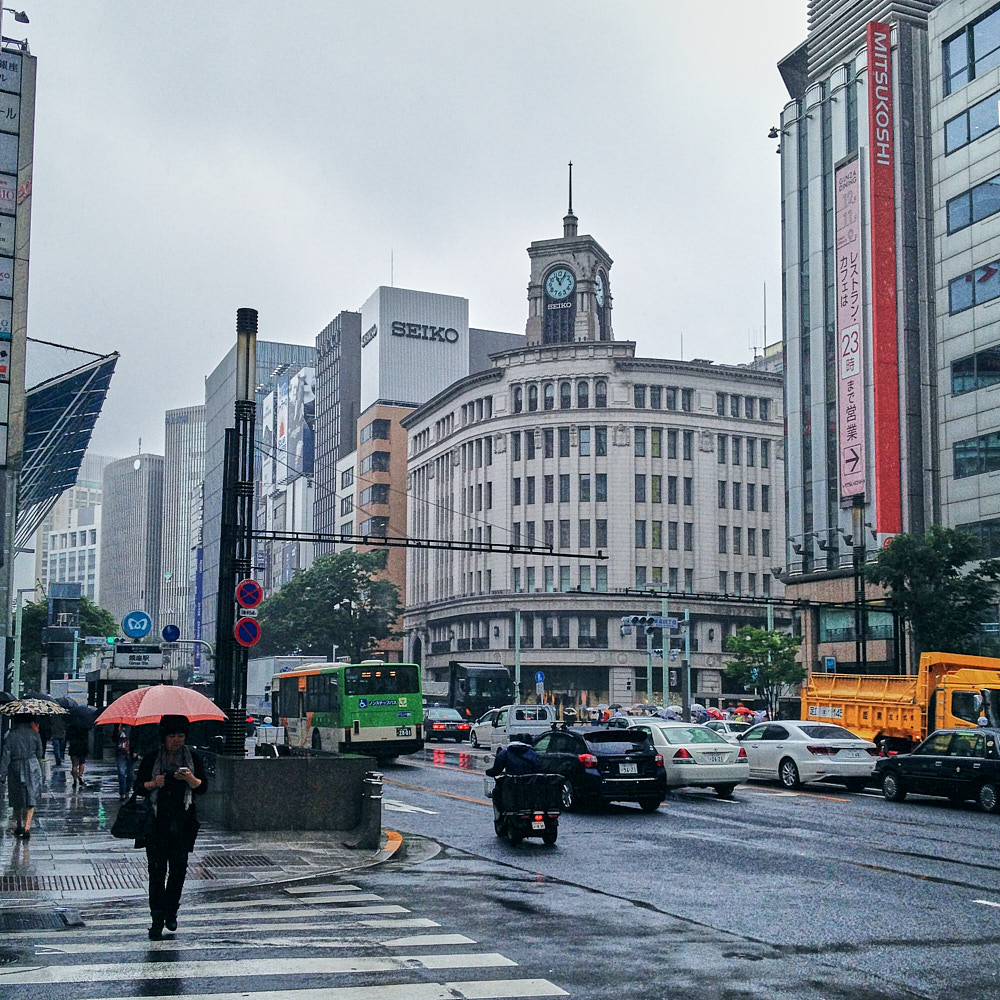
I did not consider myself a photographer yet, but I was more than keen to take snapshots during my travels. This time, I had a pretty powerful yet portable camera in the form of my mom’s iPhone 4s. The photos it took looked just as good as those by a point-and-shoot camera, but it was compact enough to be pocketable. This was a big deal since the weather was rainy during most of the trip.
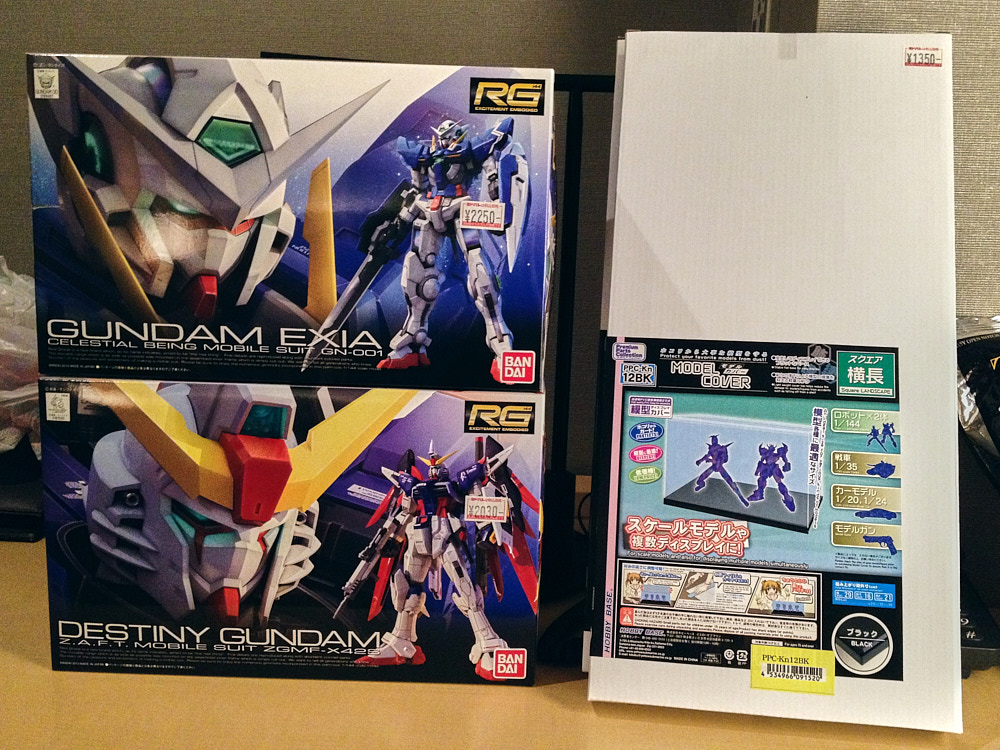
Back then, I was more interested in anime and Gundam, so car-spotting wasn’t on the itinerary. Odaiba was one of the two places I wanted to visit (the other being Akihabara) because of Gundam Front Tokyo and the 1/1 statue of the RX-78-2 Gundam.
Little did I expect that the car enthusiast in me was in for a treat as well.
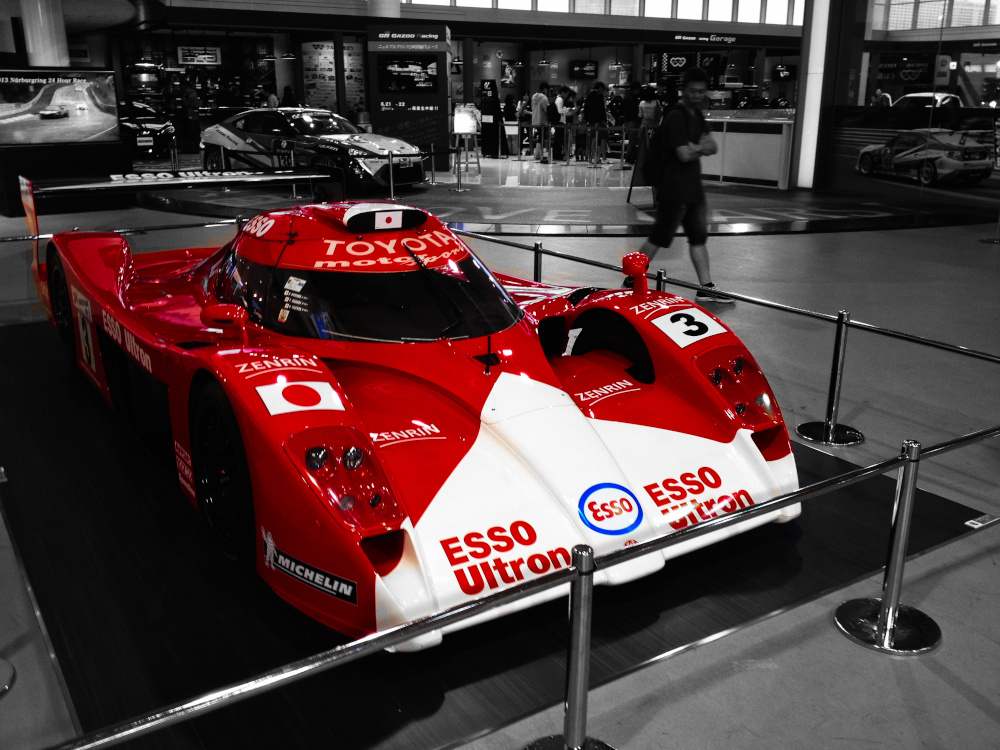
Mega Web was an automotive theme park by Toyota located at Palette Town, one of the many malls in Odaiba. I never expected to see such a large collection of Toyotas in one spot.
The Toyota GT-One TS020 was the standout model for three reasons: The Number 3 car was driven by Keiichi Tsuchiya (also known as Drift King); it won second place in the 1999 24 Hours of Le Mans; and last but not least, it was my favorite car on Gran Turismo 2 (alongside the Nissan Skyline GT-R and the Subaru Impreza WRC).
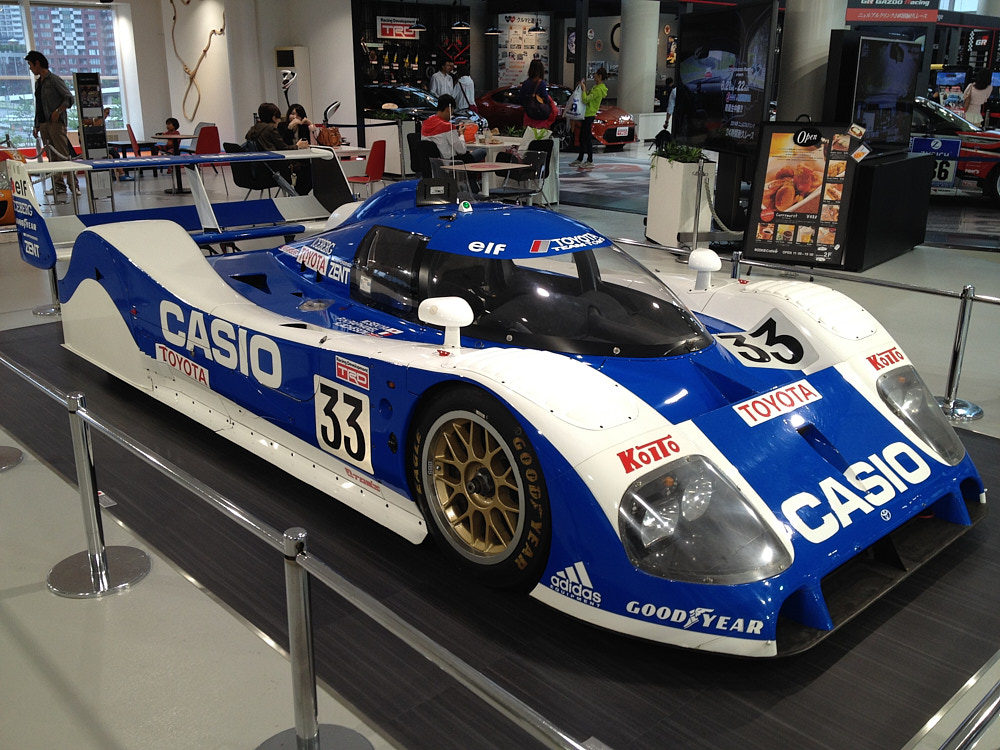
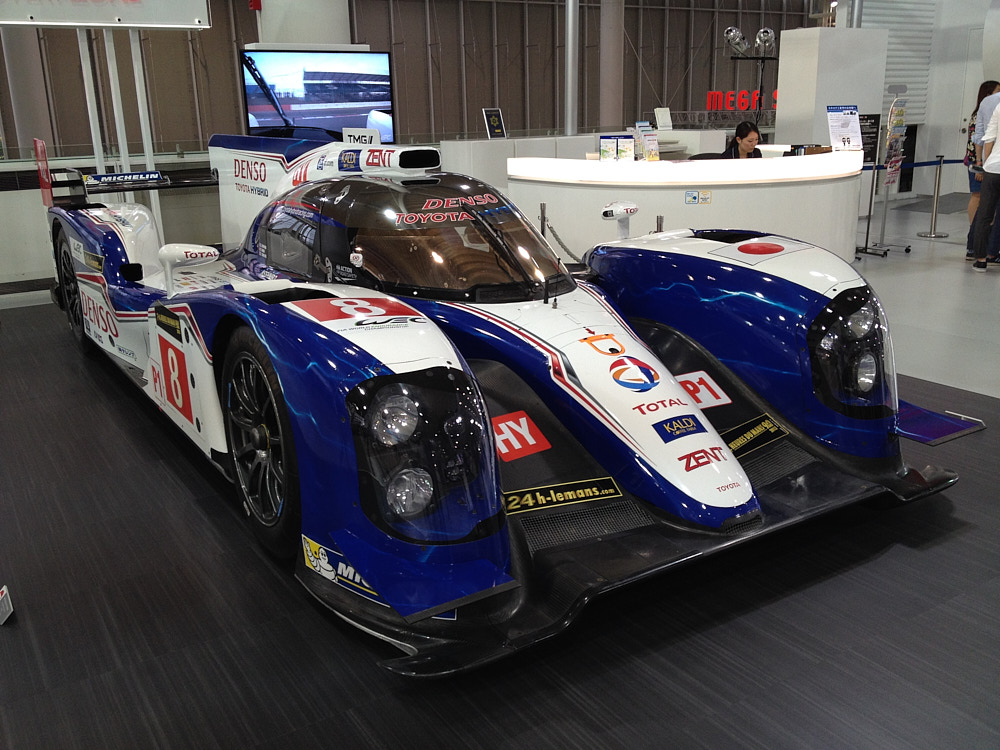
Apparently, the GT-One wasn’t the only Le Mans prototype of Toyota. There was the TS010, which had a boxier design, and the TS030. The latter was significantly different, with its kinetic energy recovery system (also known as KERS) that harvested energy via regenerative braking. I got to drive the car virtually when it was introduced on Gran Turismo 6 after my trip.
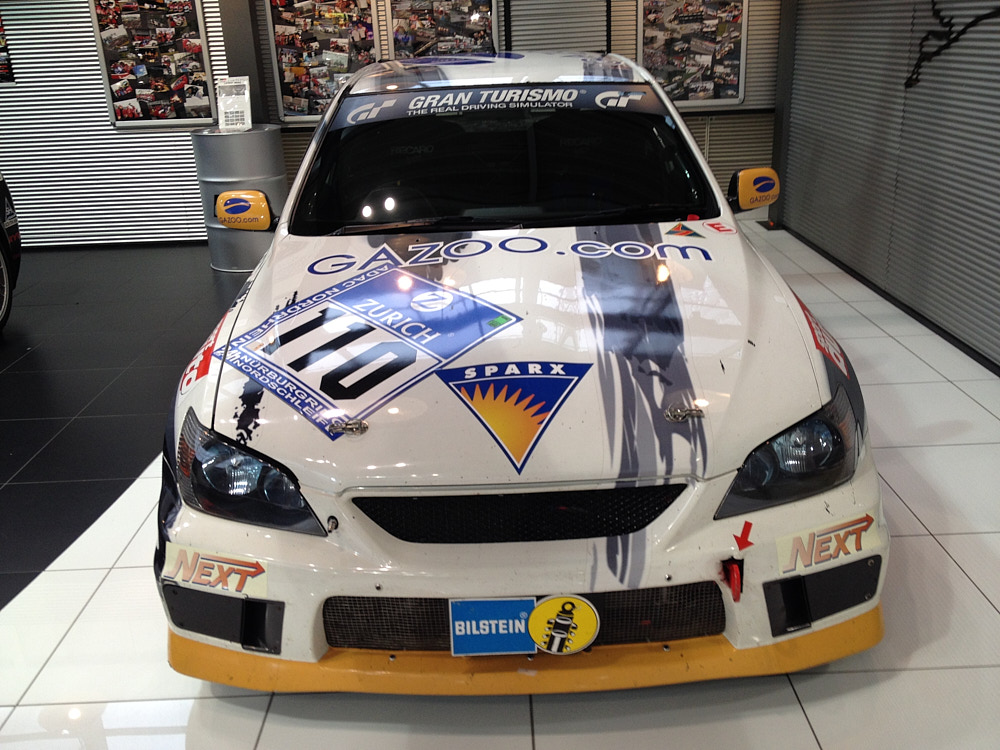
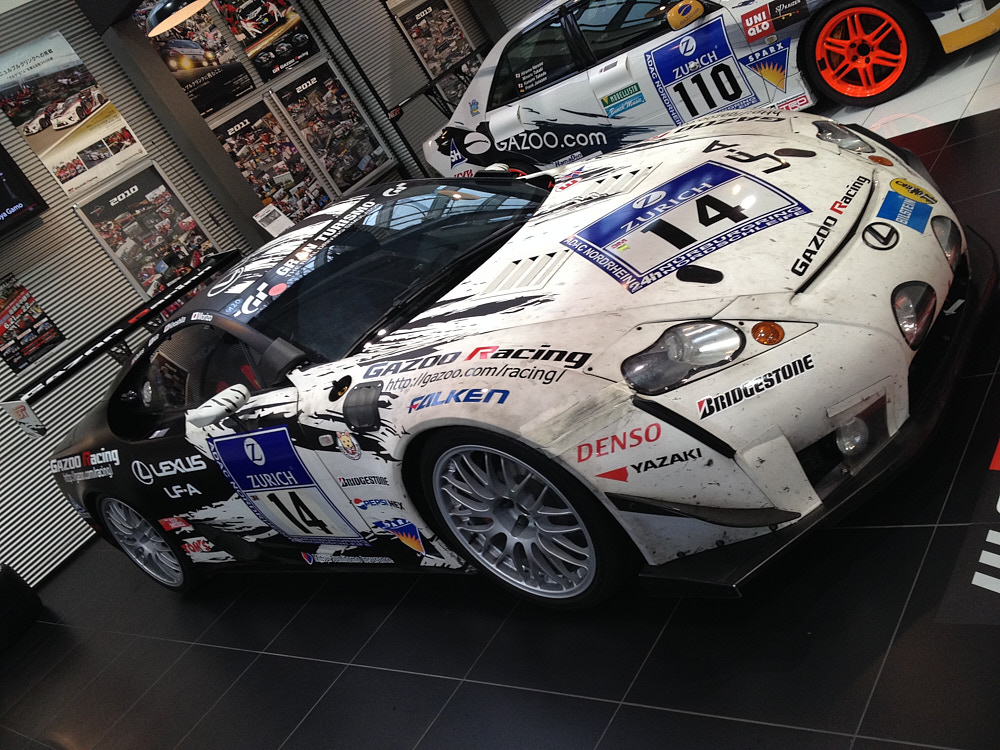
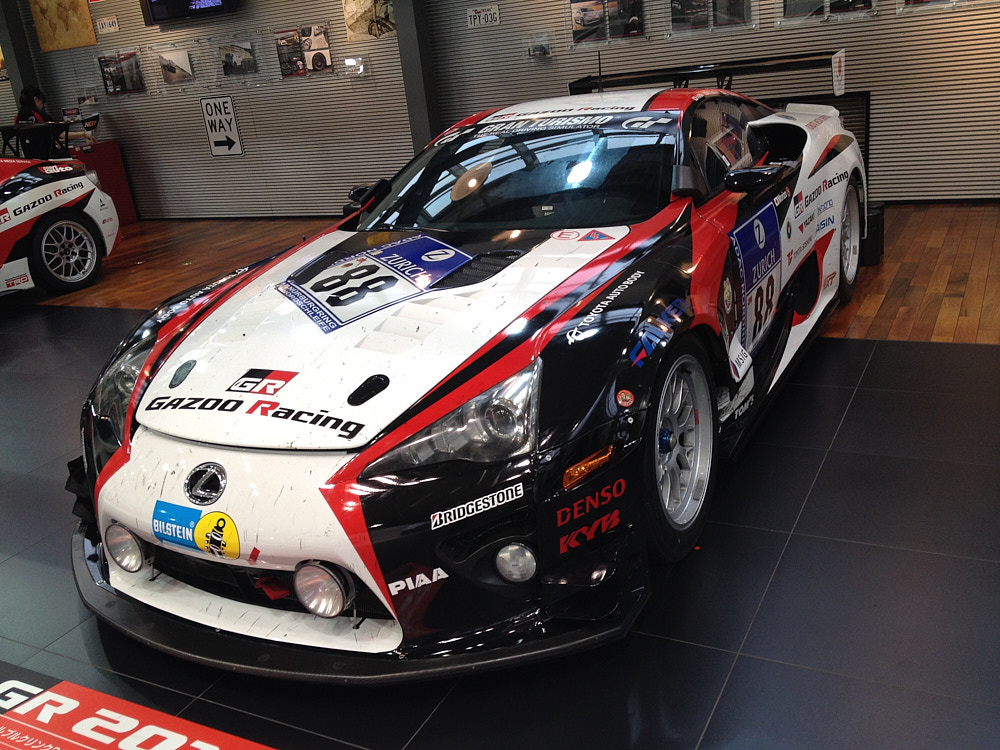
After the Le Mans racers, the touring cars were the next most interesting vehicles. I didn’t know this back then, but the race cars on display were no ordinary machines: They were the rolling test beds Morizo (aka Akio Toyoda) and his team entered into the 24 Hours of Nurburgring. With my unknowing eyes, I was just happy to see a Lexus LFA in person for the first time.
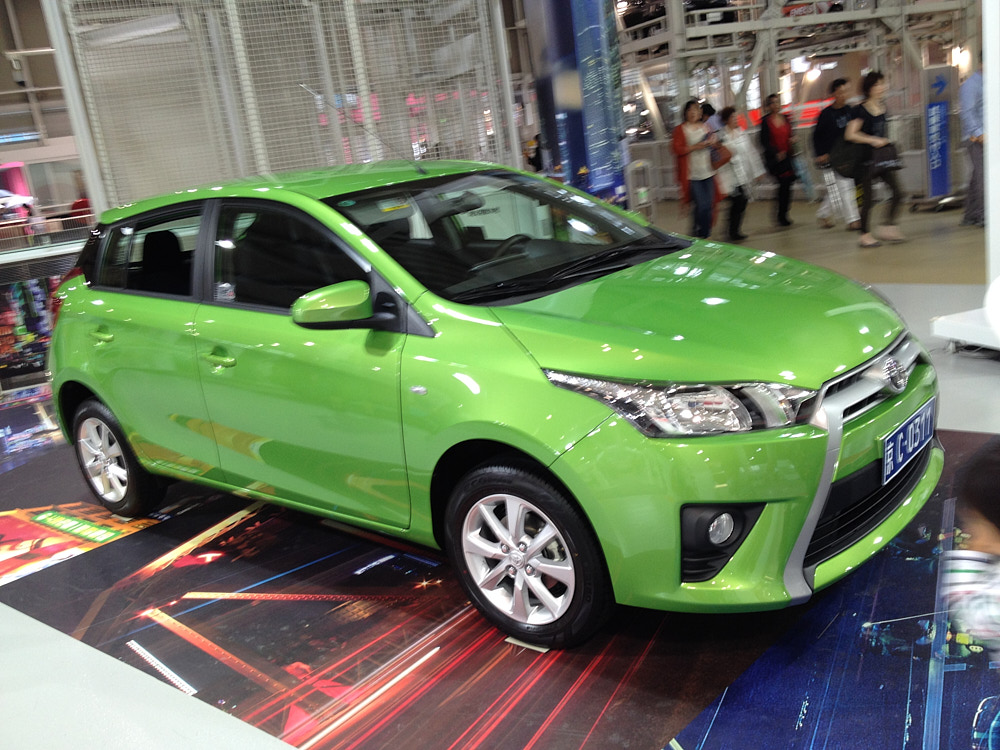
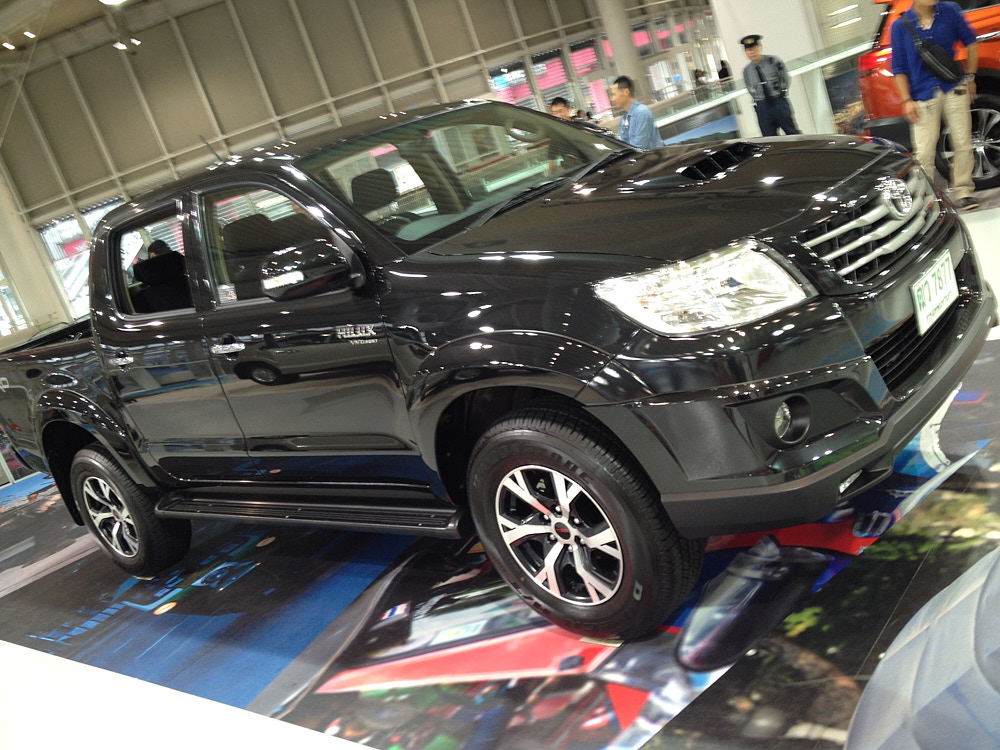
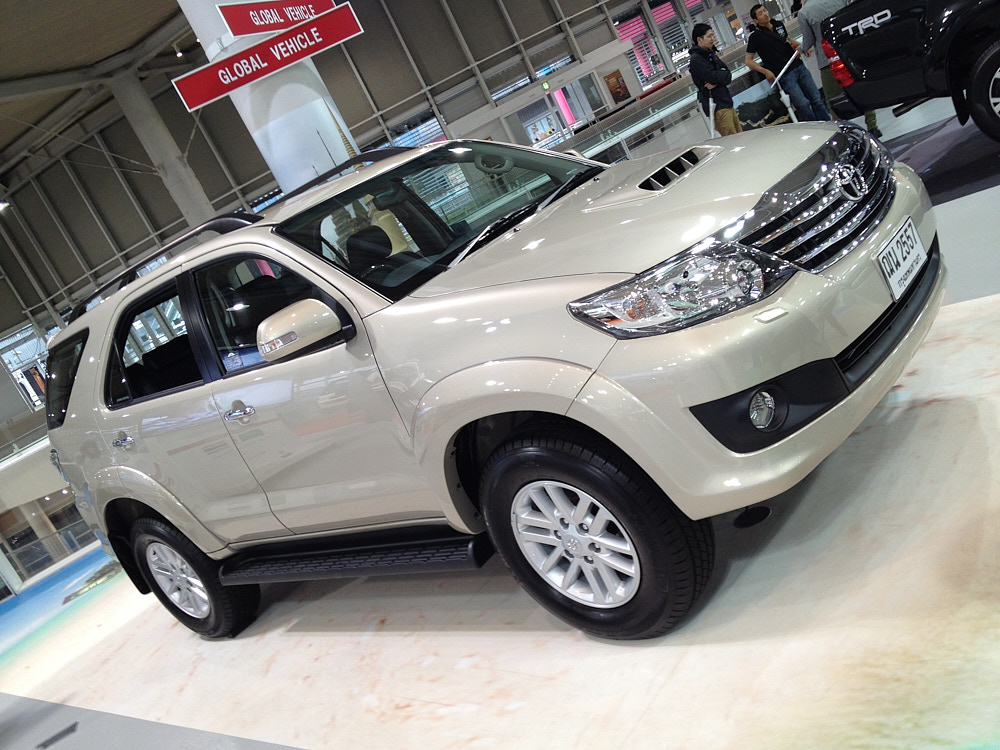
The last group of cars that caught my attention were the ordinary passenger vehicles. There were many on display, but I found it most amusing to see the Fortuner, the Hilux, and the Yaris as museum pieces alongside such iconic and historical vehicles.
Aside from appreciating the cars, I got to try out a machine that tested my reaction time, similar to what F1 drivers train with. The experience taught me why not just anyone could get behind the wheel of an F1 car.
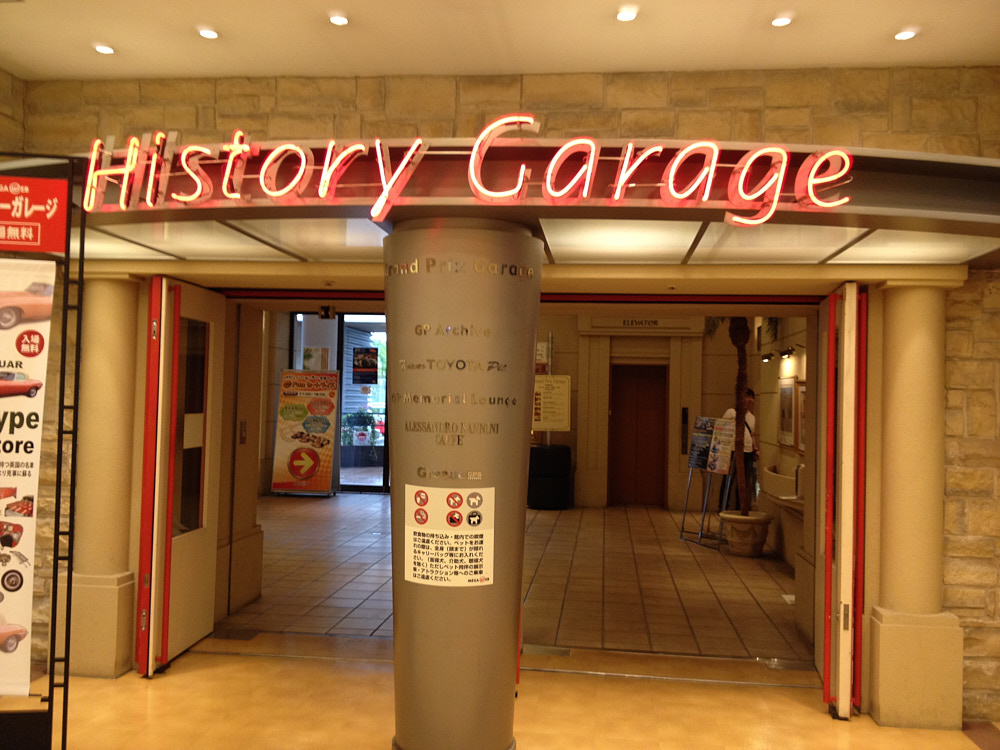
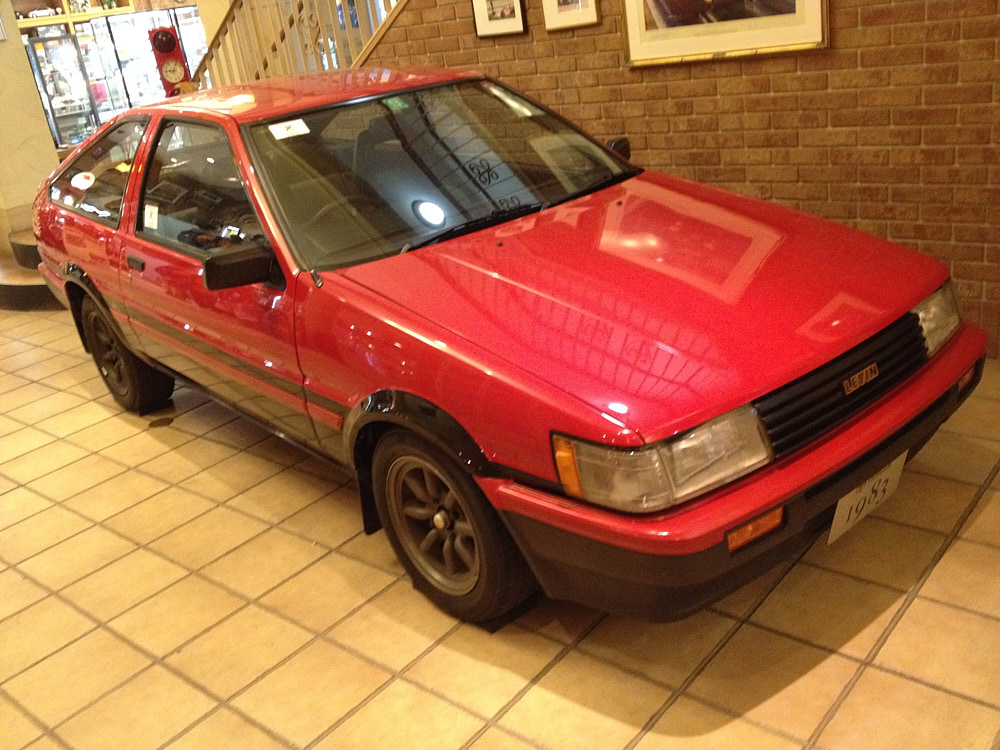
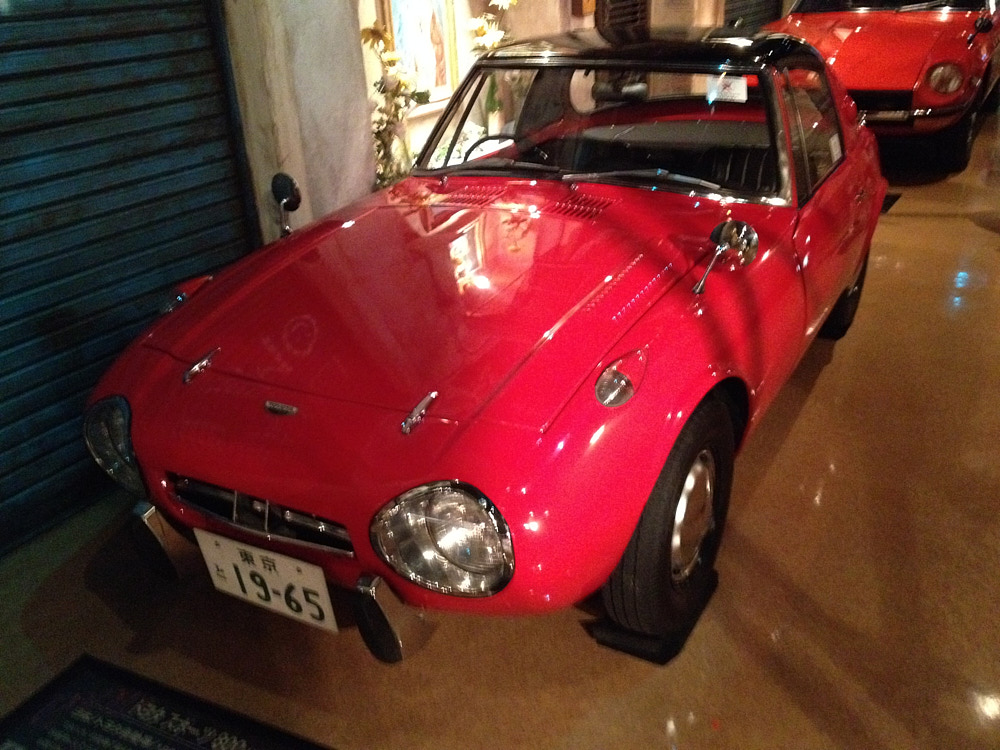
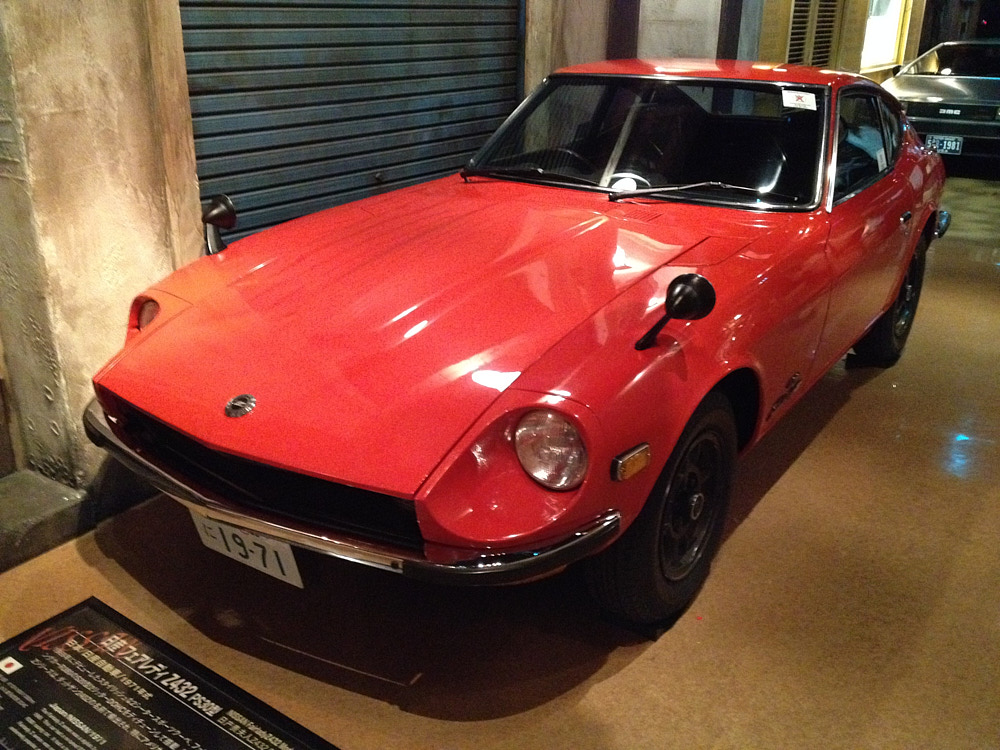
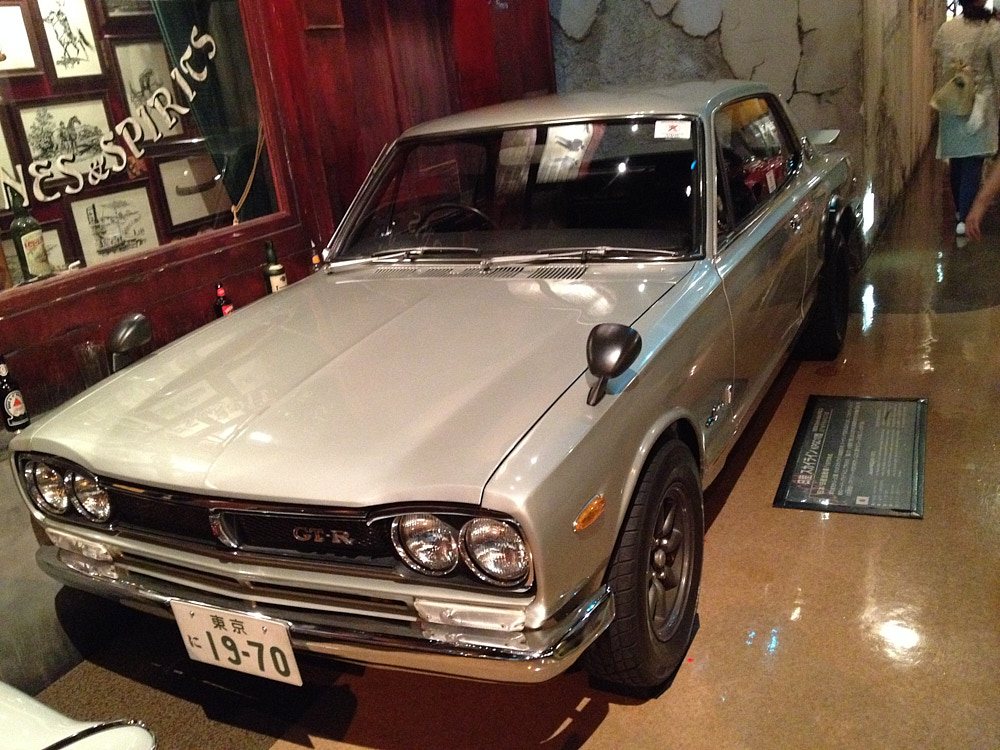
I thought I was done for the day, but the car-spotting wasn’t over yet. After walking a bit further in the mall, I came across the History Garage. Although it wasn’t as huge as the main showroom, the display had a good selection of vehicles and die-cast models. This was my first time seeing old JDM classics like the Toyota Levin, the Toyota 2000GT, the Datsun 240Z, and the “Hakasoka” Skyline GT-R.
I originally went to Odaiba for Gundam, but ended up in a mecca for Toyota fans and car guys. Moments like this remind me that although my hobbies and interests change, my enthusiasm for cars will always remain—because it connects me to my childhood days playing Gran Turismo on the PlayStation. Similar to what a colleague once said, nostalgia is indeed a very powerful force.


Comments