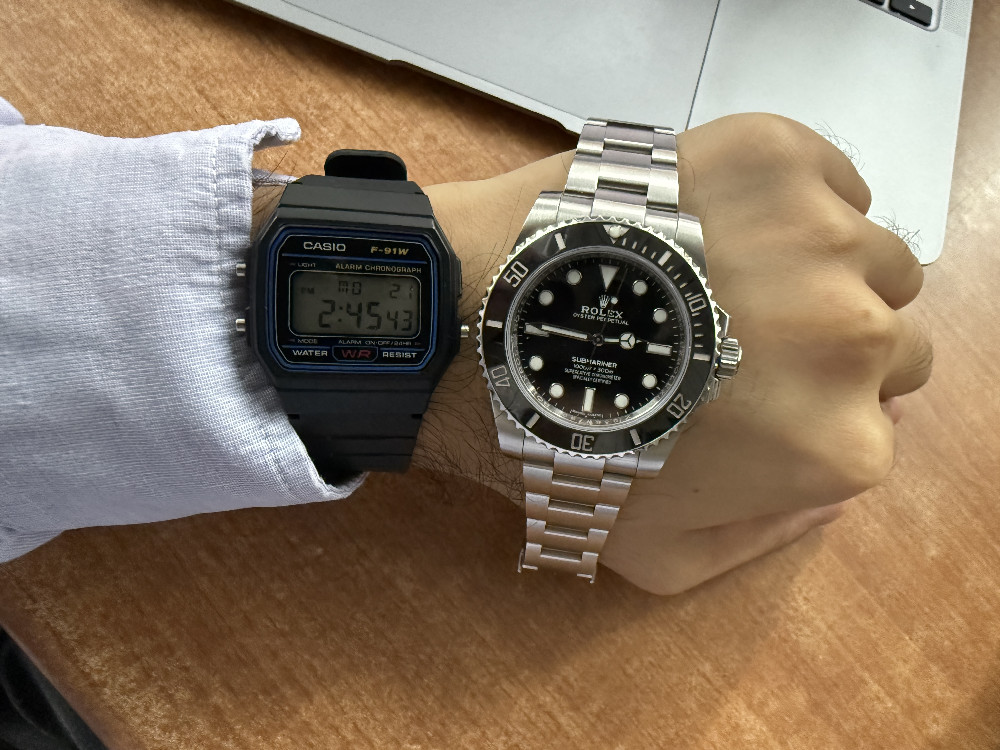

Watches don’t just tell the time—they also say something about the wearer and his/her lifestyle.
Divers would wear a dive watch for exploring the ocean depths; motorsport fans and car enthusiasts would wear a chronograph to measure speed; nature lovers would wear a field watch for tackling the great outdoors; and corporate executives would wear a luxury watch to showcase their achievements in life.
However, which watch best represents the ordinary person? To answer that question, I got myself a Casio F-91W.
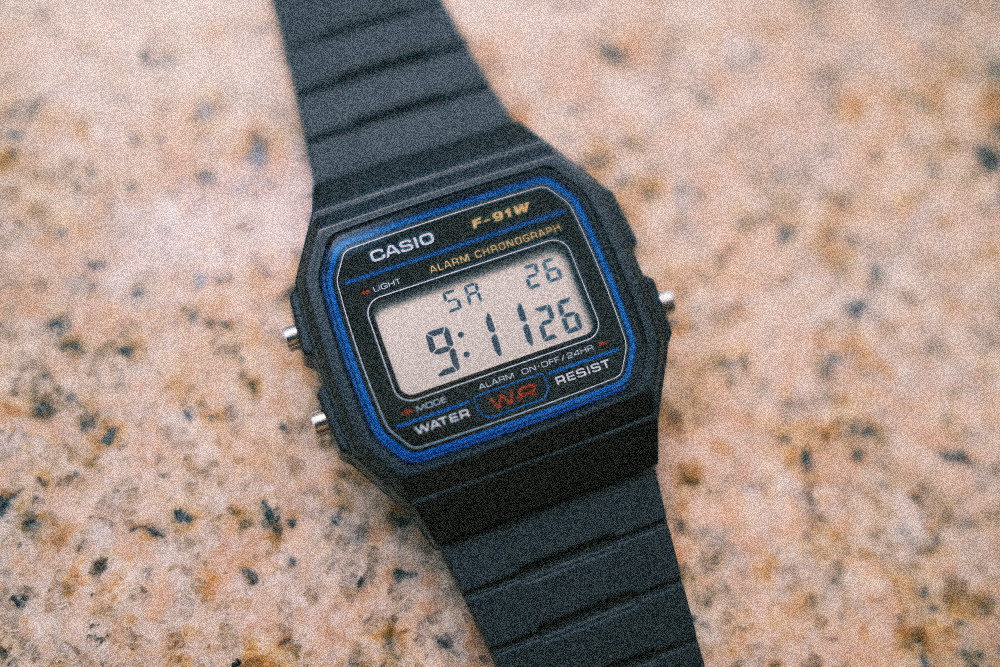
The Casio F-91W needs no introduction. It’s essentially the Toyota Corolla of timepieces. If you think of a digital watch, you’ll probably think of this model, whether you realize it or not. It has been worn by all sorts of people from the least to the greatest—from Osama to Obama.
The watch was first released in June 1989 as the successor to the F-87W. Although it was just another model in the lineup, the F-91W became the best-selling digital watch (not counting smartwatches) with more than a hundred million units sold. And even with its worldwide fame, the watch is still affordable, with an SRP of P1,550.
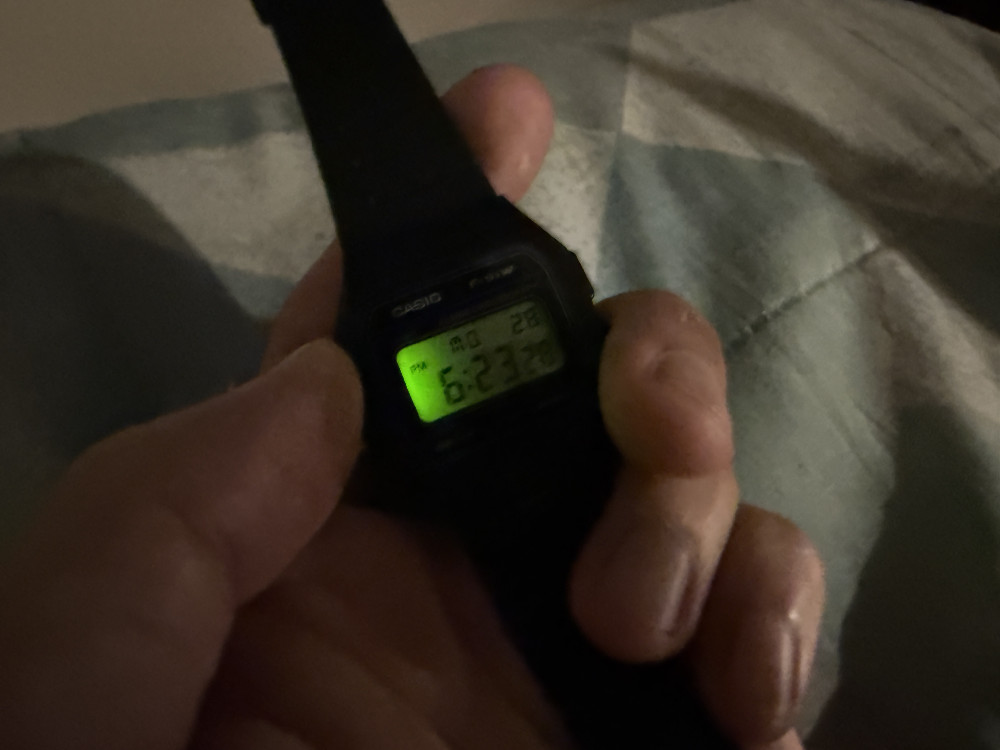
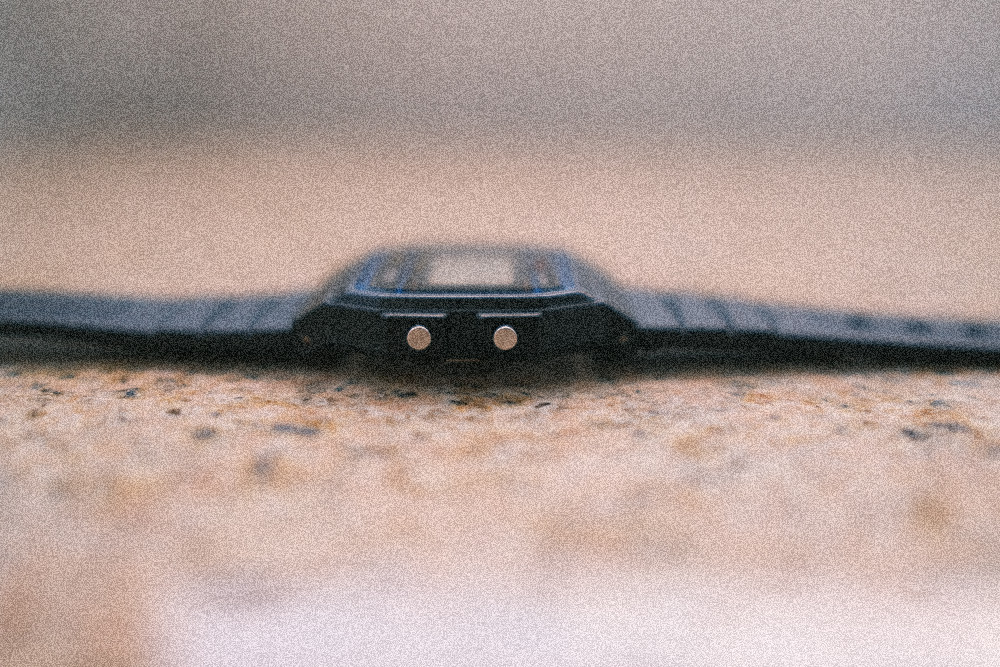
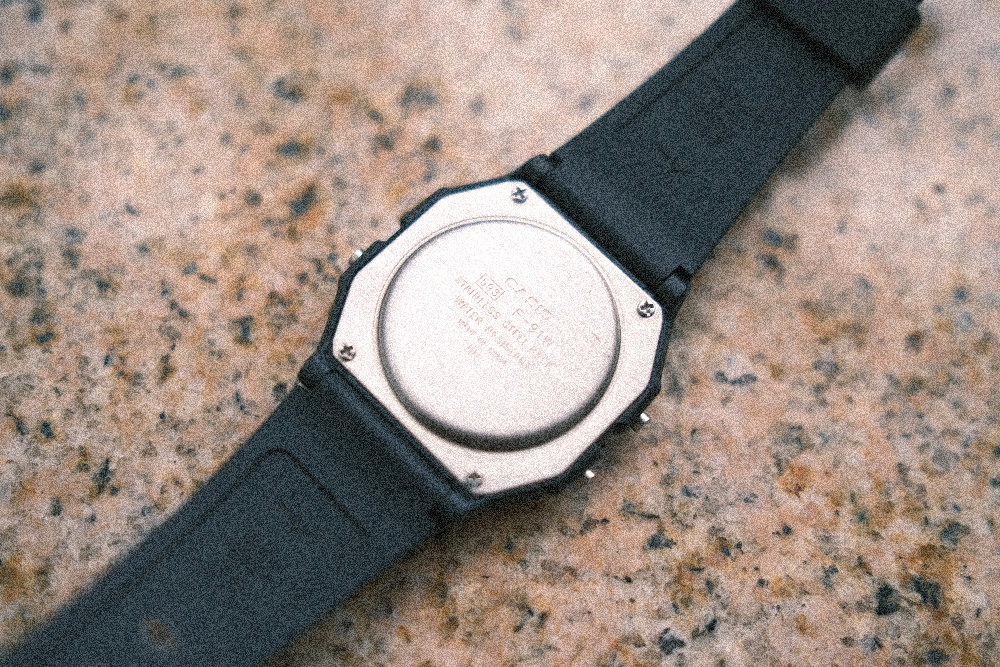
The F-91W houses Module 593 in a resin case measuring 38.2mm by 35.2mm by 8.5mm. With its compact size, the F-91W fits on the wrists of most people.
Aside from telling the time, the F-91W also has a 1/100-second stopwatch, a daily alarm, and an hourly time signal. There’s also an LED light on the side, which is notoriously dim.
The battery life is rated for seven years, while Casio says the F-91W is water-resistant up to 30m. It’s not as indestructible as a G-Shock, but if it could survive on the battlefield, it should be more than durable enough for the daily grind.
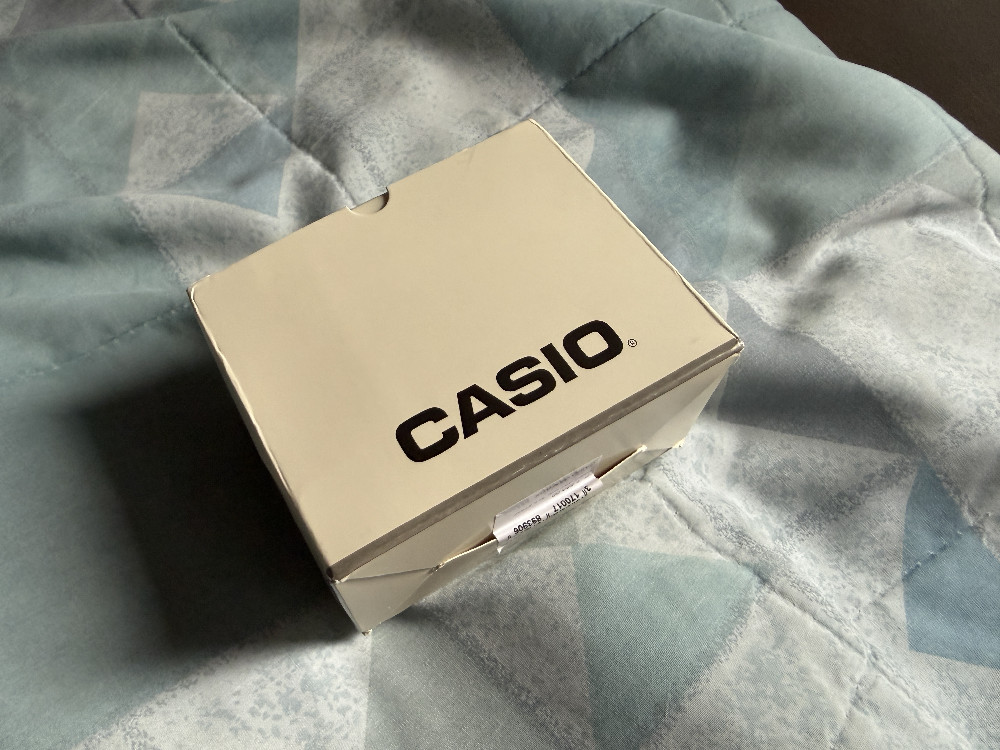
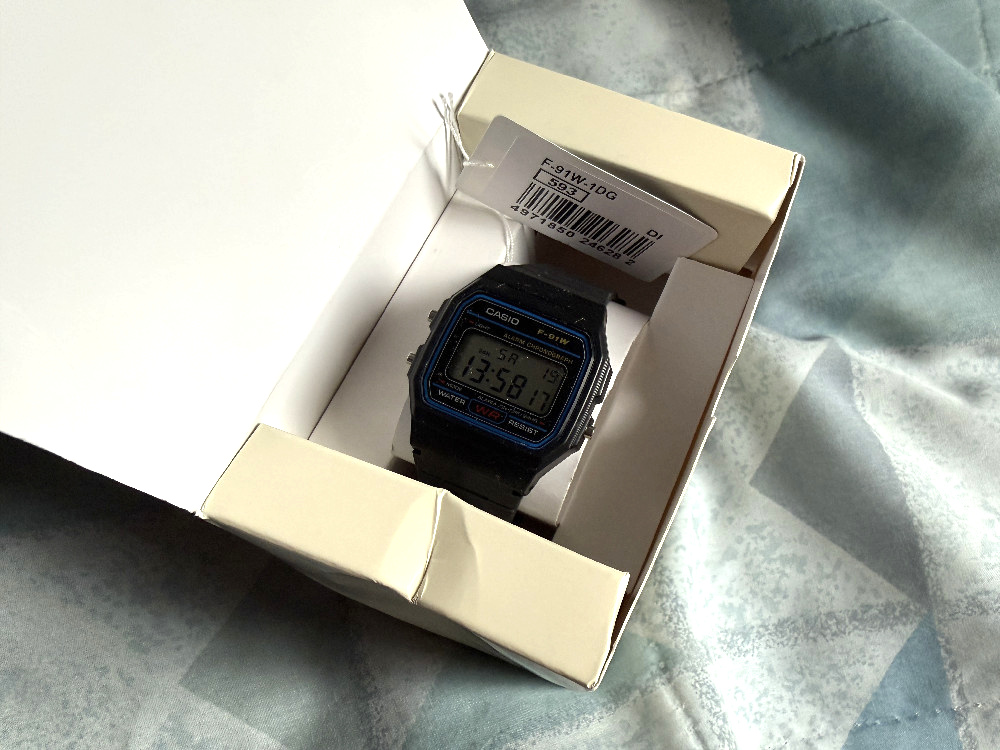
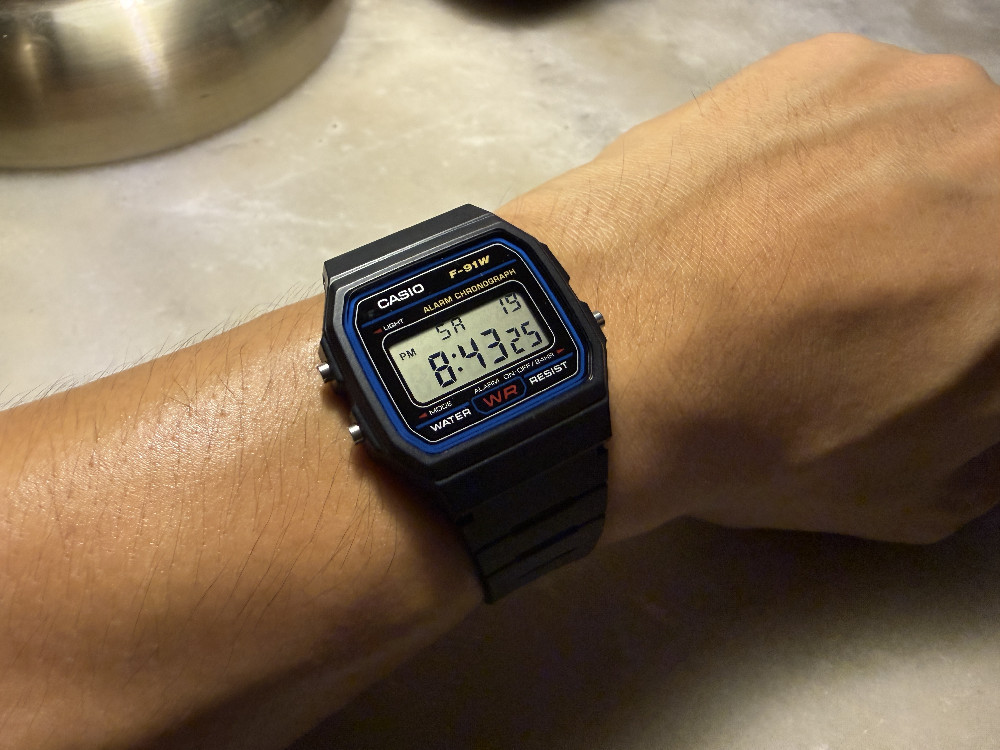
My experience with the Casio F-91W was subversive from unboxing to the first wear. The carton packaging is charmingly flimsy, as if I were opening a calculator. Pick up the watch, and you’ll realize it weighs close to nothing at 21g.
Unlike a mechanical watch, the F-91W doesn’t draw your attention. And with only a digital display with the legibility of a calculator, there is no analog dial for your eyes to linger around. This makes the viewing experience highly utilitarian.
The absence of a mechanical movement also means the watch doesn’t have a heartbeat of its own. Yet, it will tell the time more reliably than the fanciest timepieces money could buy, with an accuracy of ±30 seconds per month.
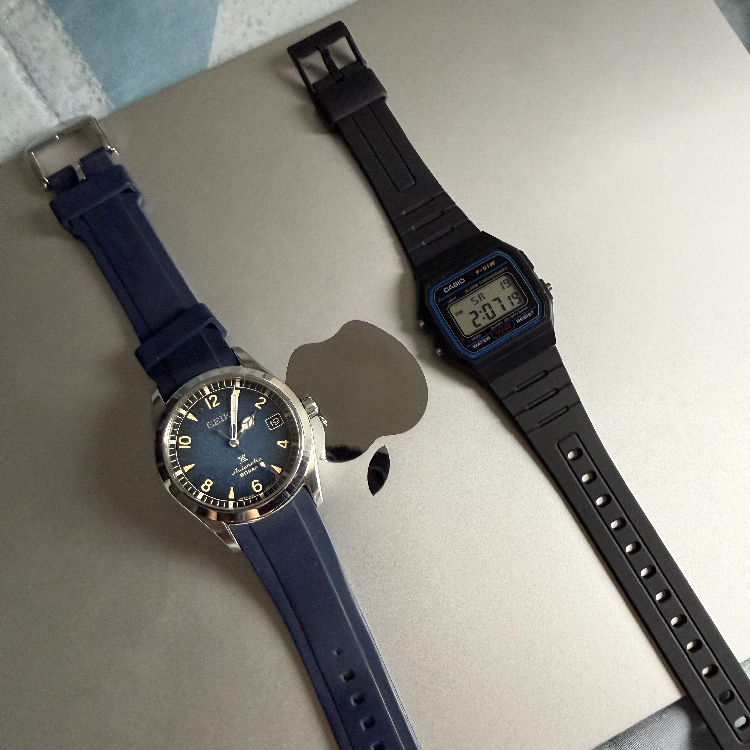

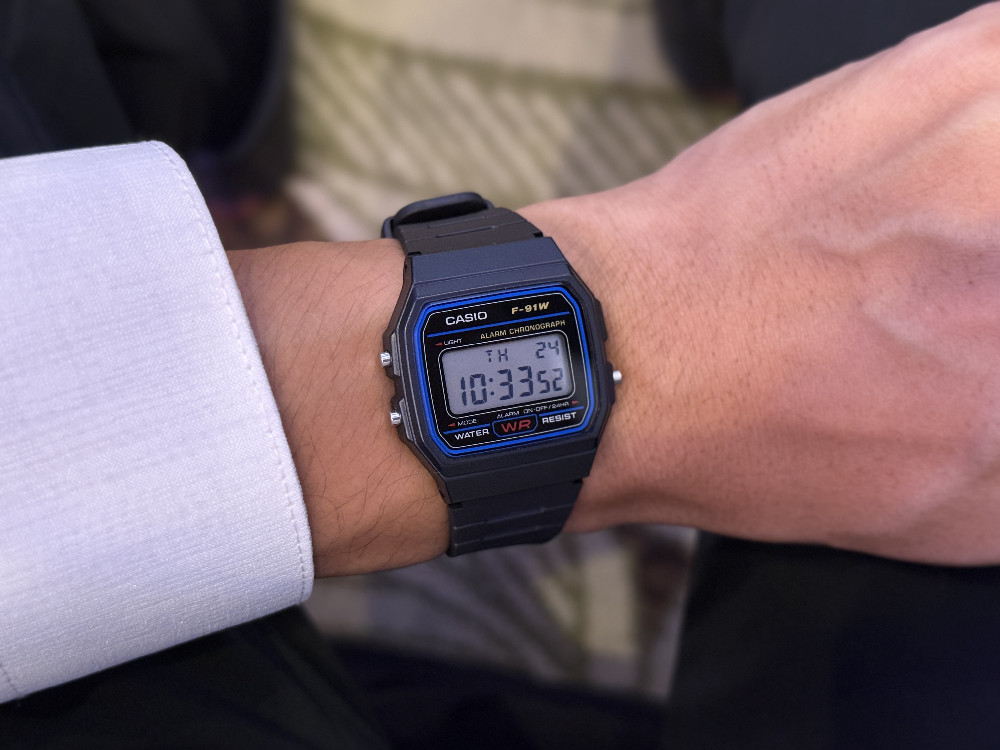
I was quite excited while waiting for the shipment, but now I don’t have any strong feelings about the Casio F-91W. Whereas many watches try to look more expensive than they actually are, this one doesn’t have an ounce of pretentiousness.
The lug width measures 18mm, making the strap customizable. But why should I play around when, in my opinion, the F-91W works best with the stock resin band?
Enthusiasts buy watches to commemorate milestones or to create new memories. They’re also good conversation starters. However, I can’t say the same for my F-91W. No one’s going to notice it on my wrist, and that’s probably a good thing, especially when walking on the street.
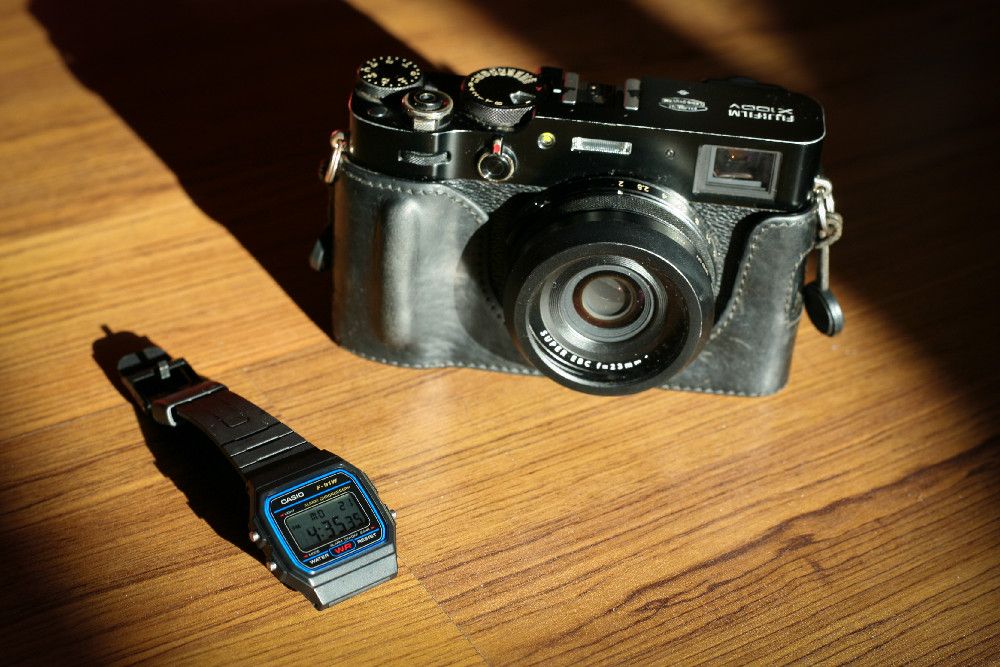
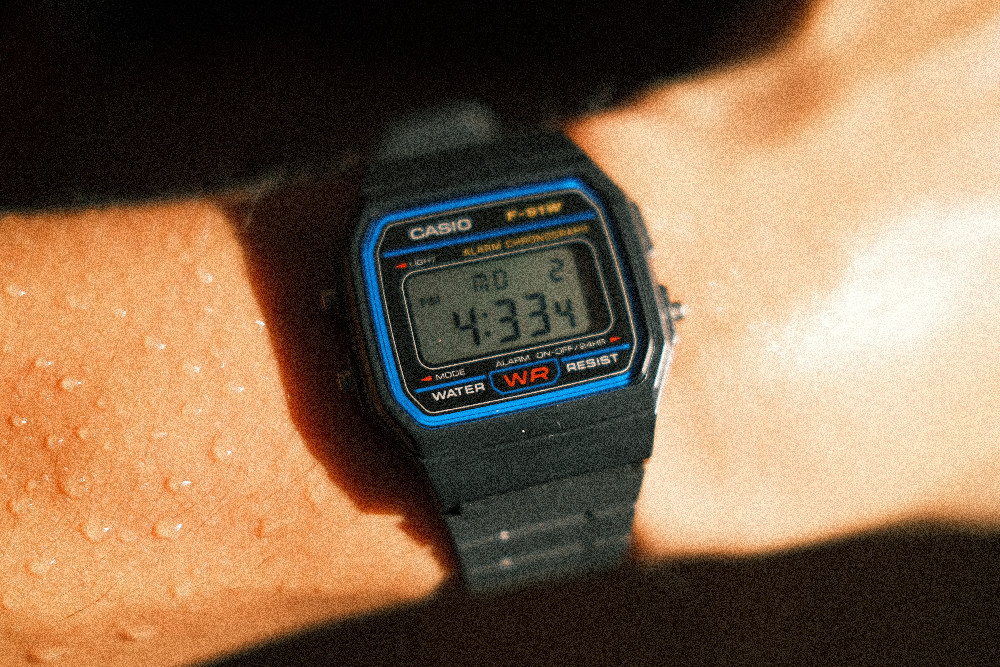
I got this watch not because I needed another timepiece, but because I wanted to experience it as an iconic product. On its own, there’s no reason to pick one up if you already have a watch.
Still, it’s nearly impossible to go wrong with this watch. The best part about it is that I don’t have to think about it. It just works.
The simple yet timeless design means I don’t have to worry about matching it with my outfits. Meanwhile, the clinical accuracy doesn’t give me headaches the same way the 6R35 in my Seiko Alpinist does. And unlike my smartphone, it does not compete for my time and attention.
In an age when everything is more expensive and complicated, the Casio F-91W stands as a testament to the fact that simplicity, practicality, and affordability never go out of style. And that’s what makes it an iconic watch that anyone can wear.




Comments