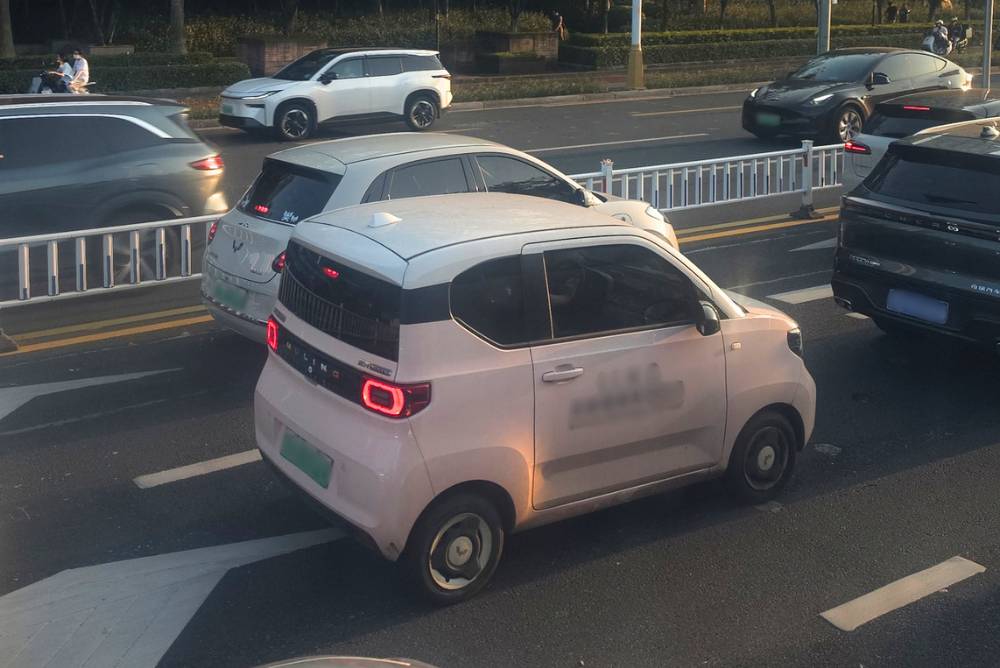

More and more automotive companies are entering the Philippines, and each new brand is expected to launch its latest models. But what happens when an already established automotive company enters the Philippine market without the visibility others expect?
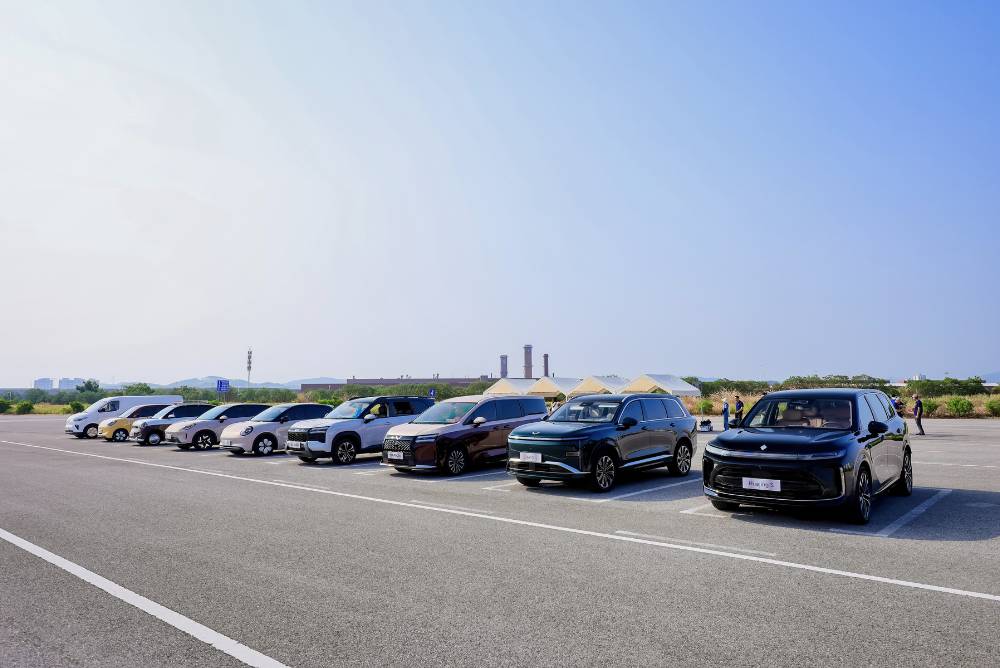
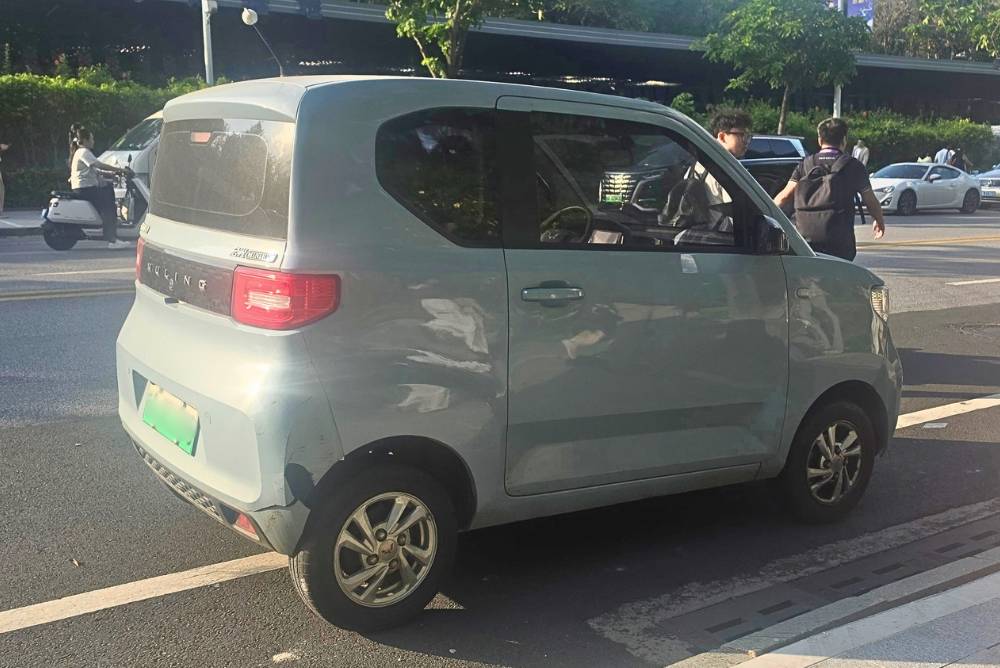
Such is the case with Wuling. It is part of SAIC-GM-Wuling Automobile (SGMW), a joint venture of SAIC Motor, General Motors, and Liuzhou Wuling Motors. Although it’s popular in neighboring countries such as Indonesia, it remains a niche player in our local automotive market.
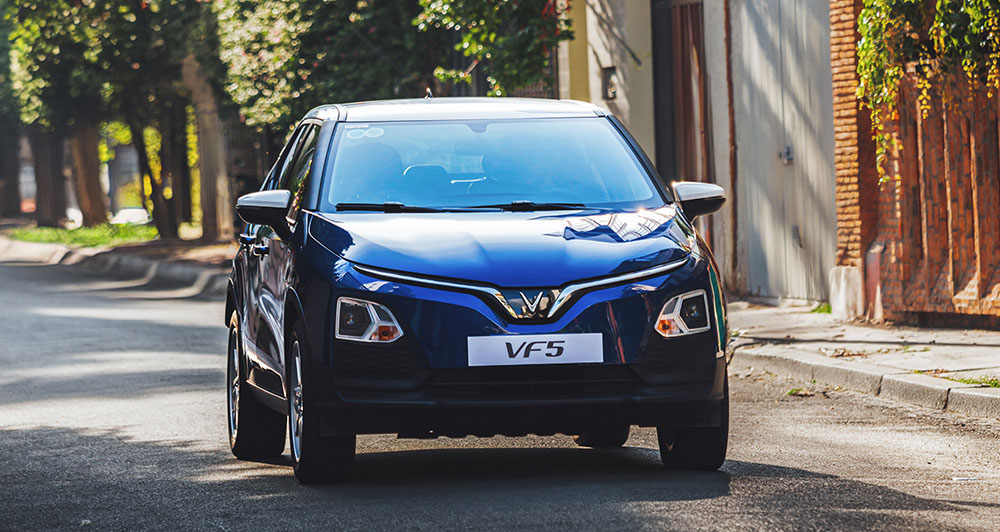
It entered the market in 2024, launching four models. Upon its entry, more aggressive brands such as VinFast, BAIC, BYD, and Omoda/Jaecoo anchored themselves through relaunches. Dealerships opened left and right, taking a huge share of the pie.
This is worsened by the modest scale of its operations under its current distributor, GRC Motors, which lists only six dealerships on its website. We know we shouldn’t compare a corporate giant like Ayala to a smaller private group like GRC Motors, but an automaker with a unit called the “people’s car” in its home country should attest to its potential.
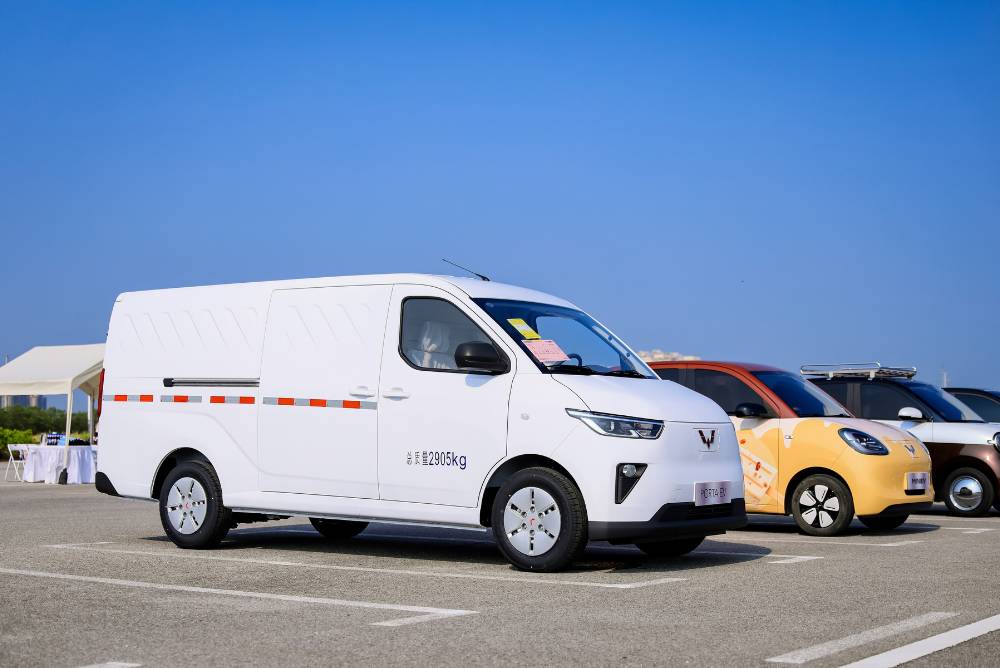
Locally, we see more of its commercial vehicles. Although the brand has a designated commercial segment, a large portion of its products are for private vehicle owners.
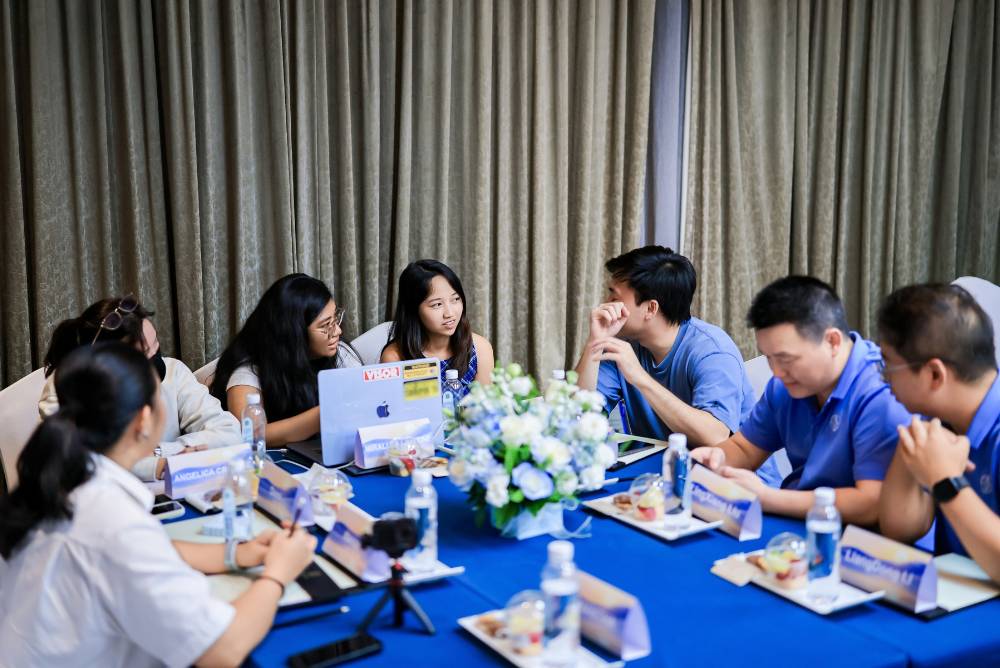
Recently, our team met with SGMW representatives. During the discussion, they discussed plans for Southeast Asia and some European countries. We also had a chance to talk about their plans for the Philippines in more depth.
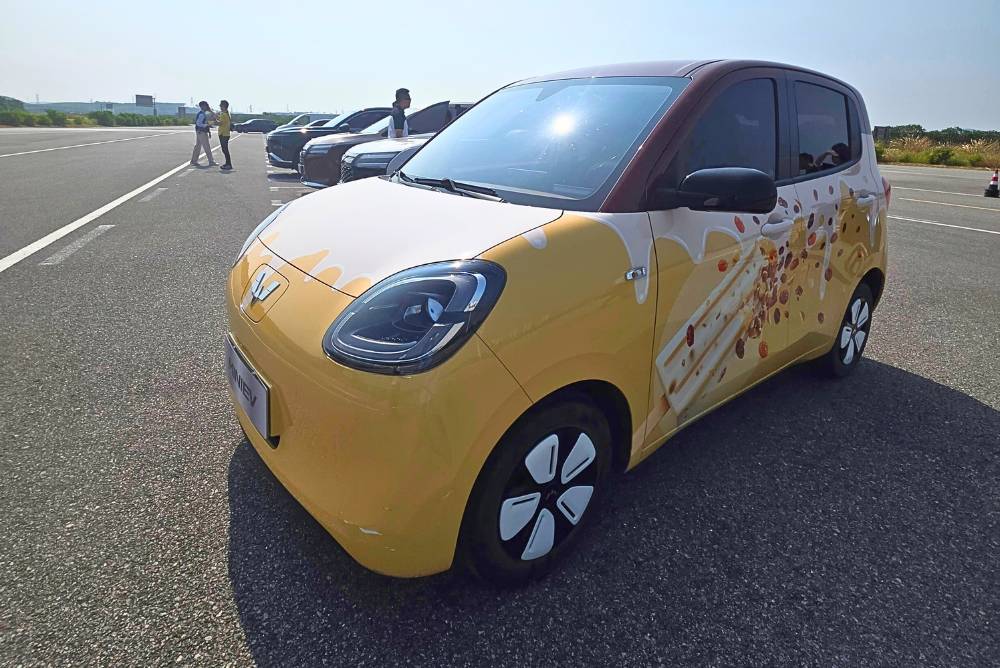
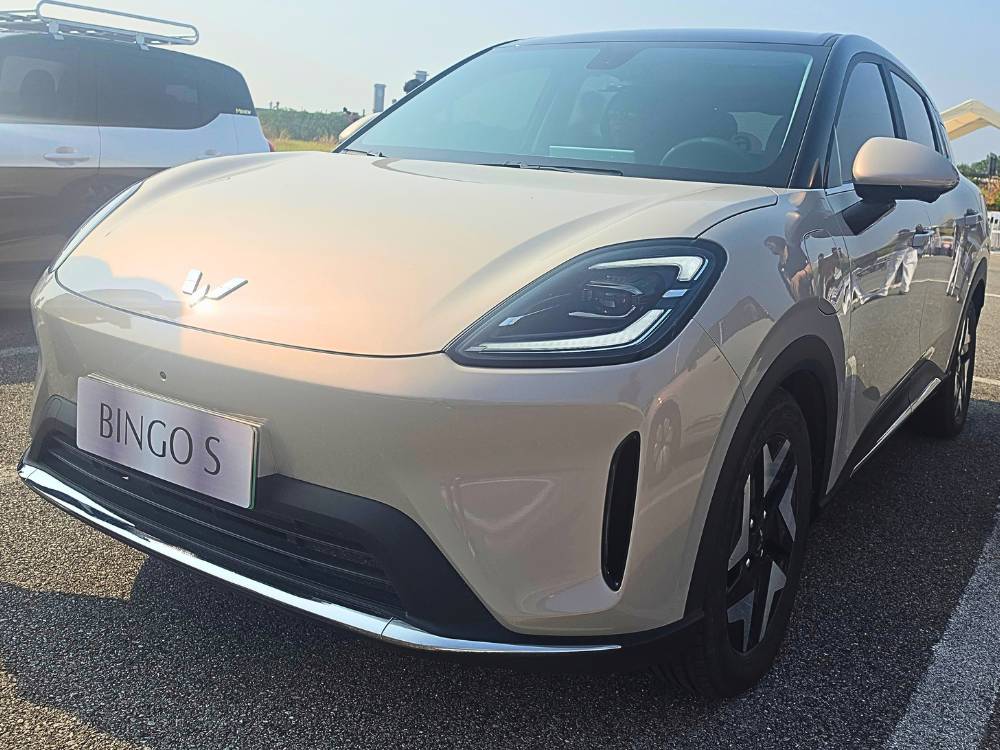
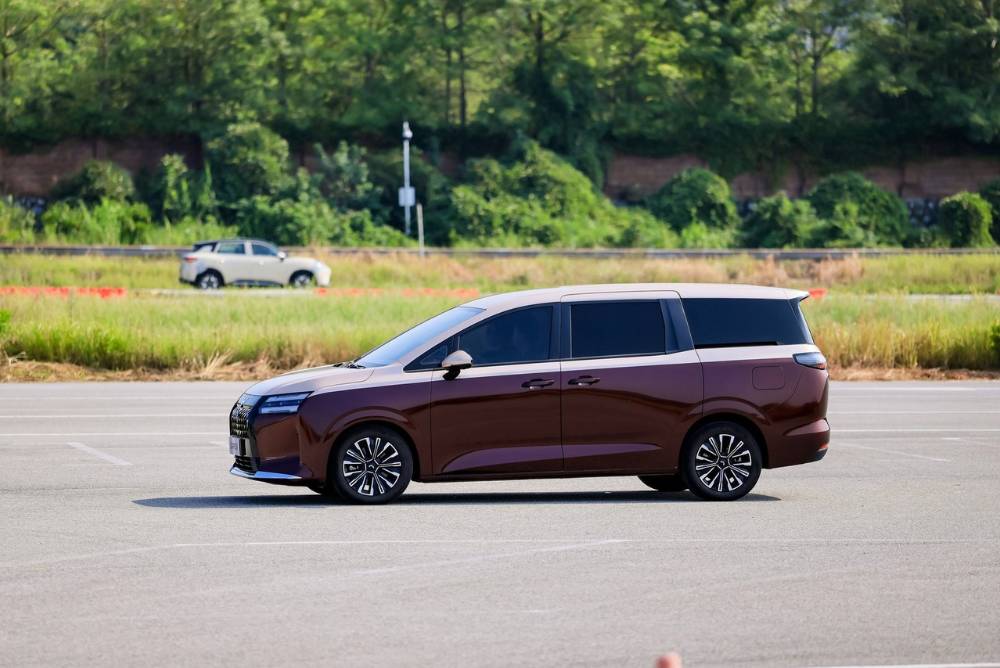
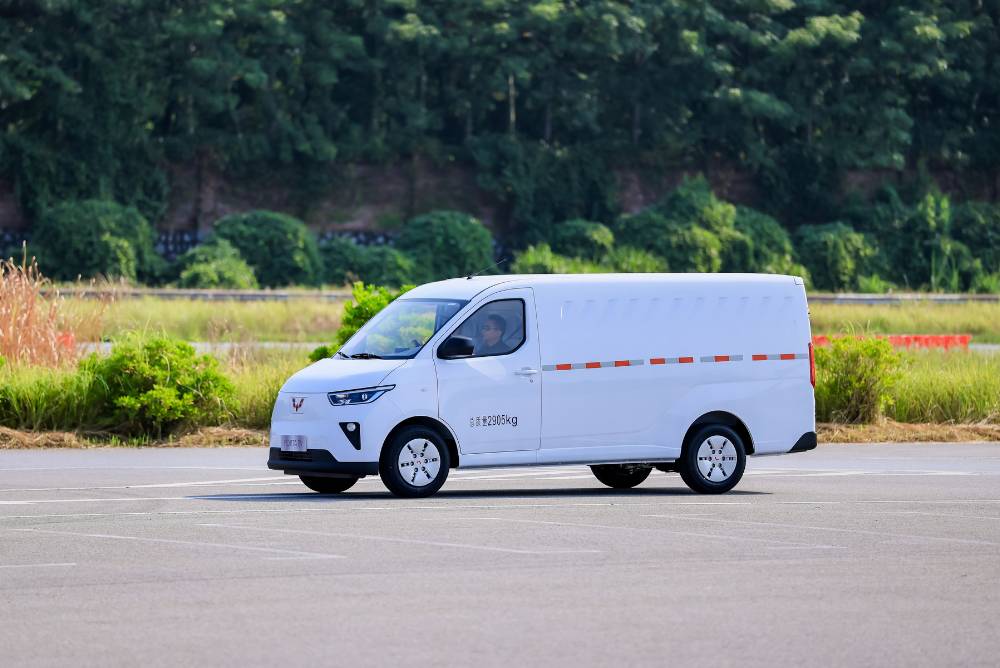
They promised improvements and said they planned to introduce three passenger vehicles and one commercial van in the coming months, while also looking into bringing in PHEVs in the following year.
They are eyeing the launch of the Darion (MPV), the Bingo S EV (crossover), and the Mini EV (ultra-compact hatchback) soon. Meanwhile, businesses might get the Porta EV (van) in the coming months.
SGMW is also considering new avenues such as direct distribution and dealership expansion.
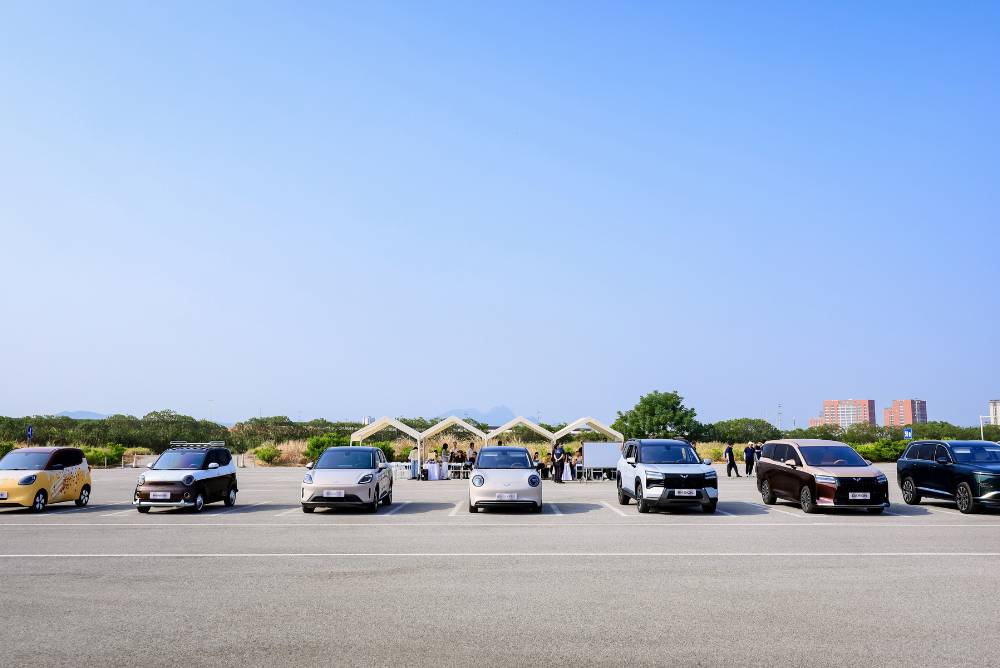
Wuling’s operations might finally get the push it has needed. But with this new approach, can it replicate its success in other countries?




Comments