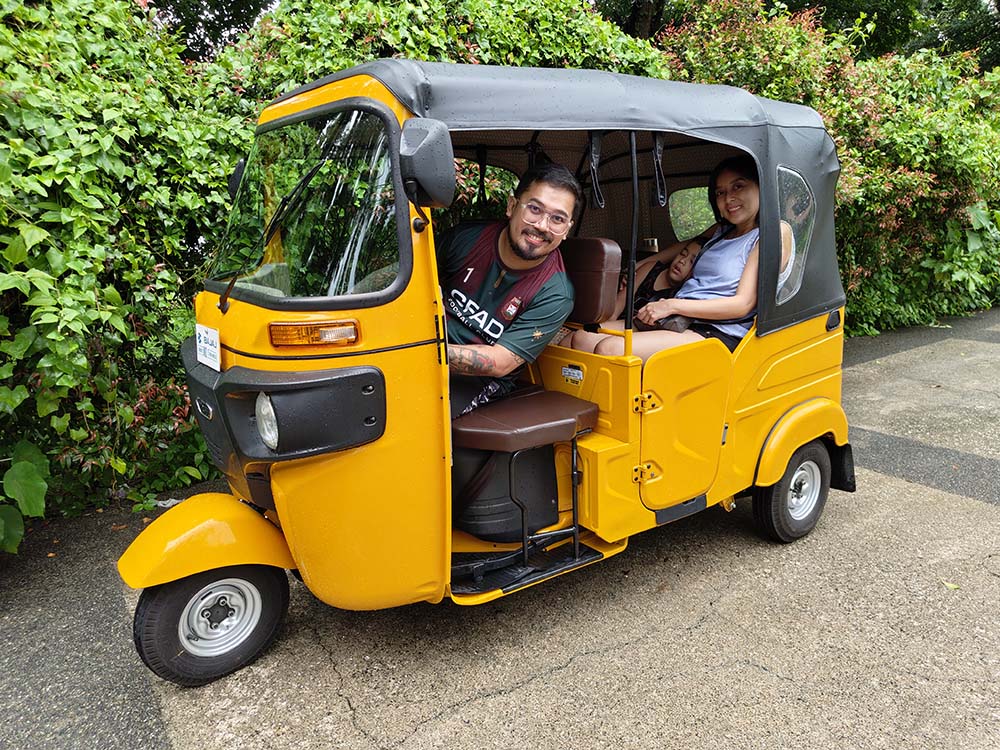

When you first lay eyes on the Bajaj RE, you’re not quite sure what to call it. It’s not a motorcycle. It’s not a car. It’s something in between—and that’s exactly what makes it interesting.
The Bajaj RE is best known for its role in public transport across Asia. In Thailand, it’s called tuk-tuk. In the Philippines, it’s a common sight at tricycle terminals and on city side streets. But what happens when you use one not for business, but as a private vehicle? I got the chance to try it out, and honestly, it surprised me in more ways than one.
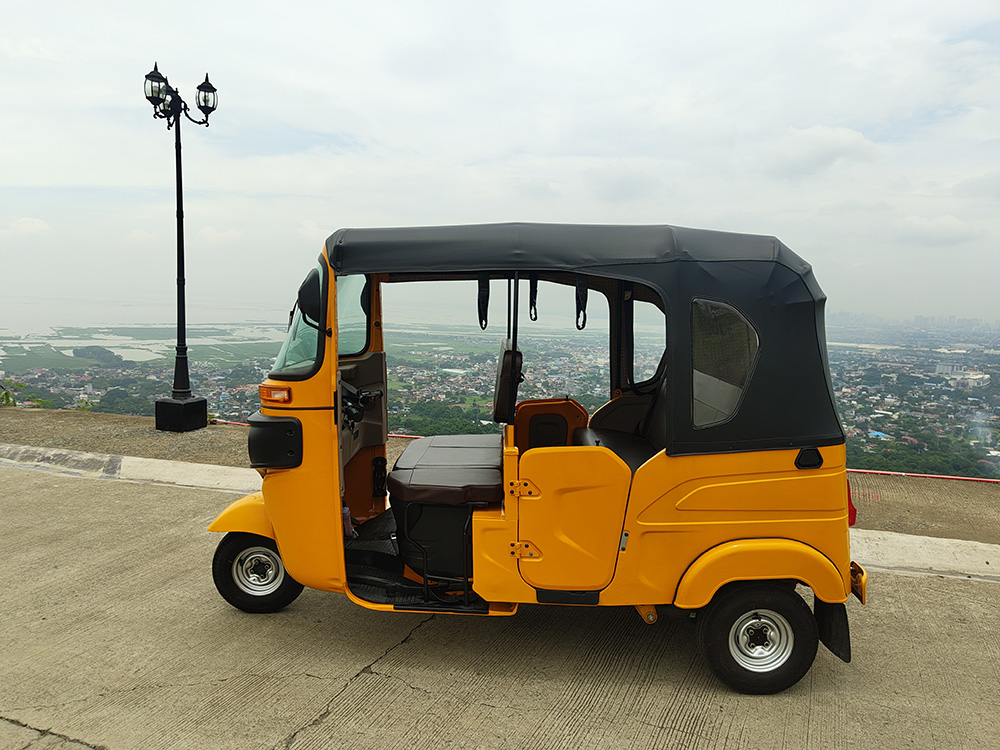
The first thing you notice when riding the Bajaj RE is how familiar it feels—if you’ve ridden a motorcycle before. It felt like riding the iconic Vespa PX, which uses a twist-grip mechanism to shift gears and a foot pedal for the brake. It takes a while to get used to how it works, but once you do, it becomes very easy.
Ideally, it seats four (including the driver), but realistically, it can carry up to six people if you squeeze in. Grocery runs? No problem. School drop-offs? Kayang-kaya. It’s surprisingly spacious inside despite the compact footprint.
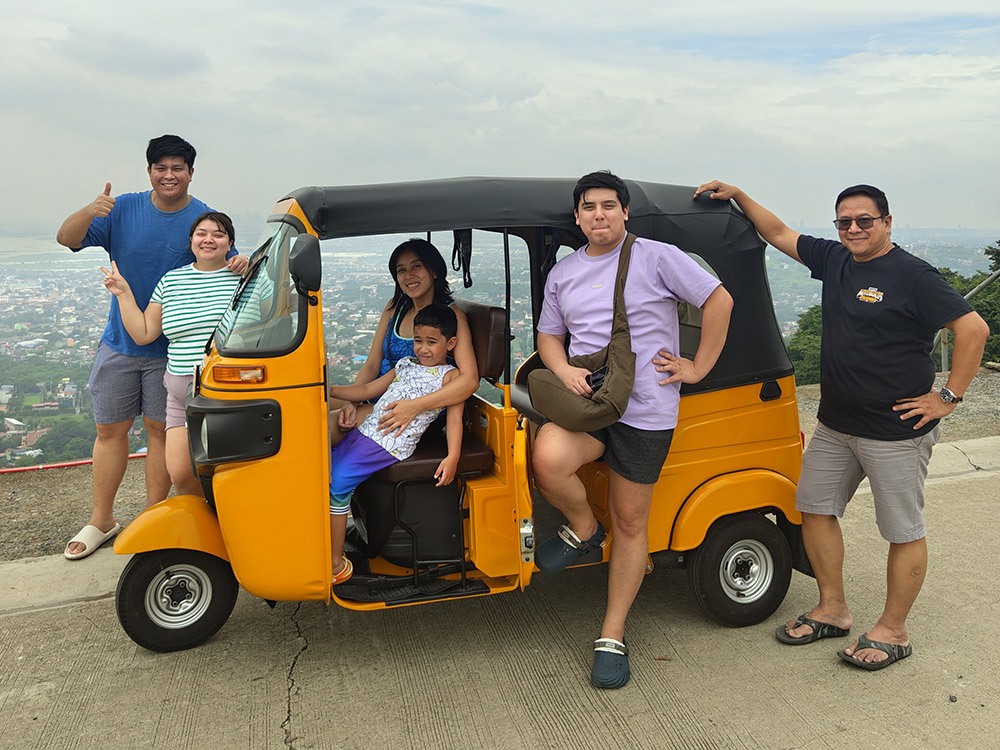
Powering the RE is a 236.22cc air-cooled engine with around 10hp and 17Nm of torque. It is now equipped with a 12V electric socket and a built-in radio. Doesn’t sound like much, but in practice, it pulls confidently through hilly barangay roads and tight city corners. It’s not built for speed—don’t expect to go beyond 60-65km/h—but it’s stable and planted for what it is.
Fuel economy? Excellent. I was getting around 25-30km/L in mixed city driving. With an 8.0-liter tank, you can go about a week on a full tank if you’re just doing short errands or commutes.
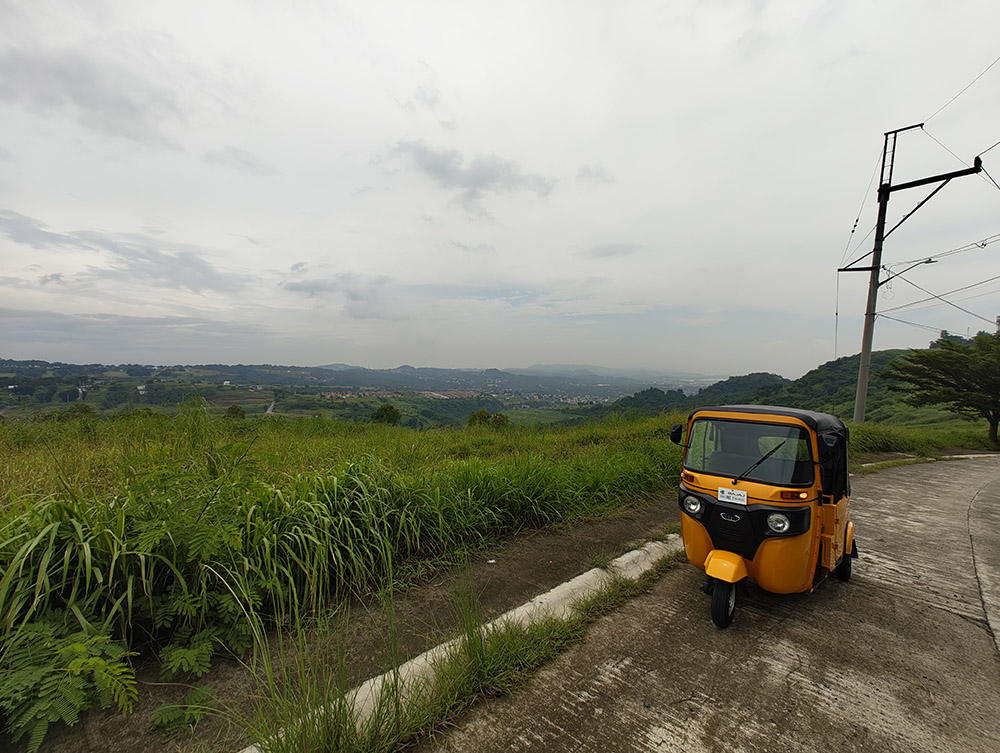
The frame feels solid, the cabin is bare but functional, and maintenance seems simple. It protects you from direct sunlight and rain. There’s a reason this thing thrives in developing countries: It’s genuinely built for daily grind.
However, as much as I enjoyed its practicality, using the Bajaj RE on national roads is…complicated.
Several LGUs have differing rules on whether three-wheelers like the RE are allowed to pass through highways or major thoroughfares. In some cities, you’re free to roam; in others, you’re pulled over, fined, or told to turn around.
There’s also the perception issue. To most people, it’s still a “pang-boundary” vehicle. Expect a few puzzled stares from security guards or when parked next to SUVs. It’s interesting that it’s widely considered as an alternative ‘tricycle.’ Expect some discrimination along the way, as long as it doesn’t bother you anyway.
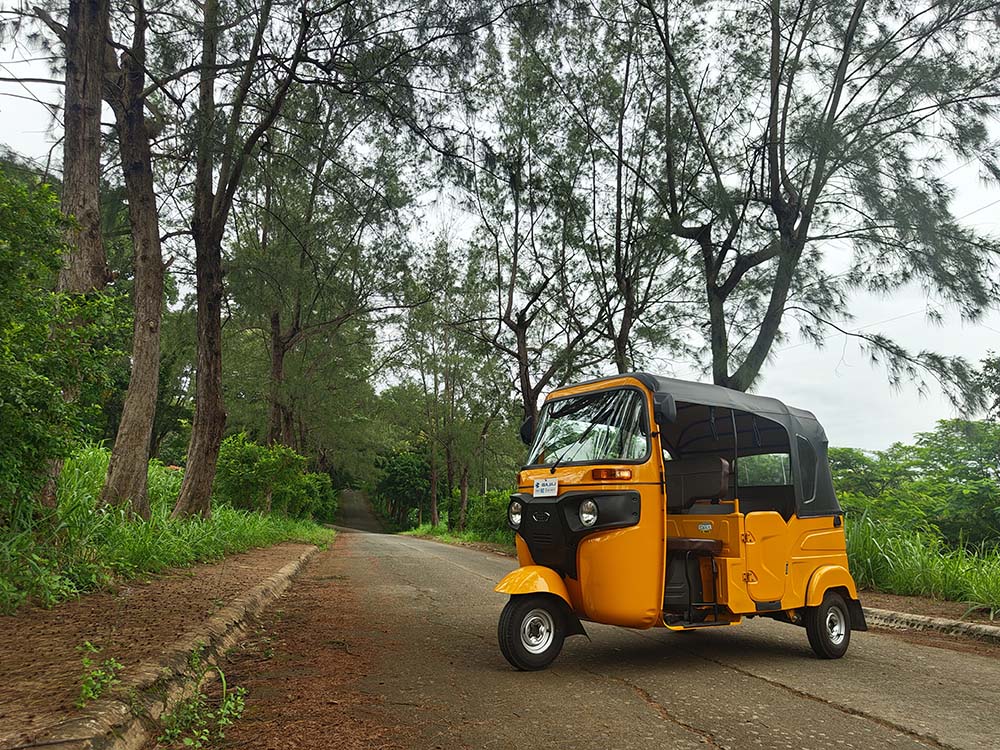
If you’re looking for a cheap, functional, low-maintenance vehicle for short-distance family use, small deliveries, or even just utility errands around your barangay, the Bajaj RE makes a lot of sense. At P203,888 for the standard version, it’s a fraction of the price of a brand-new car, and a little more than most maxi-scooters.
But it’s not for everyone. It’s not meant for highway cruising; it can’t match the comfort of a car; and depending on where you live, it might face road restrictions. It’s not flashy, not fast, and definitely not built to impress anyone.
What it is, however, is incredibly useful. For the right kind of owner—someone practical, budget-conscious, and not too concerned with appearances—the Bajaj RE hits the sweet spot between form and function. It’s weird, and it’s wonderful.



Comments