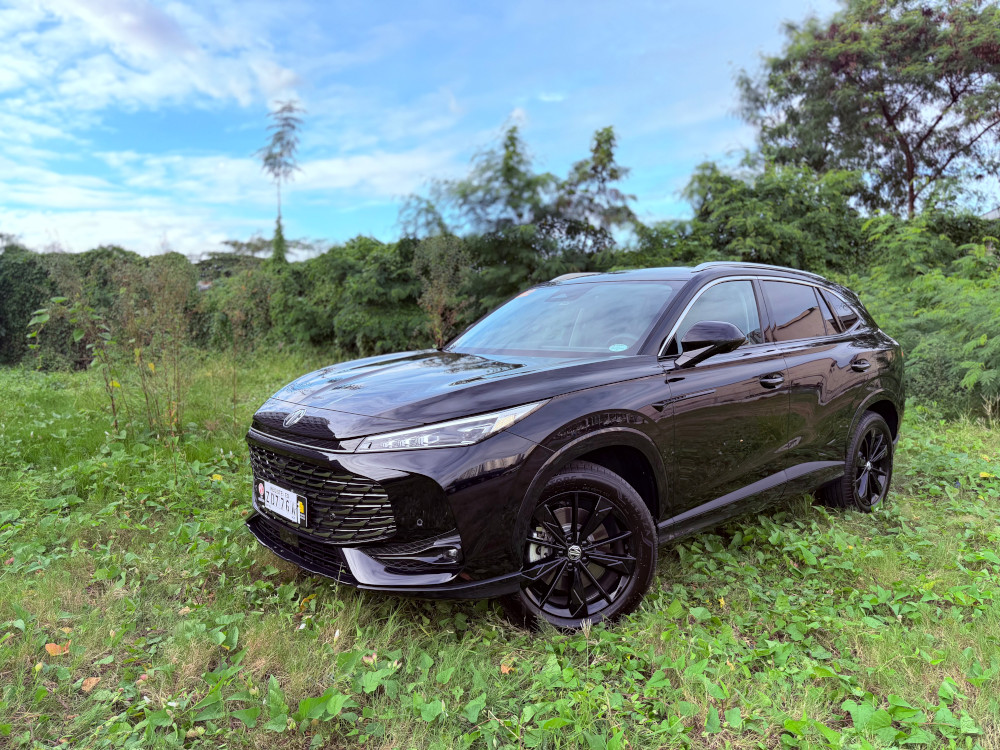

Walk through Bonifacio High Street and you’re bound to notice the sales pavilions of MG Philippines and the huge Union Jack flags adorning them. Which is a bit weird, because the MGs of today are about as British as a German sausage. It’s double weird if you’re European and remember that British cars of old didn’t exactly have a reputation for being well-built or reliable. I’ve had a few, so I can say that with some confidence. The likes of Bentley and Rolls-Royce historically excluded, the old joke “It’s not broken…it’s British” didn’t come from nowhere.
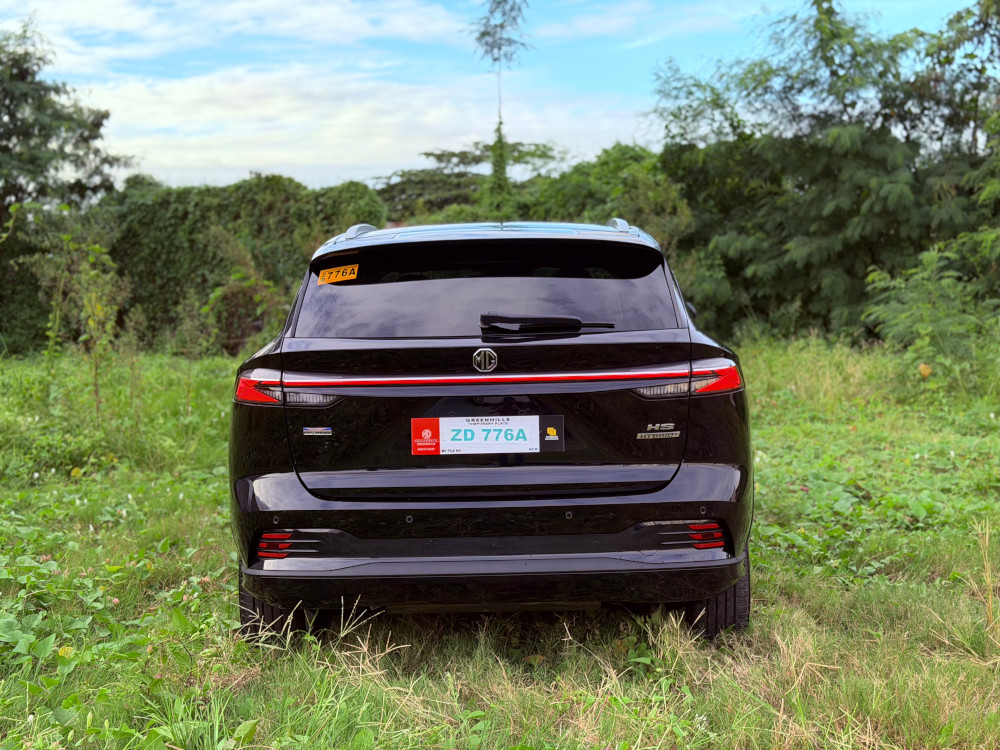
But the MG HS Hybrid+ isn’t British. It’s Chinese, and in this context, that’s a good thing. The British appearance is a marketing ploy, an attempt to associate the brand with the old-fashioned view of Britain that only people far away from the rainy island still hold. An impression that the United Kingdom is still a country where ladies and gentlemen drive their motorcars to the local country club on a Sunday afternoon to enjoy tea and scones while using words like “spiffing” and “old chap” a lot. That Britain, like the MG of old, has ceased to exist a long time ago. The new MG is powered by SAIC and an entirely Chinese affair.
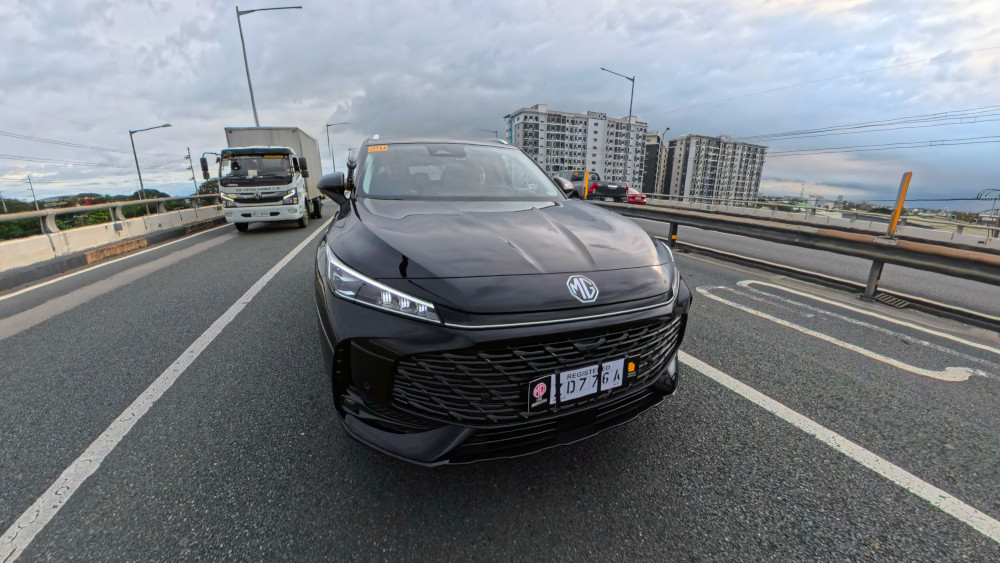
For a mere P1,398,888, you get a compact crossover hybrid SUV with 221hp and 340Nm of torque that can go over a claimed 1,000km on one tank of fuel; has a five-star Euro NCAP and ANCAP safety rating; and up-to-date driver assistance systems. It’s hard not to be impressed by the numbers alone—but numbers only tell half the story, which is why we drove it for a few days to see what it’s like to live with.
If this car had been sold by the original MG of the past for today’s sticker price, it would likely have been missing some crucial bits; the engine might or might not have worked; and you would have received a tube of superglue with your order to stick any parts back on (which would inevitably have fallen off). Because the HS Hybrid+ wasn’t built by men in sheds in between countless tea breaks, nothing did fall off or even rattle during our test.
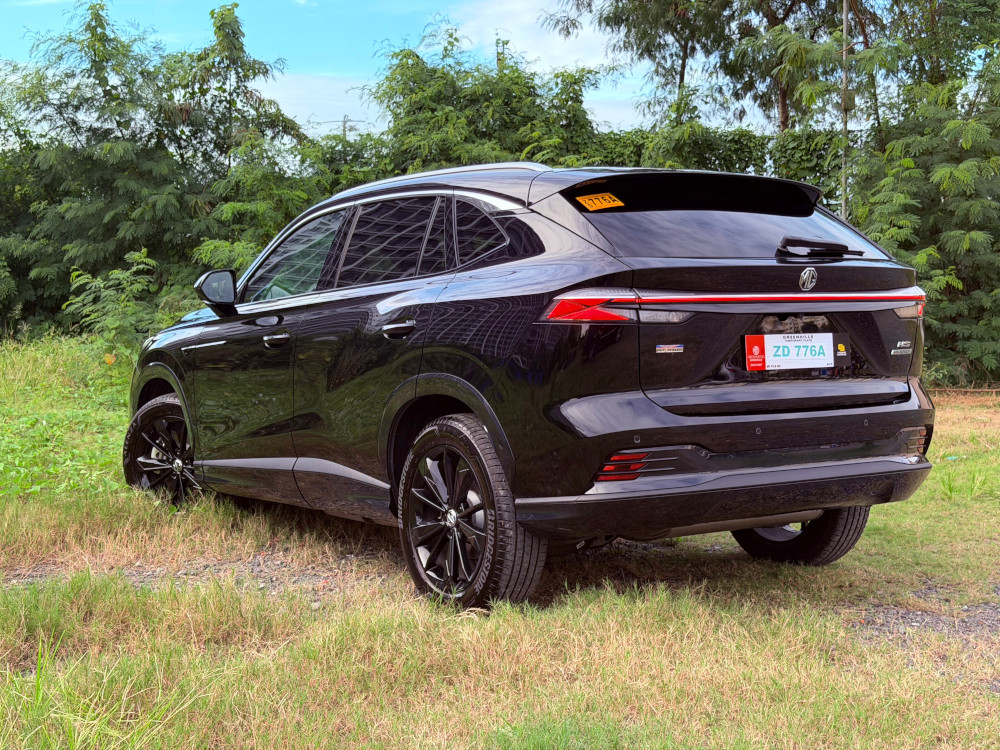
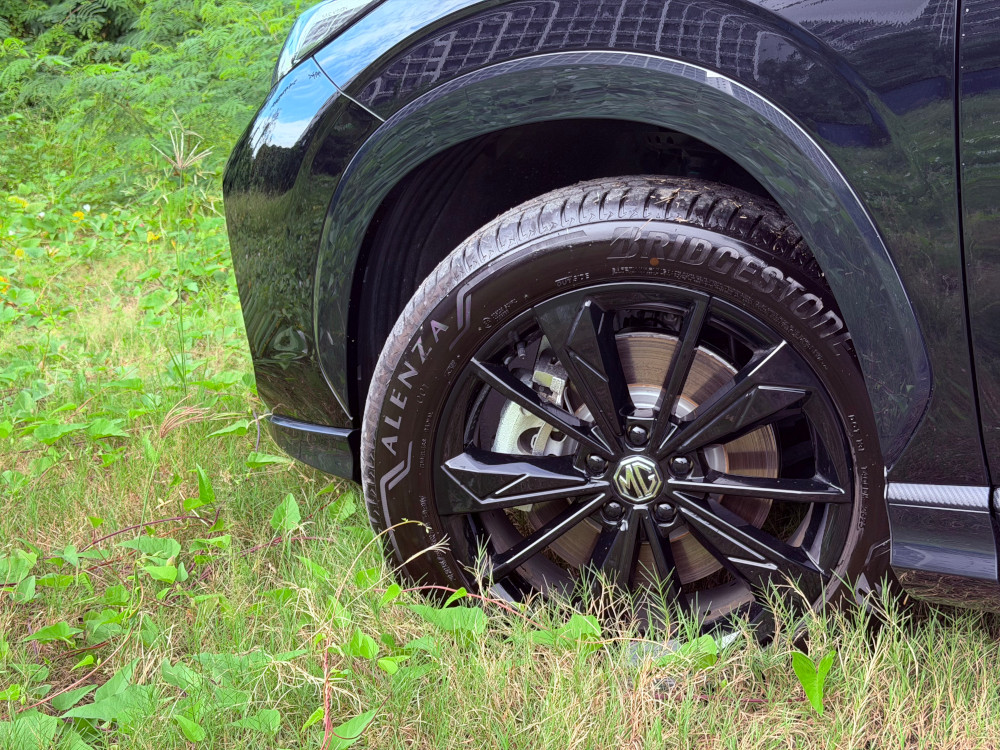
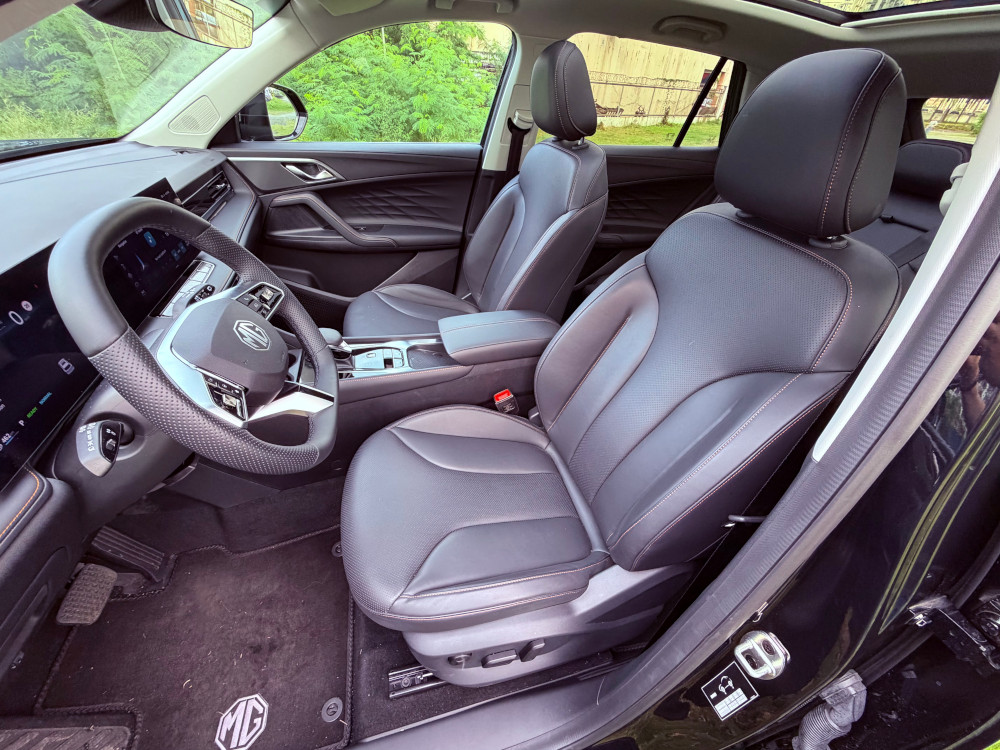
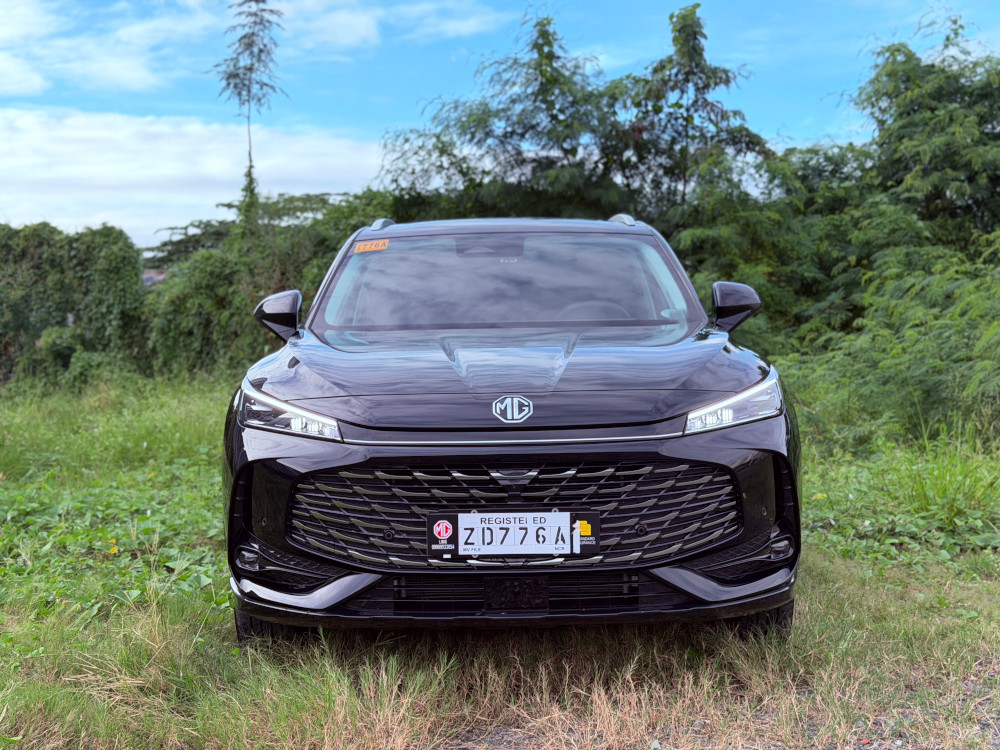
It even passed my usual pull-squeeze-and-push test where various parts of the interior get a good German once-over that would make any MG sales manager nervous. No squeaky plastic; nothing looks or feels cheap; and only a slightly loose glove compartment lid caused a mildly raised eyebrow. It pains the German in me to say it, but this thing squeaks less than a Mercedes-Benz C-Class.
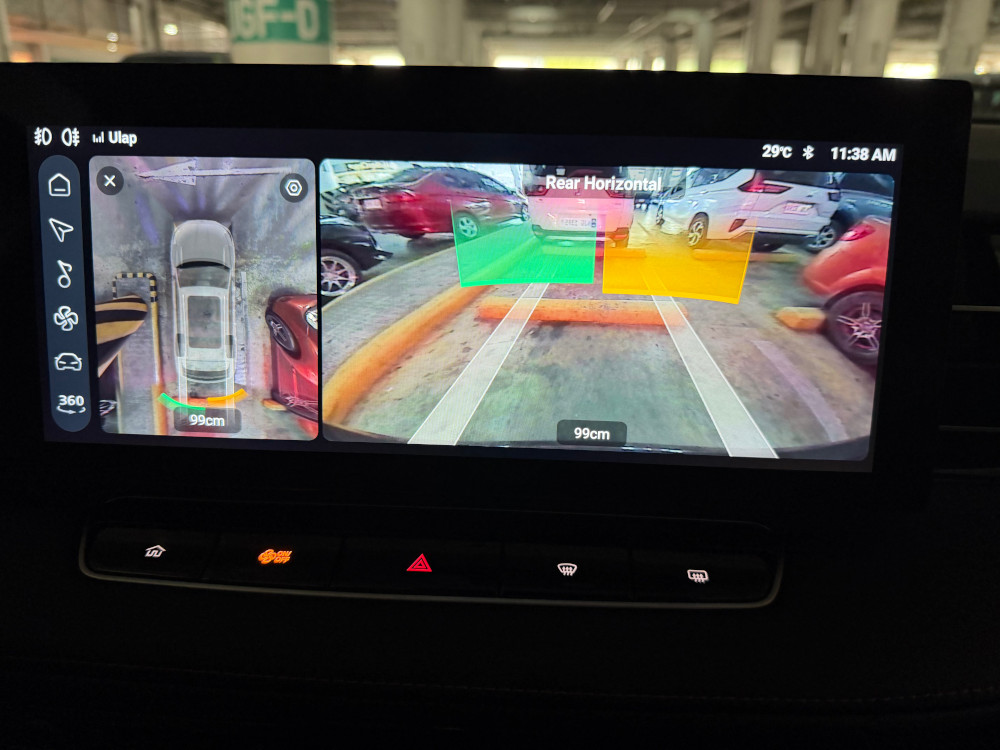
The one thing I kept thinking about while driving it for the week was the price. Less than P1.4 million. For all this…for a decent-looking car with loads of space front and back (even for people my size); a massive electric panorama glass roof; a stereo that passed the wife test (a crucial car-buying decision factor, trust me); driver-assistance gizmos including dynamic cruise control and lane-holding that worked well; a crystal-clear 360° view and rear camera; a power tailgate with a kickplate; ice-cold air-conditioning; wireless phone charging…and more.
It’s just such a lot of car for the price. Granted, there’s no way of knowing how resale values will develop, but if you’re planning to just drive it as a family car for a few years, you could certainly do worse. It even comes with a seven-year vehicle warranty and an eight-year battery warranty, both with unlimited kilometers—plus, free first PMS and five years of roadside assistance.
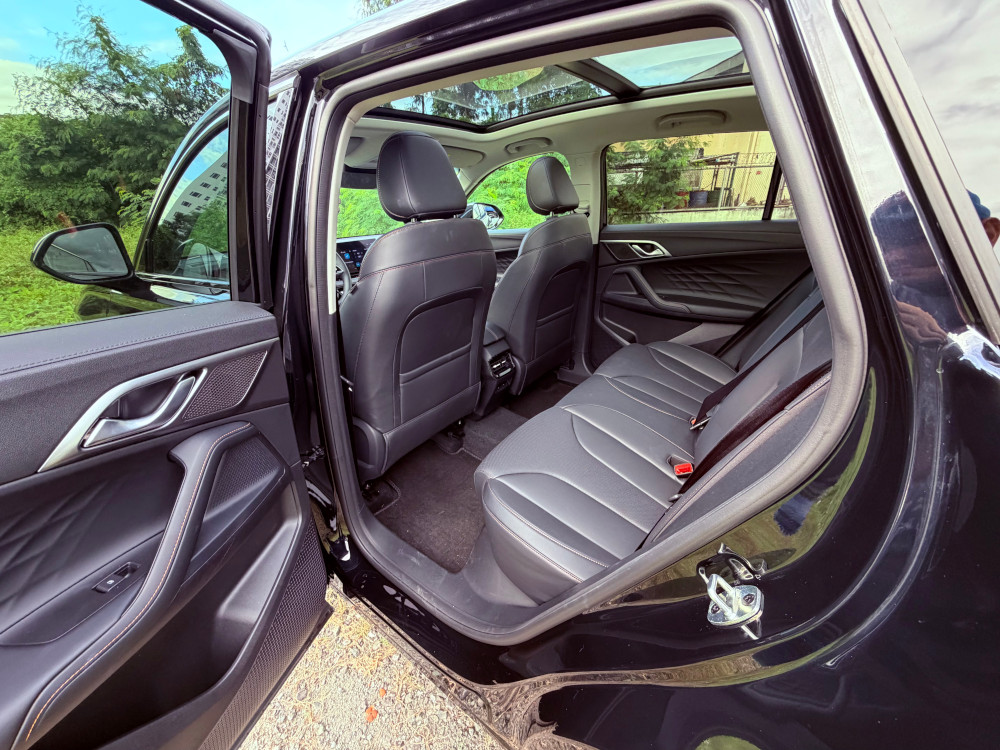
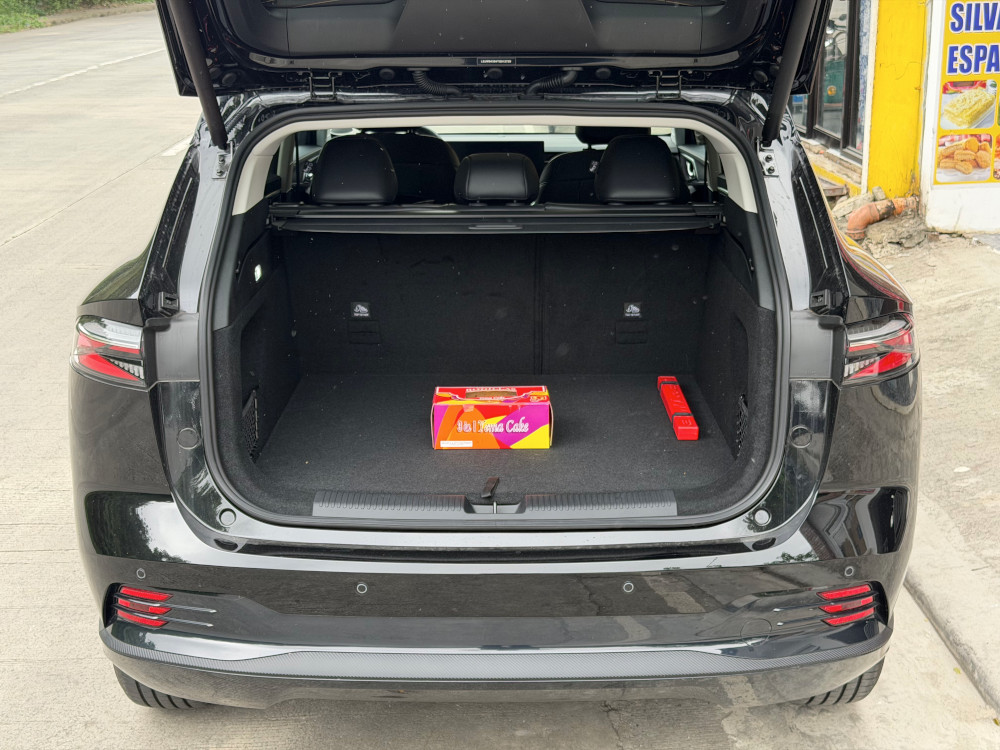
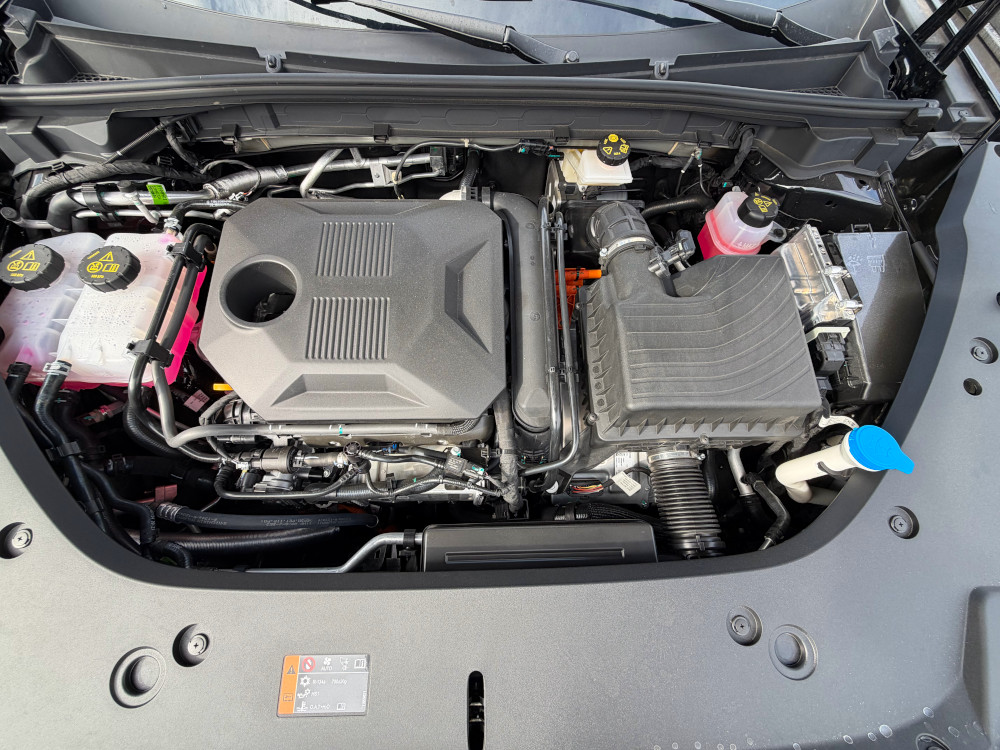
If you leave it in comfort mode, the driving feel is more on the softer side, which isn’t necessarily a bad thing around here. From EDSA’s potholes to the more wavy SLEX bumps, the MG did a good job keeping things relaxed on the inside. It does have a sport mode as well, and even without engaging it, the hybrid drive train has no problems shifting the roughly 1,750kg crossover SUV with added haste if needed. The electric part of the drivetrain does its thing on those occasions, helping the 1.5-liter turbocharged four-cylinder engine along with the usual rubber-band acceleration that makes EVs and hybrids so much fun.
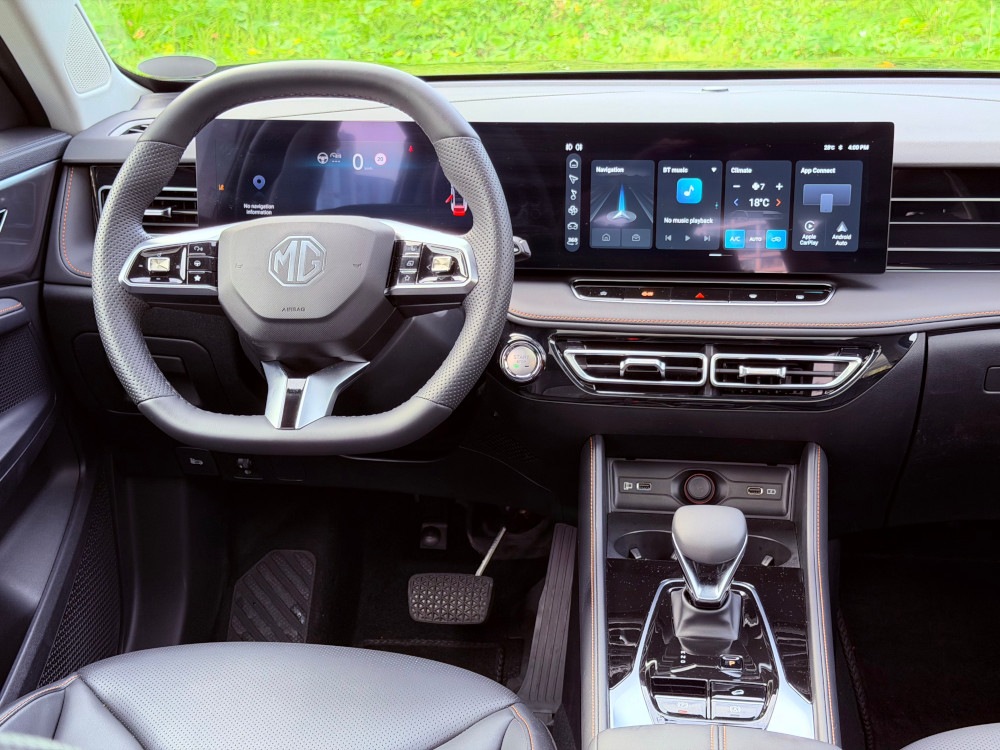
Things we didn’t like were very few. The touchscreen infotainment system could be a bit more responsive, and not being able to change the music volume (or at least not easily, and I looked everywhere) from the passenger side has husband-and-wife conflicts preprogrammed. While riding shotgun, I can tolerate her choice of music up until a certain noise level when I then try to surreptitiously lower the volume to a more tolerable level while she’s not looking. No such luck here. It was “TikTok Philippines Playlist 2026” on full blast all the way to Calamba.
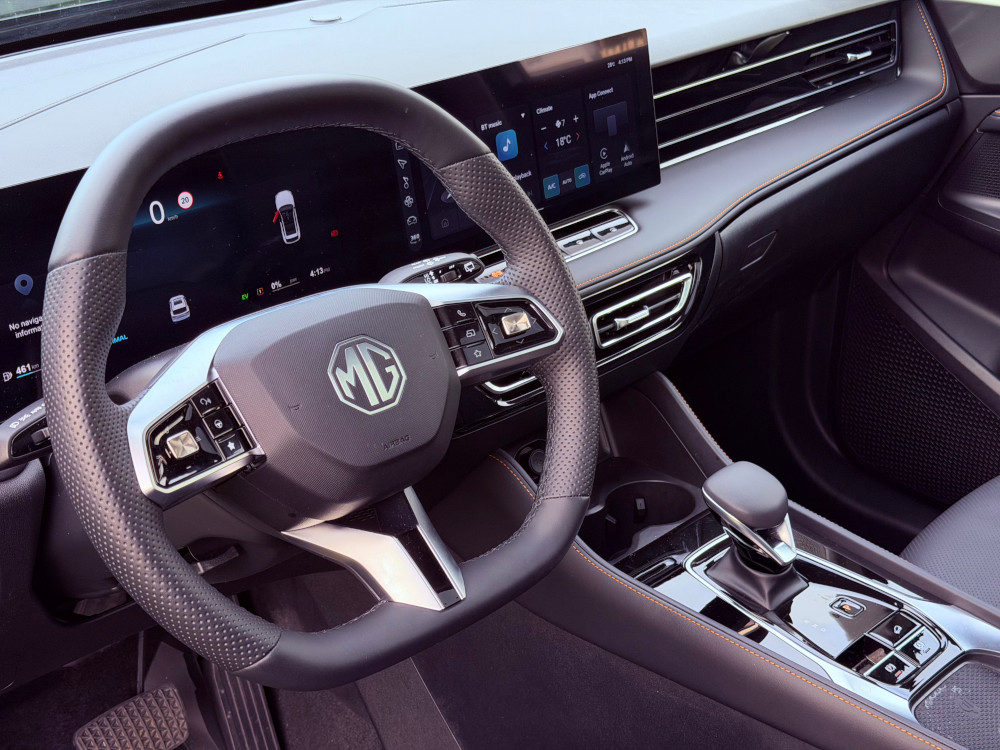
Also, having to use the touchscreen to adjust the driving modes (rather than having physical buttons next to the gear selector) is not ideal, even if the menu was easy to find and use. Connecting your phone was painless, thanks to Apple CarPlay and Android Auto—so no issues there.
This was my first proper taste of the modern MG, and it certainly left a positive impression. Decent looks, plentiful features, and good build quality based on what we saw make the HS Hybrid+ seem like a noteworthy value-for-money proposition in its segment. Having SAIC Motor—one of China’s Big Four manufacturers—behind it helps as well, and ensures that the brand won’t just disappear again if Dave from accounting gets the budget wrong.
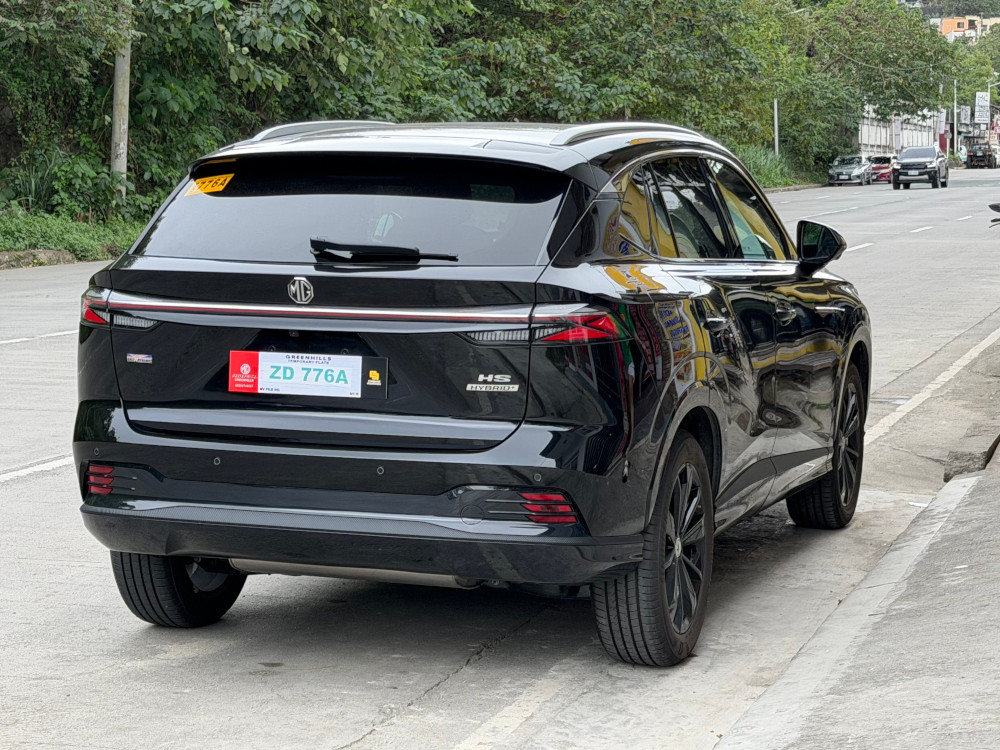
So, what about the British angle of the brand? Well, there’s no harm in reminiscing, I guess—an activity Brits themselves love to indulge in. In addition, there’s still a little bit of that general Cool Britannia vibe around (no doubt about it). Would the HS look good outside Buckingham Palace and be welcome at a British country club? Maybe. One thing I can definitely say: The MG is more Jeremy Hackett than Mr. Bean, and that, old chap, is rather spiffing.



Comments