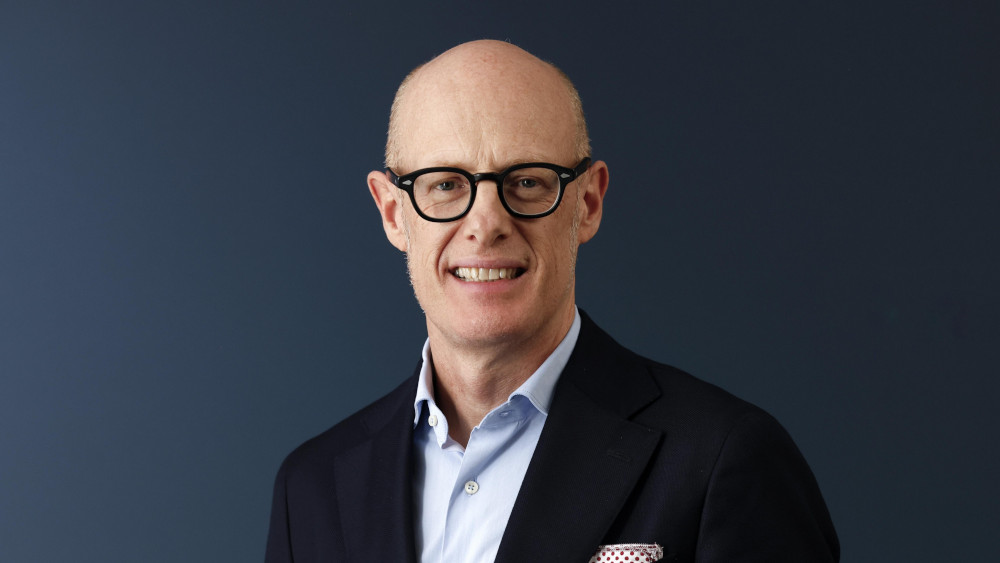

Porsche has finally found a new boss. After years of controversy surrounding his double role, Volkswagen Group CEO Oliver Blume will step down as head of Porsche, making way for Dr. Michael Leiters, the 54-year-old German engineer who until recently led McLaren Automotive and previously served as chief technology officer at Ferrari.
According to a press release by the company, Leiters will officially take the wheel in January of next year, and has already been approved by the supervisory board. It’s a long-anticipated leadership change that brings hope to the iconic sports-car maker, and more than a bit of frustration that it didn’t happen sooner.
For Porsche insiders, Leiters isn’t just another executive parachuting in from the outside. He knows the brand intimately. Between 2000 and 2013, he held various roles at Porsche, including serving as assistant to then-CEO and management legend Wendelin Wiedeking, one of the most influential figures in the company’s modern history. Those who worked with him describe him as technically sharp, disciplined, and pragmatic—the kind of engineer who speaks both the language of design and the dialect of production.
His enviable career path reads like a highlight reel of the world’s top performance car brands and includes stints at Porsche, Ferrari and McLaren. At Ferrari, he was instrumental in hybrid technology development. At McLaren, he tried to modernize a company struggling to find its financial footing. That experience—combining deep technical knowledge with luxury brand positioning—makes him a natural fit for Porsche’s next chapter.
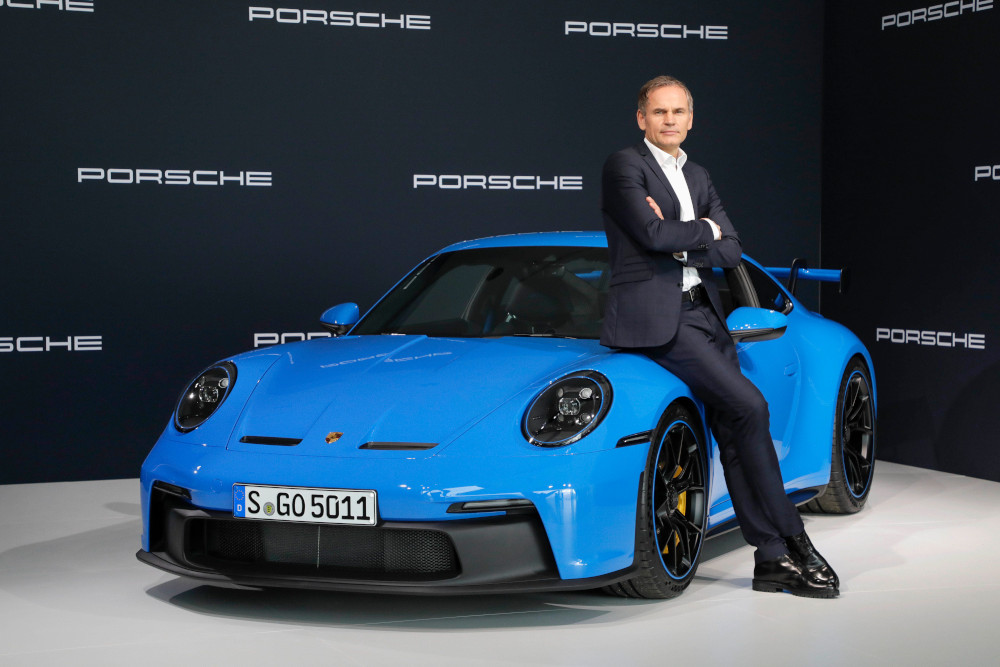
Blume’s departure as Porsche CEO ends one of the strangest leadership experiments in the automotive world, and you could say he was doing a bit of a Carlos Ghosn (sans the arrest and the escape in a box): running two major, publicly listed car companies at once. Since 2022, he has been both Volkswagen Group CEO and Porsche CEO, a dual mandate that was meant to foster synergy but mostly created confusion and criticism.
Analysts, investors, and even Volkswagen’s own labor leaders had long warned that the arrangement was untenable. “The VW boss cannot be a part-time CEO in Wolfsburg and the rest of the time at Porsche,” one union leader famously said in the German media. That sentiment echoed throughout the industry. Running Volkswagen, with its sprawling structure and urgent need for restructuring, is a full-time job on its own.
To his credit, Blume did manage to start some overdue changes at Porsche before his exit: tightening costs, refreshing the management team, and scaling back overly ambitious EV targets after the company was forced to slash its profit forecast multiple times this year. But those moves also highlight how long the problems had been left to fester. The timing of this leadership handover is crucial. Porsche’s golden era of record profits is over. Demand from China and the United States has softened, and the brand faces a tough balance between maintaining its performance identity and meeting stricter emissions and electrification demands.
Internally, “crisis talks” are already underway between management and labor representatives, with staff reportedly being told to expect smaller bonuses. Shareholders aren’t thrilled either. Porsche’s market valuation trails far behind Ferrari’s, even though the Italian brand’s revenue is just a fraction of Stuttgart’s. The new CEO will inherit a company under pressure to reignite excitement and profitability without losing the essence of what makes a Porsche, well, a Porsche.
Leiters’s appointment, insiders say, represents not just a generational change but a philosophical one. Porsche’s board has been quietly replacing long-tenured executives with younger leaders, preparing for a new era. Now it will have someone at the top who understands both the engineering soul and the financial expectations of a modern luxury brand. He will also have to repair what years of divided leadership have broken, restoring clear direction, rebuilding internal morale, and steering the brand through one of its most uncertain transitions.
It’s hard to shake the feeling that this should have happened years ago. The double CEO setup never made sense, and the resulting inertia cost Porsche valuable time in a rapidly changing market. But if anyone can put the 911 maker back on track, it might just be the man who helped shape its DNA two decades ago.

Comments