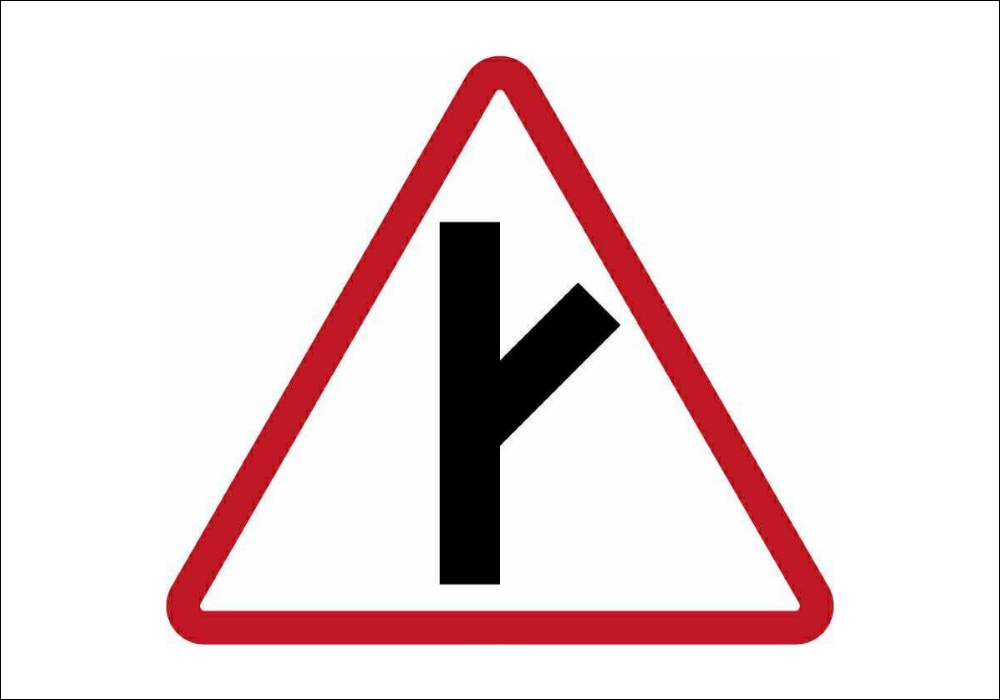

In the event of a road closure or when two lanes end up merging into one, the zipper technique ought to be the default action. This, however, doesn’t seem to be common practice yet for some. Perhaps public awareness plays a big part in why this doesn’t come as a natural tendency for the driving populace, when it very well should.
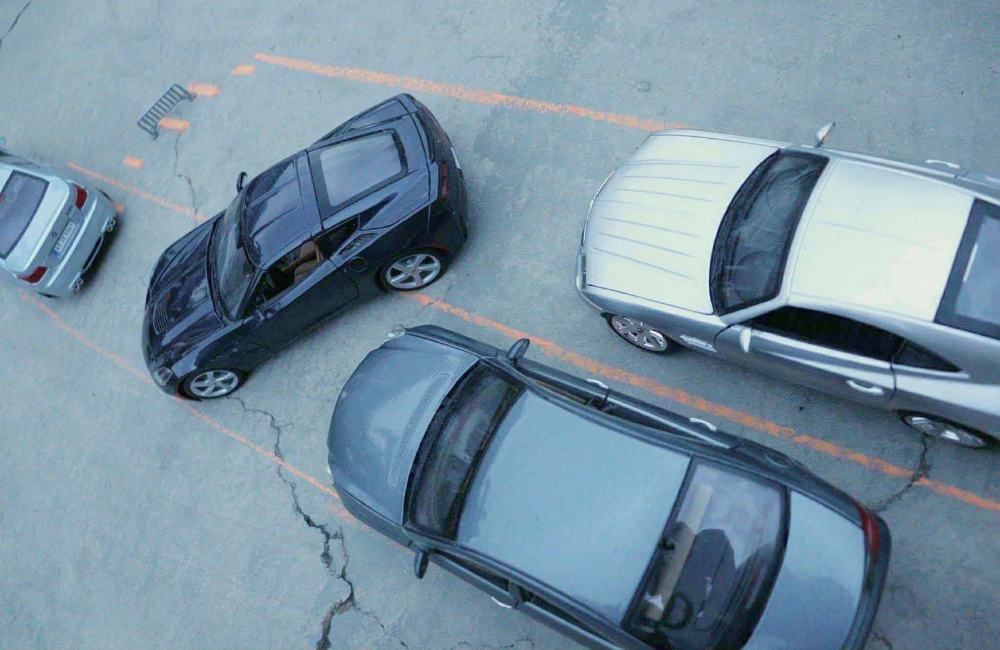
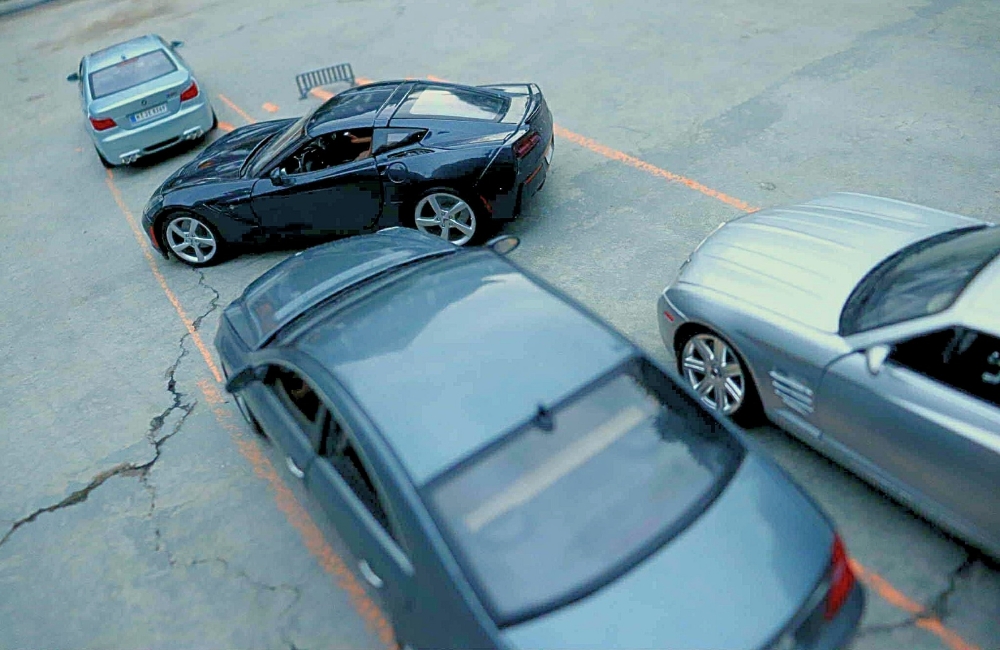
The zipper technique allows a fair, organized, and predictable way to move traffic along. It also propagates showing courtesy. It makes giving way the opening action point, instead of showing aggression and accelerating to get ahead first.
Practicing this method benefits all motorists involved in more ways than one. According to the United States Department of Transportation, this type of merging system cuts down travel time by a whopping 40%. At the same time, it homogenizes speed, which will result in much safer passage. Zipper merging reduces congestion by allowing the usage of all existing lanes in order to merge only at the exact choke point.
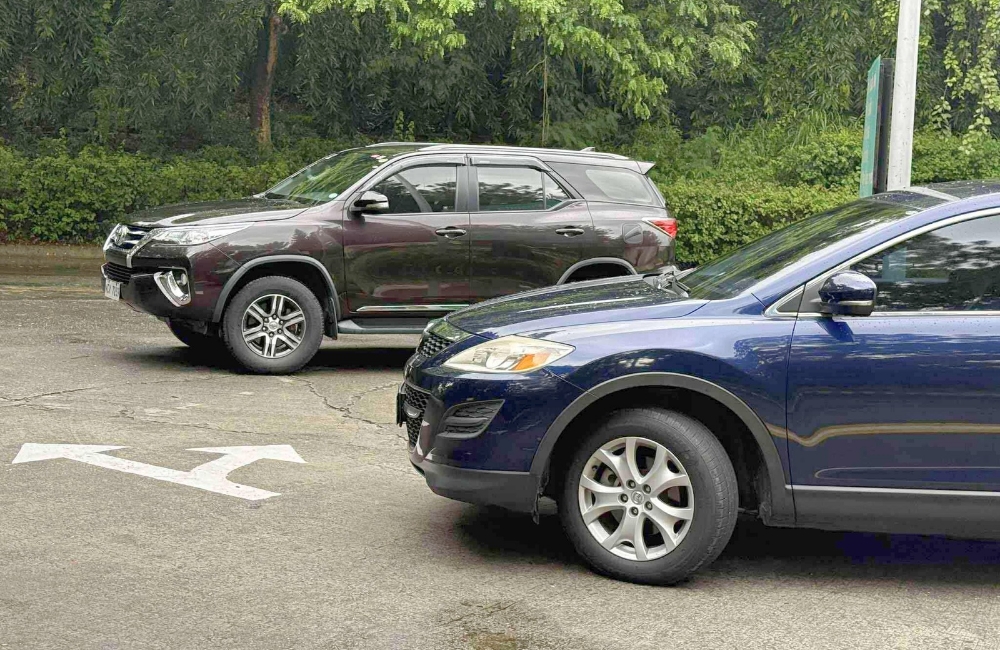
Apart from the structural and logistical benefits, the zipper technique resolves a multitude of internal and psychological issues as well. It alleviates stress due to its predictable pattern and flow of traffic. In addition, it’s noiseless. There would be almost no need to slam the horn on anyone for as long as the movement is running smoothly and all are earnest in following the pattern. Catch the drift and be considerate about the rhythm and the flow.
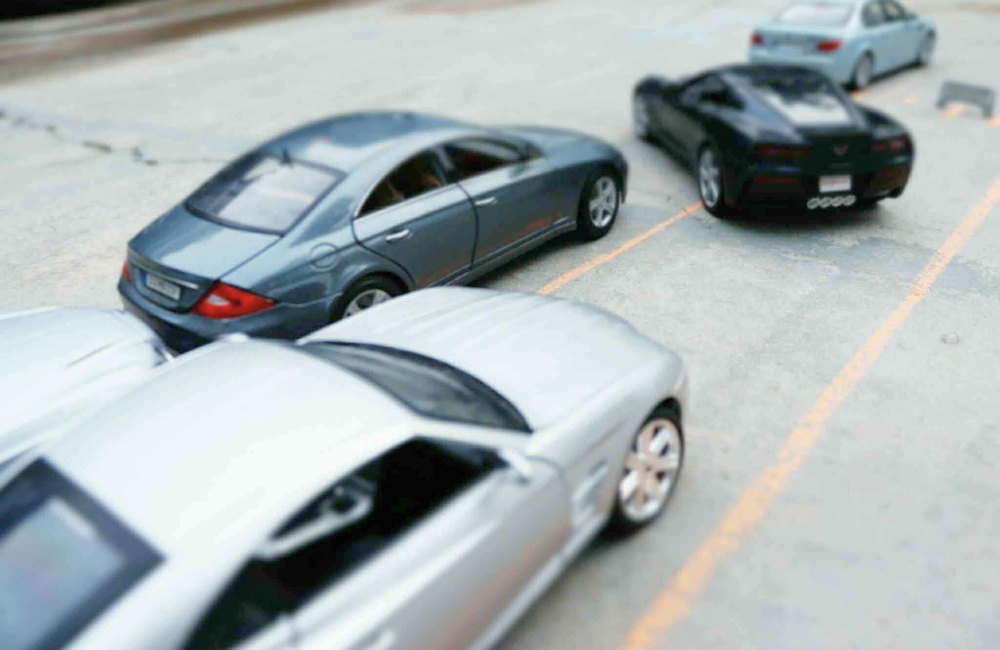
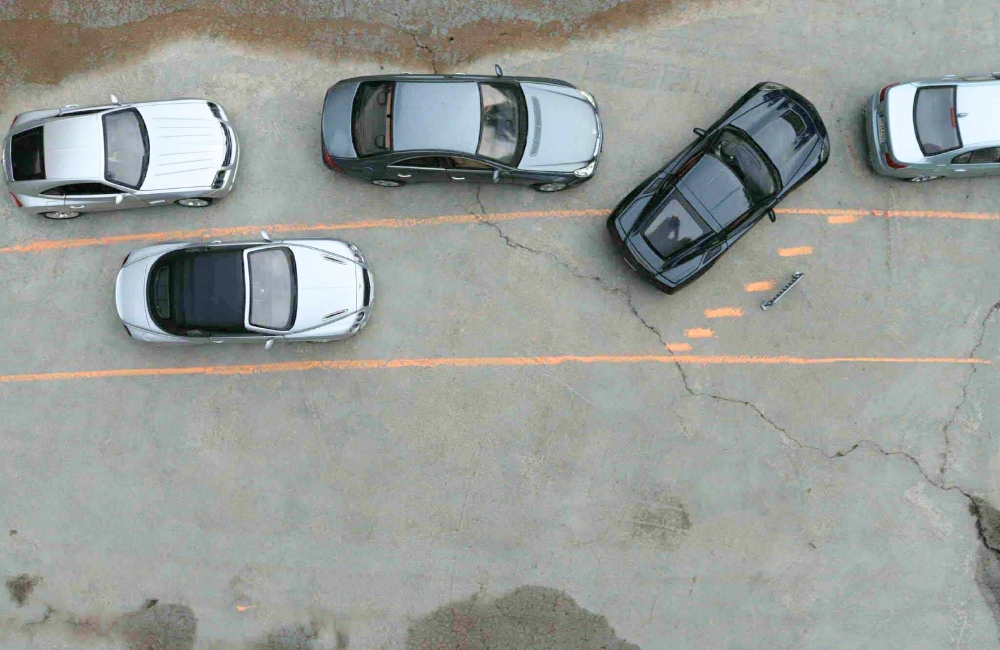
It provides a sense of fairness for all as each driver is given an equal opportunity, taking turns in passing through the bottleneck point. Road rage would be out of the equation, and so would the need for an overbearing presence of traffic law enforcement, at the very least, when it’s just two lanes merging into one. We probably have yet to test this on a multilane situation. But what’s not to love about a polite and fair way of dealing with one another?
As the zipper system is almost idiot-proof and orderly, there are still a few points to remember. One of them being not to merge too early. Merging beforehand actually adds to more traffic as it complicates the rhythmic flow. It’s recommended to begin to fuse late—only at the chokepoint—to maximize its dynamic effect and avoid rear-end crashes.

The zipper technique is a good practice. It’s a system that proves that giving way and putting the other guy first will surely benefit you over prioritizing yourself. Selflessness aside, it’s proven to be a very efficient and orderly way to get through a bottleneck situation.




Comments