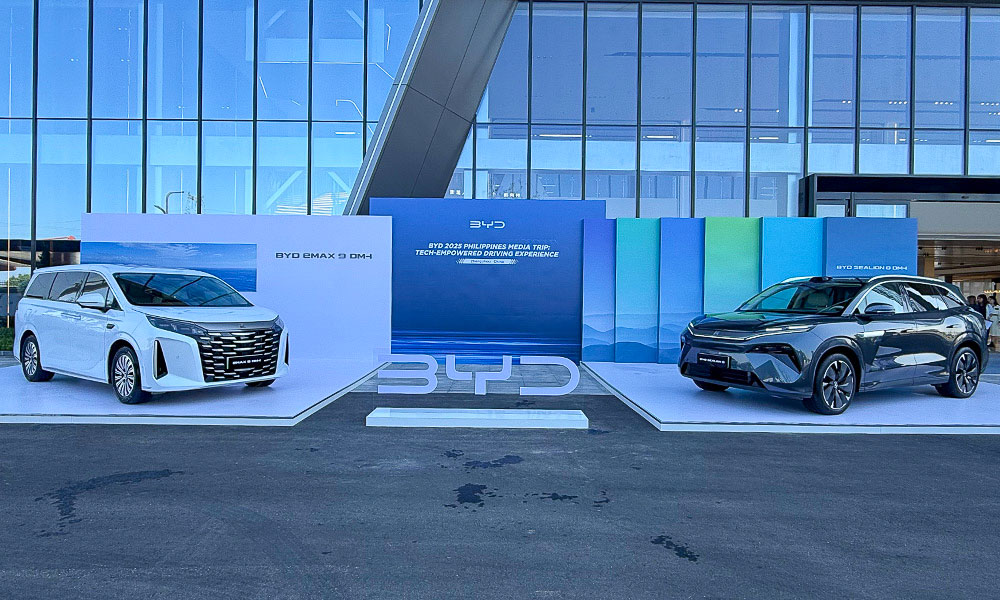

The popularity of a Chinese carmaker appears to be cyclical. Over the last five years, we’ve seen Sino brands gain popularity, only to lose momentum after introducing one or two highly marketable models.
Lately though, another carmaker has been making waves in the local automotive scene: BYD. This is a far cry from the brand’s beginnings in the Philippines, where the previous distributor introduced it to the country with the F3 sedan, a reverse-engineered version of the ninth-generation Toyota Corolla.
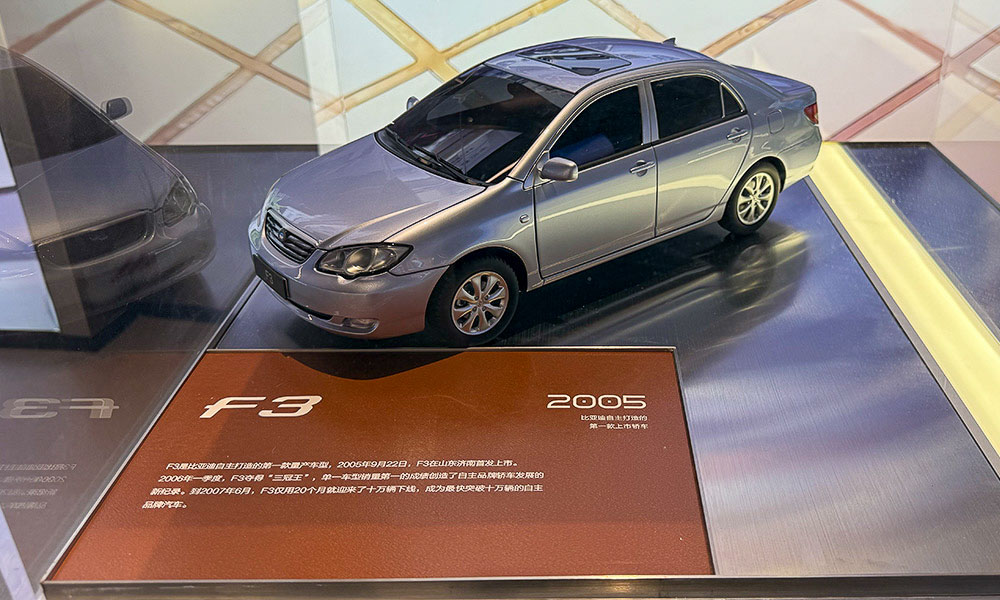
BYD was the first automaker to have an all-electric vehicle lineup in a time when people were skeptical about both electric vehicles specifically and Chinese-branded carmakers in general. However, it began to receive positive press when ACMobility, Ayala Group’s mobility provider, acquired distributor rights approximately two years ago.
Since then, BYD has introduced segment-busting models, making it arguably the most popular Chinese car brand in the country today. But this success story is more than just the change of local partners.
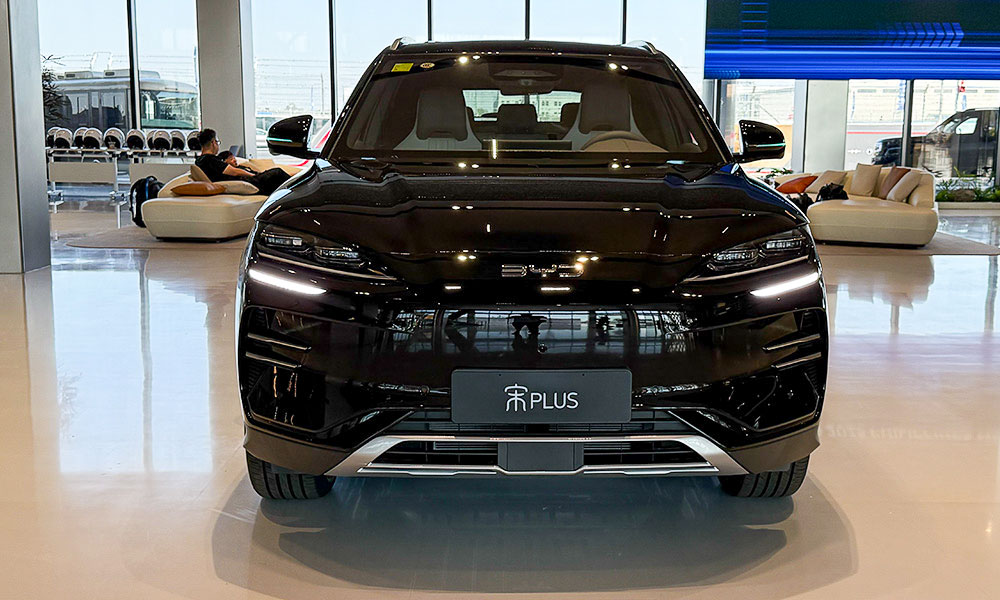
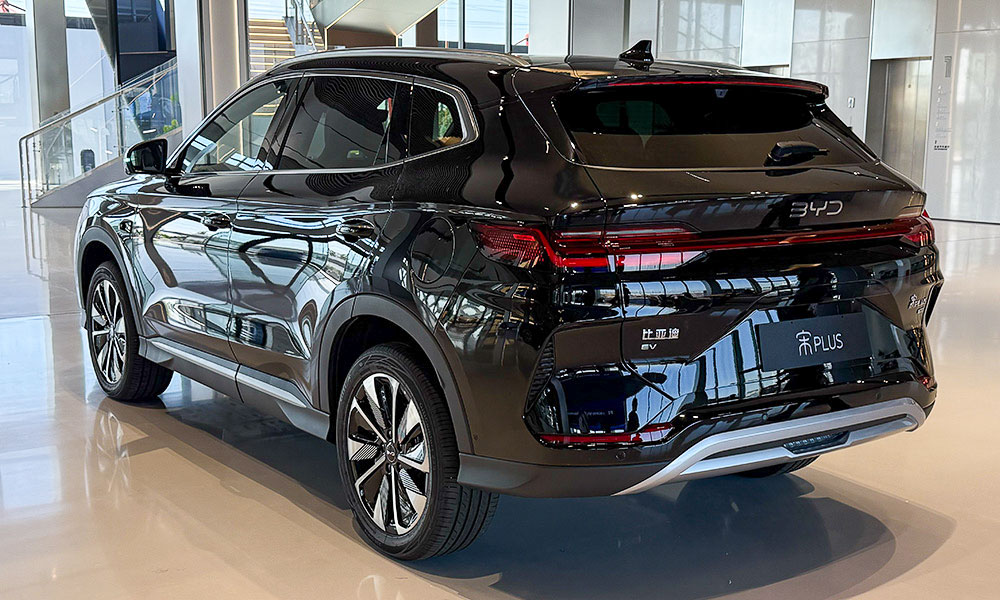
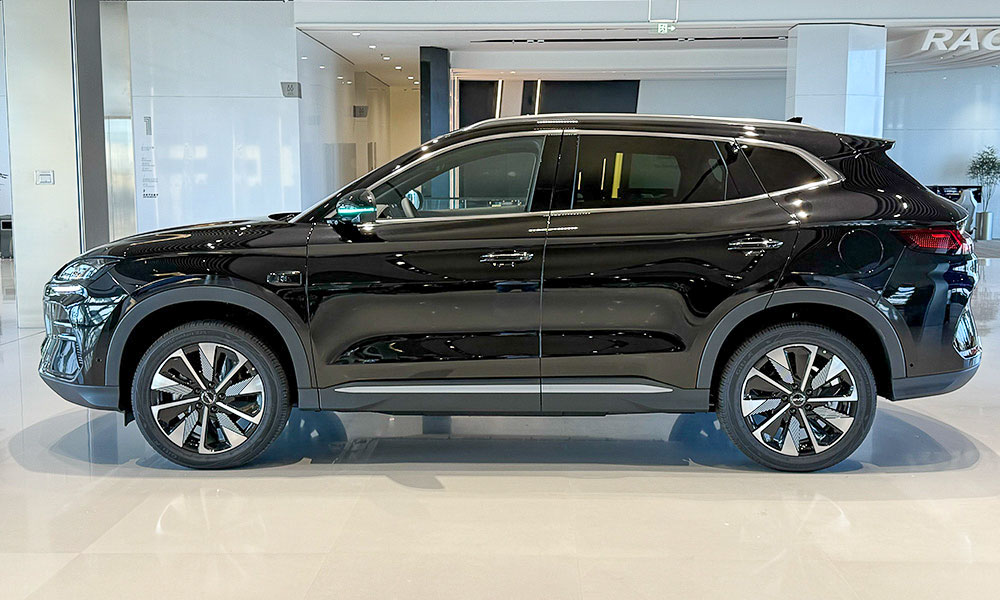
BYD has been successful not just here in the Philippines, but in many parts of the globe. In fact, it took the number one spot for EV-making as it sold more of them than the erstwhile leader, Tesla.
So, what makes BYD so special? And would it suffer the same fate as other Chinese marques in the country that became immensely popular only for a short while?
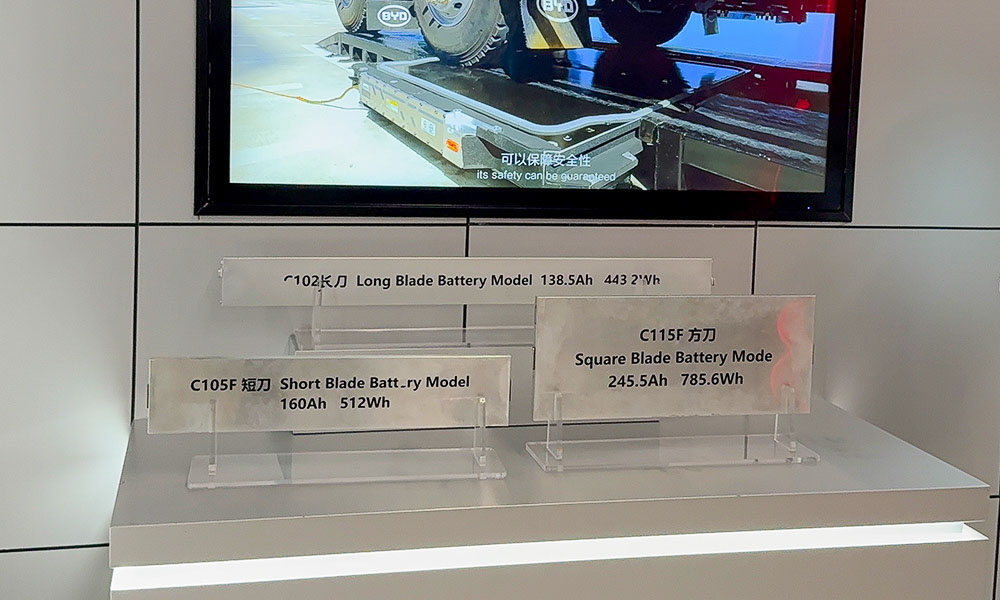
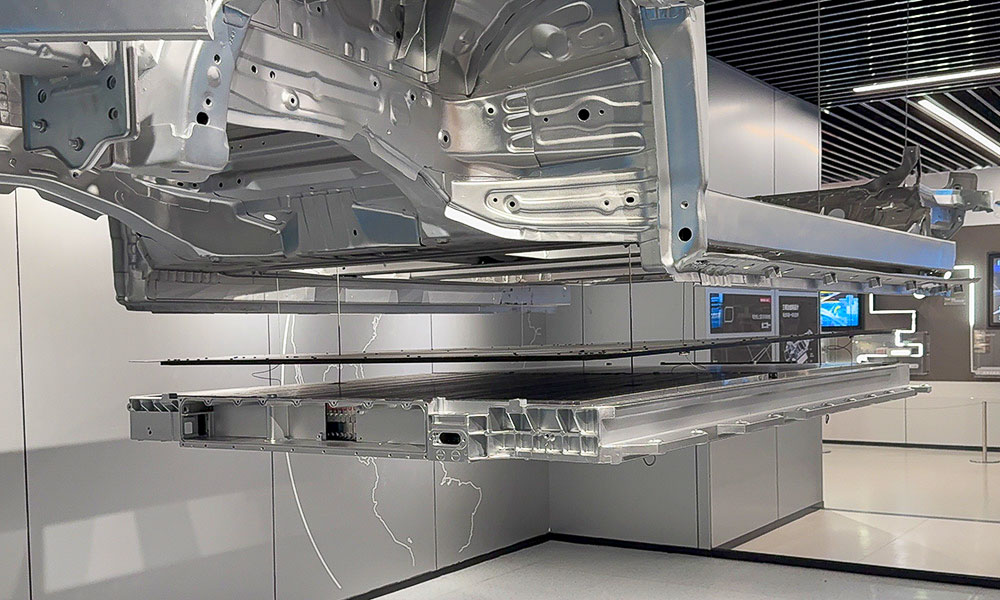
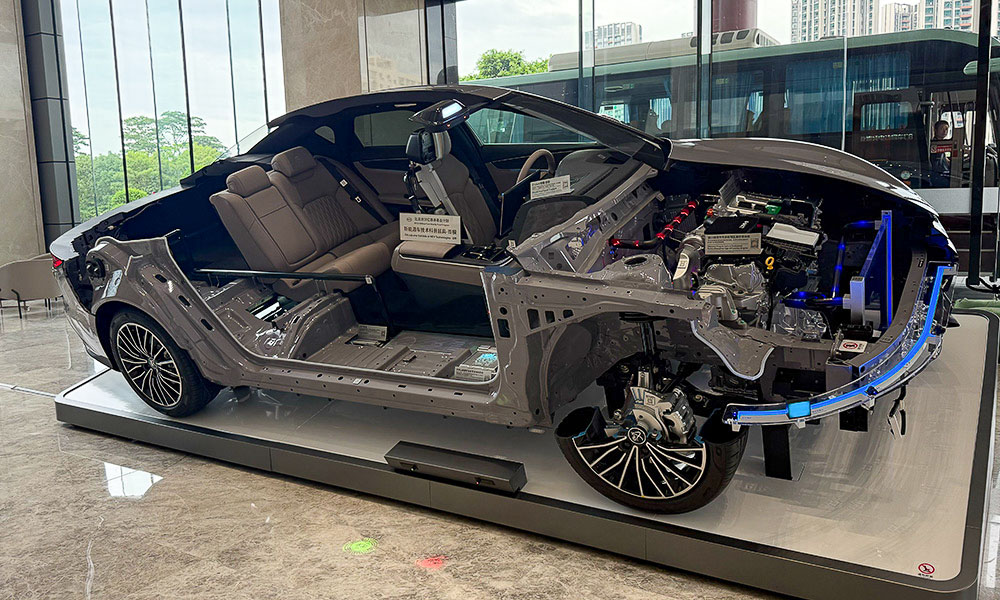
A trip to the company’s headquarters and facilities in China changed the way I see BYD. It provided me with a deeper understanding of what the company stands for and how it intends to achieve its goal of global dominance.
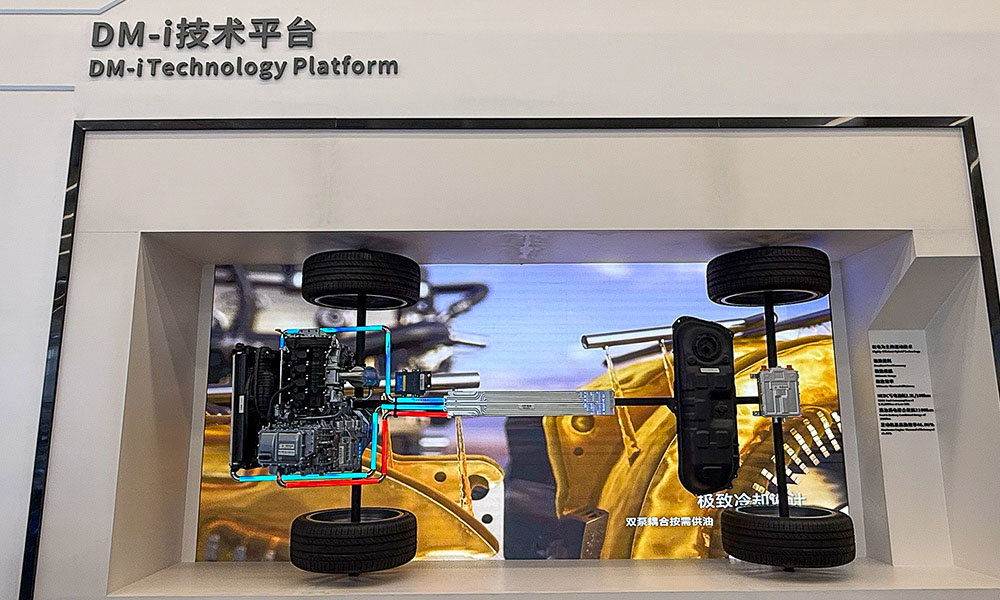
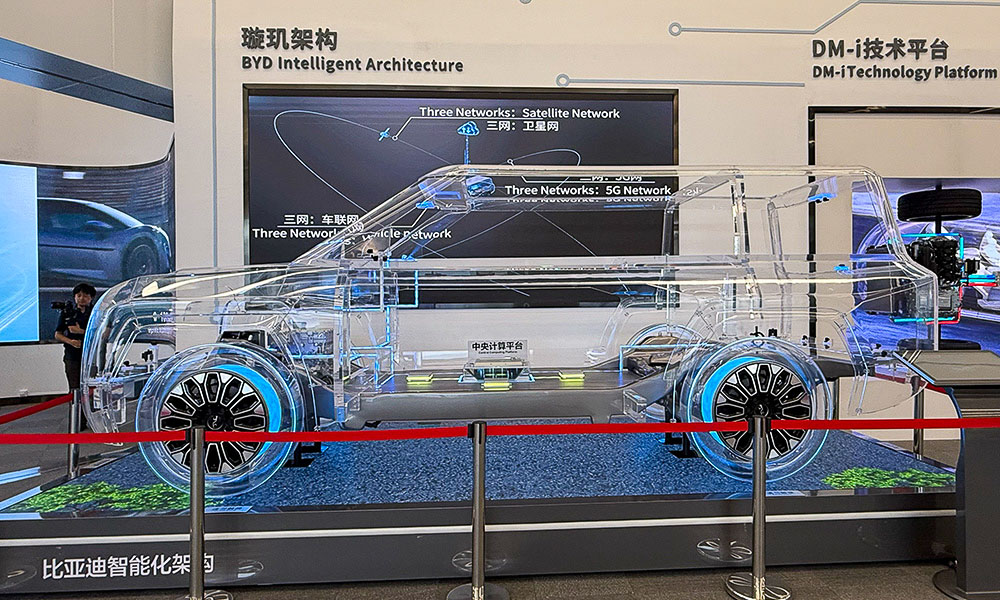
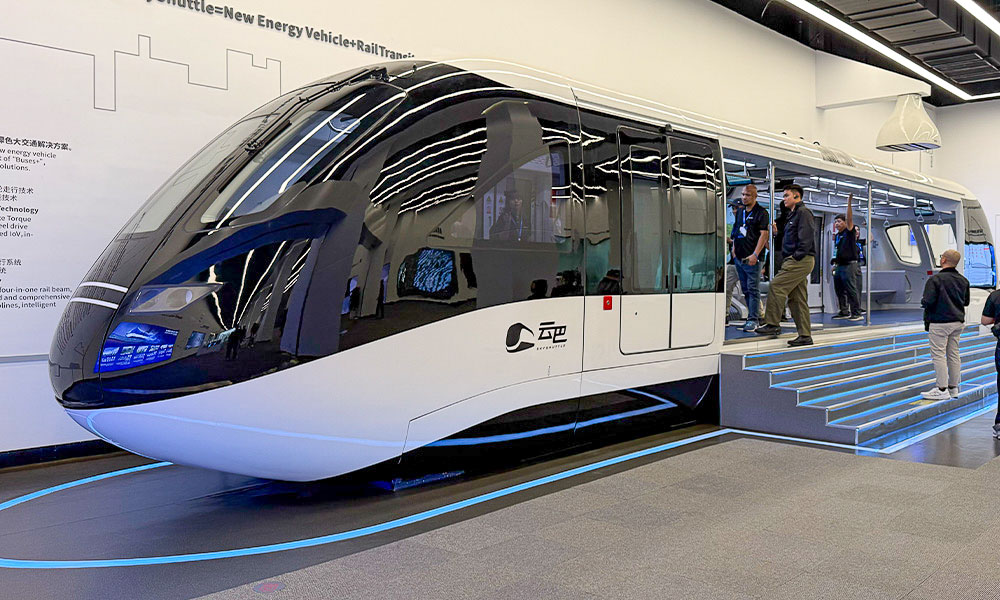
In a trip to its headquarters in Shenzhen, we learned about the brand’s humble beginnings and how hard it worked to get to where it is now. A briefing was also held with BYD’s top regional officials to walk us through the company’s current status and plans.
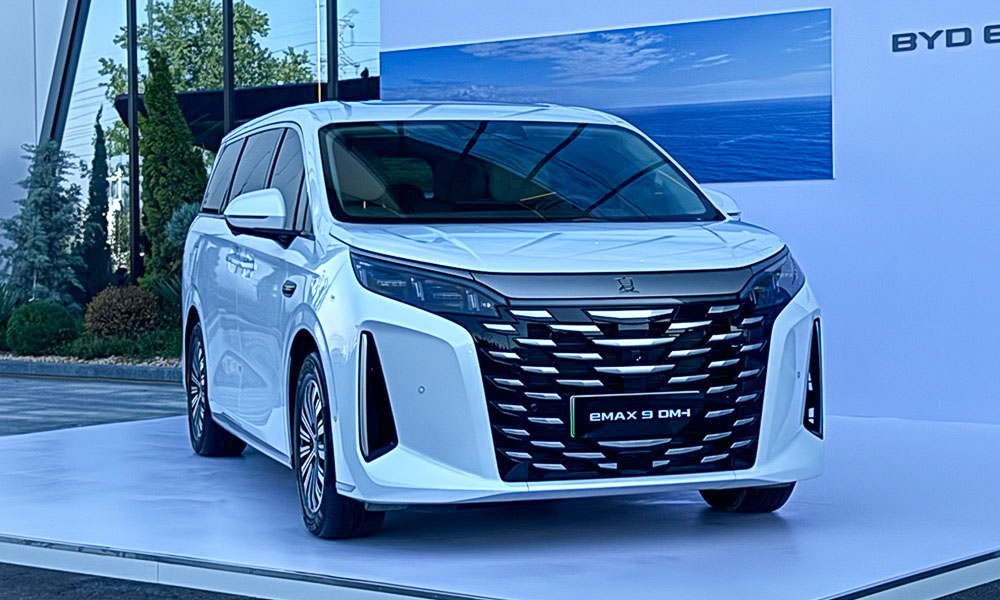
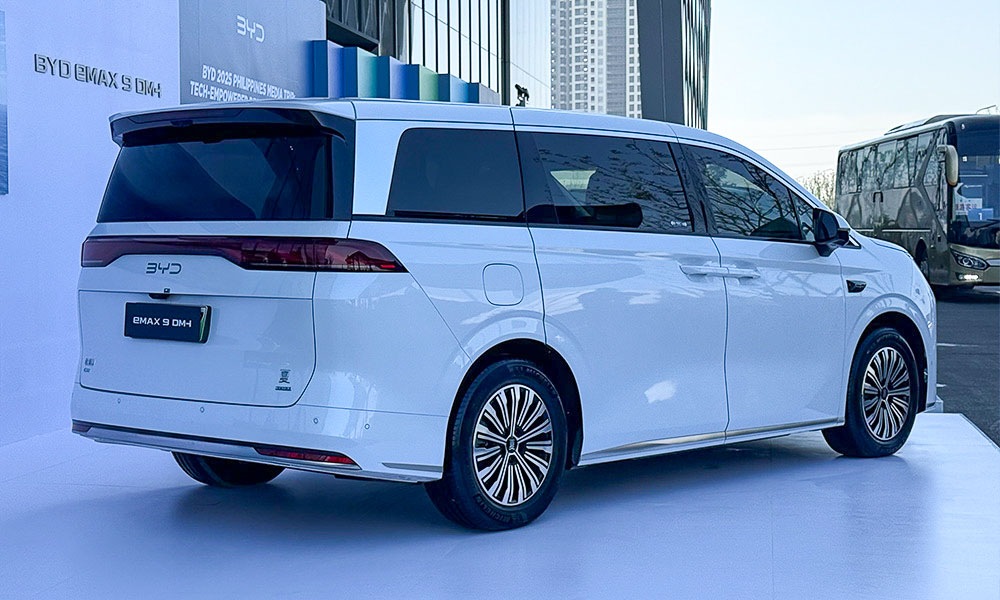
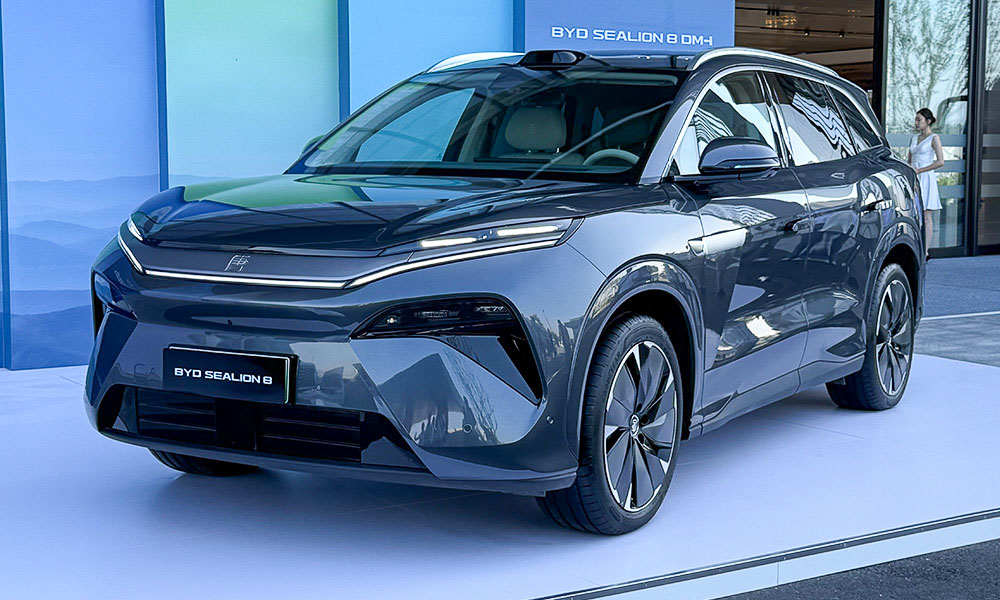
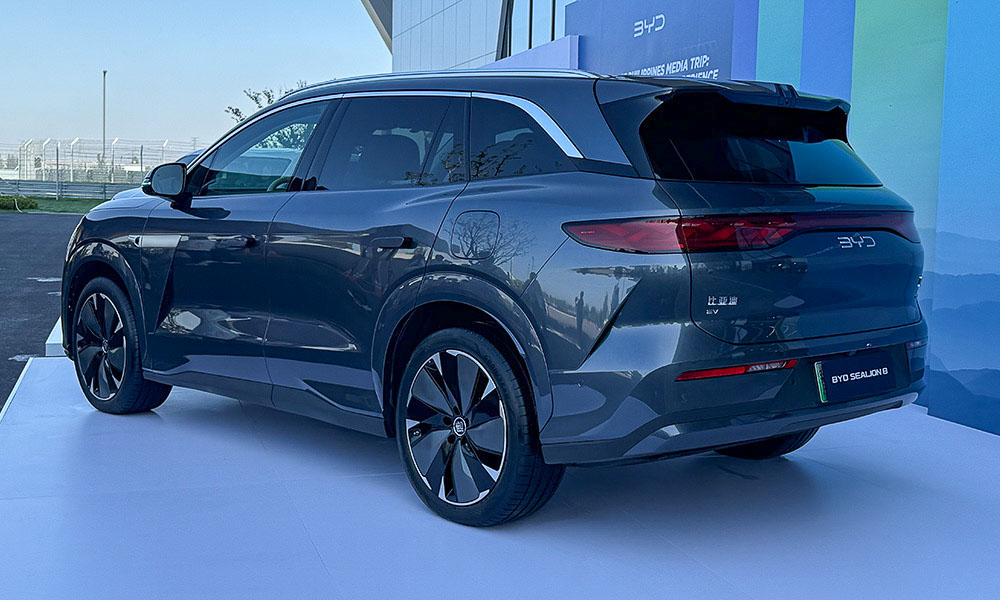
If you think BYD’s current offerings in the country are impressive, wait until you see the ones now available in the Chinese market. Some of the standouts include BYD’s own Sealion 8 DM-i and eMax 9 DM-i, which we believe will hit our roads soon.
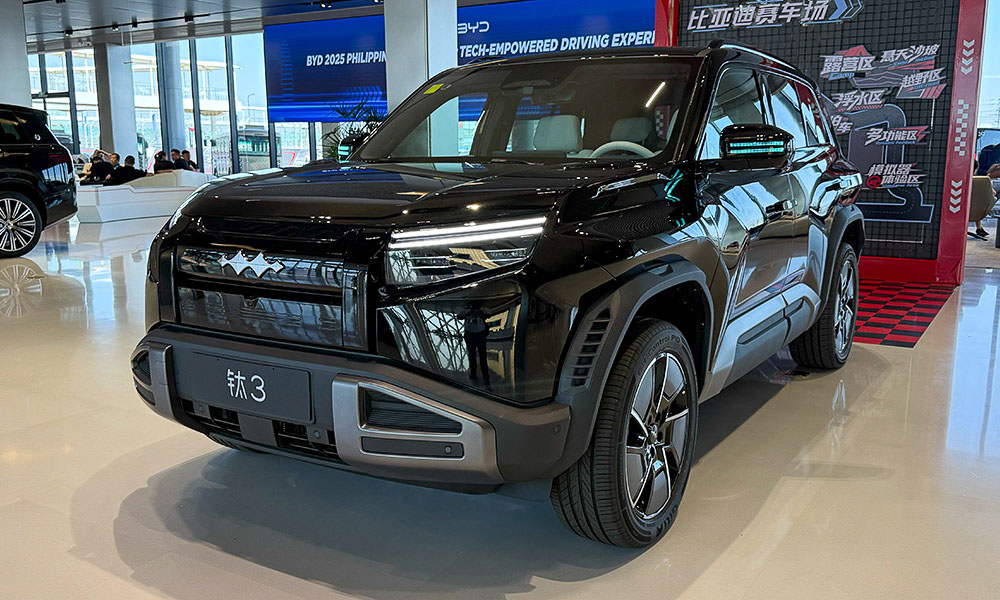
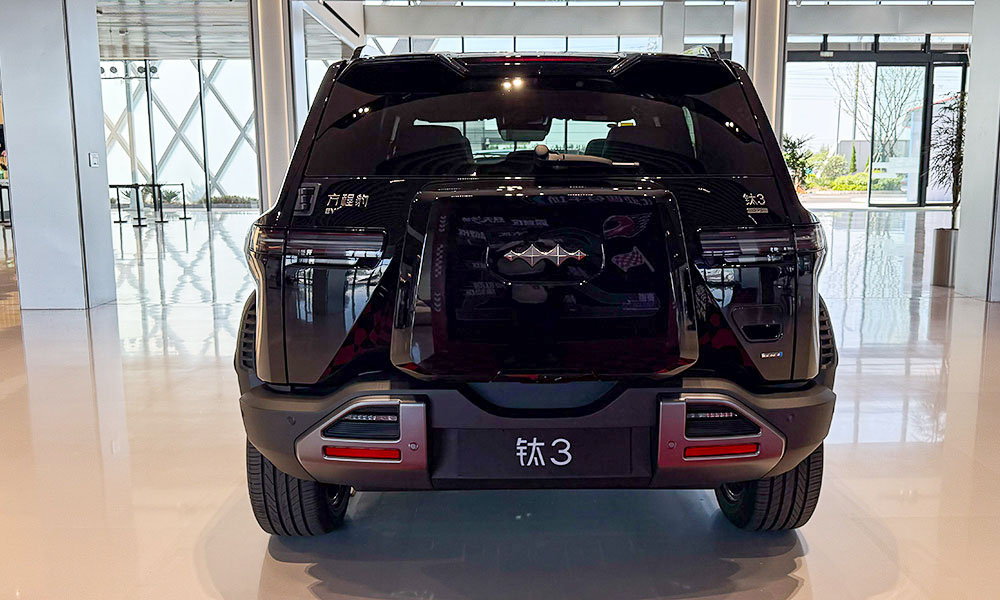
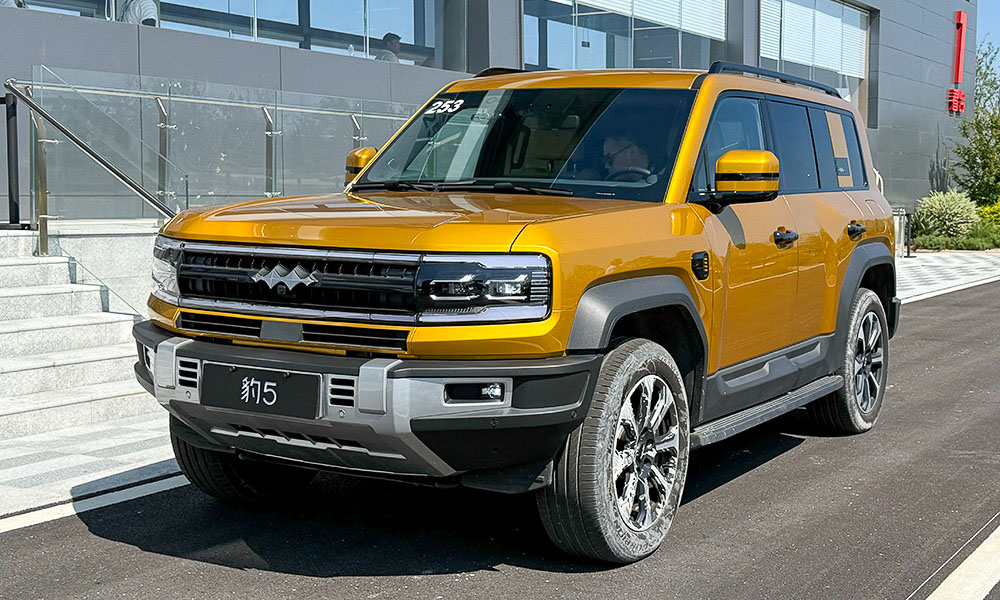
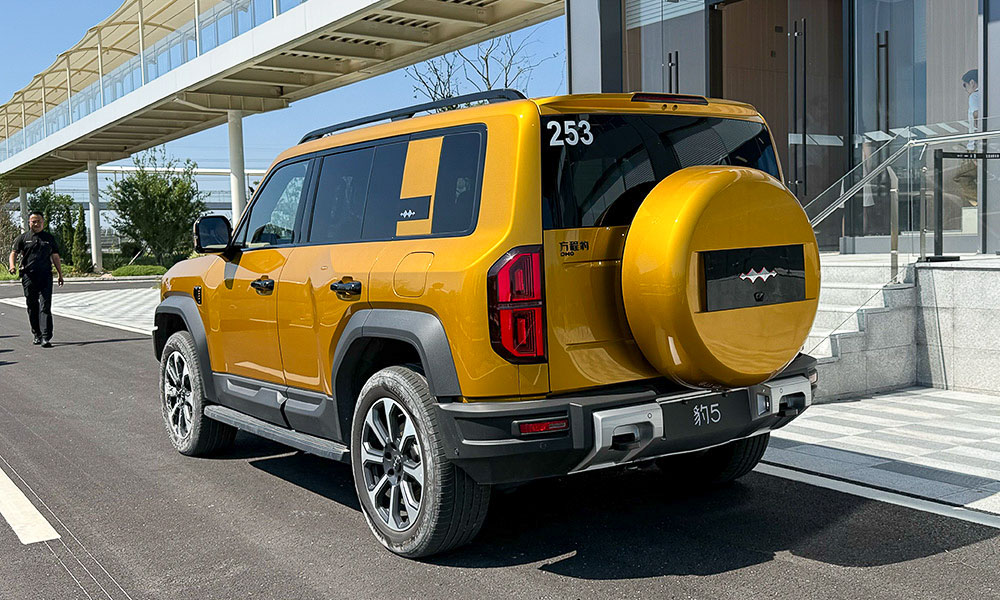
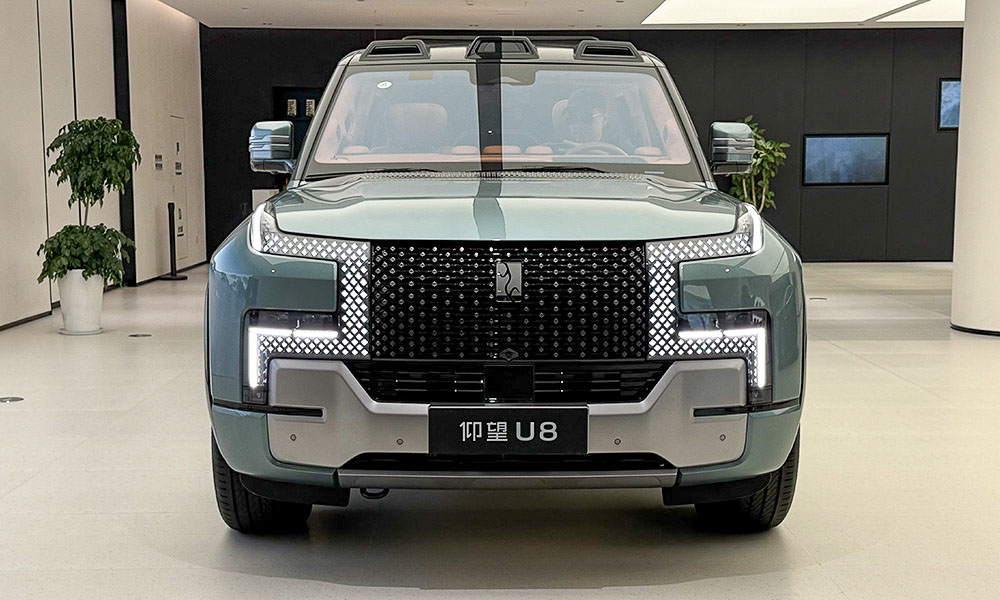
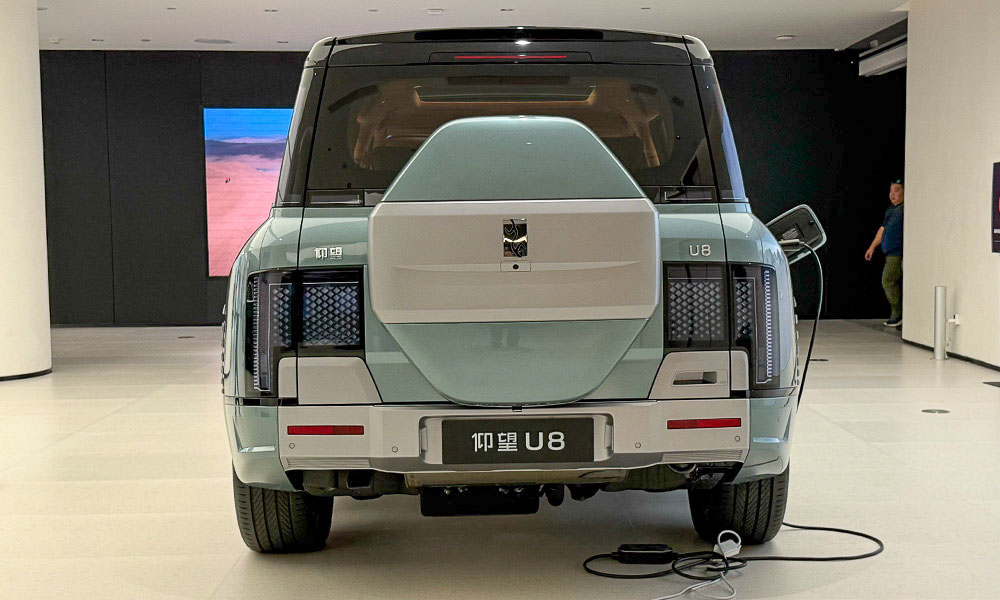
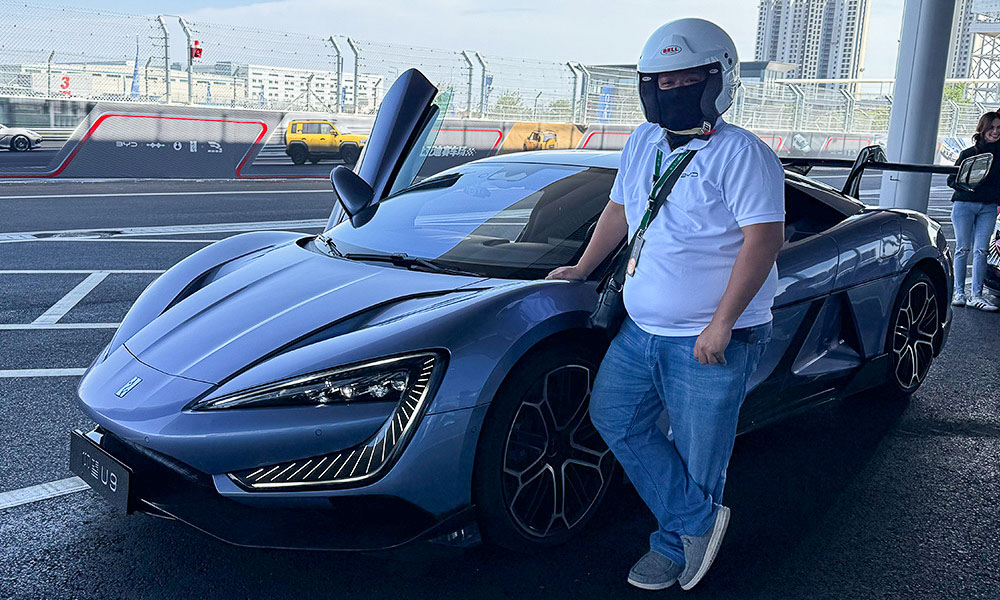
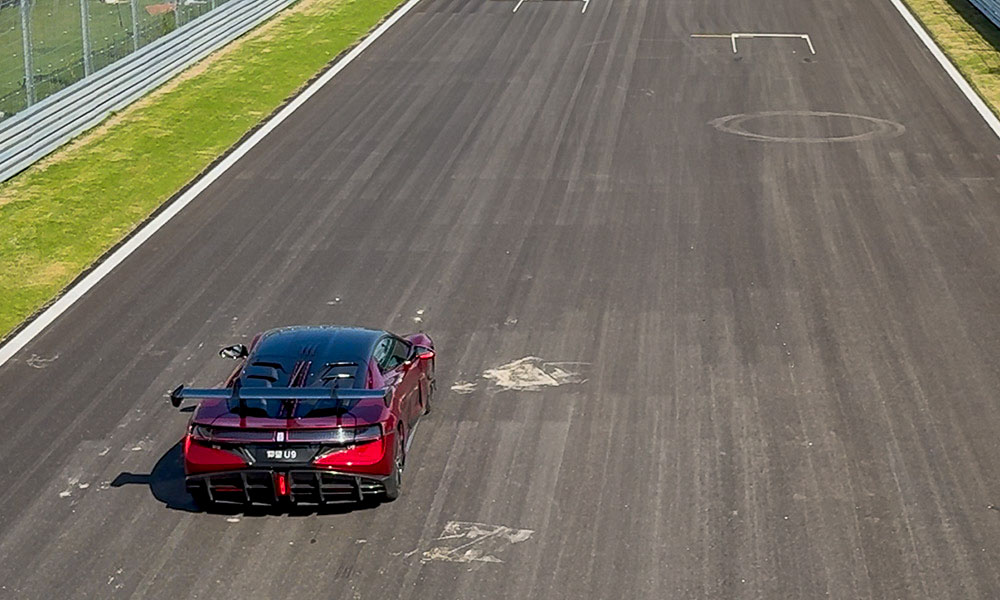
There’s also the Fangchengbao’s Tai 3 crossover and Bao 5 SUV. Denza has the D9 van, the N9 SUV, and the Z9 GT. Finally, Yangwang has the U8 ‘floating’ SUV and the insane U9 electric supercar.
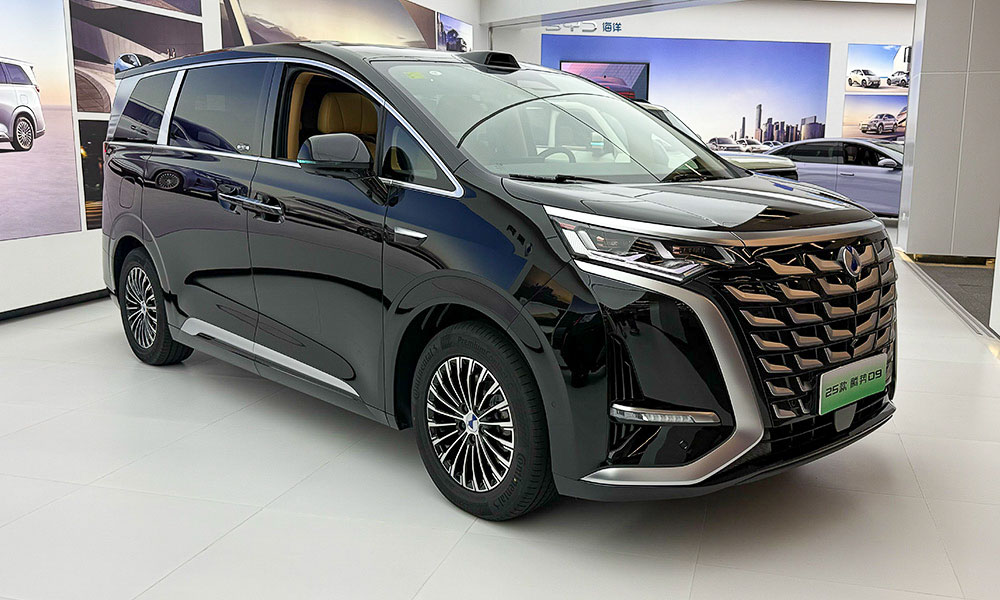
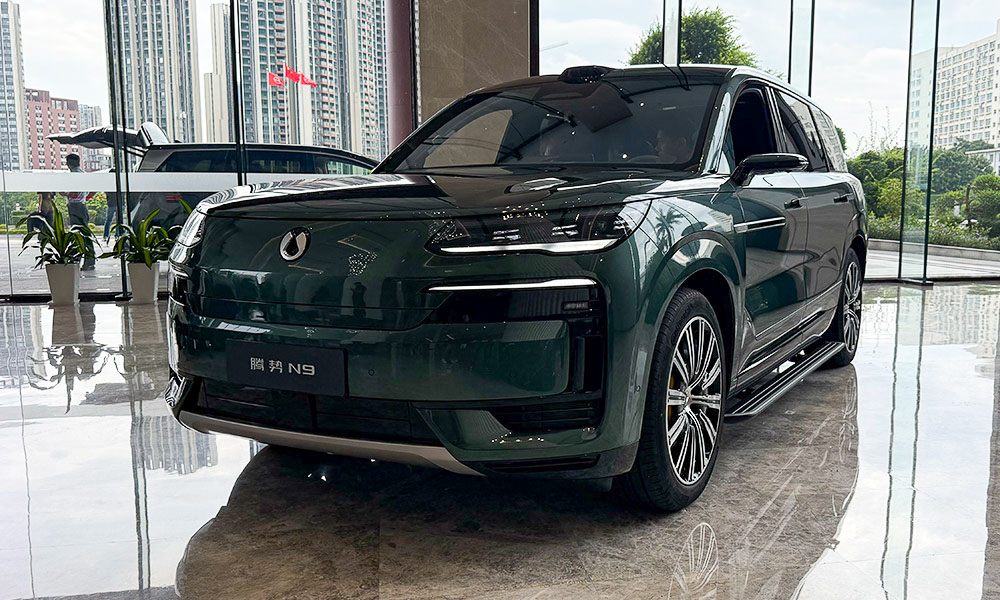
And I’m inclined to believe that more impressive models are on the way. In the briefing, we learned that BYD is investing heavily in research and development.
In 2024 alone, the company invested over 54.2 billion yuan (US$ 7.2 billion or P443 billion) in R&D. For this year, BYD has increased its investment to 190 billion yuan (close to US$ 26.7 billion or P1.55 trillion). That’s a staggering 350% increase from last year.
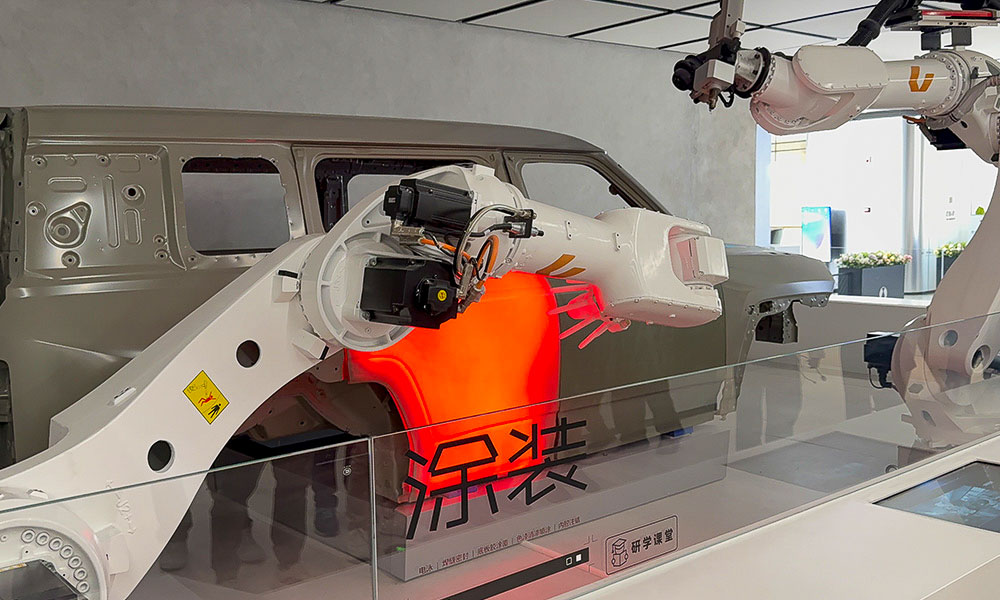
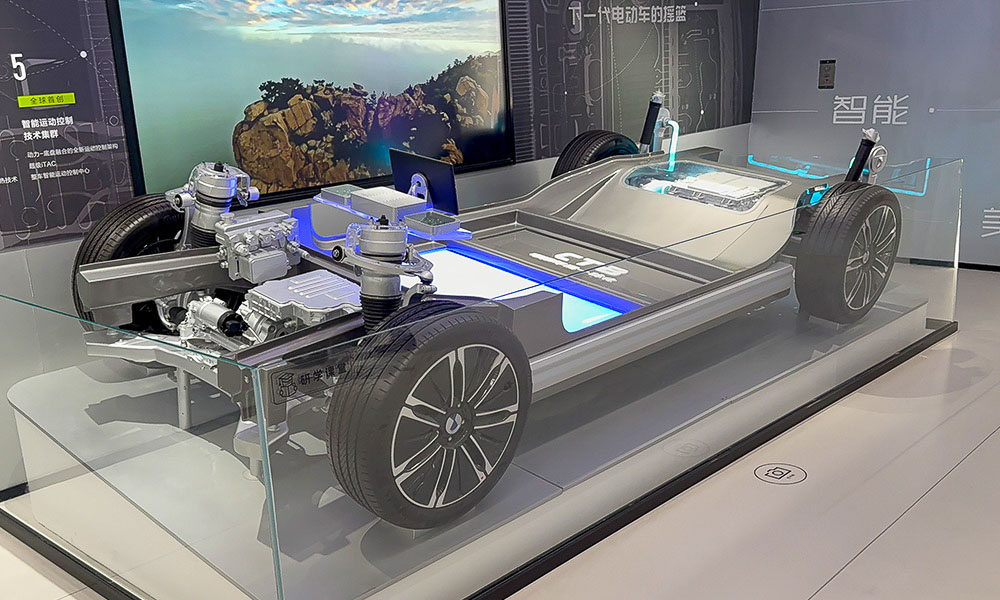
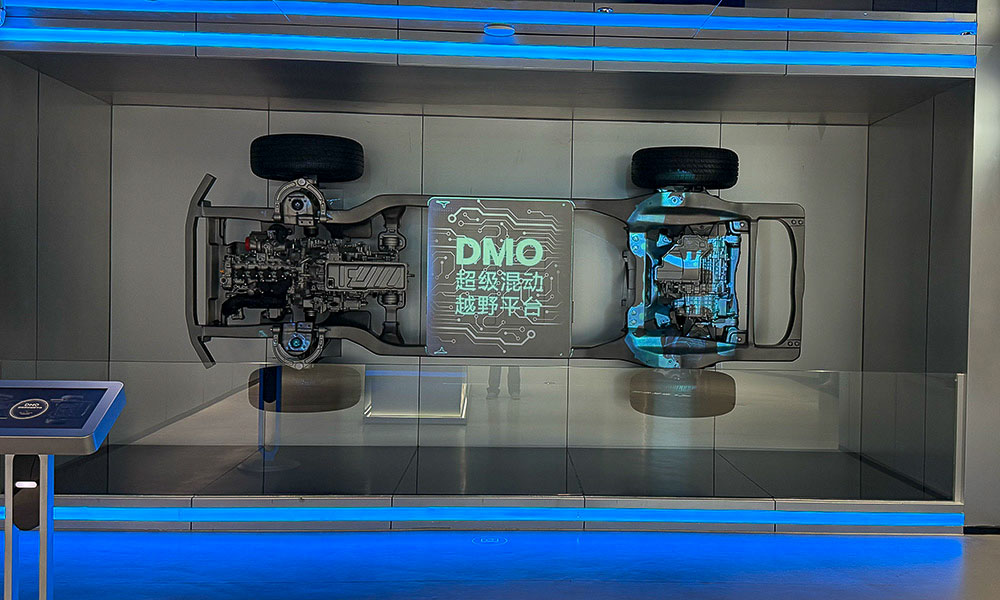
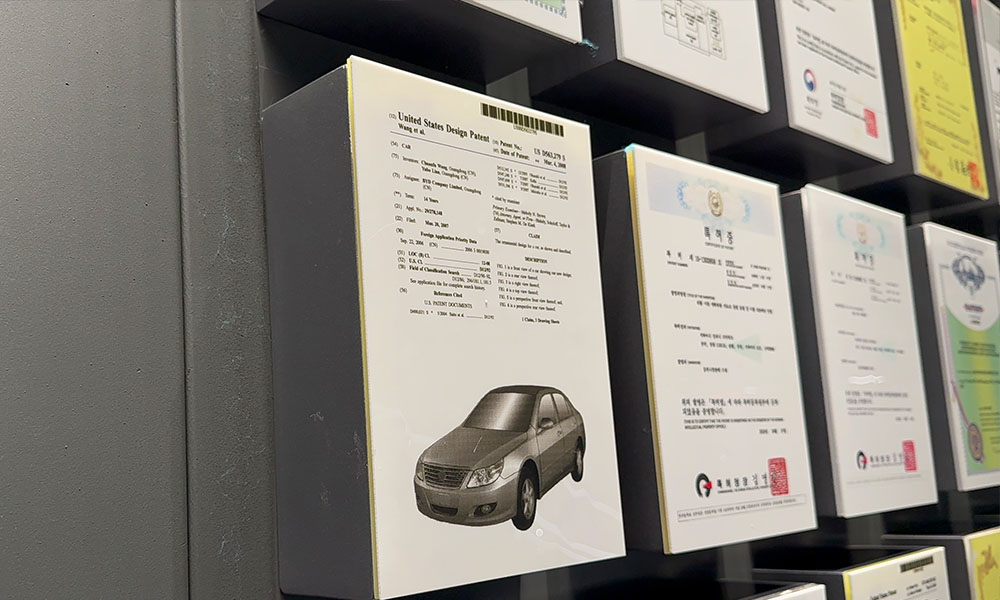
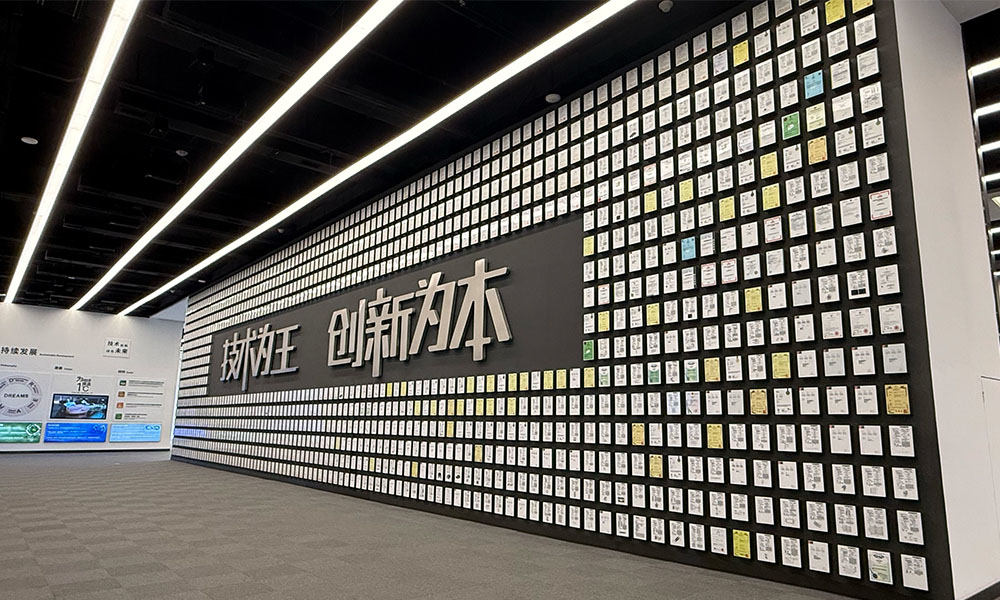
This move, to be fair, has paid dividends. The 11 R&D institutions it has established have yielded 39,000 granted patents, out of the 65,000 patents they’ve filed. The department is so productive that it has been registering 45 patents daily (20 of which are approved).
BYD’s Wall of Patents demonstrates this, showcasing its dedication to pushing the boundaries of vehicle technology. This quest has produced various technologies, including the Super e-Platform, the Blade battery, the megawatt charging technology, the e3 and e4 safety platforms, the DiSus-P Intelligent Body Control System, and the DiPilot suite of advanced driver assist systems.
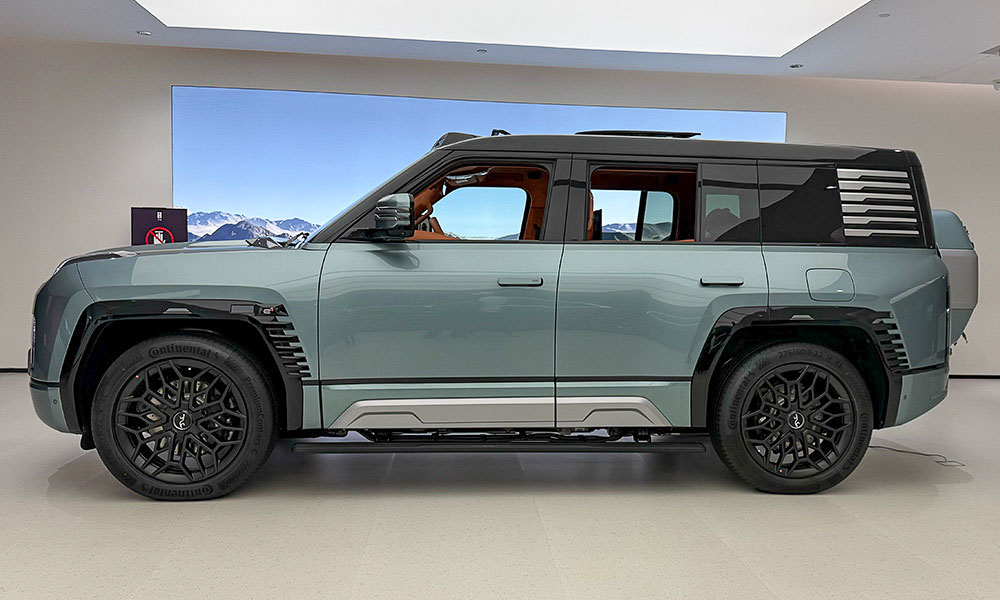
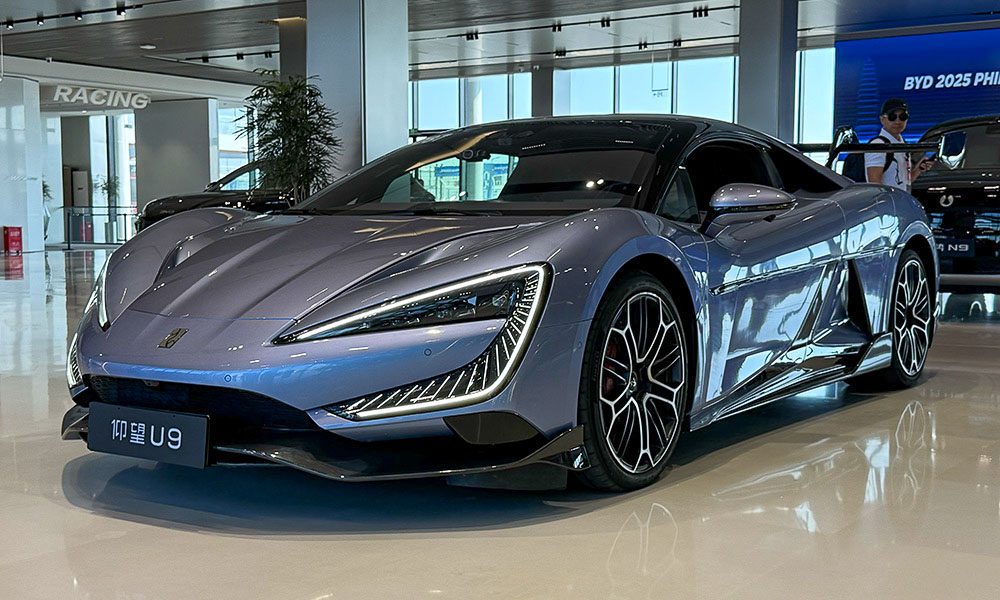
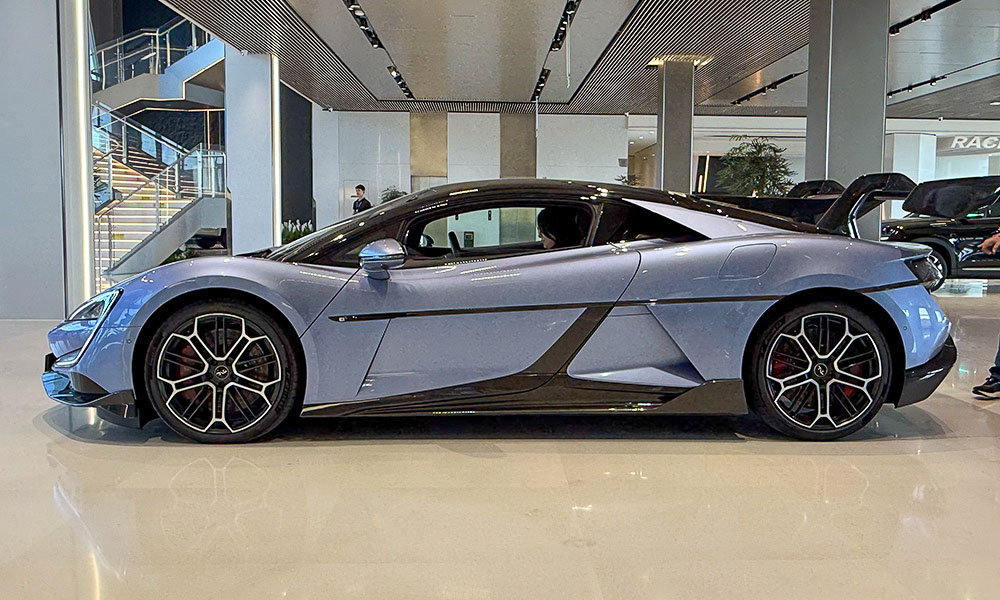
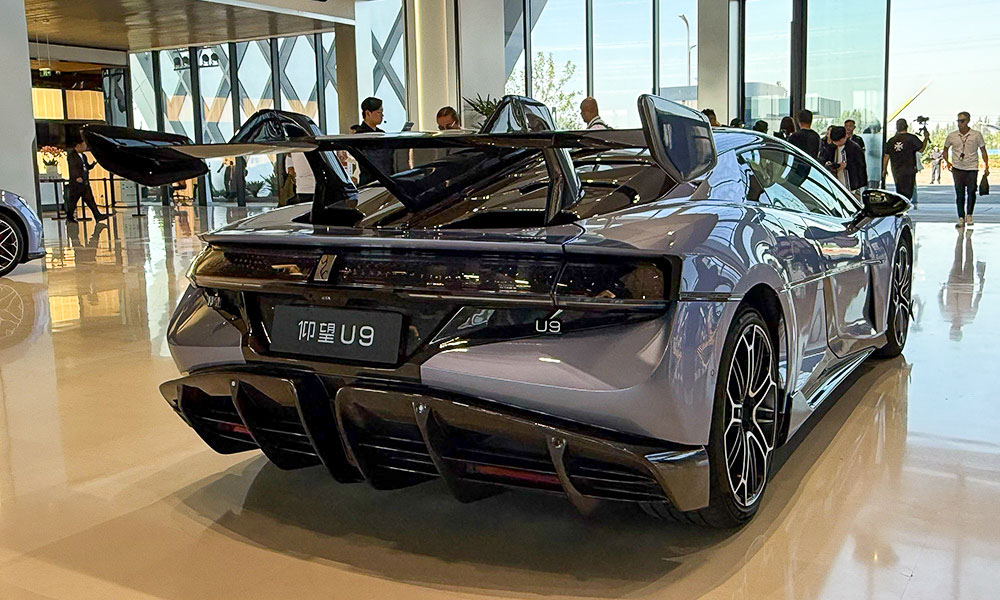
And all of this chatter was substantiated when we took a trip to the DiSpace New Energy Vehicle Museum in Zhengzhou. There, we saw how all of the technical advancements mentioned in the briefing are helping BYD design, develop, and manufacture interesting vehicles. The trip to the facility is a great experience, especially for those interested in new-energy vehicles.
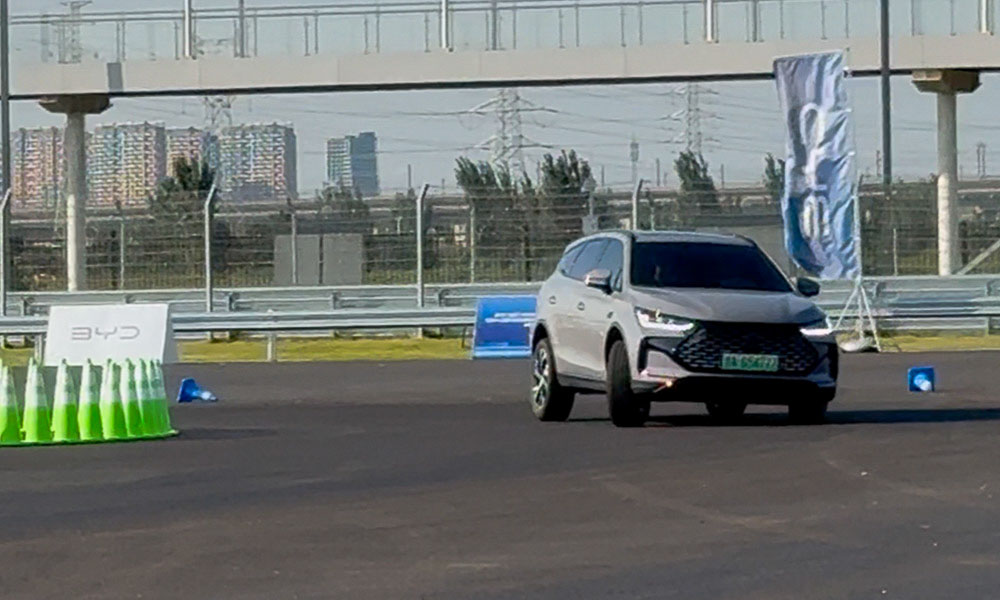
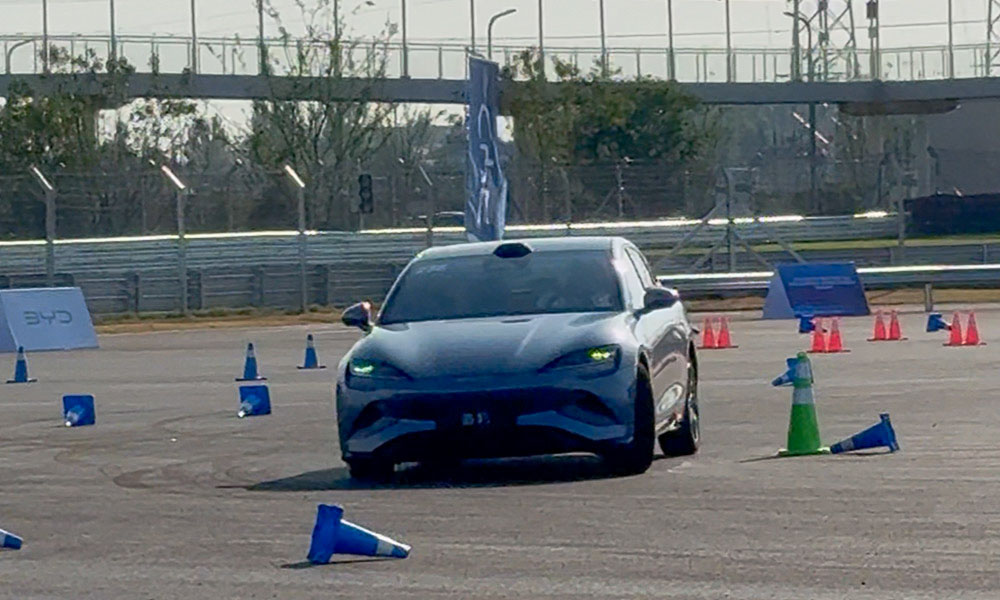
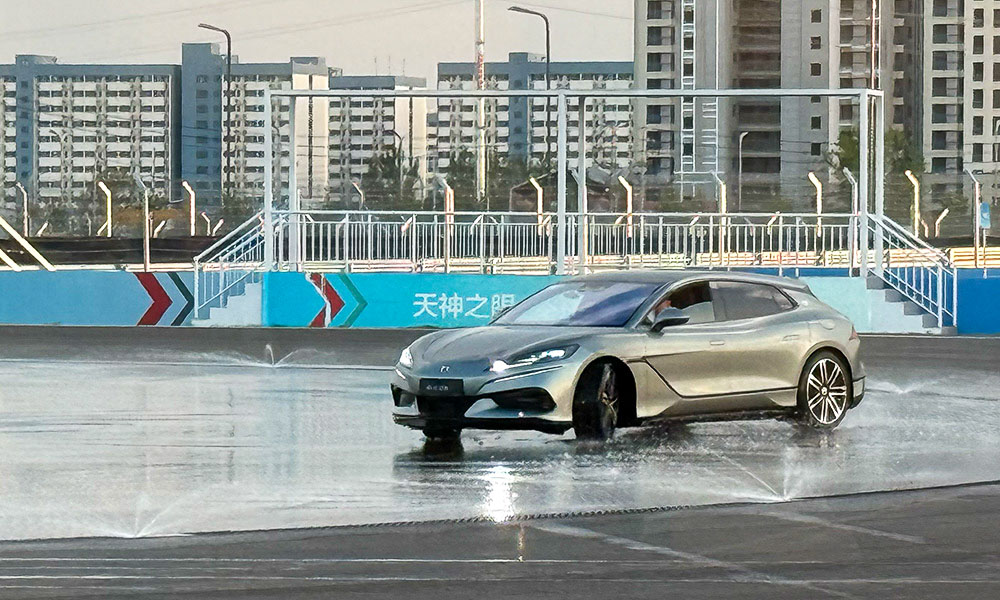
Finally, during a trip to the brand’s All-Terrain Circuit (the Philippine contingent, by the way, was the first in the Asia-Pacific region to visit this facility), we saw how BYD flexed its design and technical expertise. We took turns driving the Tang DM-i and the eMax 9 DM-i on a slalom course, showcasing the excellent acceleration, braking, and handling capabilities of the Super DM-I technology.
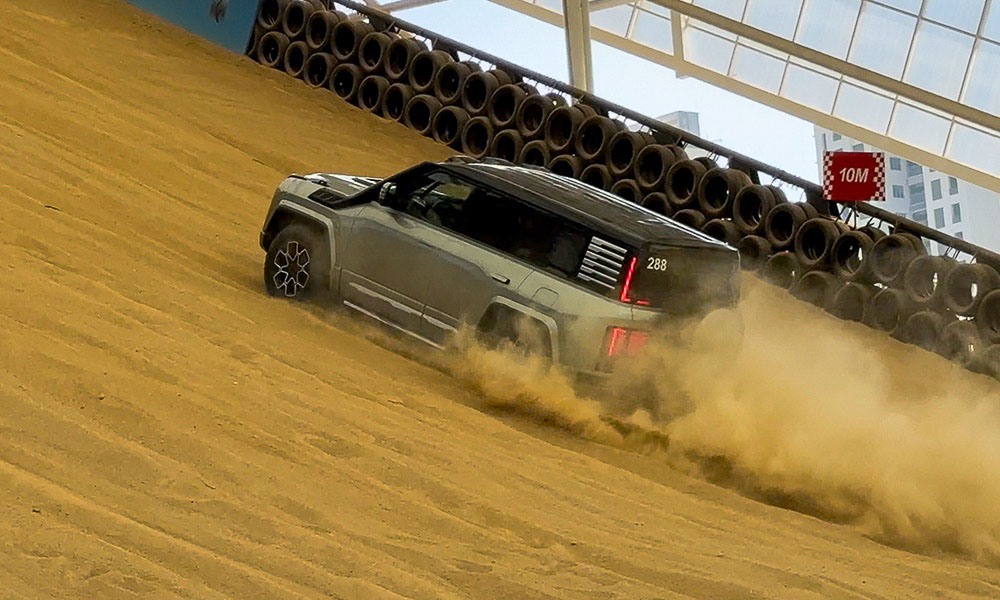
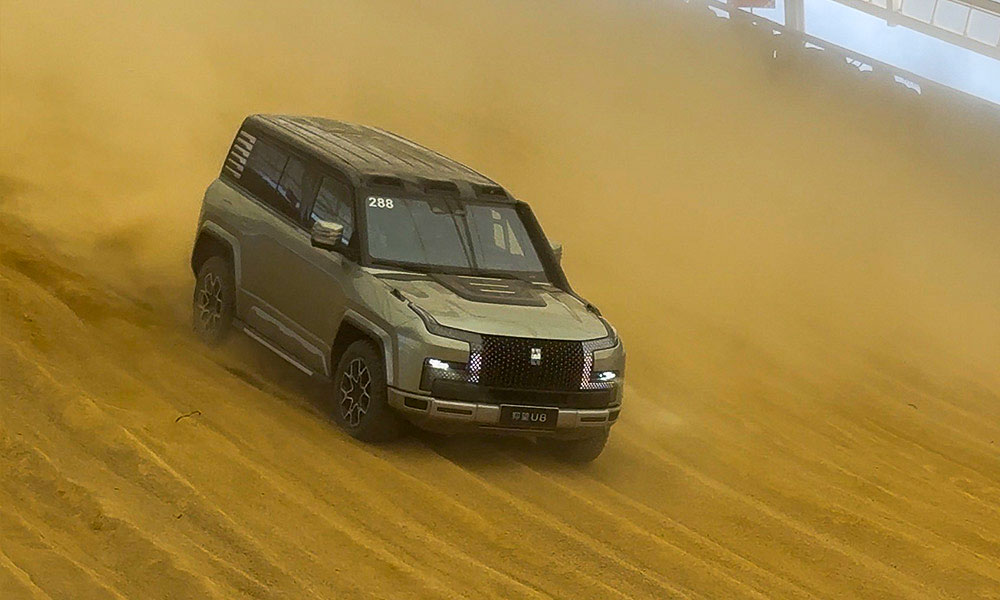
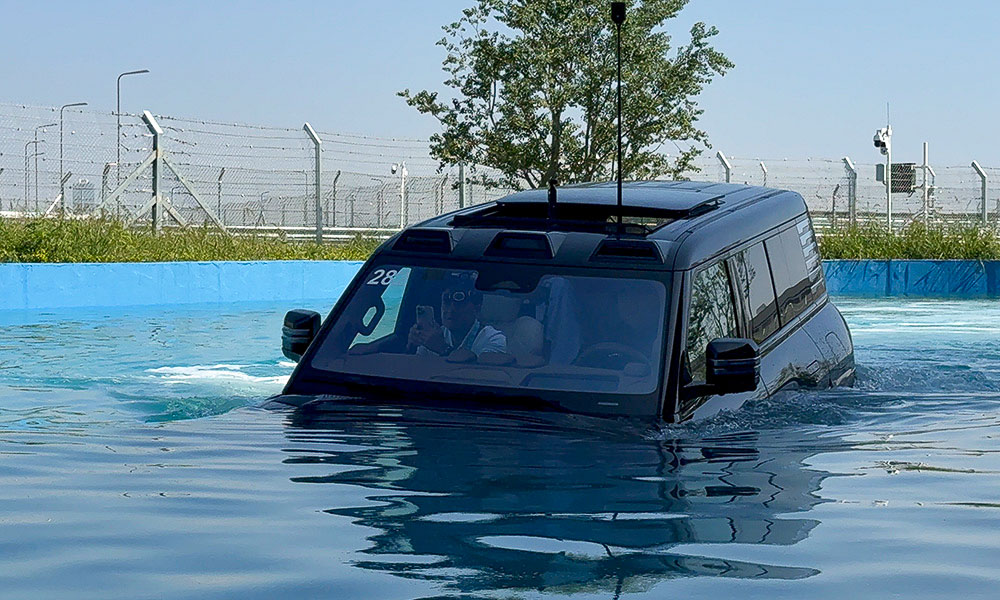
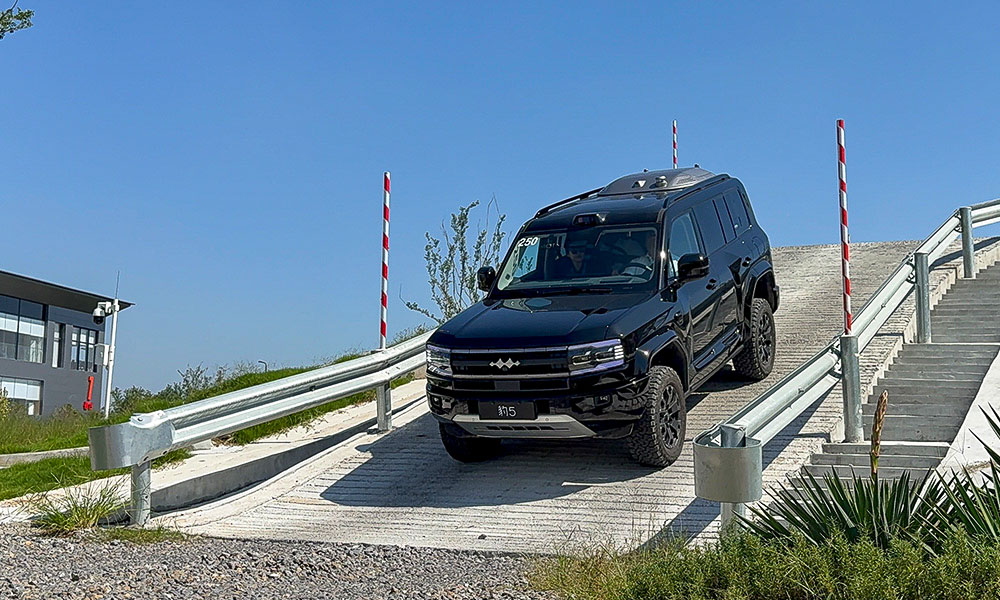
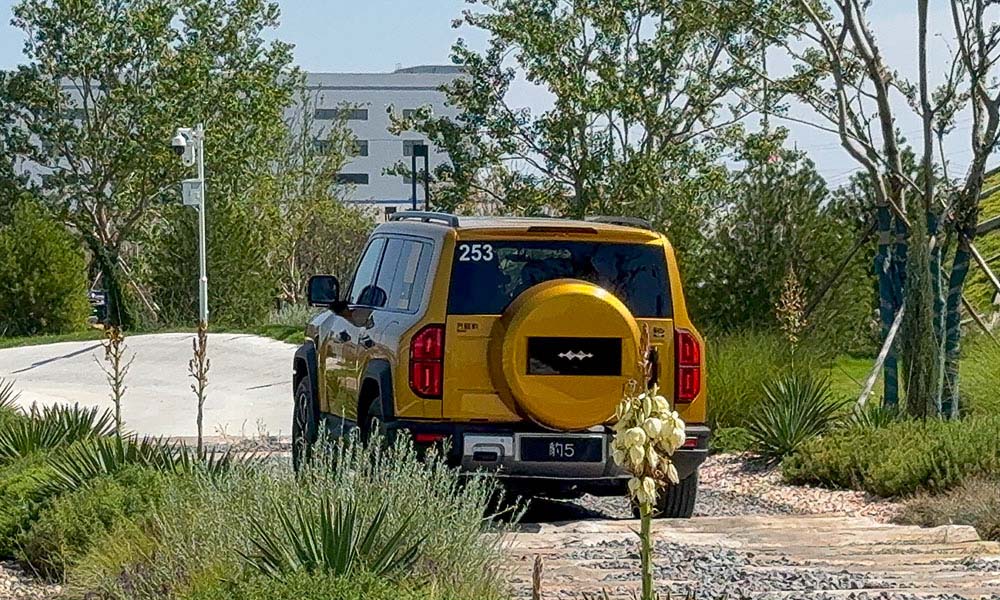
We also witnessed the Yangwang U8 being driven up and down a large dune, and wading through a pool with a depth of 1.8m. We also had the opportunity to experience the e4 platform in action while driving a Fangchengbao Bao 5 on an off-road course.
We were particularly impressed with how the brand’s unique individual-wheel drive system tackled the trickiest situations effortlessly. We were also left in awe as the Bao 5’s suspension kept us comfortable while navigating the off-road course.
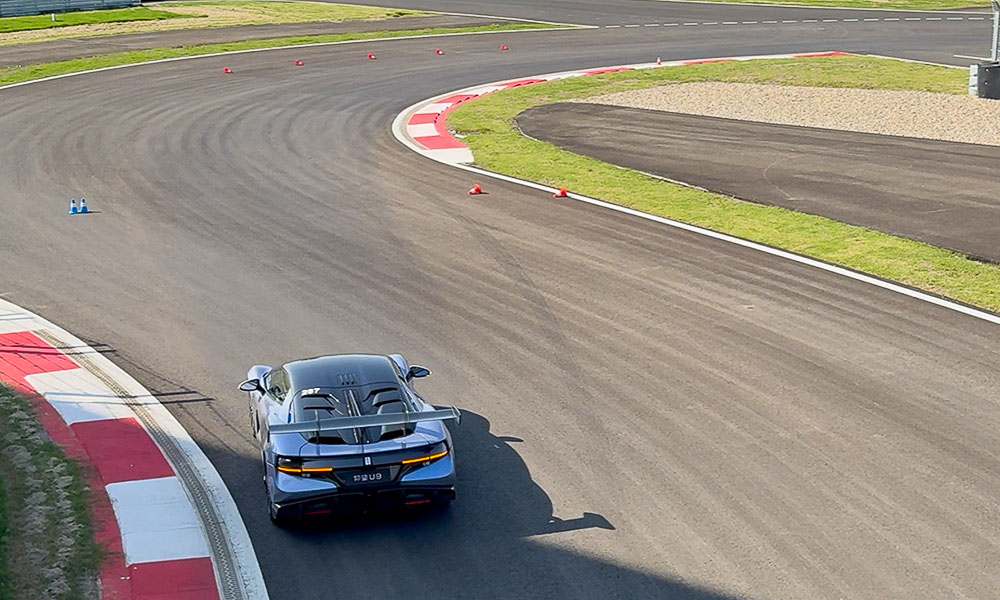
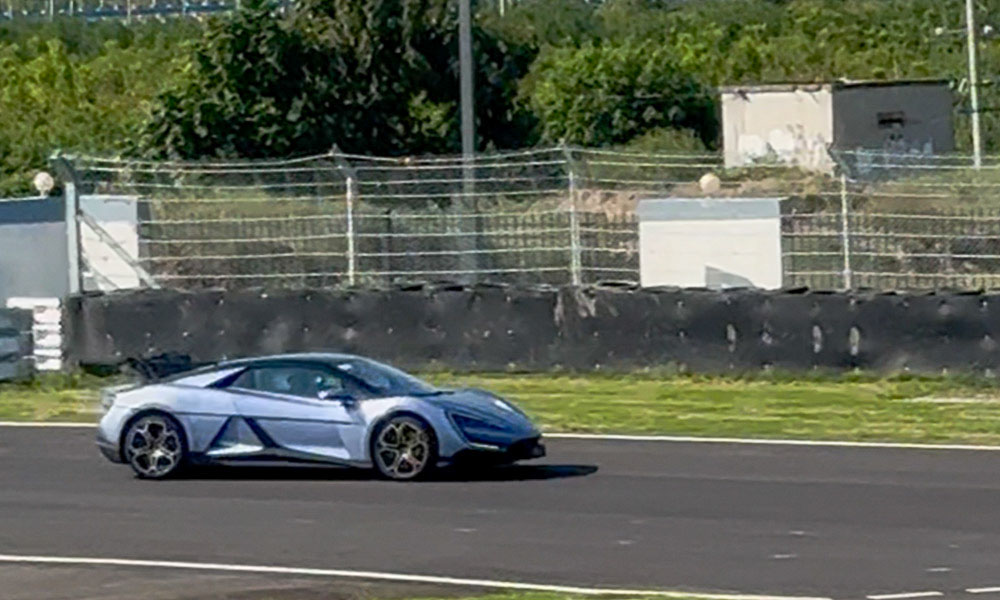
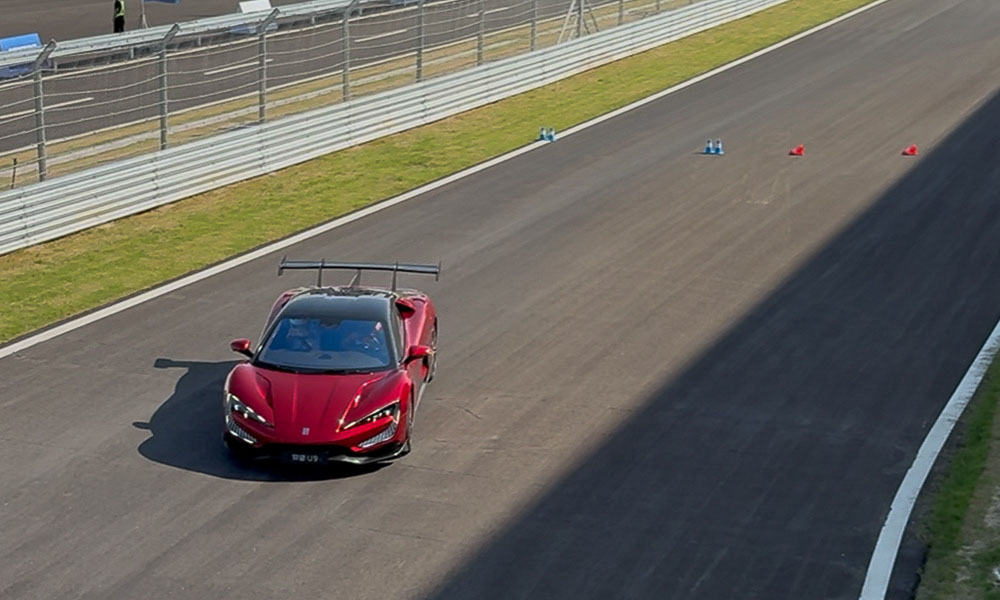
But the highlight of the trip was the chance to ride shotgun in the superfast Yangwang U9 supercar. The instantaneous torque and power of the four electric motors on each wheel enabled us to reach speeds over 200km/h on the short straight of the test track.
However, the U9 isn’t all about speed, as we had to contend with the intense g-forces (not just during hard acceleration and braking, but also while managing corners at high speeds). The DiSus-P body control system kept the car running with virtually no body roll, making it more than just a speed demon, but a composed and sharp supercar in corners, even when pushed to its limits.
This trip completely changed the way I see not just the brand, but also the Chinese automotive industry as a whole. From the low-quality knockoffs of yesteryear, its vehicles have significantly improved in such a short time.
I wouldn’t be surprised if the brand soon became the yardstick against which all carmakers were measured—that, from being a laughingstock, it would be the clear leader in mobility.
Given this experience with many interesting models, I expect BYD Cars Philippines to launch one segment-breaking car after another. Talk about building your dreams and making them a reality through hard work and relentless pursuit of engineering and technology.
Comments