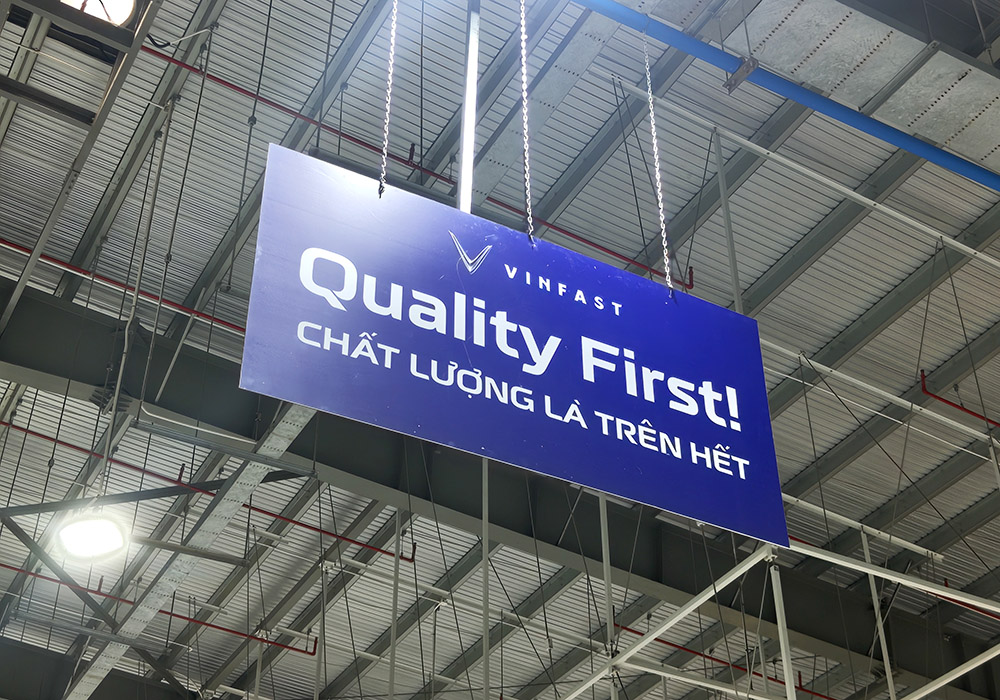

It is one thing to hear a company talk about becoming a global electric mobility leader; it is another thing entirely to walk through a factory capable of producing hundreds of thousands of vehicles a year and see the scale of that ambition firsthand.
Just to give you an idea, VinFast is the mobility arm of Vingroup’s business network. VinGroup has more than 100 subsidiaries and affiliated companies.
Some of its major subsidiaries include:
- VinFast
- Vinhomes
- Vinpearl
- Vinmec
- Vinschool
- VinAI
- Green GSM
The company has a “valuation excess of over US$30 billion” according to other publications.
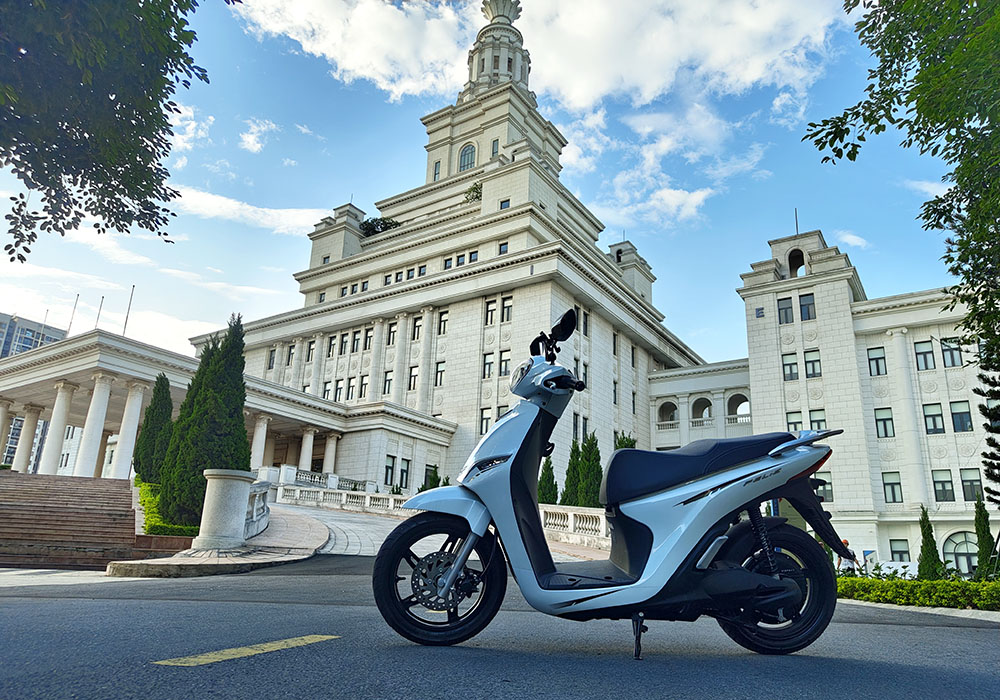
Filipinos still like to burn things—including fuel. Unfortunately, they’re also burning money as fuel prices continue to rise. Add inflation to the mix, and the cost of daily mobility becomes an overcooked recipe. VinFast hopes to help ease that burden by offering affordable electric scooters designed to keep transportation costs down, and make electric mobility more accessible to everyday Filipinos.
We recently visited VinFast’s sprawling manufacturing complex in Hai Phong, Vietnam. The trip came just weeks ahead of the brand’s planned Philippine launch of its first electric scooter lineup, giving us a closer look at the ecosystem that VinFast hopes will help drive EV adoption across Southeast Asia.
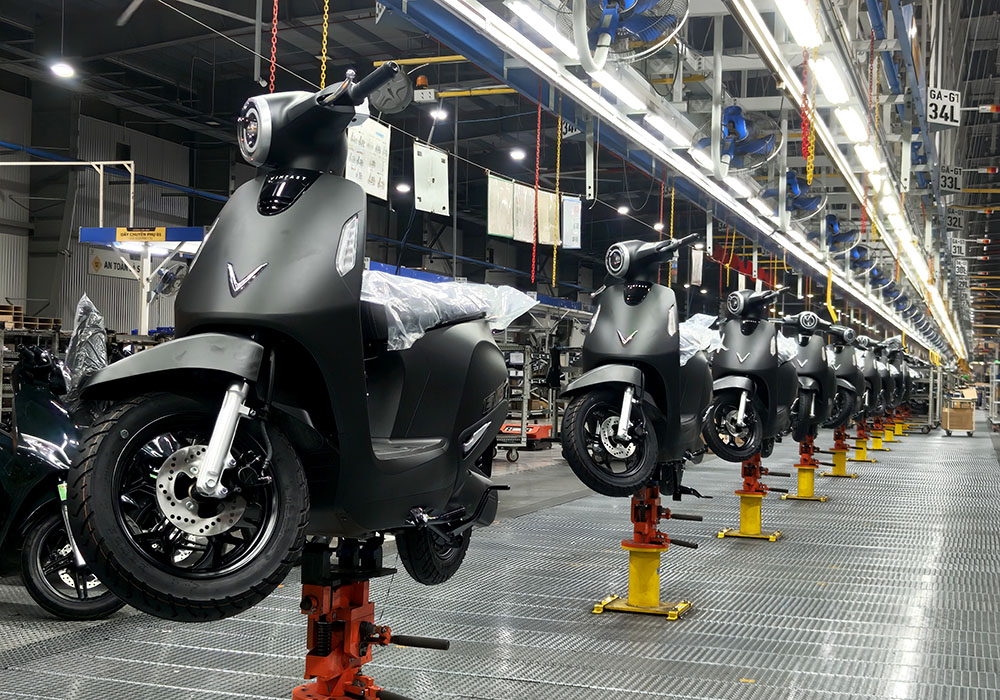
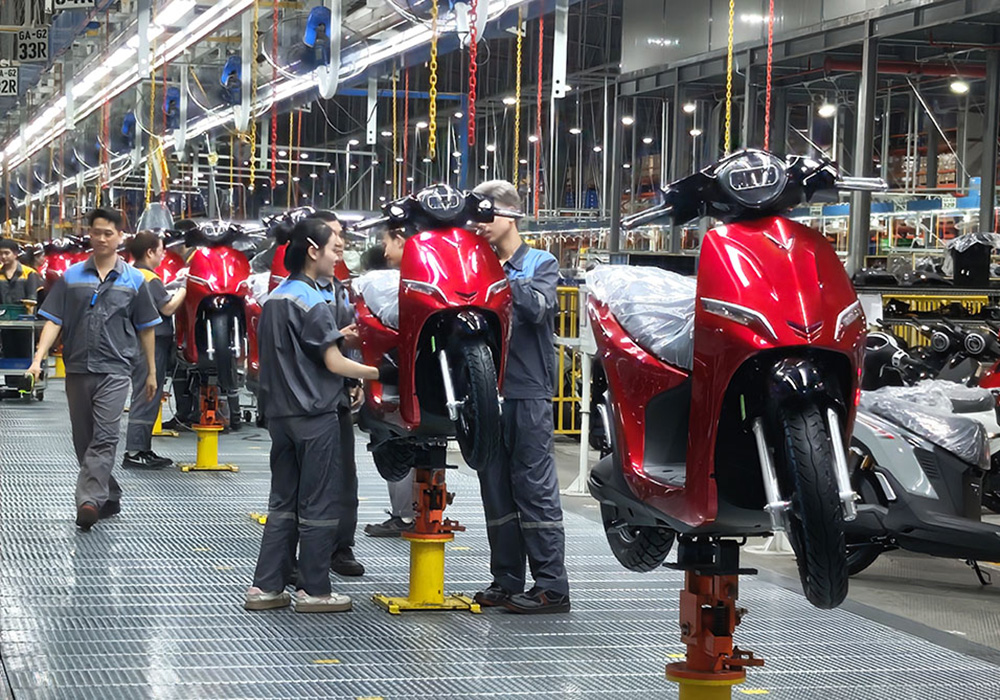
What we witnessed there was nothing short of impressive. We were able to see first the e-scooter assembly lines. The factory is clean and undeniably world-class. They were confident enough for us to take photos of everything (except where they develop the batteries). According to company figures, VinFast delivered more than 406,000 electric motorcycles in Vietnam in 2025, making it the country’s leading electric two-wheeler brand.
But there lies the problem (or solution).
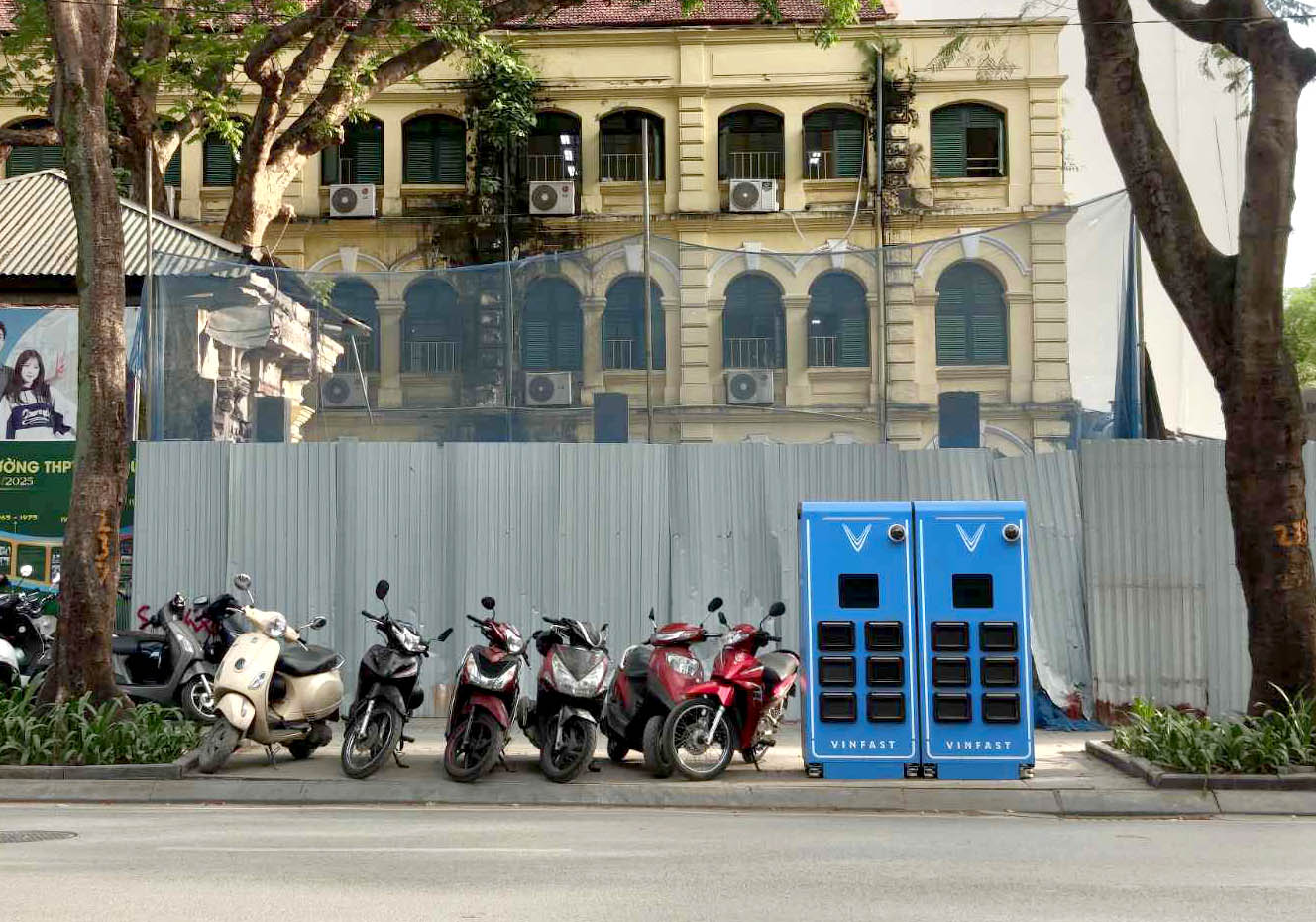
VinFast relies heavily on a battery-swapping ecosystem. One of the recurring concerns surrounding electric two-wheelers in the Philippines has always been infrastructure. Riders often ask the same questions:
Where do I charge?
How long will batteries last?
What happens if I run out of power far from home?
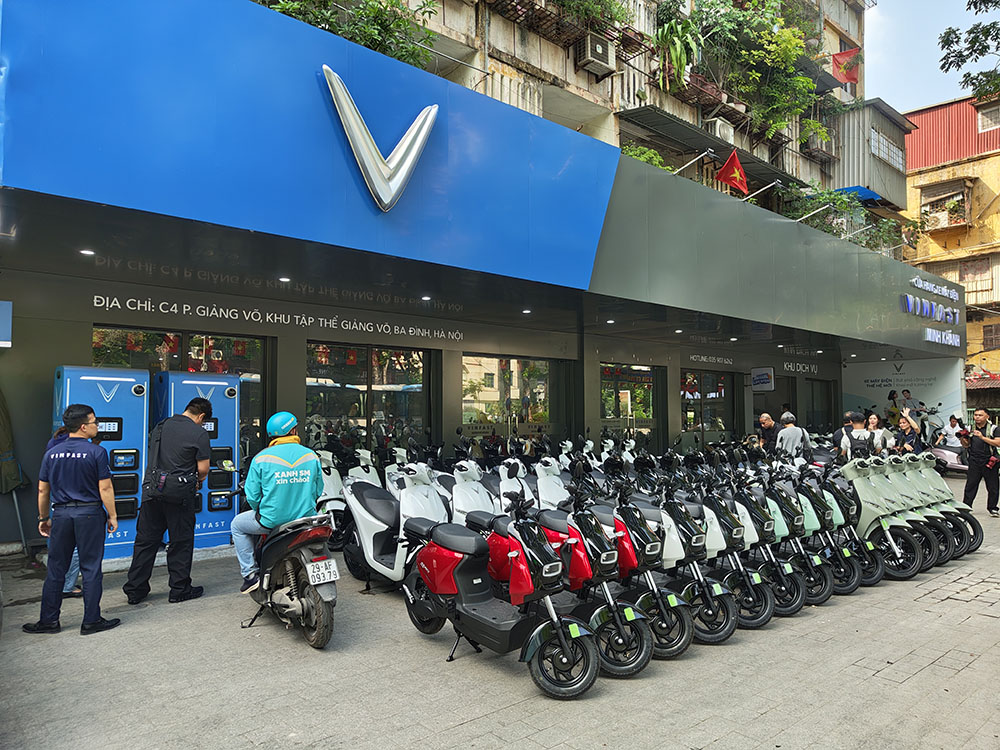
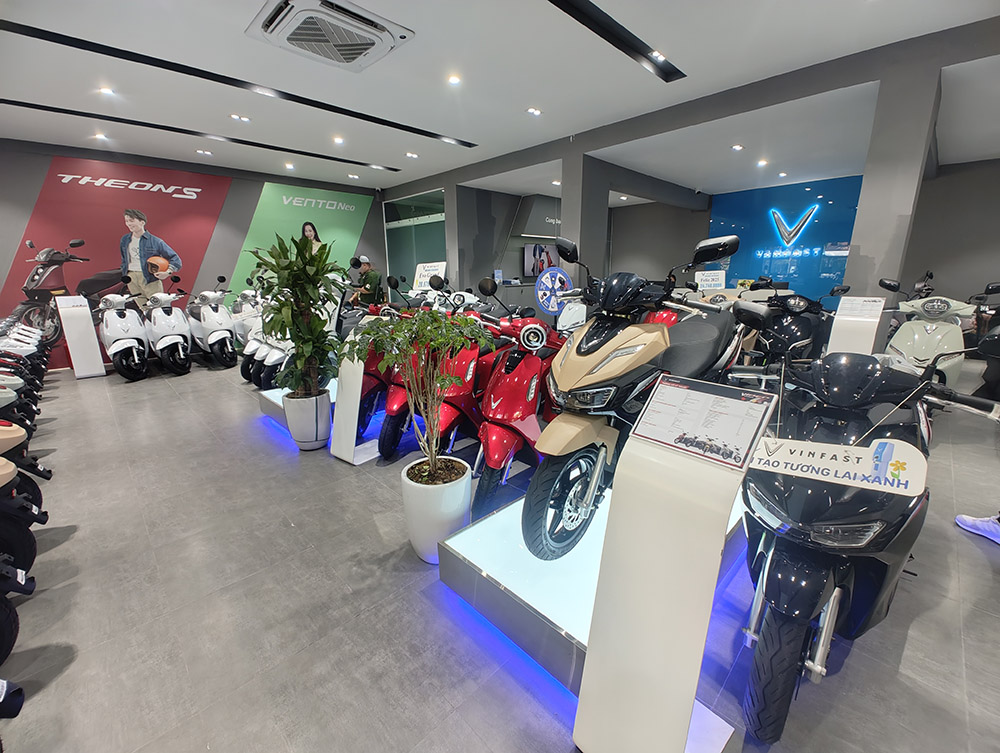
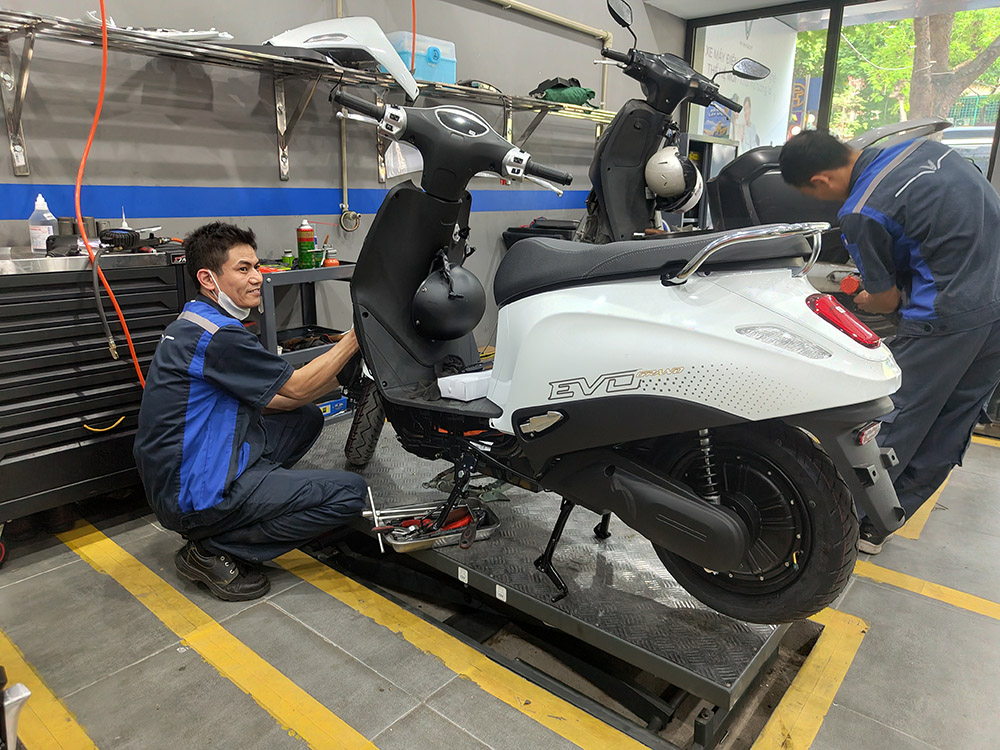
While the car market is slowly adapting to EVs, the whole battery-swapping system is something new to Filipinos. And we’re also talking about the baseline market that heavily relies on motorcycles for the primary mode of transportation and small-scale businesses.
Gogoro failed miserably by initially offering high-end e-scooters, and this is where VinFast saw an opportunity. The company saw that it was not entirely wrong, and it just did the homework properly.
The first three e-scooter models we tried in the Hai Phong factory are expected to be entry-level models aimed at everyday commuters and first-time EV users. The Evo, the Feliz II, and the Viper will arrive on our shores in July.

The Philippine rollout is also gaining momentum. Earlier this year, the company signed agreements with 14 local distributor groups, including major players such as Wheeltek, Transcycle, Superbikes Corporation, and Motor Ace Philippines, establishing the foundation for nationwide sales and after-sales support.
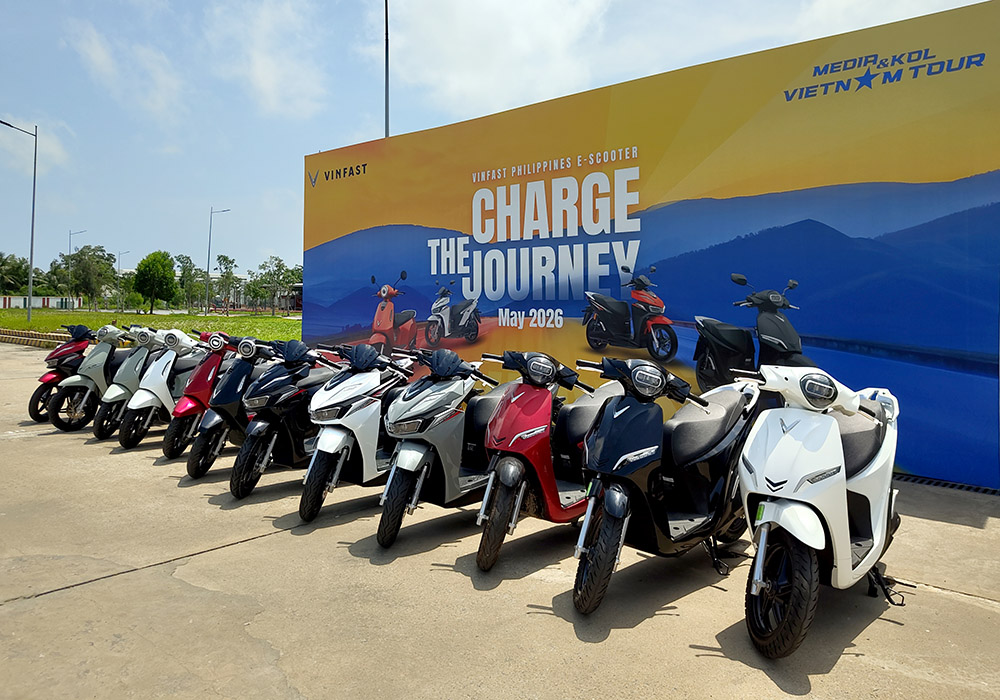
Whether Filipino riders are ready to fully embrace electric scooters remains to be seen. Adoption will ultimately depend on pricing, infrastructure execution, and customer confidence.
But after seeing the scale of VinFast’s operations in Hai Phong, one thing becomes clear: The company is betting big on the Philippines, and it appears prepared to back that bet with significant investment.

Comments