
If you were one of the over 180,000 people who visited the 2026 Manila International Auto Show last week, then you already know that hybrid and battery-electric vehicles are all the rage right now. The reason is simple. With fuel prices through the roof, electric cars are suddenly a tempting proposition—and not just for us hobby drivers. Logistics companies are being hit extra hard, as the huge fuel tanks of their diesel trucks are putting an almost ruinous strain onto company finances.
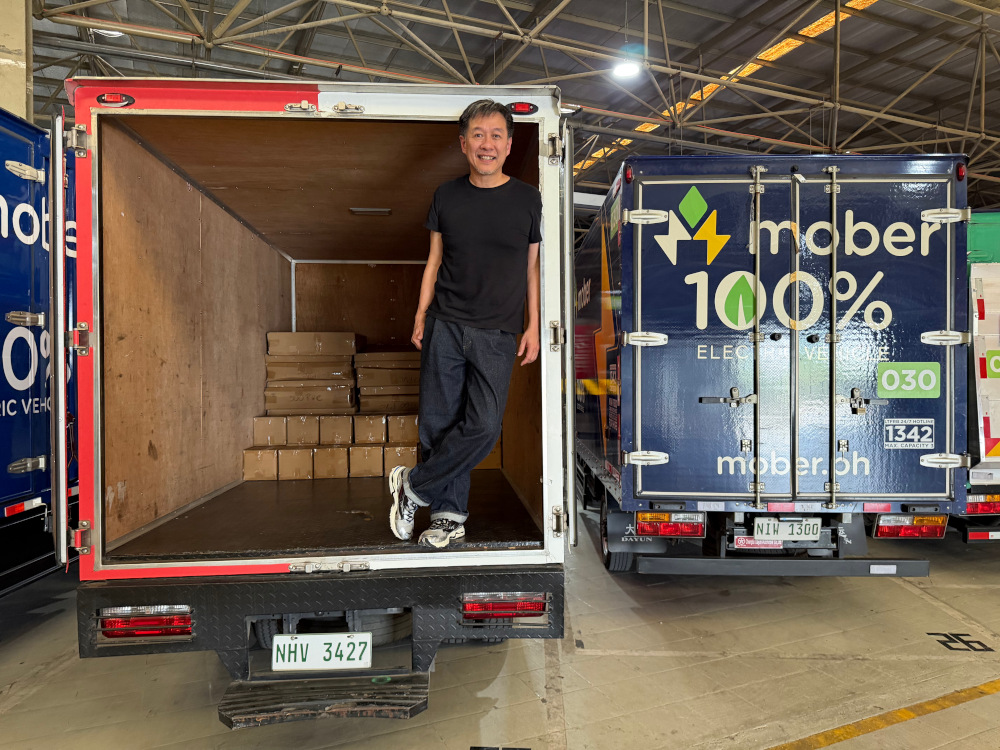
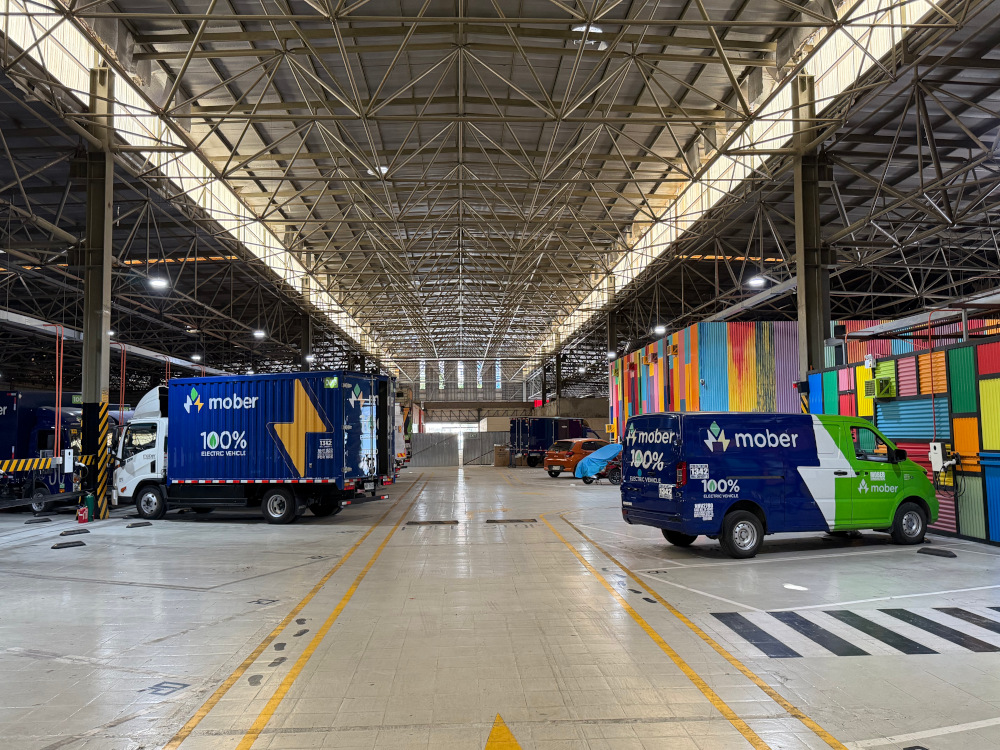
One man who knows this all too well is Dennis Ng, the CEO of electric logistics pioneer Mober. His phone hasn’t stopped ringing as countless traditional mom-and-pop trucking firms are looking toward electrifying their fleet to escape stratospheric diesel prices, and there’s no better person to ask about it than him. Unfortunately, things aren’t quite as easy for truckers as they are for private car owners, as he explained to us during an interview at the firm’s state-of-the-art charging hub in Pasay.
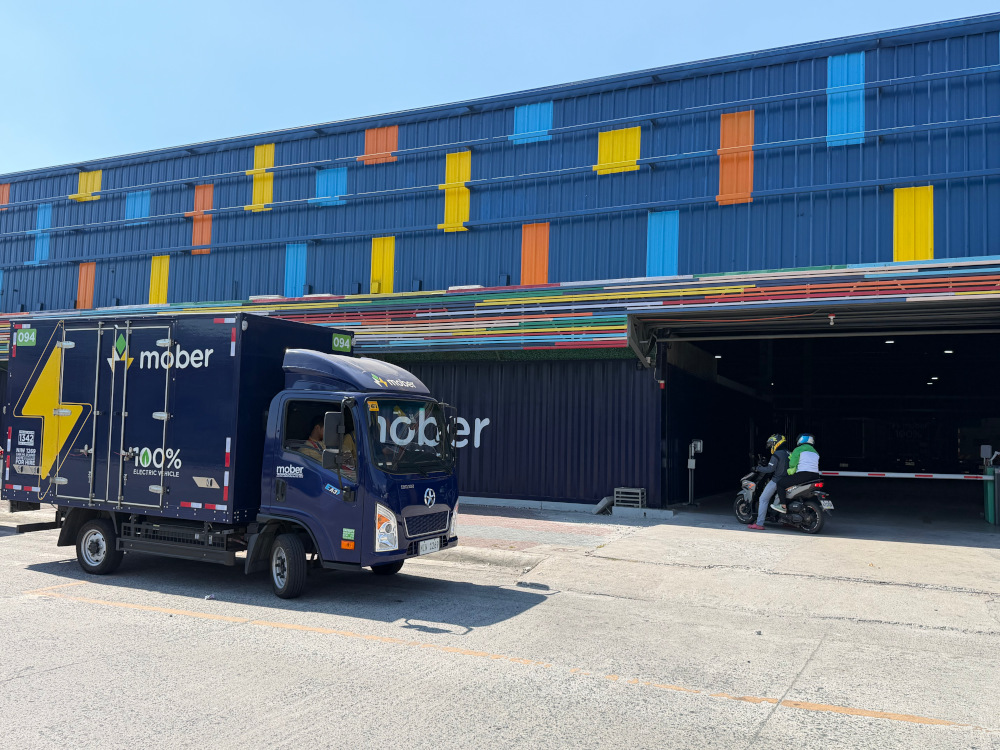
It’s easy to see why electric trucks suddenly look so attractive, with no exposure to diesel price volatility and (at least in theory) lower operating costs. The increased awareness about electrified logistics is also playing a part, with Mober being quite prominent in the space, and the firm’s zero-emission trucks now a firm feature in Metro Manila traffic. Finally, it’s not just cheaper fuel that drives battery-powered vans and trucks. Many companies—especially big conglomerates and multinationals—now have strict net-zero plans and ESG (environmental, social, and governance) requirements that mean they can’t just use any old truck to get their goods from A to B.
But the bad news for the half-a-dozen or so companies that phone him every day asking for advice is that switching from dinosaur juice to battery power can be quite hard. For starters, electric trucks are still way more expensive than diesel ones. A diesel box van books in at around P1.1 million, while an EV version is still around P2.1 million. This not only creates a capex problem for companies that are still paying off their existing fleet—and can’t just fork out even bigger sums for new trucks—but it also hits the balance sheet in more unexpected ways.
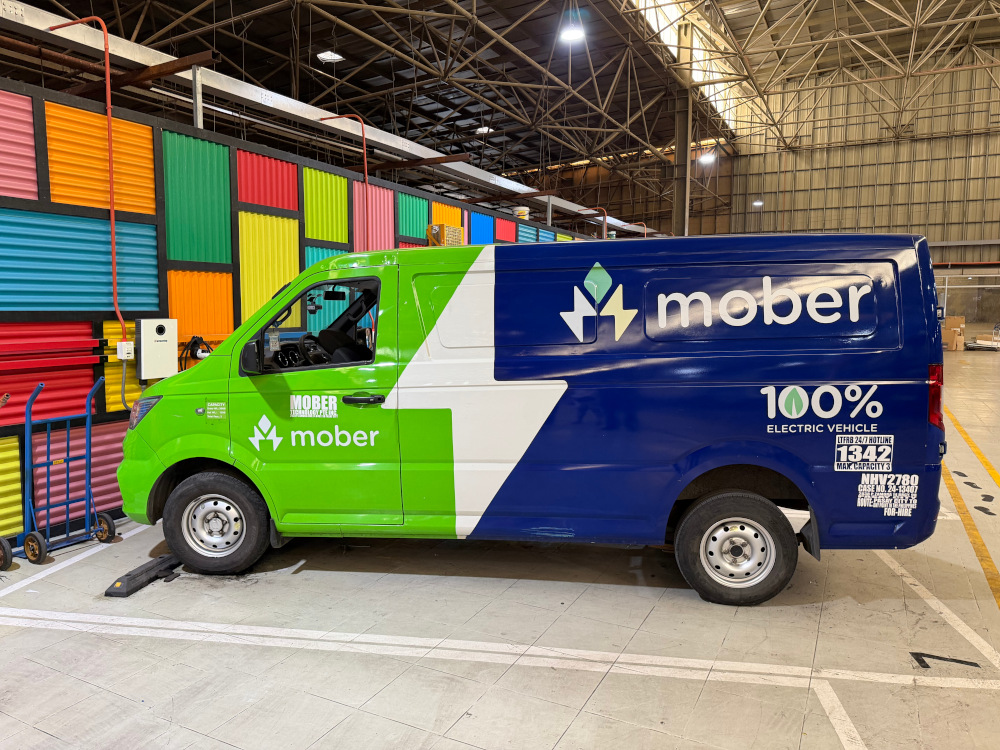
Insurance, for example, is based on the value of the vehicle, and therefore also more expensive for electric trucks. And financing options for commercial vehicles like this are still very limited around here. Mober can do it because it has investors who see the long-term potential of the firm’s business model and thinking. Many smaller operators who are looking to shift right now are doing so based on short-term, reactive thinking, driven by fuel-price increases. They are struggling with rising costs and collapsing margins, but switching to electric now with a view to switch back once diesel is cheap again is simply a business model that won’t work.
This isn’t a quick fix, and one look at the company’s charging hub in Pasay makes it clear that many new entrants are likely underestimating the complexity. It seems obvious that you either have to commit long-term and properly, or don’t commit to this type of shift at all.
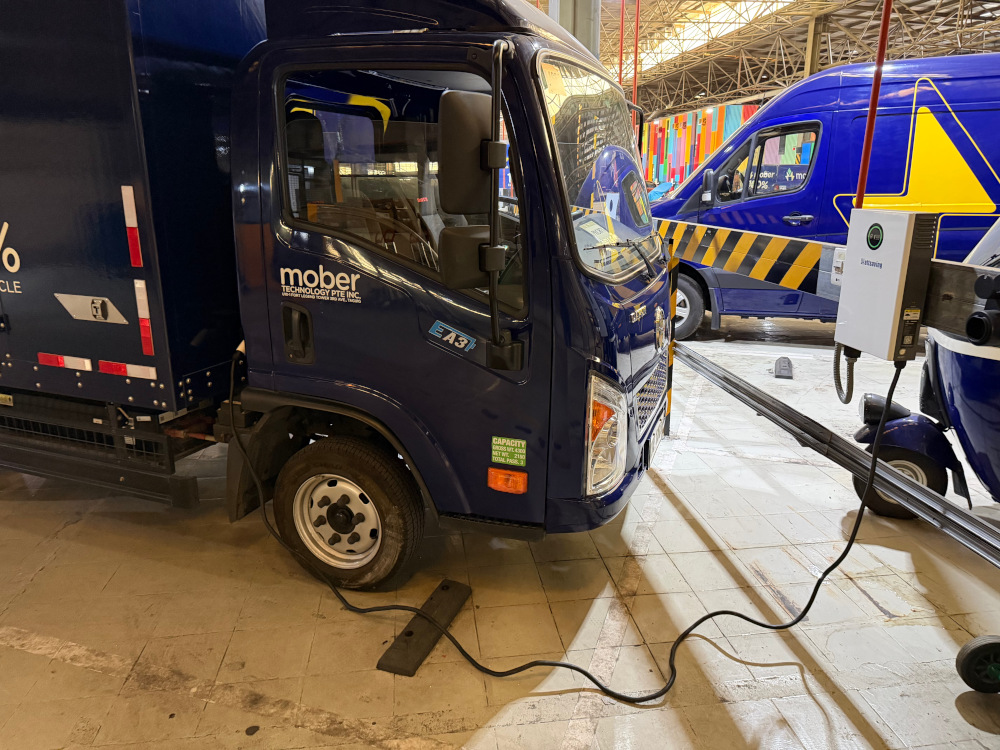
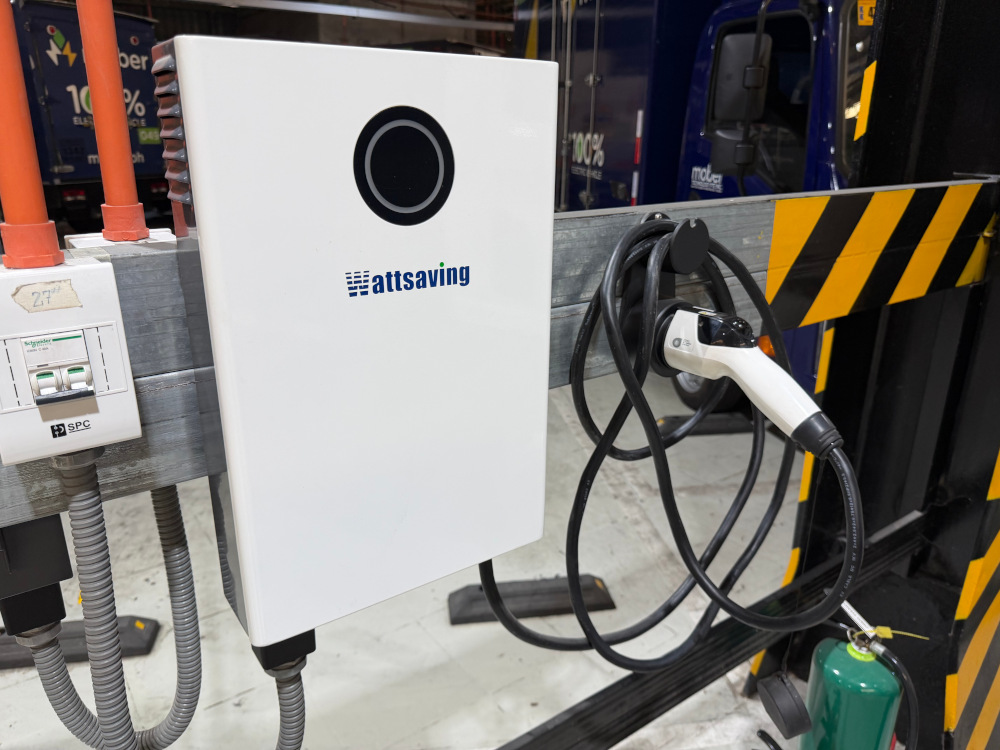
Not only do you need to buy expensive electric trucks, but you’ll also need somewhere to charge them, and that’s not exactly cheap or easy either. While smaller 7kW-type chargers can be had for as little as P10,000, once you want a bit more oomph going through the cable (and cut the charging times in the process), things get real expensive real fast. Faster chargers can cost P500,000 upward, and especially fleet setups will likely require complex installation work, with new cabling, power upgrades, and groundwork easily going into the millions of pesos before a single truck wheel has turned.
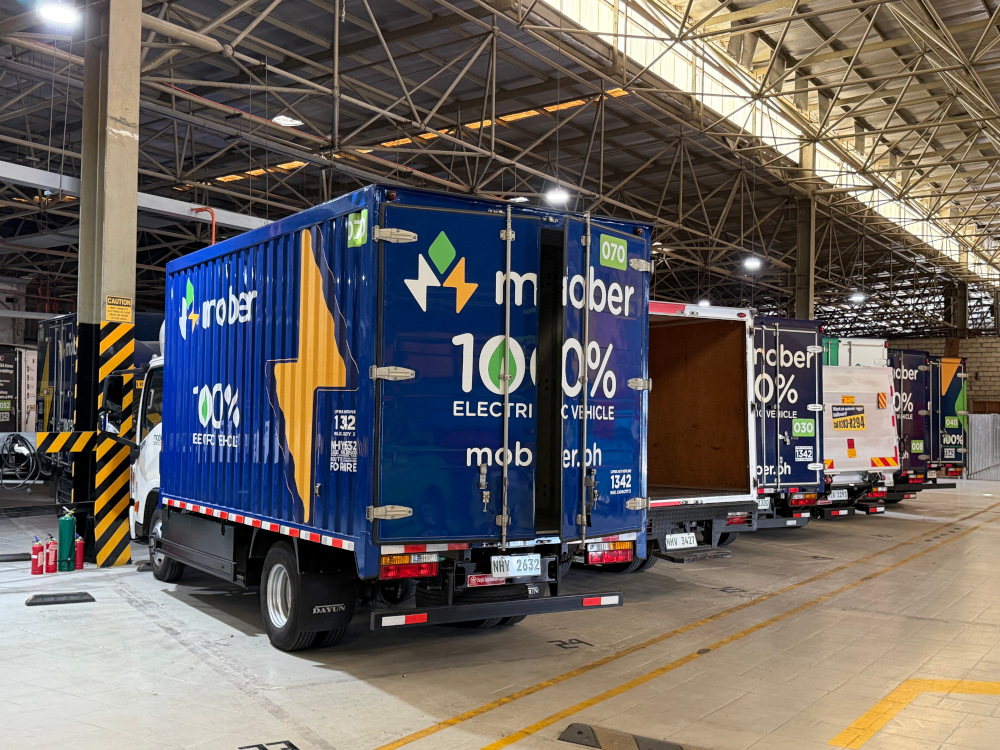
Public charging also isn’t really an option. While private cars can now use a growing number of public charging stations—making EV ownership a truly viable option even for condo dwellers—the same infrastructure simply isn’t designed to handle trucks. Their larger battery packs and higher power draw can easily overload charging points not designed for them. Best case is it will take ages to charge; worst case is you’re tripping the whole setup and causing a local brownout. Not ideal.
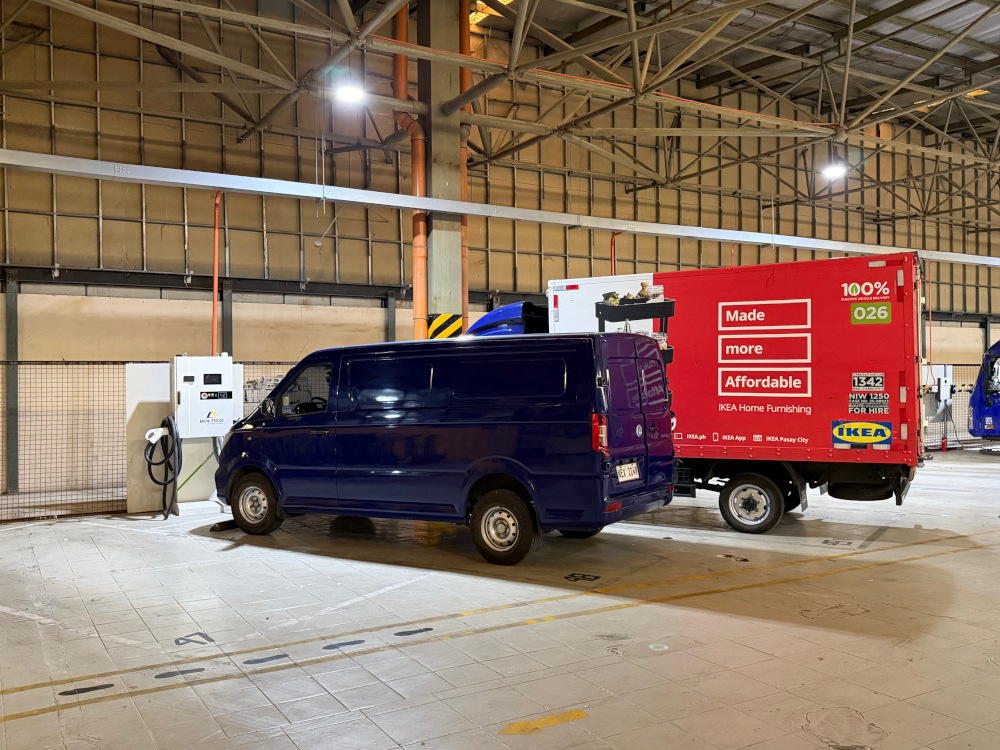
Once they are charged, however, the type of small box trucks that Mober uses can go up to 190km per charge. In real-world use, the range is closer to 120km as the firm never fully discharges the battery packs to aid with their longevity. Instead, Mober uses sophisticated battery management systems and route planning software, plus real-time monitoring to ensure that the trucks run as efficiently as possible. At night, they all return to the depot for charging.
So, how can new players overcome the barriers to entry that are often not obvious from the outside? The government could certainly help by pushing better infrastructure, improve grid capacity, and address certain regulatory quirks. Private financing and insurance providers need to up their game and adopt to changing times, but support also comes from an unexpected side: Mober itself. The company is looking into ways it can offer fleet rental and leasing options to other firms.
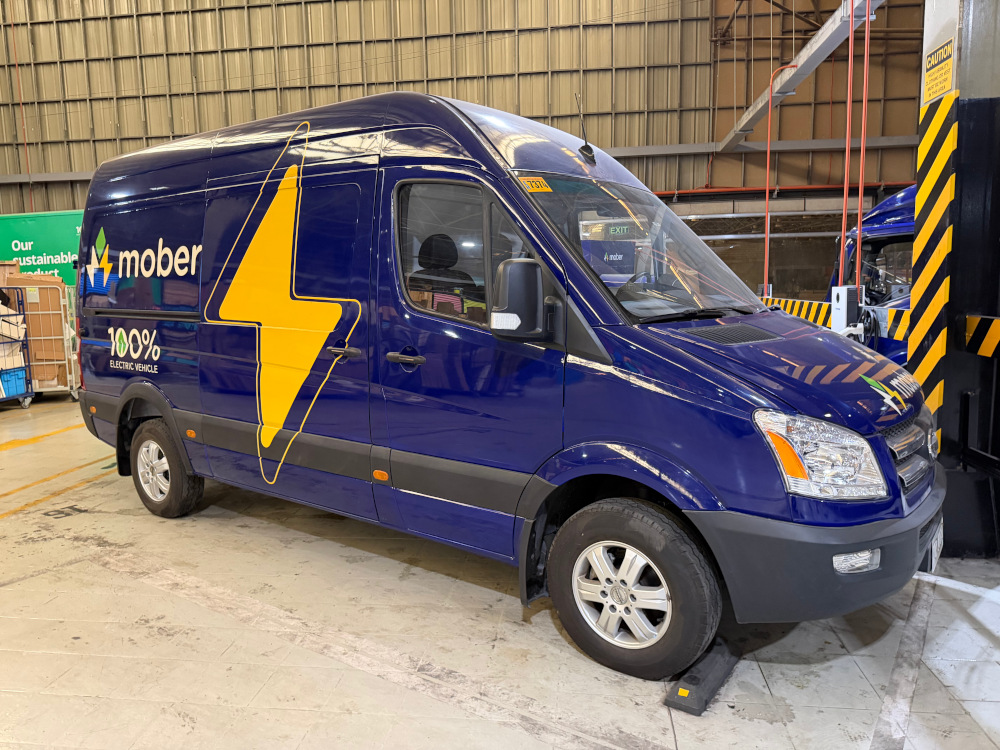
What seems counterproductive at first—giving trucks to other firms that will then essentially become the competition—makes sense if you understand how logistics works in general (and in the Philippines in particular). Many big companies do not give logistics contracts to just one trucking firm to avoid having all eggs in one basket. This means that, even if it wanted to, Mober couldn’t hoover up all the transport jobs out there right now. This is where mom-and-pop operators come into the picture again.
The Philippines doesn’t have many large fleet operators, so most of the work is divided among smaller firms that often only run a few units. Exactly those types of outfits that would normally struggle to get on the electric logistics train, but if they had access to electric trucks through affordable rental or leasing arrangements, they could slowly start the transition. Mober is looking to offer just that, creating a win-win situation for everyone involved. Slowly but surely, even heavier trucks will be electric, and all of this helps toward creating a cleaner, greener, and nicer version of the Philippines. It will just take a little bit more time.



Comments