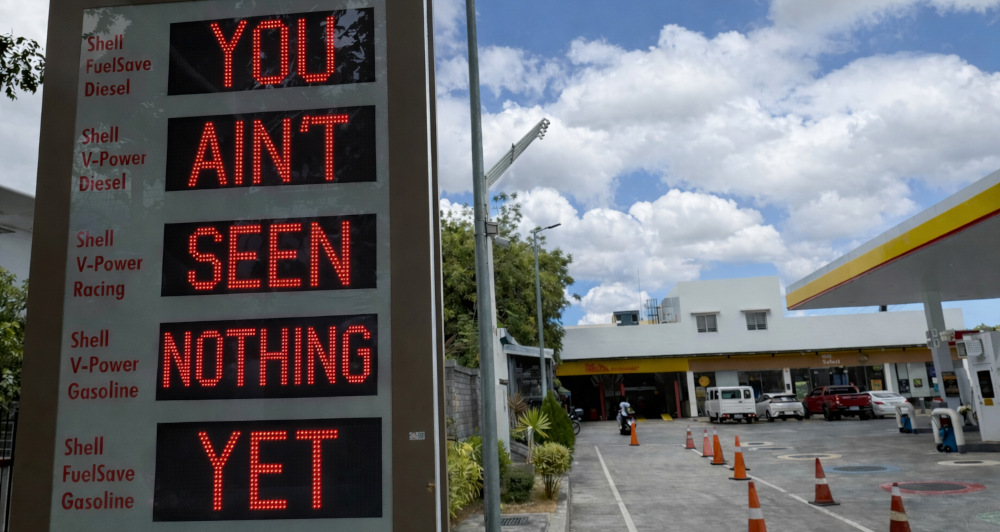

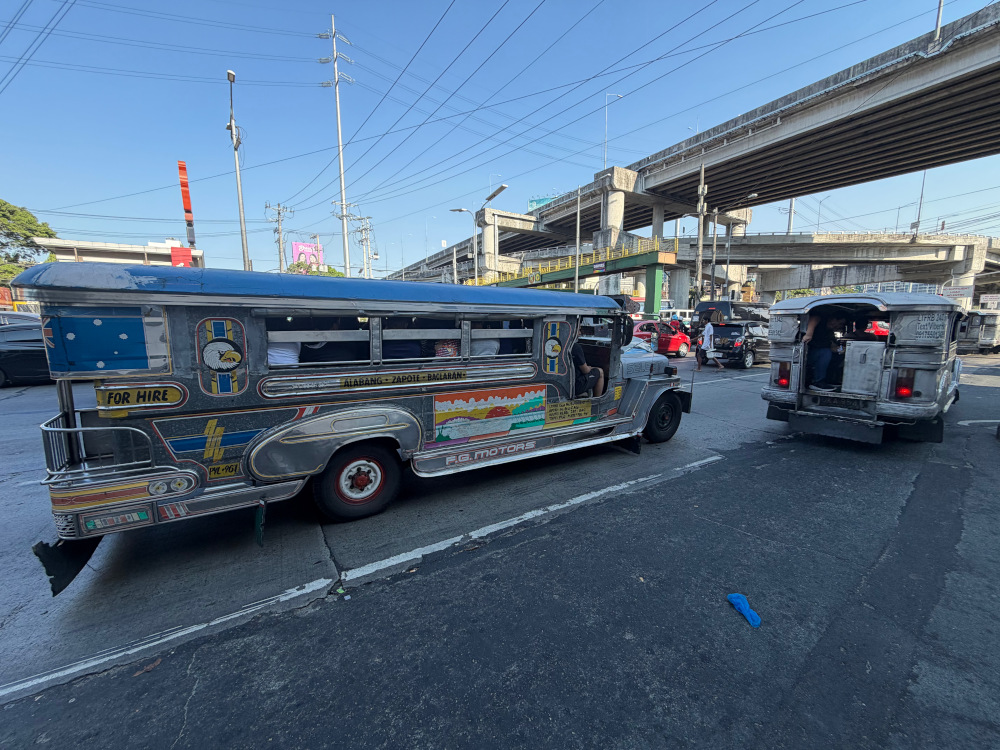
In a somewhat tragic way, we have just found out what it really takes to decongest Metro Manila. Not the MMDA nor citizen activism, but Donald Trump and the most serious Middle East oil crisis the planet has ever seen. The roads of this busy megacity got quieter recently not just because of Holy Week, but because many private car owners are feeling the pinch of record-high fuel prices, and it’s not only them. Jeepney, bus, taxi, TNVS, and UV Express drivers—who between them transport millions of Filipinos from A to B every day—are struggling to make ends meet more than usual, and many can already no longer afford to work.
We are once again living in unprecedented times, and yet, walk around the city right now and you wouldn’t really notice it. Apart from some queues at gas stations (usually the evening before price increases are due to hit), there is no real chaos. Quite the opposite. Especially during the long Holy Week weekend, the whole city was covered by an almost eerie calm as many people decided to still head out of town. An unsettling calm before the economic storm that is no doubt still heading toward the country.
Someone has posted a story—complete with a fake Department of Energy logo—that the country will go into an “energy lockdown” on April 20, and while this has been quickly put down as fake news by the palace, a good chunk of people found it credible enough to believe and share it. So, it seems like the famously resilient population of the Philippines is trying to calmly go about its day, but there is definitely a noticeable anxiety underneath.
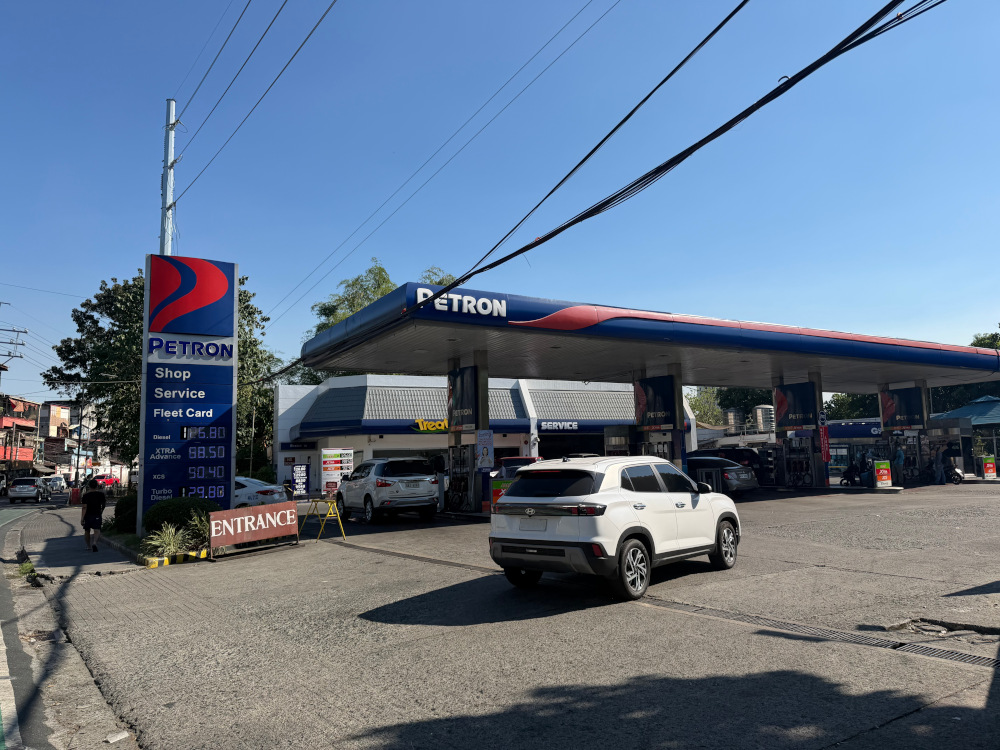
The crisis itself is not fake. On February 28, the USA and Israel launched joint strikes on Iran. Iran promptly responded by attacking critical infrastructure in neighboring countries and, most crucially, closing the Strait of Hormuz, the narrow channel through which roughly 20% of the world’s daily oil supply passes—the largest supply disruption in the history of the global oil market. The Philippines, which imports 98% of its oil from the Middle East, found itself more exposed than almost any other country on earth. On March 24, President Bongbong Marcos signed Executive Order No. 110, making the Philippines the first country in the world to formally declare a State of National Energy Emergency. South Korea told citizens to take shorter showers; Japan released emergency reserves; Thailand asked office workers to lower the air-conditioning; the Philippines went further than all of them, because it had further to fall.
The numbers at the pump are now beyond anything this country has ever seen. Diesel crossed P100, then P130, and as of this writing, industry projections point to P166 to P170 per liter before this week is out (another P17 to P19 increase in a single week, on top of everything already absorbed over the past month). Gasoline is heading toward P120. But to frame this as a motoring story is to miss the point almost entirely. Diesel moves every jeepney, every bus, (almost) every delivery truck, every fishing boat, and every farm tractor in this country. When diesel hits P170, the cost of getting to work, the price of food in the supermarket, the airfares, and the costs of shipping goods between islands will all move upward in lockstep and will not come back down until the war ends.
The Automobile Association Philippines has already suspended all motorsports permits, and Toyota Gazoo Racing Philippines has placed all upcoming racing events on hold. Airlines have suspended routes, and malls have cut their hours to help save energy. The Wholesale Electricity Spot Market has been suspended nationwide to prevent power bills from doubling. The Senate is now actively pushing for fuel rationing, last seen in this country during the 1973 oil embargo. If any one of those things had happened in isolation, it would have been front-page news for a week. All of them happened together, in the space of a fortnight, and the streets stayed quiet.
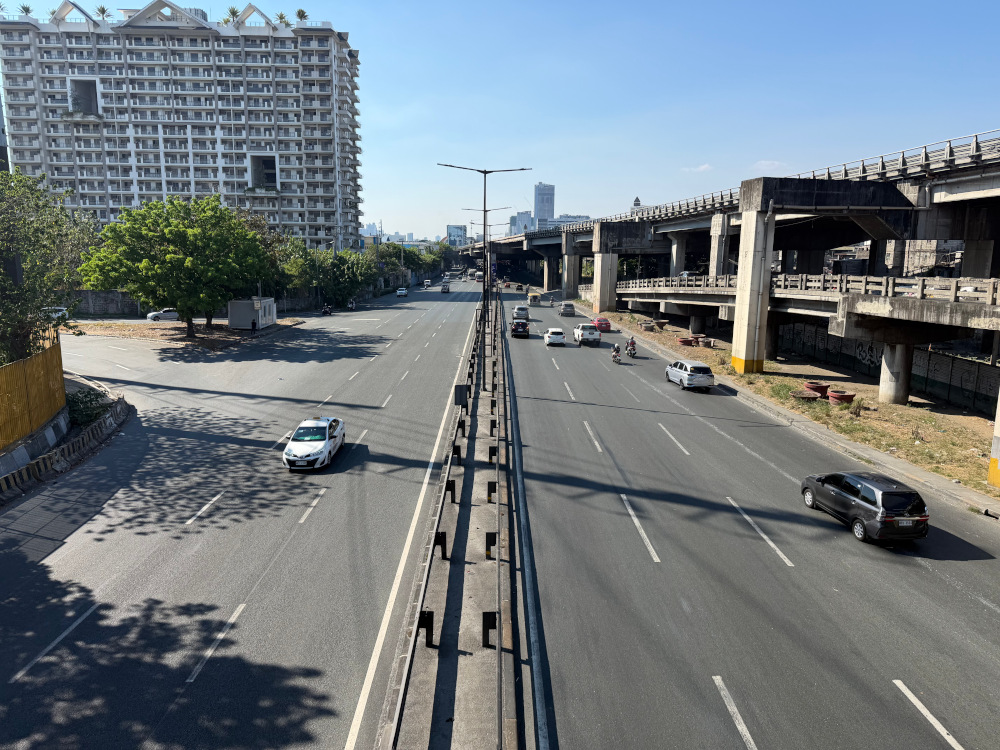
On the supply side, the government has moved fast and in directions few would have predicted a year ago. A P20-billion emergency fund has been released from the Malampaya Gas Fund. Petron, the country’s only refiner, has confirmed that it has procured 2.48 million barrels of Russian ESPO Blend crude—the first such purchase in five years—done “strictly out of extreme necessity” after its original Middle East shipment was turned back at the Strait of Hormuz on the very first day of the war. Russia has filled the gap that Saudi Arabia can no longer service. More Russian purchases will follow if the crisis continues, Petron’s parent company San Miguel has made clear.
Meanwhile, on Holy Thursday, Foreign Affairs secretary Theresa Lazaro secured a commitment from Iranian Foreign Minister Abbas Araghchi that Philippine-flagged vessels, energy shipments, and Filipino seafarers will be allowed safe, unhindered, and toll-free passage through the Strait of Hormuz. The Philippines joins China, India, Malaysia, and Thailand in receiving that designation from Tehran, while the United States—whose strikes in February triggered the blockade in the first place—still cannot get the waterway back open a month later. The Philippines, a close US treaty ally, is quietly negotiating its own energy corridor with Iran because Washington’s war is blocking Manila’s fuel supply. The geopolitical irony is remarkable, but it is also simply what pragmatic survival looks like.
The Hormuz assurance is genuinely good news, and the government deserves credit for pursuing it, but it doesn’t bring prices down. It does not cancel the latest diesel hike, and and it does not resolve the structural reality that this crisis has finally forced into the open: that a country importing 98% of its fuel from one region—with no meaningful strategic reserves, a deregulated oil industry that legally prevents price controls, and a refinery now running on emergency Russian crude—was never as stable as the good years suggested. The DOE has issued fuel purchase limits for motorists, some 425 petrol stations have already closed, and a P400-billion emergency supplemental budget is being discussed. These are not the symptoms of a contained situation.
Which brings us back to the quiet streets and the viral lockdown rumor. There are two ways to read the Filipino response to this crisis. The optimistic reading is that this is a country that has genuinely been stress-tested by history—martial law, financial crashes, Ondoy, Yolanda, a volcanic eruption, a pandemic—and has developed a real capacity to absorb shocks without coming apart at the seams. That resilience is not nothing. It is arguably one of the most underappreciated national assets that the Philippines possesses. The adjustments are happening quietly: people driving less, eating differently, traveling shorter distances, stretching their budgets in ways that never make the news but collectively hold the economy together.
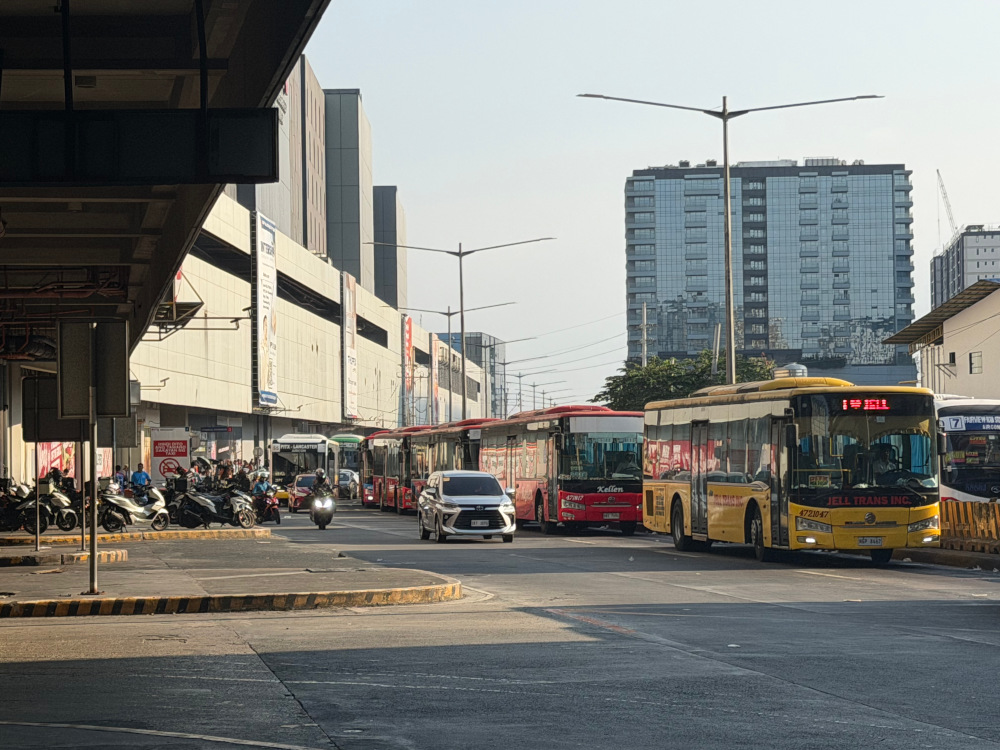
The more sobering reading is that the full weight of this crisis has not yet landed. That P170 diesel is still making its way through the supply chain toward the dinner table. The layoffs, the shuttered small businesses, the impossible fares, and the food price shocks are still building rather than peaking. The calm is not the resilience that comes after a storm has passed, but the eerie stillness that precedes one—and that if the Strait assurance does not hold, if the war drags into June and beyond, the government’s own economists have already put numbers to what follows: inflation in double digits, GDP growth collapsing to 3.5%, OFW remittances dropping by up to P167 billion. An energy lockdown rumor went viral this week because it was fake. The version the government actually told you to worry about—P170 diesel, hundreds of closed gas stations, fuel rationing being discussed—was completely real and somehow generated less panic. That, in itself, is something worth thinking about.
The roads got quieter. That is either the sound of a country that knows how to weather a storm, or the sound of one that has not yet realized how big the storm is. Most likely, it is a bit of both, and the next few weeks will decide which answer matters more.








Comments