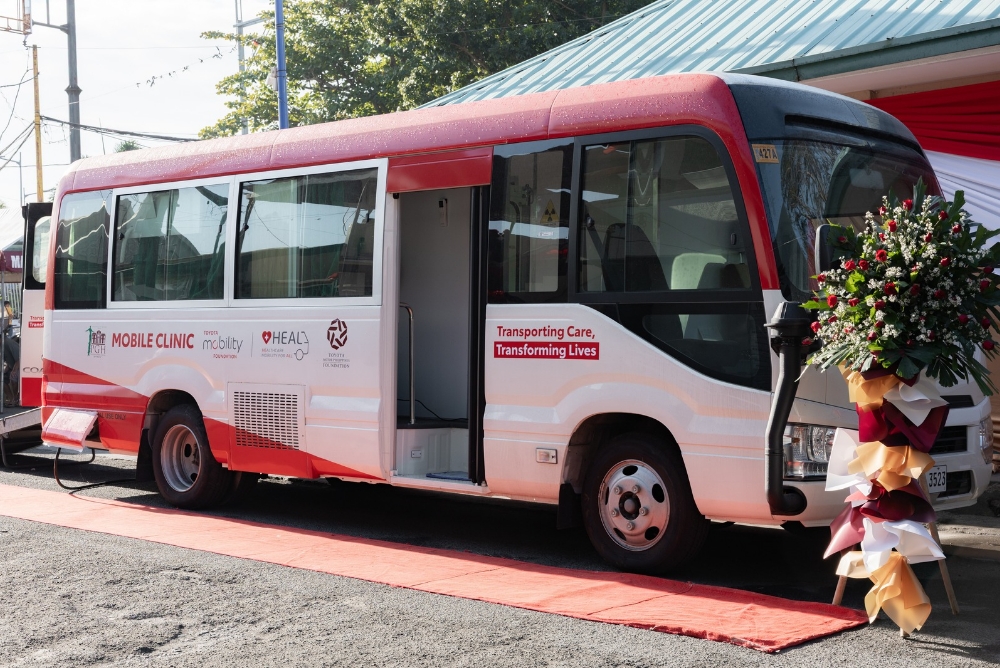

Medical missions are often a collaboration between health staff, locals, and supporting bodies. Most of these programs struggle in remote areas, or—if they do occur—they are fewer and less in-depth. For instance, the scope is limited. Teams are small, only a few people are accommodated, and laboratory services are almost impossible.
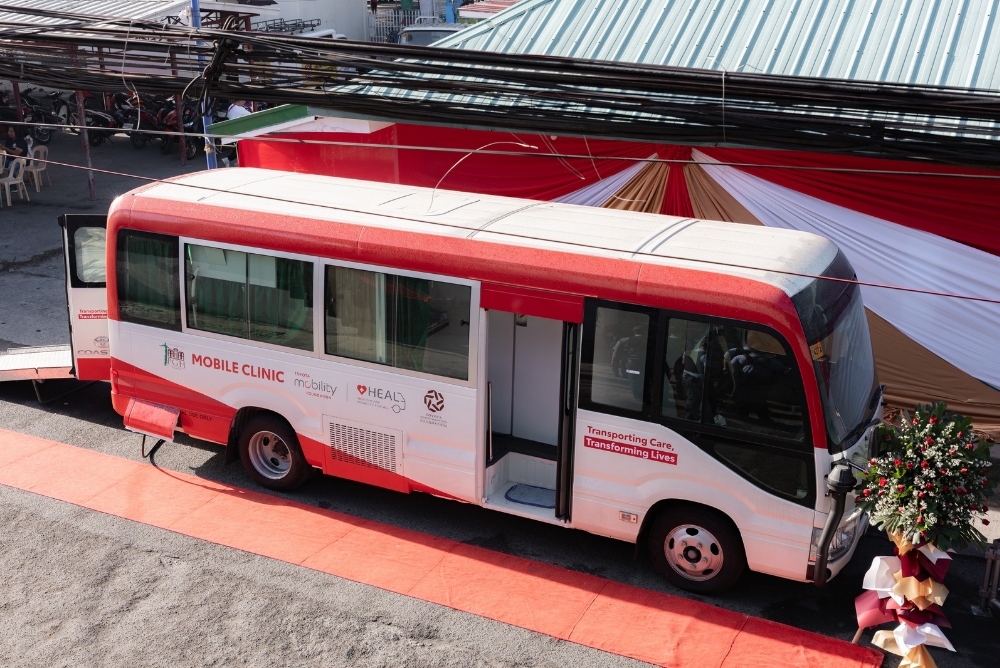
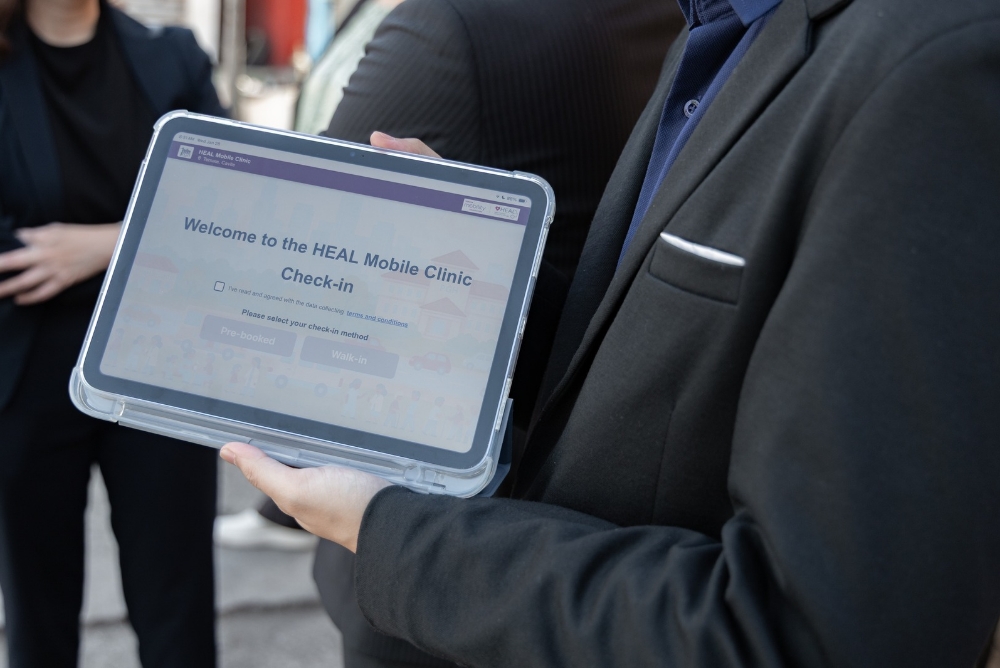
In recent years, however, mobile clinics have become more prominent, reaching the underserved communities. One of the most recently launched initiatives is the Healthcare Mobility for All (HEAL) program, which aims to reduce patients’ long travel times, improve the subject flow through a digital self-check-in system, and streamline clinical operations.
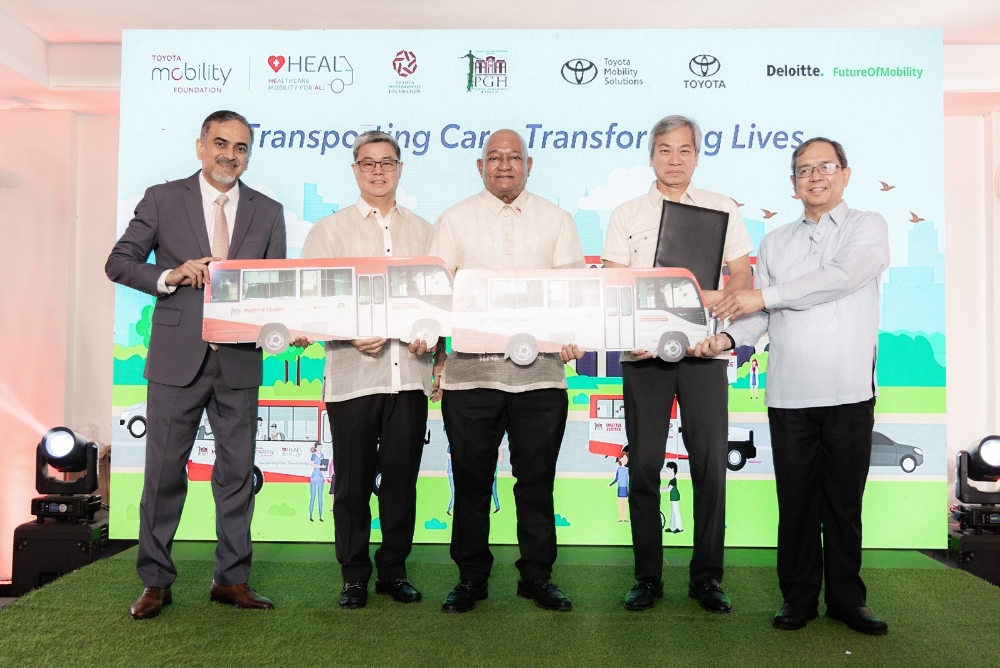
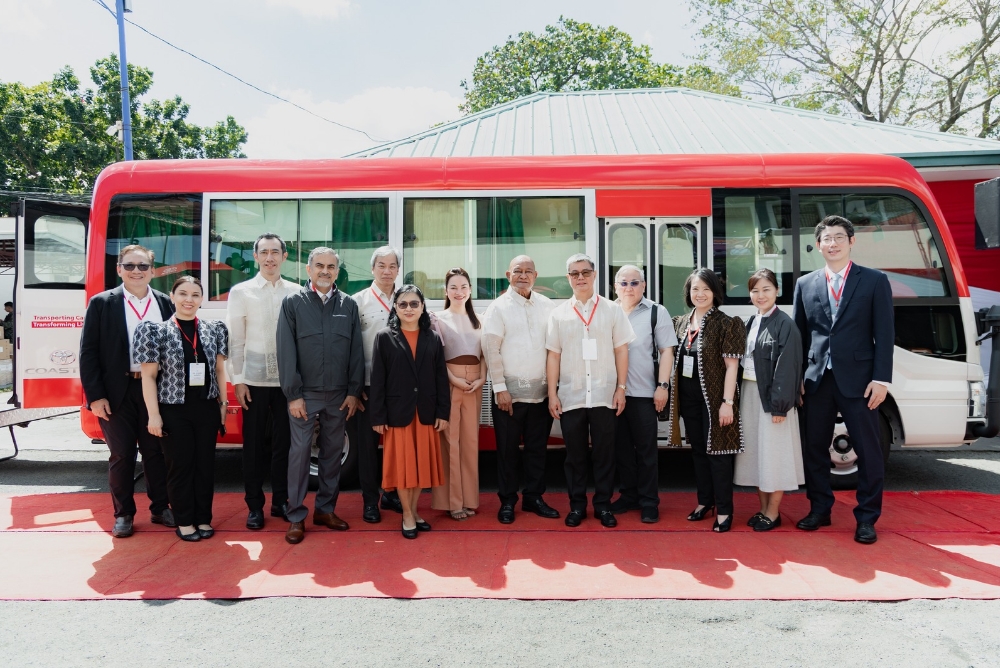
The program is a collaboration among the Toyota Mobility Foundation, the Toyota Motor Philippines Foundation, and the University of the Philippines-Philippine General Hospital (UP-PGH).
The HEAL Mobile Clinic was launched on December 19, 2025, with the first Toyota Coaster being deployed to Ternate, Cavite, and the second is set to be in New Clark City, Tarlac. This brings essential services closer to patients, and minimizes the need for long-distance travel.
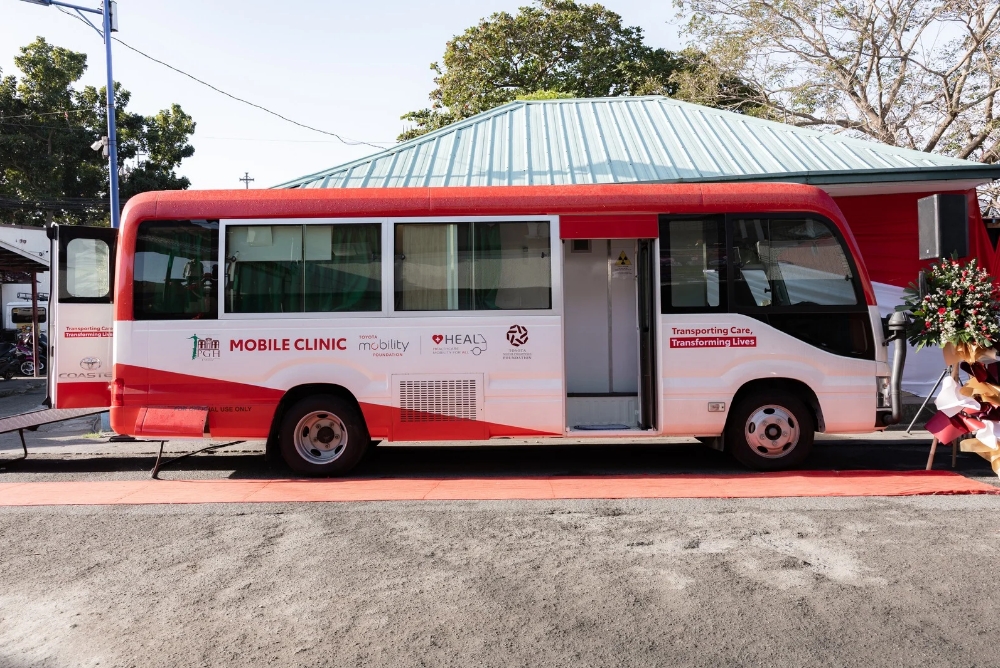
Eight diagnostic services are being offered to address the most common diseases among Filipinos: chest X-ray, complete blood count (CBC), electrocardiogram (ECG), hemoglobin A1c (HbA1c), urinalysis, lipid profile, fasting blood sugar (FBS) or random blood sugar (RBS), and creatinine testing.
As technology advances, mobility is now a key to effective healthcare delivery. How will Toyota enhance medical portability? How can UP-PGH’s expertise help the program succeed? Only time will tell.



Comments