

Social media has been buzzing for a couple of days now after a video of an argument had been posted online. In the video, a Metropolitan Manila Development Authority enforcer and the owner of a Toyota Tamaraw dropside pickup are seen having a heated discussion.
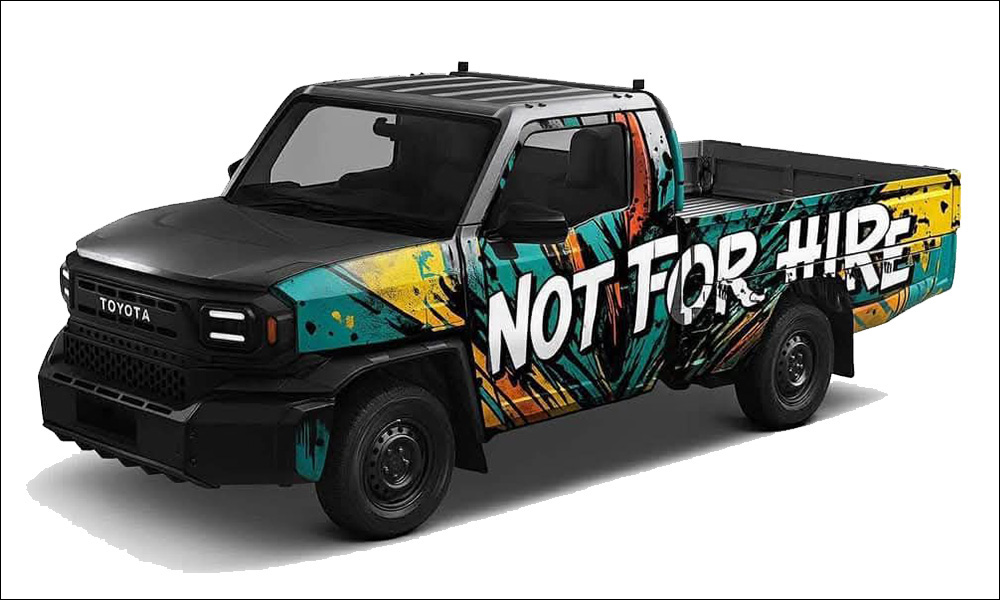
The officer was apprehending the motorist because the latter’s loaded pickup didn’t have a “NOT FOR HIRE” sticker. Some netizens sided with the motorist, arguing that private vehicles don’t need such markings.
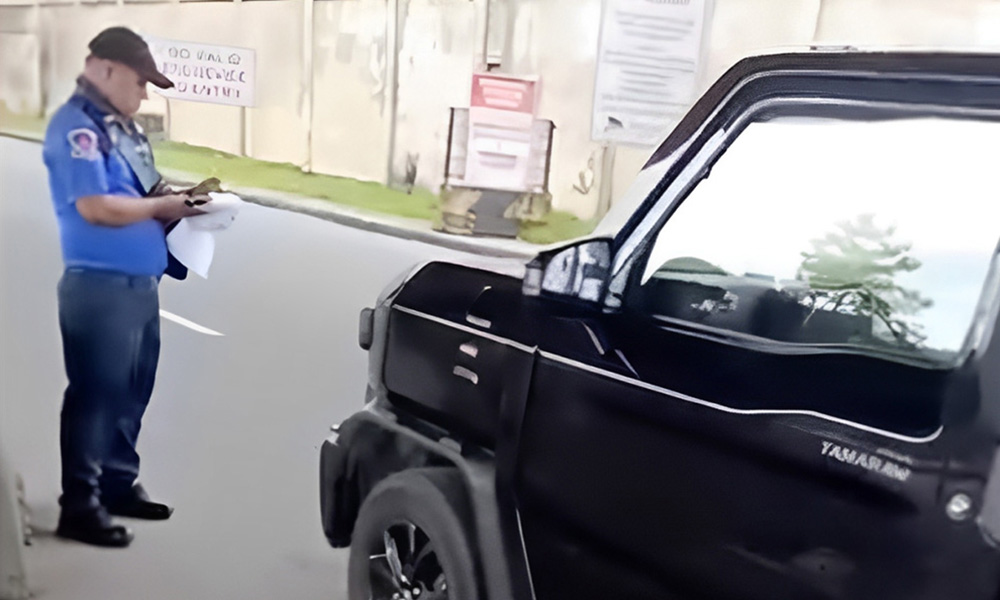
Others supported the enforcer, claiming that commercial vehicles like the Tamaraw are required to have one. But who was truly in the wrong? We did some digging and discovered something.
By examining various memoranda from the Land Transportation Office, we found no clear support for the requirement of a “not for hire” sticker. The two closest references about such markings are the agency’s Department Order Numbers 93-693 (November 1994) and 2008-39 (August 2008).
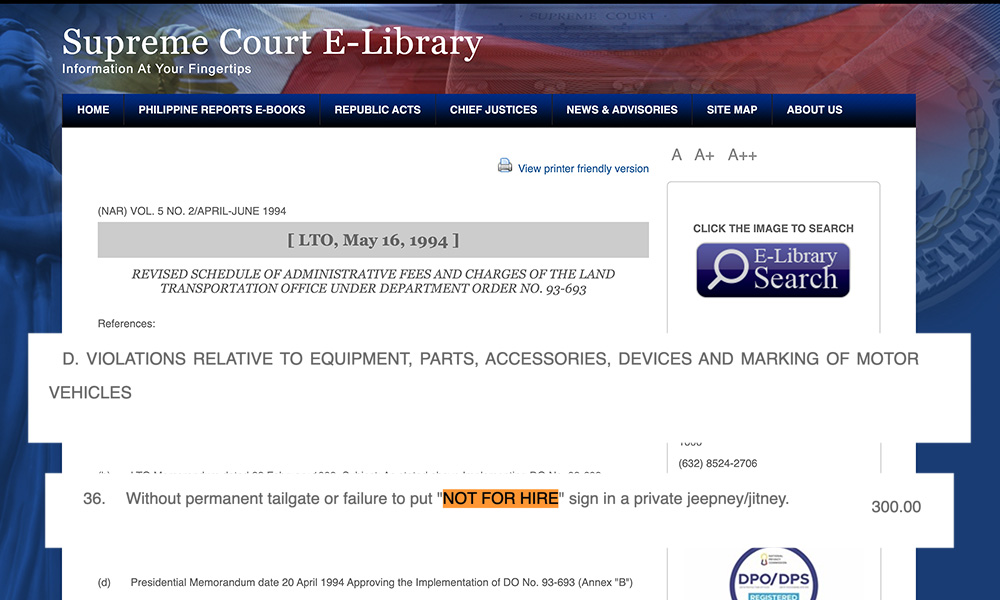
For DO93-693 (“Revised Schedule of Administrative Fees and Charges of the Land Transportation Office”), item 36 of Section D (“Violations Relative to Equipment, Parts, Accessories, Devices, and Marking of Motor Vehicles”) states that privately registered jeepney should have a permanent tailgate or a “not for hire” sign. Failure to comply will result in a P300 fine.
This sign helps prevent confusion between for-hire and non-for-hire jeeps. But nowhere in the DO does it say that privately registered commercial vehicles must also bear the same marking.
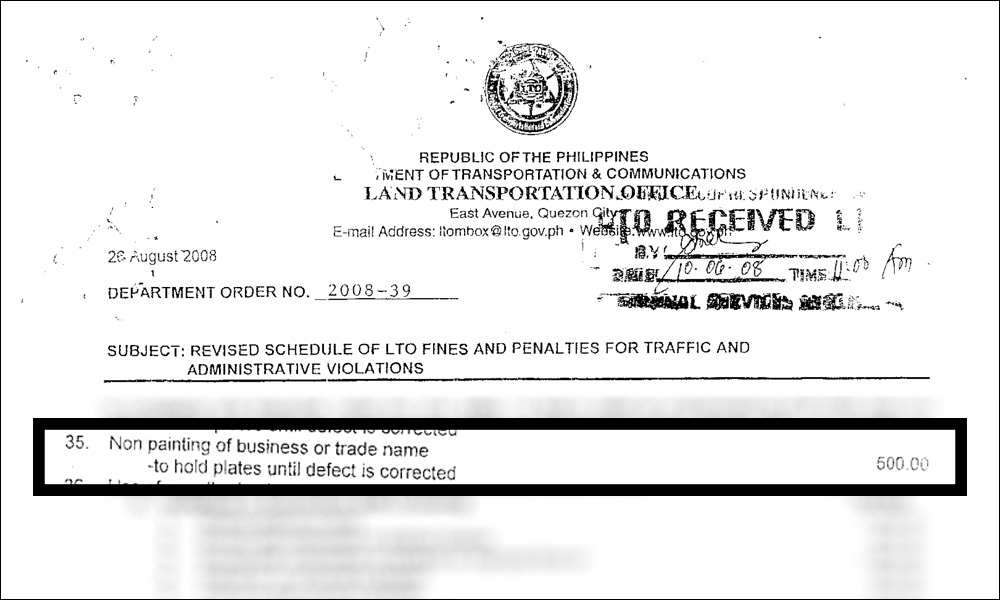
The phrase “not for hire” wouldn’t even be seen in DO2008-39. Section C (“Violations Relative to Equipment, Parts, Accessories, Devices, and Markings of Motor Vehicles”) item 35 states that “non-painting of business or trade name” requires the vehicle’s license plate to be held until the defect is fixed. The driver would also be fined P500.
Again, no mention of a “not for hire” marking requirement for privately registered commercial vehicles.
Finally, in the latest list of violations and penalties based on a Joint Administrative Order from the Department of Transportation (called DOTC then) in 2014, the DOTC JAO No. 2014-01 made no explicit mention of requiring private commercial vehicles to have the “not for hire” marking.
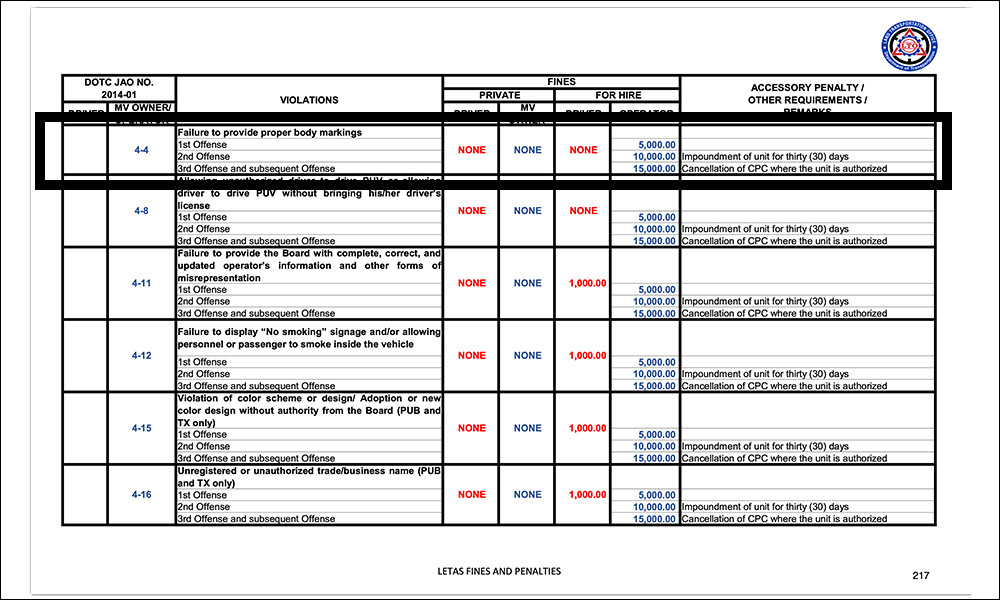
This time, for-hire vehicles are required to have body markings, but not private vehicles. Given these, does it mean that the motorist’s apprehension was illegal?
A page on the MMDA’s website lists violations and penalties that have been updated in 2024. While violation code 137 says that not having a not-for-hire sign is indeed an infraction, it doesn’t specify which vehicles should have it.
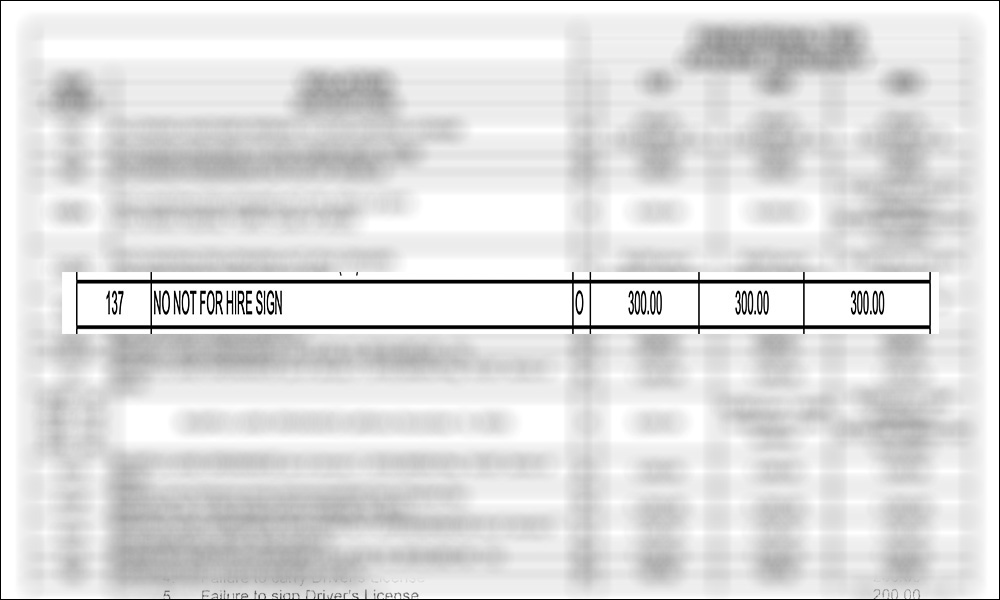
Confusingly, though, MMDA chairman Romando Artes has said that there is no need for private vehicles to have a “not for hire” body marking. The agency has also officially announced this through a Facebook post.
By now, you might think that the apprehension has no basis, right? Well, yes and no. While the “no not for hire” violation is voided, Artes claims that the motorist still had another violation—a graver one at that.
The MMDA boss says that the driver was allegedly operating as an illegitimate courier service provider (or colorum) for the ordinary Juan.

Artes later shares that there is a special team that targets motorists who violate administrative rules, like colorum vehicles. And that most MMDA enforcers, including the one involved in the video, can only check for the vehicle’s cargo and pertinent documents about it if the driver has committed a primary traffic violation.
After the video had gone viral, other victims of extortion came forward, filing complaints against the same enforcer, who is now under the agency’s investigation.
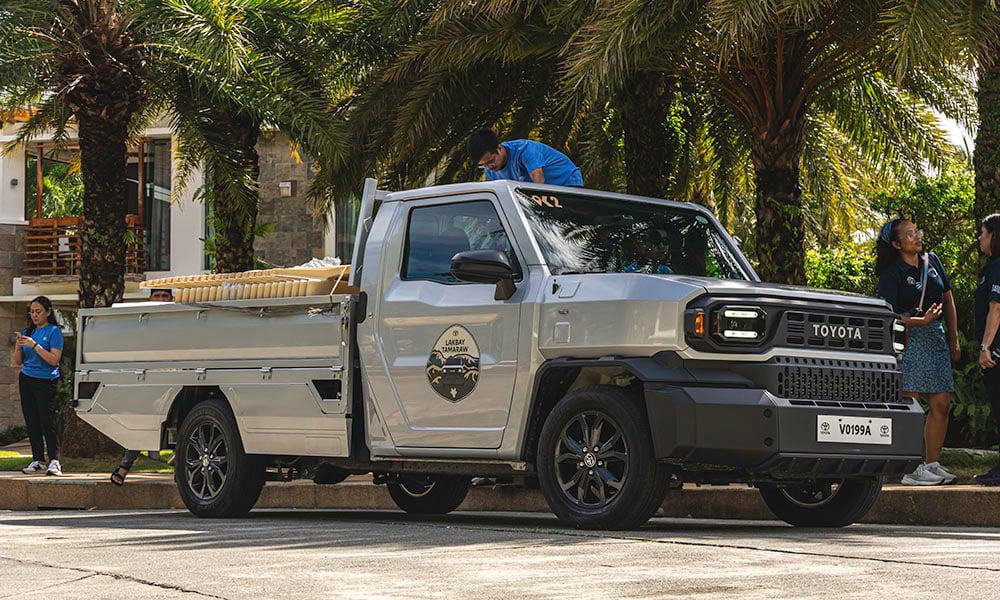
So, there you have it. No laws or any LTO orders require the installation of “not for hire” markings on privately registered commercial vehicles. But if you’re driving one and hauling something, you should be able to prove that the trip is personal and not for profit to evade apprehension.
This situation illustrates what happens when rules are vague and there is no unified authority for traffic management. This gives corrupt law enforcers enough leeway to exploit and extort money from citizens who don’t want to deal with the hassles of apprehension (or colorum operators wanting to continue their illegal activities).
Sadly, we don’t have much choice but to hope that the powers-that-be finally fix these issues so we can have clear-cut rules that are easier to understand and comply with.







Comments