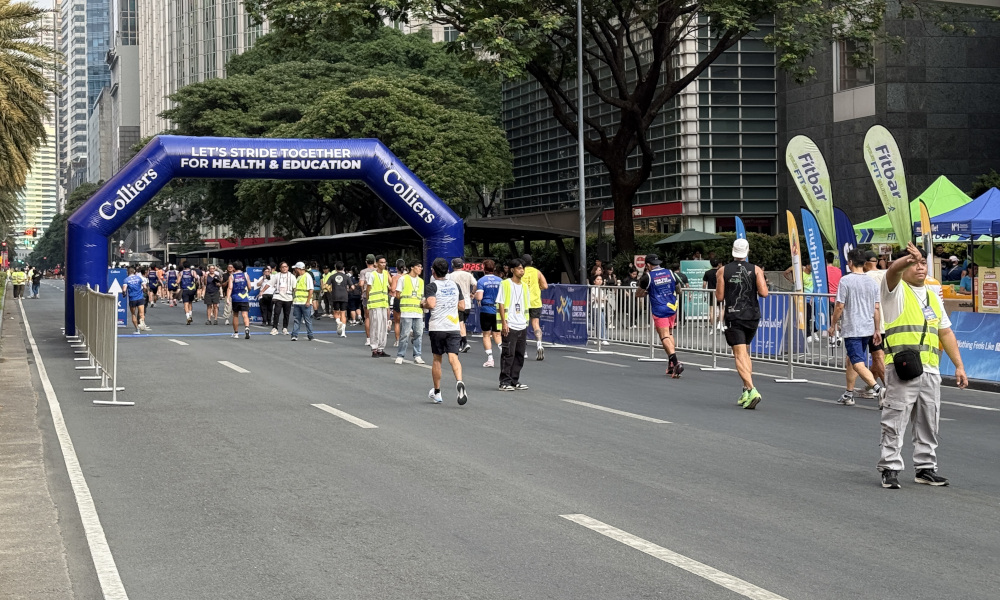

Every Sunday, most of Ayala Avenue is closed off to motor vehicles, so that people have a safe space where they can walk, run, and bike. It’s a wonderful event that helps promote active and healthy living.
However, Car-Free Sunday on Ayala Avenue (or Car-Free Ayala for short) on April 19 was a disaster when Colliers Philippines held “Together for the Long Run.” The point of this article is not to merely vent out frustration, but to point out what went wrong and how it could be prevented next time.
Before anyone thinks I’m being entitled, there are a few things to take note:
- No one is entitled to the event because it is held on private property;
- The issue isn’t about cyclists vs. runners; and
- Safety is the top priority for everyone.
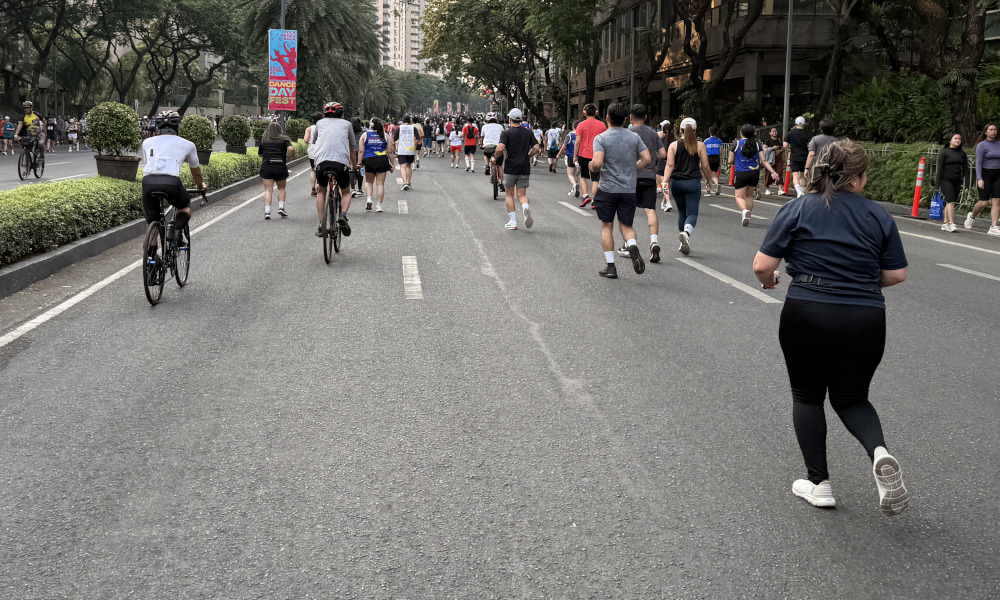
There was no separation between runners and cyclists. The runners and the cyclists are usually separated by orange bollards (the same ones used for the bike lane) and by the physical barriers near PUV stops. For whatever reason, the orange bollards were all placed to the side. And the end result was that runners were all over the road.
Again, I’m not saying that they shouldn’t be there, or that cyclists have priority. But it’s not safe to mix the two groups together because they travel at significantly different speeds, with the runners being more vulnerable.
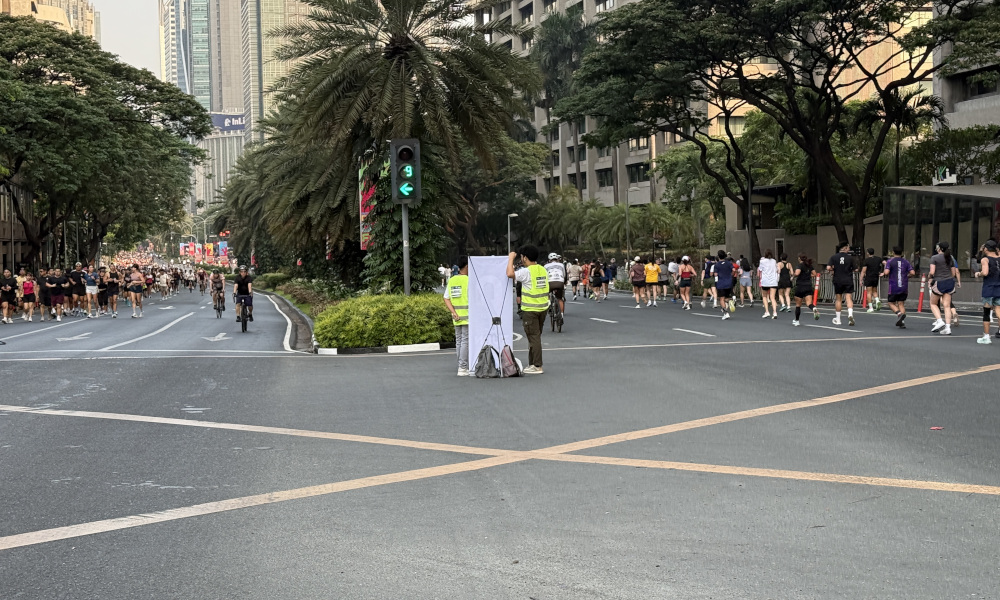
It also doesn’t help that the dedicated U-turn slot for fun-run participants was located at the intersection with Parkway Drive. Instead of turning around at the end of Car-Free Ayala, runners would have to cross the street, putting them at risk with oncoming cyclists.
Safety is paramount, which is why the organizers should aim to prevent collisions, rather than open the door to conflict.
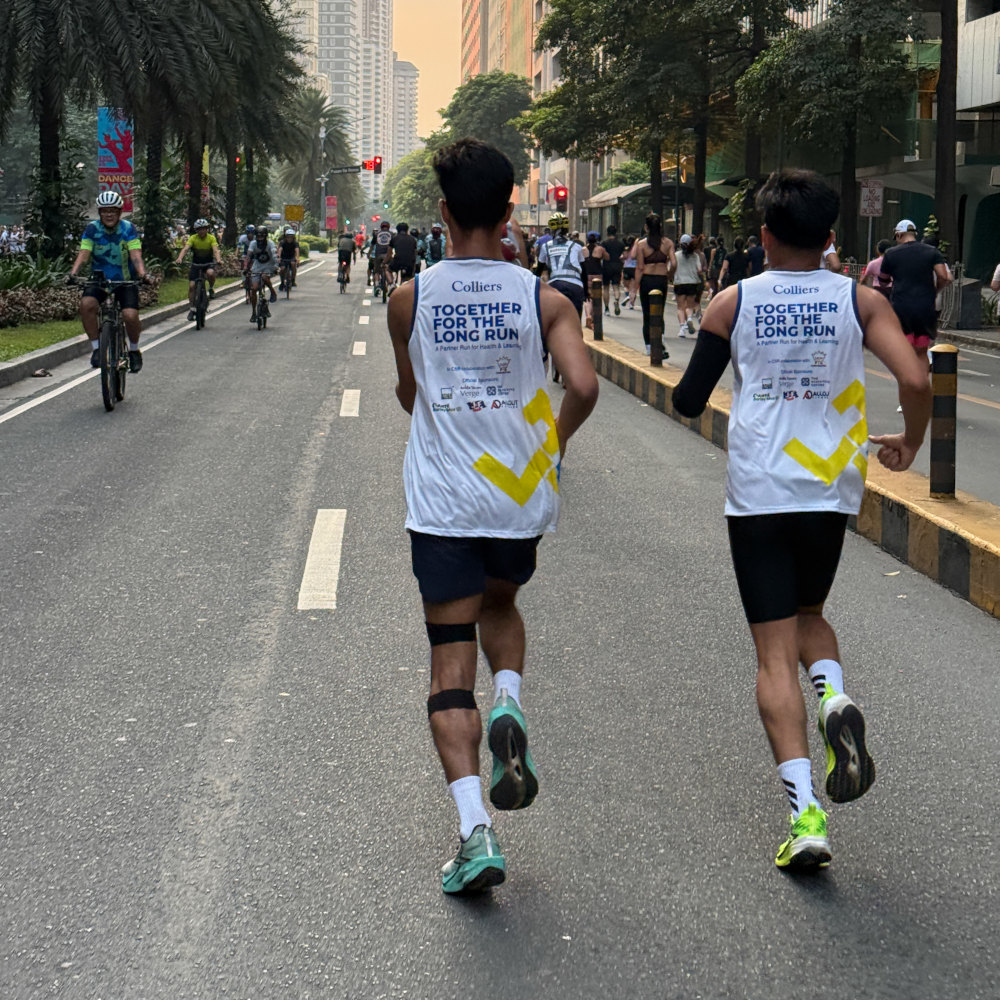
The fun-run marshals did not know where cyclists were supposed to pass. During the fun run, the event had its own marshals separate from the usual security of Car-Free Ayala. They weren’t helpful.
There were instances when they prohibited cyclists from moving forward, but were clueless as to where the latter were supposed to pass. So, the next best thing anyone on a bike could do was counterflow on the other side.
This was most prevalent in front of Ayala Triangle where the arch was located. Space was already limited on the other side because runners were encroaching on the cyclists’ lanes, and now fellow bikers had to make sure they didn’t crash into each other head-on.
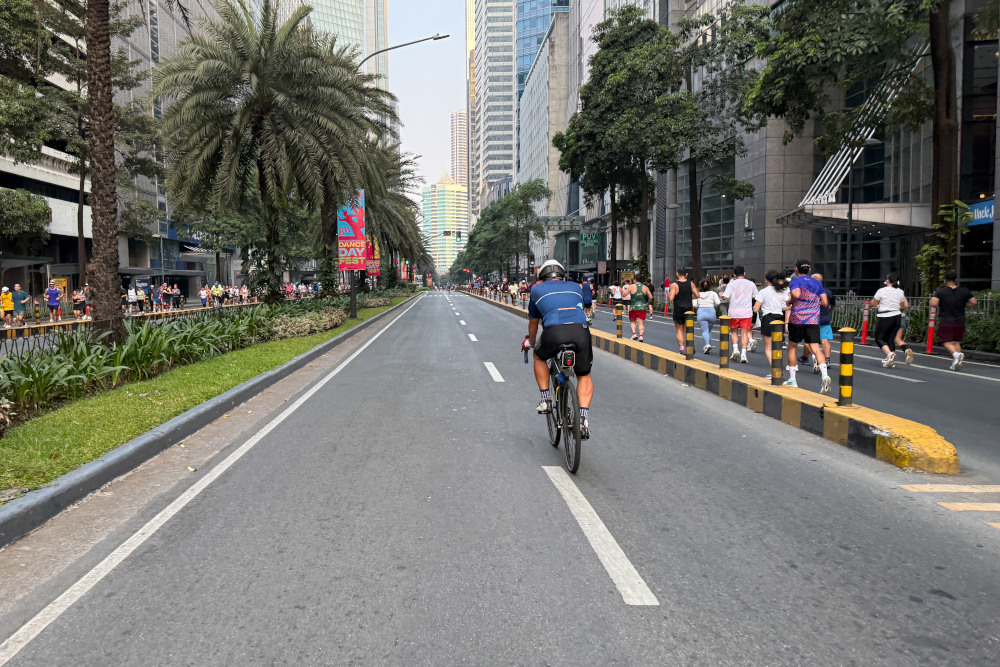
So, what’s the solution to prevent this mess from happening again? There’s no reason why runners and cyclists can’t share the road. But it’s important to make sure that each group has their own dedicated path to prevent conflict. Cyclists don’t like slowing down and weaving around pedestrians, and I’m pretty sure runners don’t appreciate being told to move aside for cyclists or getting close-passed by them.
Now, if there really isn’t enough space to accommodate cyclists due to the fun run, then it would have been better to close off the street to bikers. Just make sure there is a prior announcement on the Make It Makati page, and that the schedule is followed.
We don’t want to end up with a situation where groups of cyclists arrive only to be barred by the security because the fun-run egress didn’t finish on time. This has happened repeatedly in the past, to the point that people don’t trust that the organizer will follow the schedule—as if it were allergic to coordination and communication.
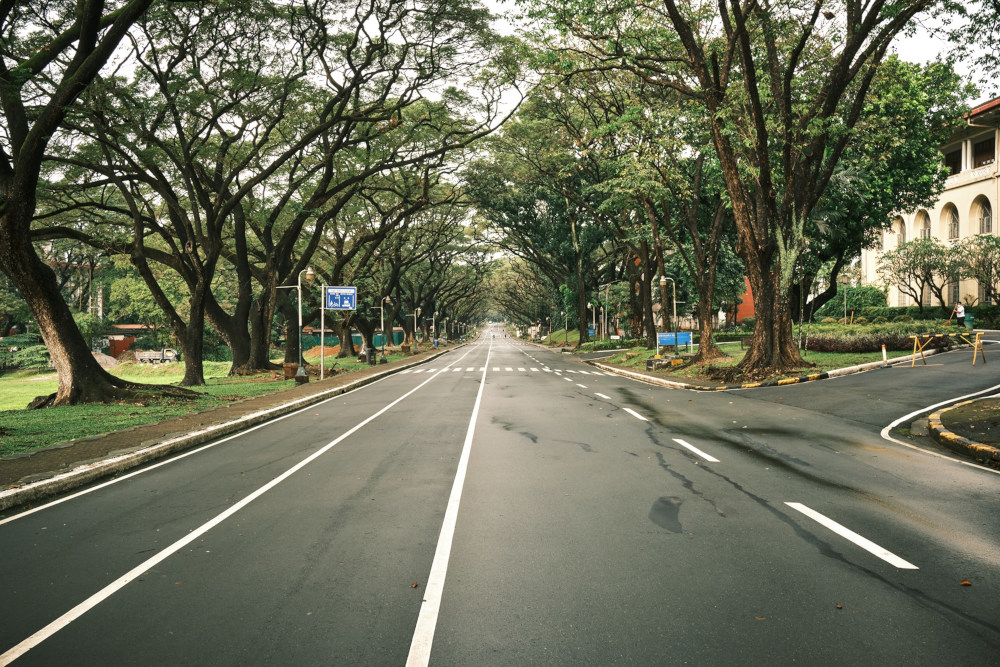
It’s good that we have Car-Free Ayala, but it falls short because it prioritizes corporate interests. Looking at the bigger picture, the root problem is the lack of public spaces. That’s why runners flock around car-free streets and in places like the UP Academic Oval.
As mentioned by Jacque Manabat, running is political (and it’s the same with cycling). LGUs and politicians create the environments where people walk, jog, run, and bike. And when the infrastructure and the street design are unsafe, this puts human lives at risk.
The issue of public spaces is not a conflict between cyclists and runners, but a lack of safe and accessible places that people can enjoy—free from the danger of motor vehicles. That’s why we need to advocate for it in order for the government to take things seriously.





Comments