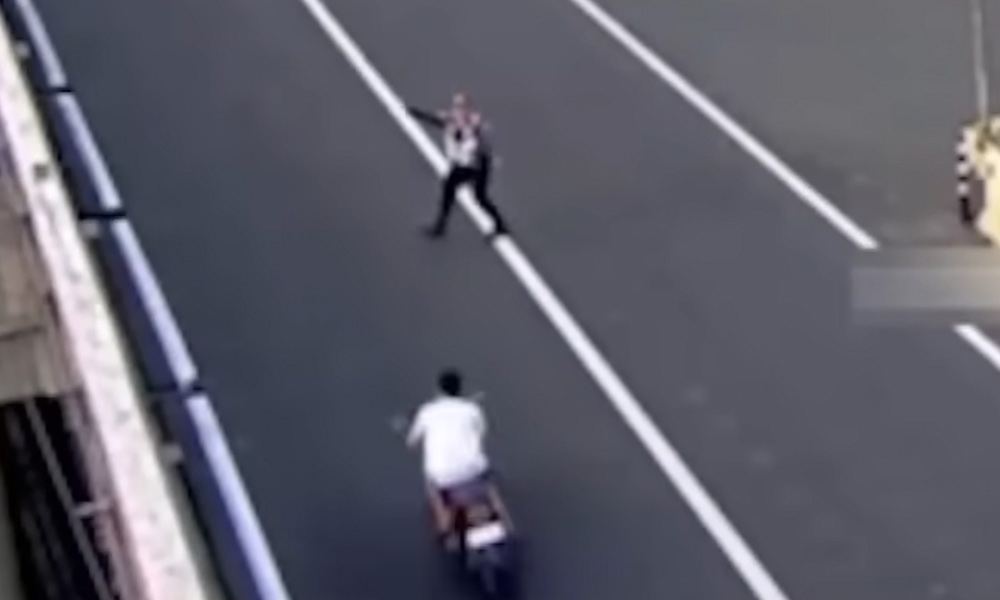

The Metropolitan Manila Development Authority recorded 36,814 road crashes from January to May 2024. Thanks to ongoing efforts by relevant government agencies, this number decreased to 23,260 during the same period this year.
While there was a 36.82% drop in the number of road crashes, the incidents still resulted in 6,195 injuries and, unfortunately, 112 deaths. Among these incidents, 6,593 (or 28%) were caused by human error.
Many of these errors stemmed from motorists failing to follow traffic laws.
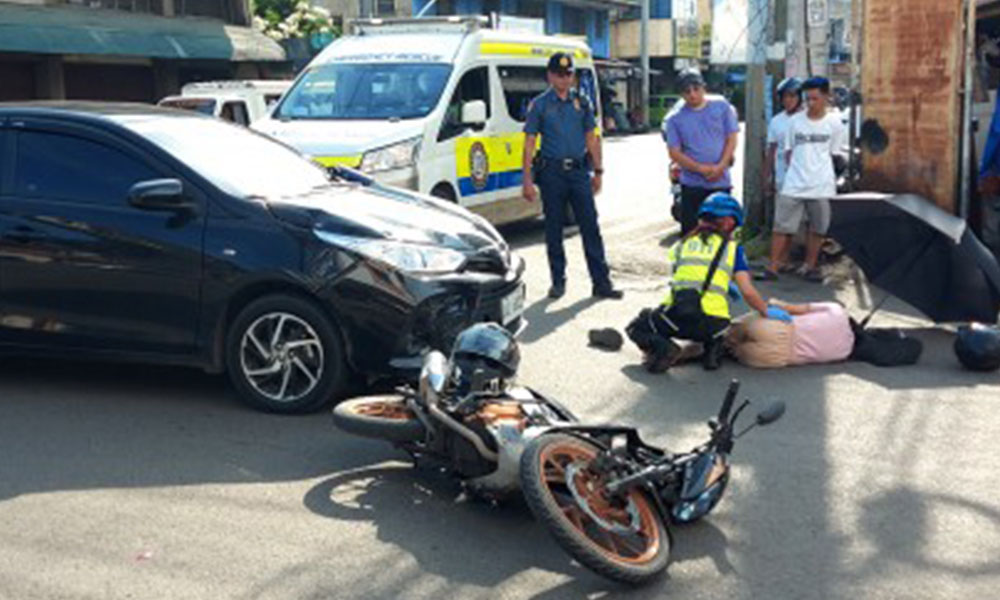
The government has tried many strategies to lower these numbers—though stricter law enforcement might be enough—to the point where some are feeling desperate. And desperate times call for desperate measures, right?
Consider the suggestion of Health Secretary Teodoro Herbosa. During a press conference on road safety, the country’s health chief announced that traffic violators involved in road incidents would be disqualified from the government’s zero-balance billing program for DOH hospitals.
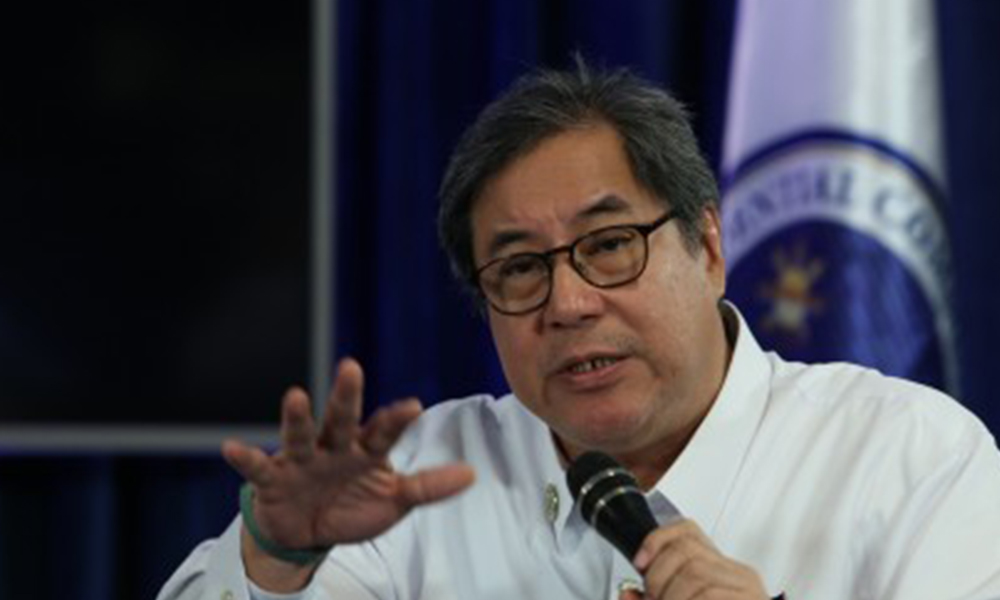
Herbosa said he plans to share the full details of this new policy with government hospitals soon. While he clarified that patients wouldn’t be denied hospital care, they would be billed in full upon discharge.
DOH spokesperson Albert Domingo defended his boss’s statement, explaining in an interview with radio DZBB 594 that public funds shouldn’t cover the hospitalization costs of lawbreakers.
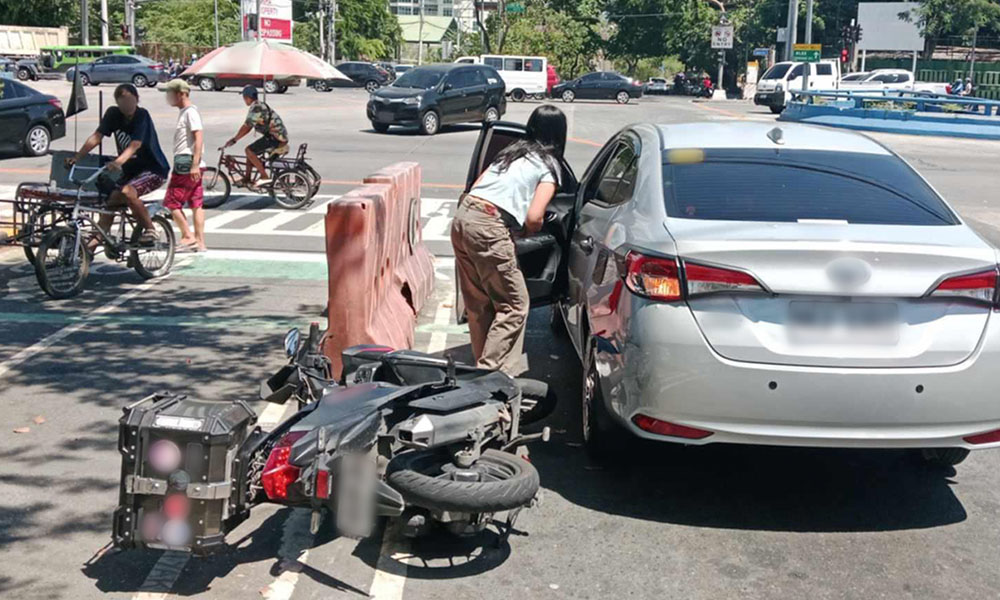
According to the agency, 35 people were killed in road crashes every day in 2023. The Online National Electronic Injury Surveillance Data recorded 5,083 injuries caused by road crashes, with 66% involving motorcycles.
Health reform advocate Dr. Tony Leachon, however, said that such a rule might raise ethical and legal questions, as it could undermine the Universal Health Care law. He added that violators should still go through due process, and that costs could be recovered through legal and insurance channels.
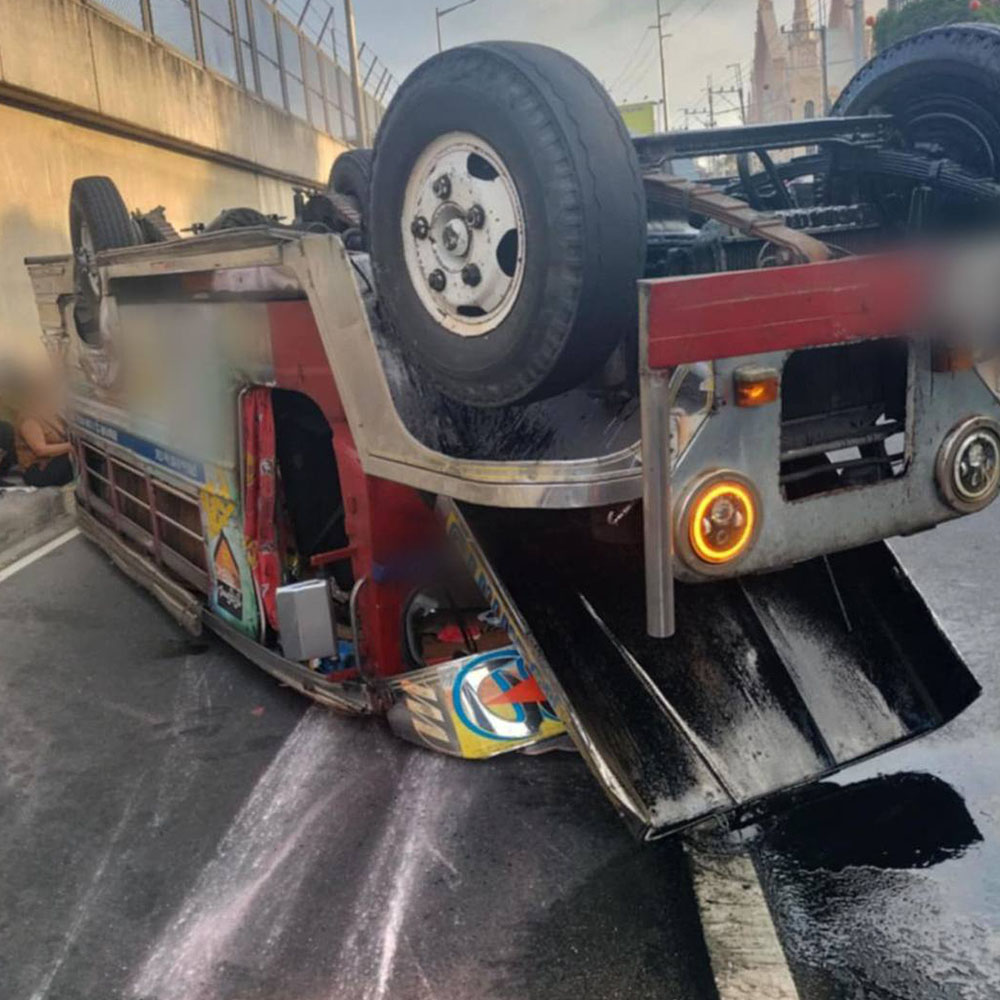
To be fair, Domingo said that road incidents shouldn’t be automatically tagged as “accidents,” since most crashes are caused by traffic violations. But in implementing Herbosa’s suggestion, there are questions that need to be answered?
Who will determine fault in an incident?
Do they have the credentials to do so?
Are we seriously holding people hostage before a proper judgment from the courts is made?
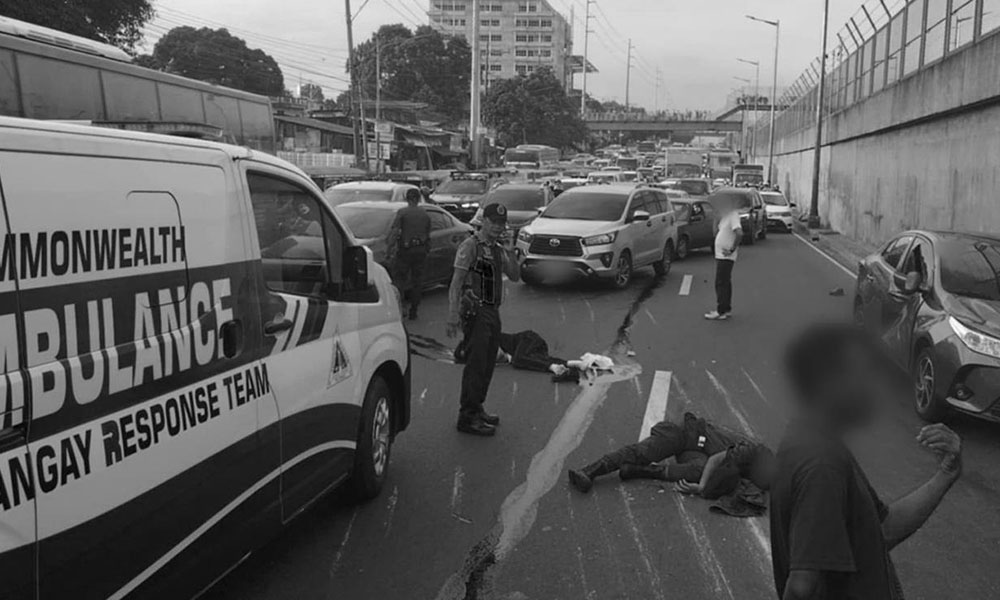
While we commend Dr. Herbosa’s determination to reduce road incidents, we believe that a more scientific approach—like stricter law enforcement and significantly higher fines—could effectively address the issue.
But that’s just our opinion. What are your thoughts? Do you think Sec. Herbosa’s suggestions make sense?









Comments