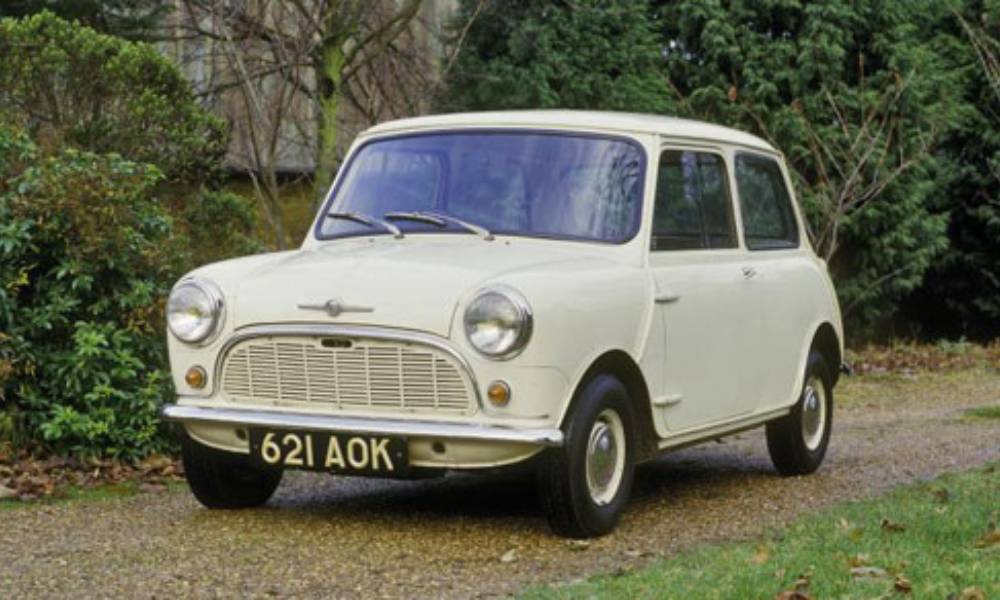

In 1959, Sir Alec Issigonis created the Mini—a small, light, and efficient vehicle for the British mass market, prompted by the fuel shortage brought on by the 1956 Suez Crisis. Britain had been heavily dependent on oil shipped through the Suez Canal, and the crisis led to fuel rationing and rising prices. Issigonis’s answer was a car that made the most of limited space while using less fuel.
It wasn’t only efficient, but practical given its tiny size, with the four wheels pushed to the corners to give this diminutive car as much space as possible. And that made it fun, which is where this go-kart-like handling description came from.
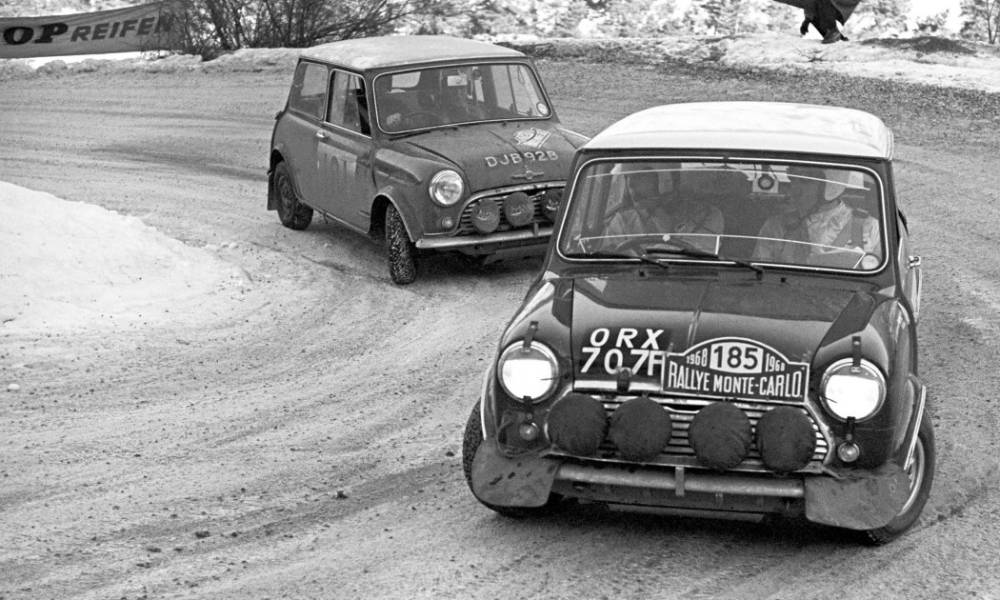
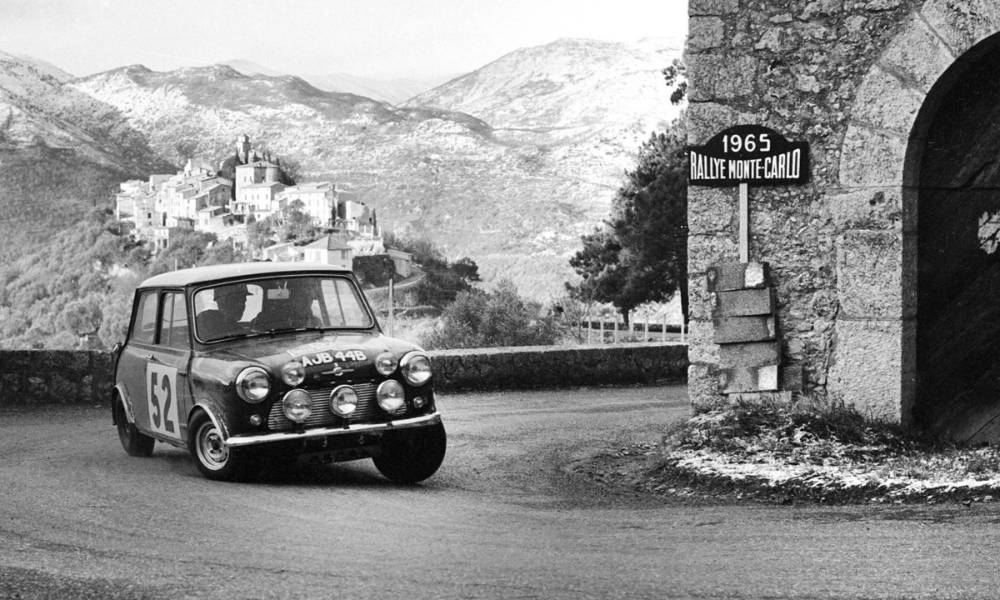
The Mini quickly became a global hit beyond Britain. It was an instant hit in motorsports, too, winning the Monte Carlo Rally in 1964, 1965, and 1967.
More than 30 years later, however, the Mini was still essentially rooted in the same basic formula, while its parent companies struggled with financial losses, manufacturing problems, and inconsistent build quality.
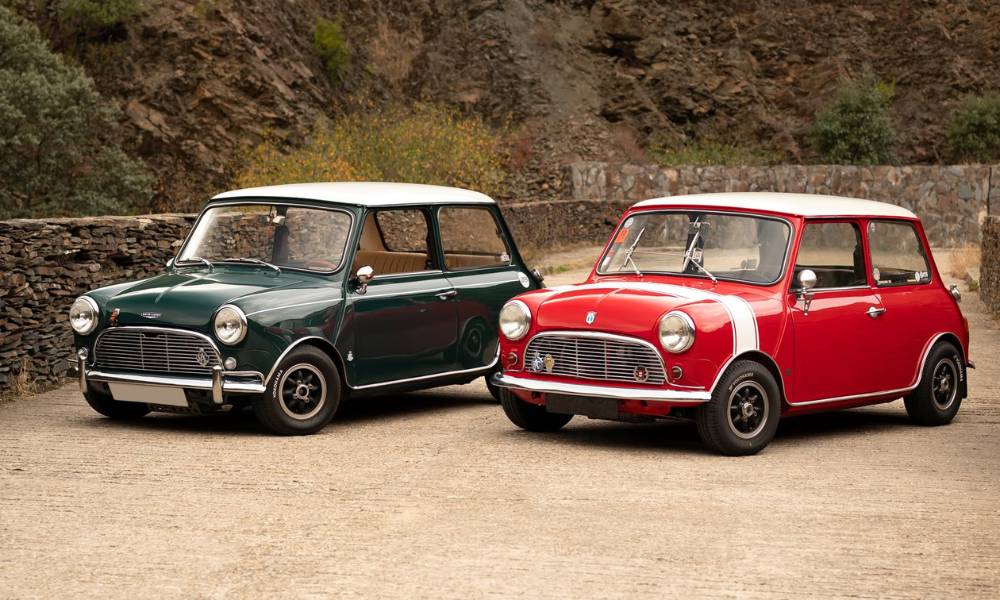
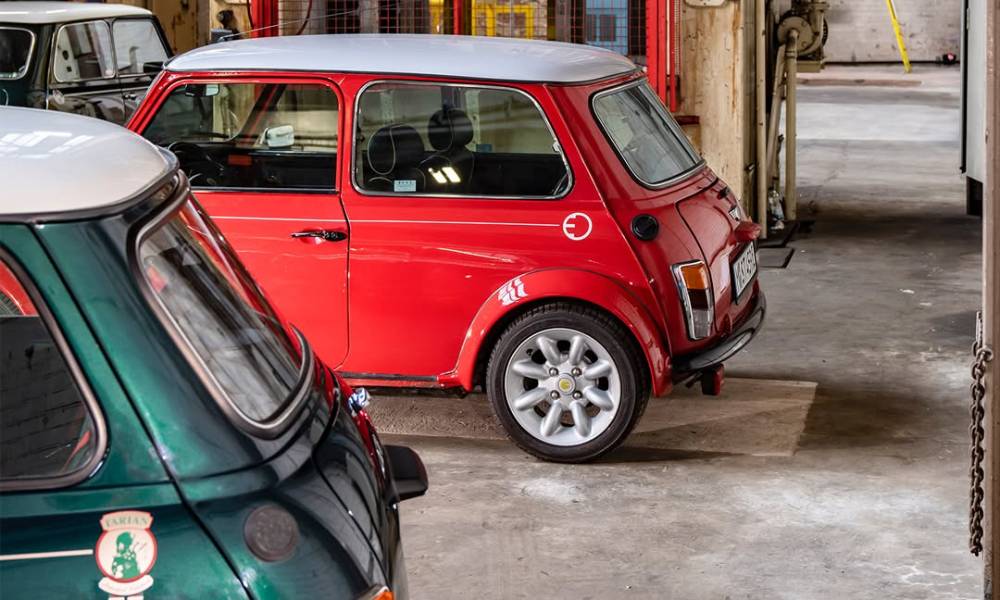
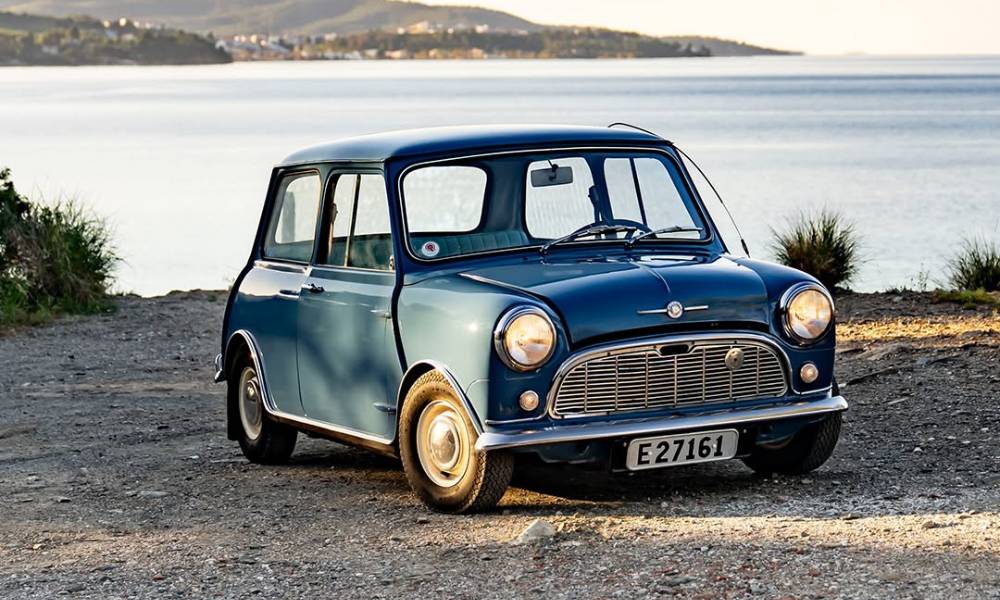
Then in 1994, BMW acquired Mini as part of its takeover of the parent company, the Rover Group. With the broader Rover acquisition struggling financially, it was sold off. BMW kept Mini with the goal of making it into its premium small-car brand.
The strategy was clear: Mini would occupy the premium end of the small-car segment, BMW would remain the group’s core marque, and Rolls-Royce would sit at the top as its ultra-luxury brand.
Rescuing Mini also did the brand a world of good, pairing its quirky British character with BMW’s approach to quality and manufacturing. Out went the outdated process for modern methods at the upgraded Oxford plant.
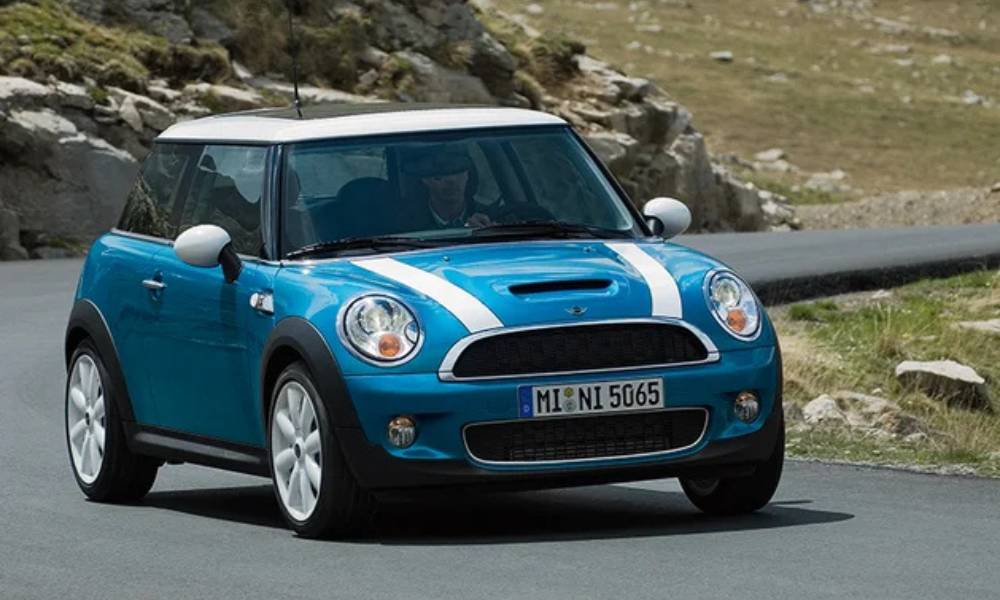
The first modern Mini Cooper launched in 2001. The goal wasn’t to abandon Mini’s past. It was to keep the brand’s visual identity while making the car contemporary.
“The Mini remained virtually unchanged for 40 years,” said BMW Group design head Adrian van Hooydonk. “It was our task as designers to preserve its soul, while leading it into a new era—not as a copy, but as the new Mini with all the signature Mini characteristics.”
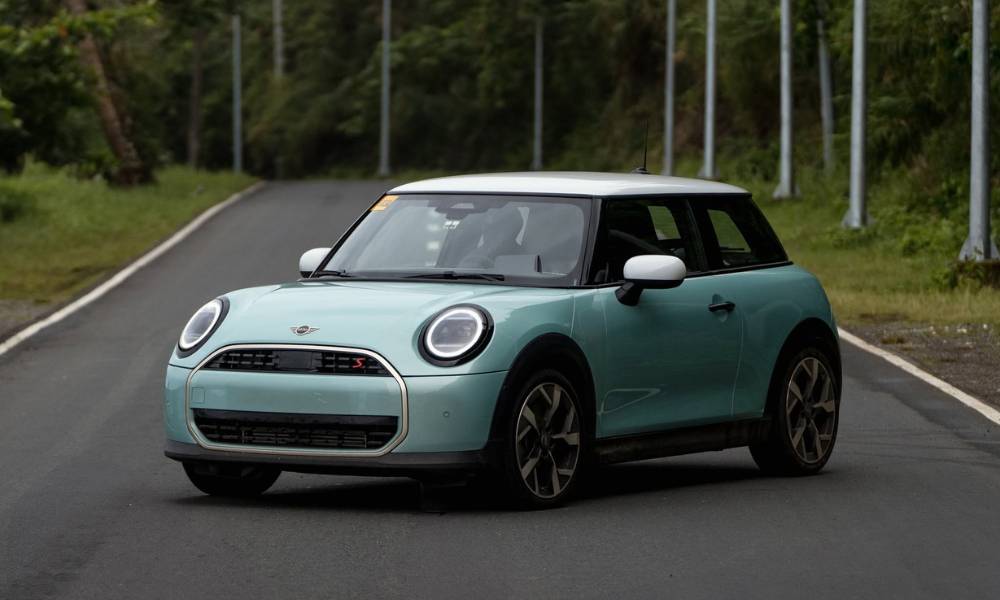
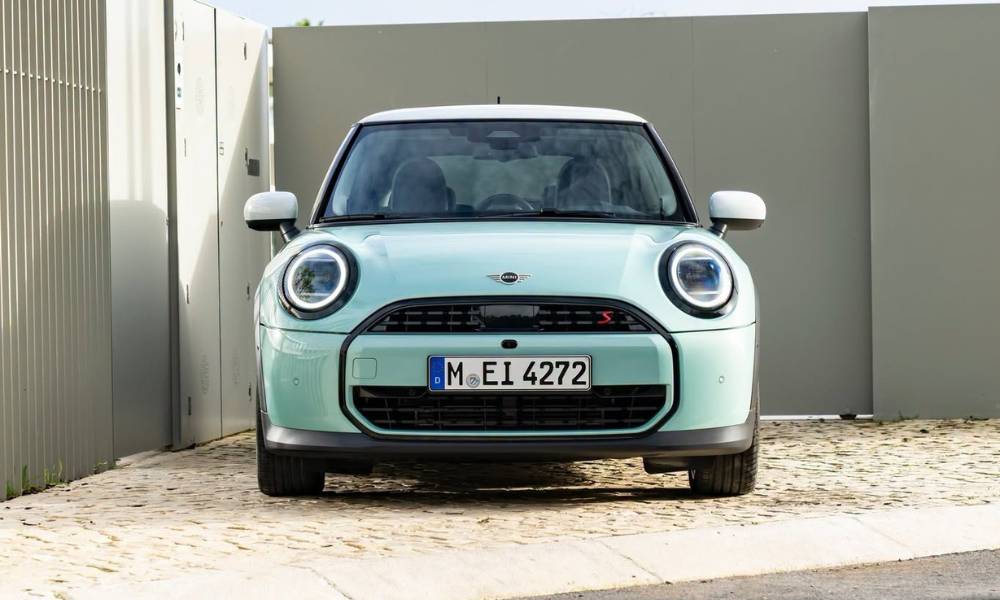
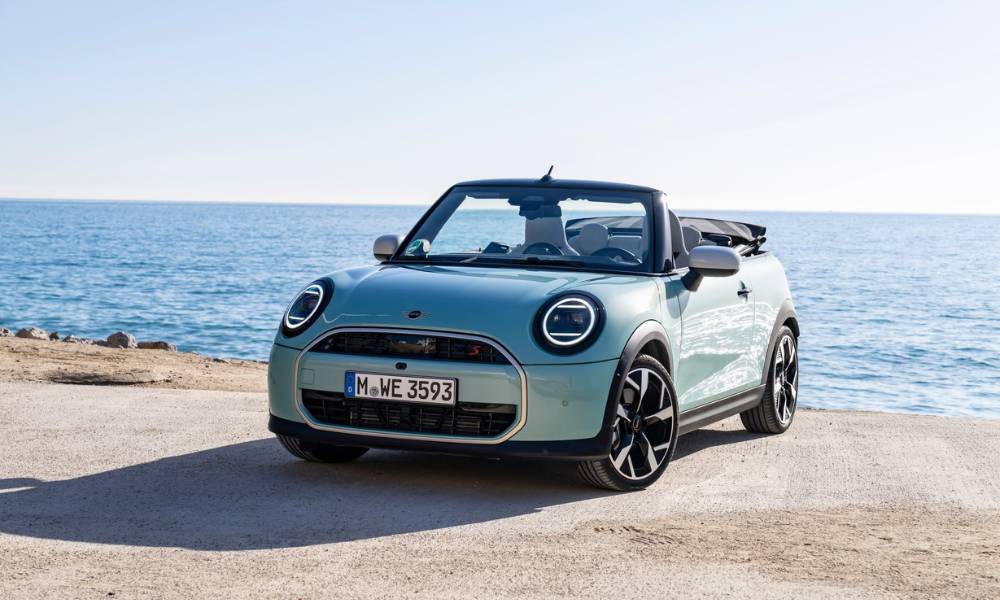
Speaking of design, the Mini is about more than just being recognizable. Its round headlights, compact proportions, short overhangs, and signature go-kart-like handling remain at the heart of the brand.
The brand carried these characteristics across an expanding Mini lineup—from the original hatchback to the Clubman, the Countryman, the Convertible, the five-door hatch, as well as the defunct Coupe, the Roadster, and the Paceman. The design is kept simple and focused on the essentials, giving each model its own character while leaving room for plenty of personalization.
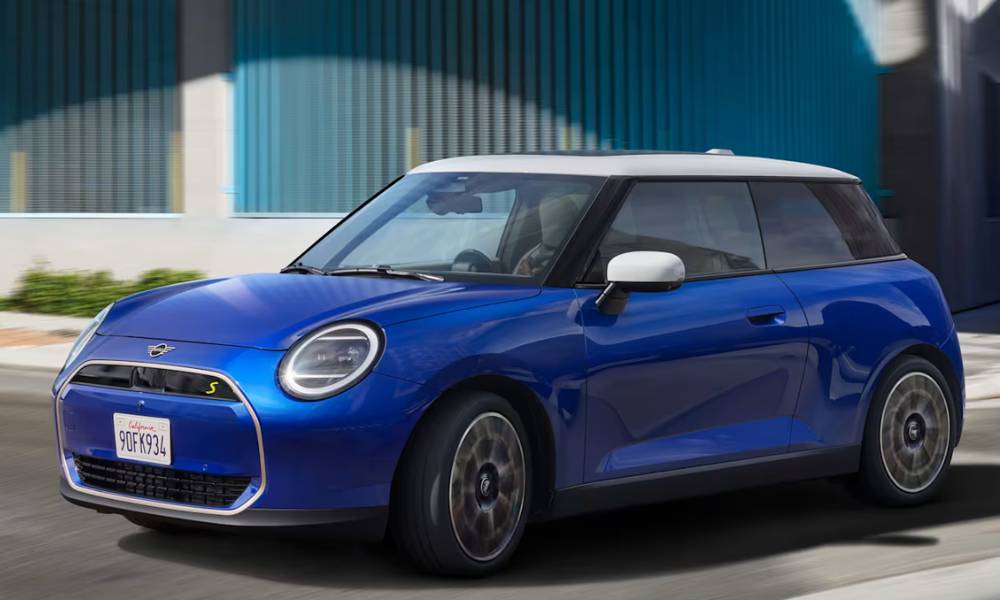
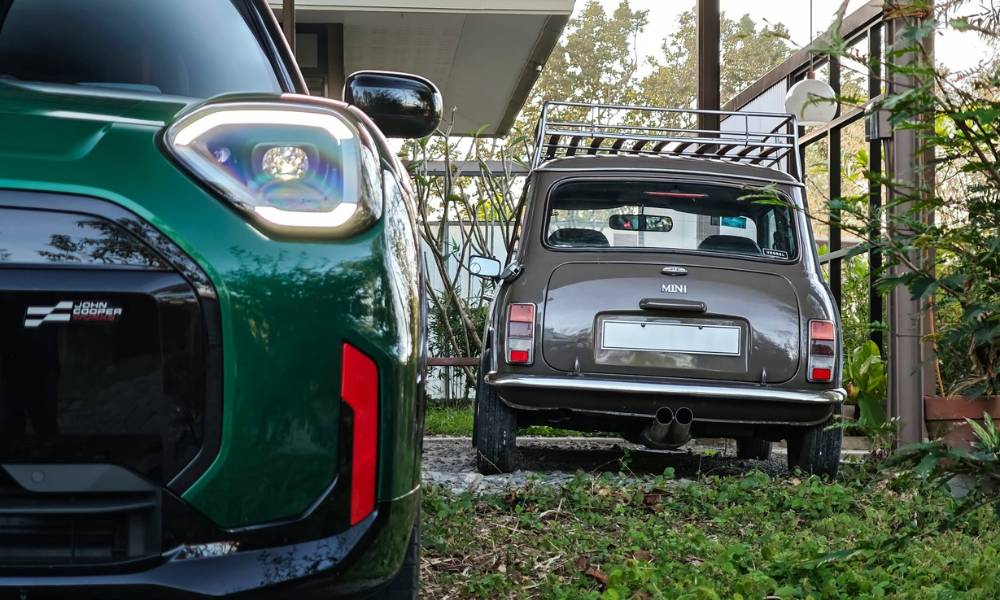
With the Mini Cooper Electric, this approach carries over to sculpted surfaces, a clean and modern appearance, and an interior that draws from the fundamentals of the classic Mini: fewer components, a round central display, and a sporty steering wheel. It shows how Mini is adapting its design to an electric and digital future while keeping its familiar character.
Twenty-five years after the first modern Mini launched under BMW, the design challenge remains the same: Evolve without losing what makes it a Mini.




Comments