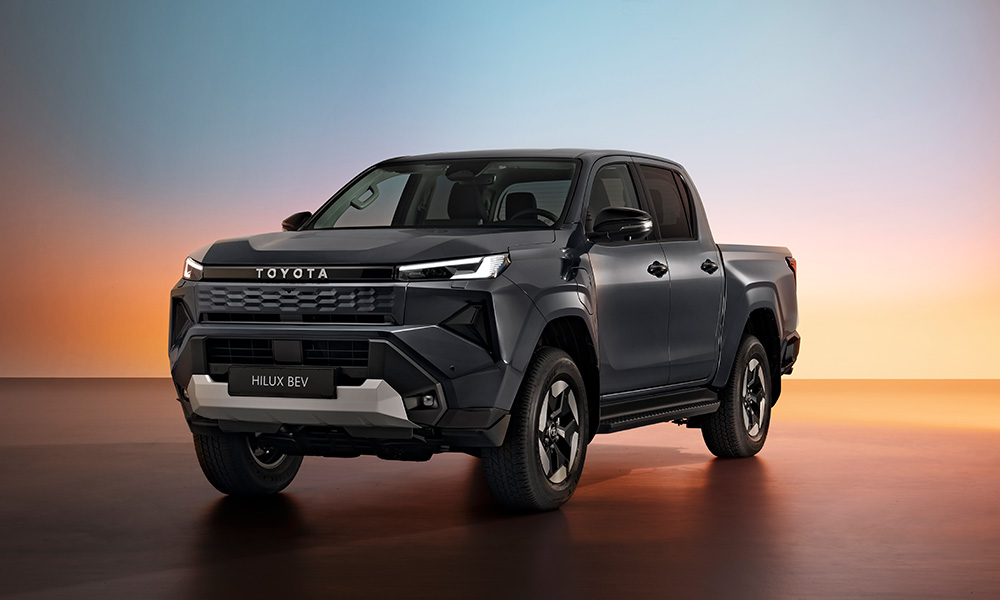

The Toyota Hilux is undeniably the most popular pickup truck worldwide. It is highly regarded in many markets for its performance, practicality, and reliability.
However, the current eighth-generation model has been on sale for 10 years and is due for a replacement. With competitors and newer entrants introducing updated versions of their pickups, it’s time for the Japanese automaker to introduce a completely new model.
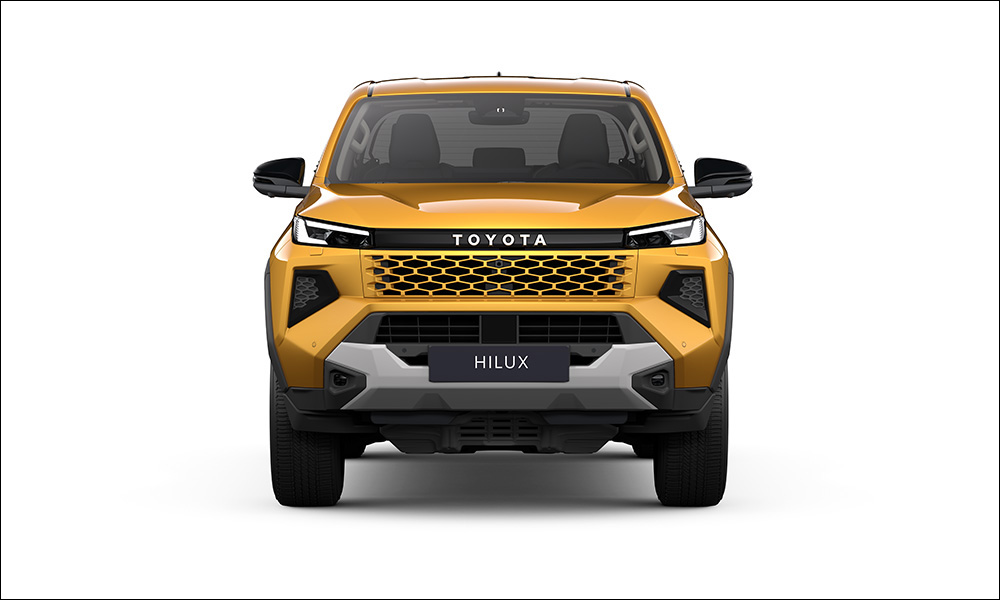
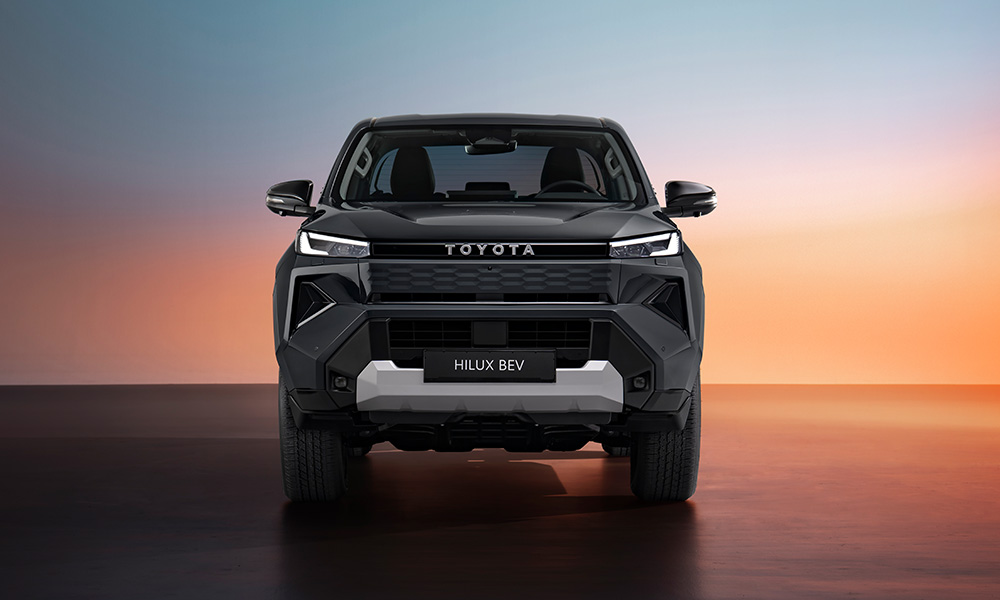
That time has come. Toyota recently held the global debut of the all-new Hilux in Bangkok, Thailand. According to Toyota, the ninth-generation Hilux is the result of a collaboration among Thai, Australian, and Japanese engineers and designers, as well as customer feedback.
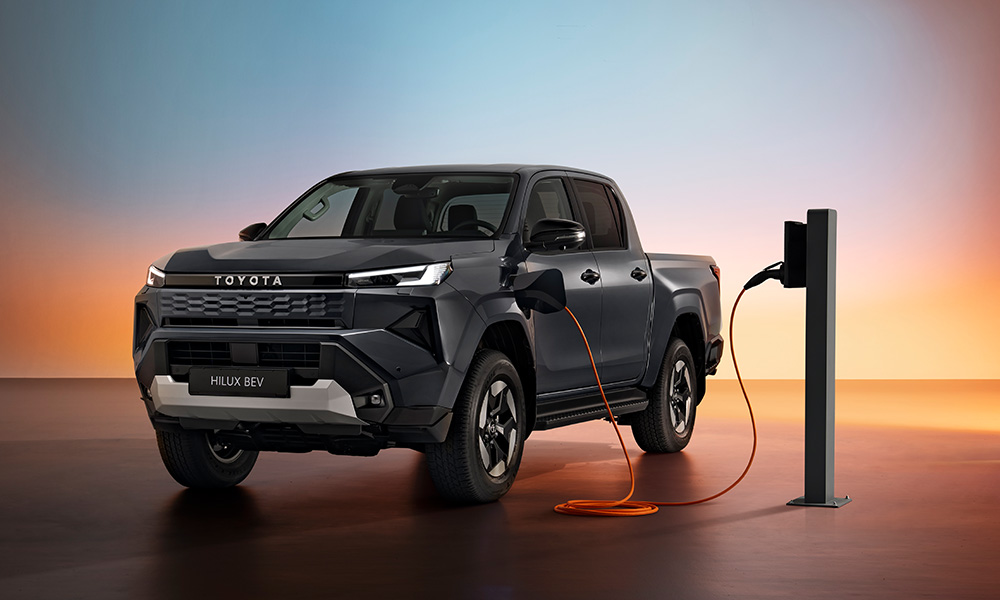
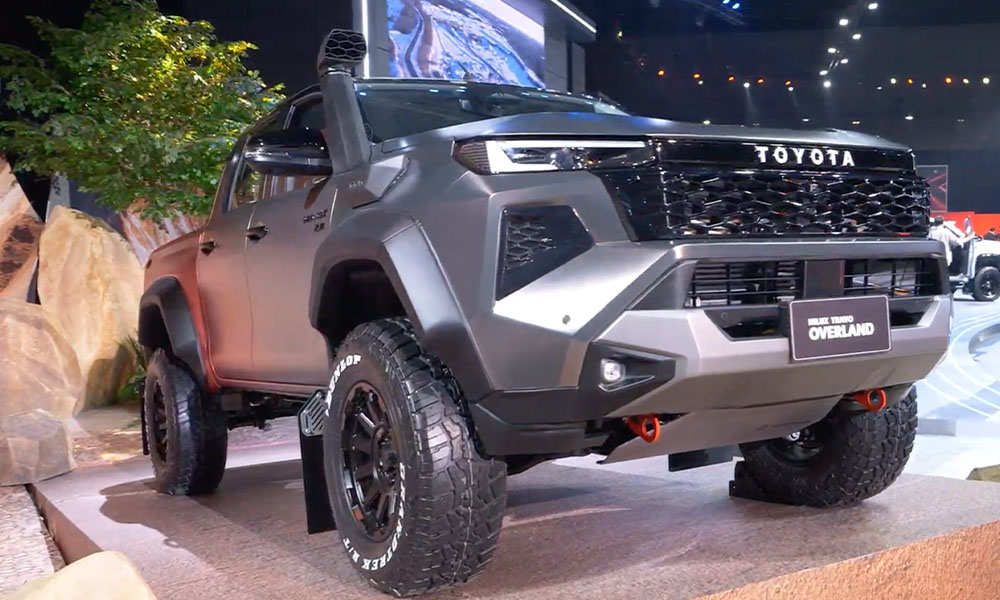
The front end appears modern and aggressive, and arguably a bit controversial—deviating from the traditionally conservative styling of previous Hilux models. The slim headlamp clusters flank a black plastic trim with a large, bold “TOYOTA” badge at the center.
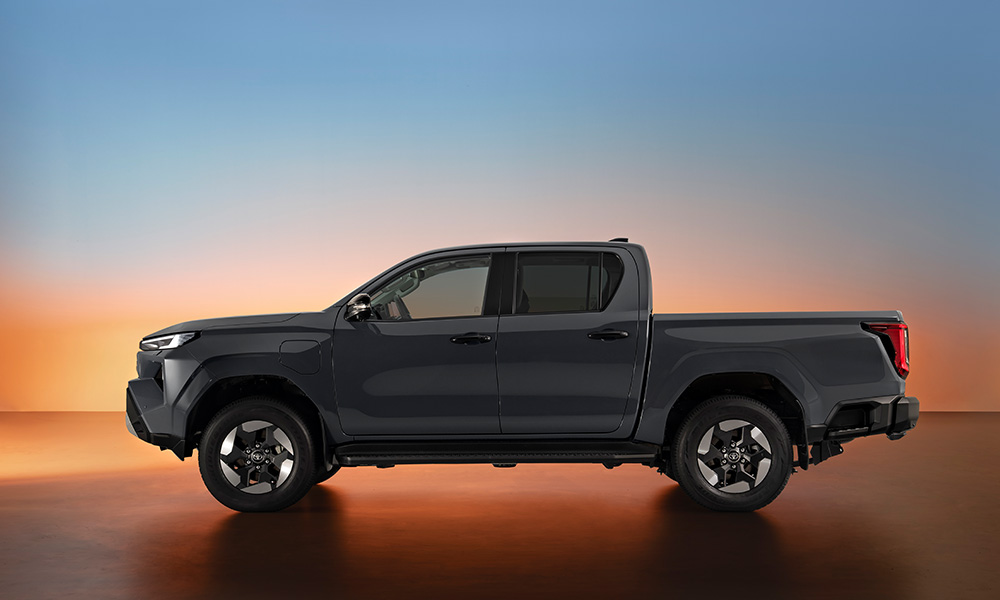
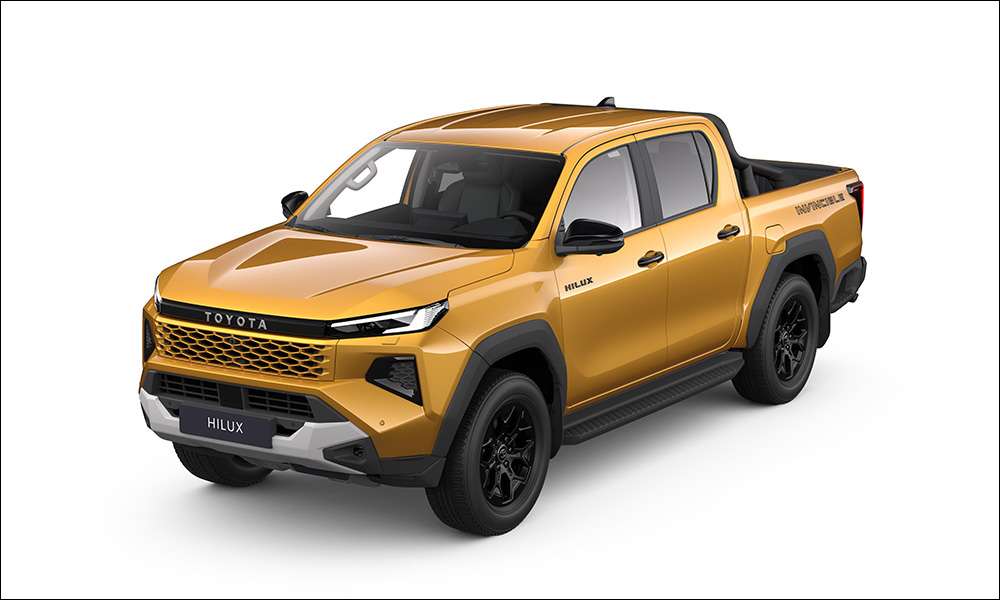
The contoured hood and the angular elements of the bumper give the front a tough, serious look. The sides, including the doors and the handles, resemble those of the outgoing models, but the more angular wheel arches, the flared fenders, and the new wheel designs make it look fresh.
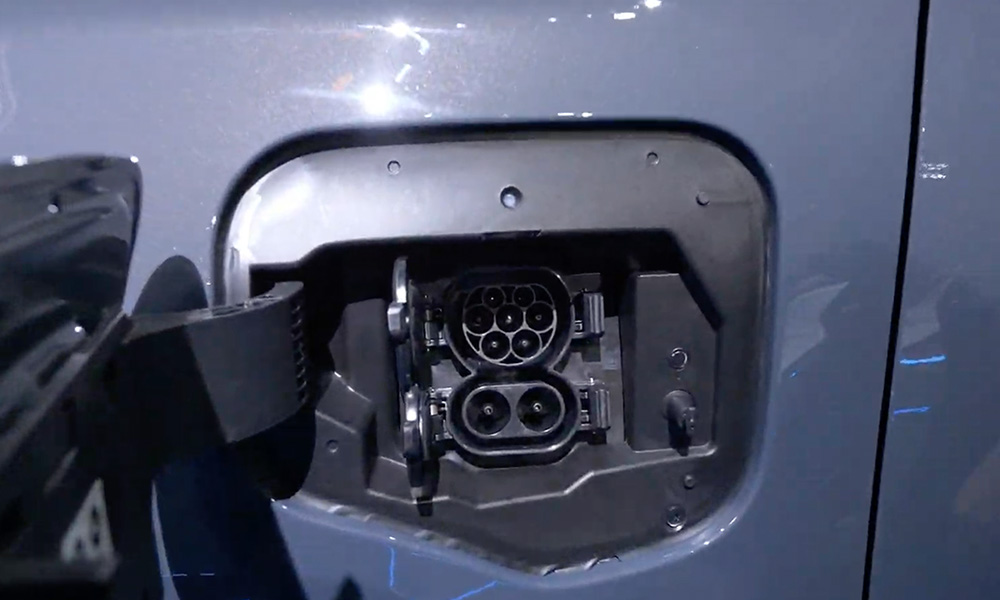
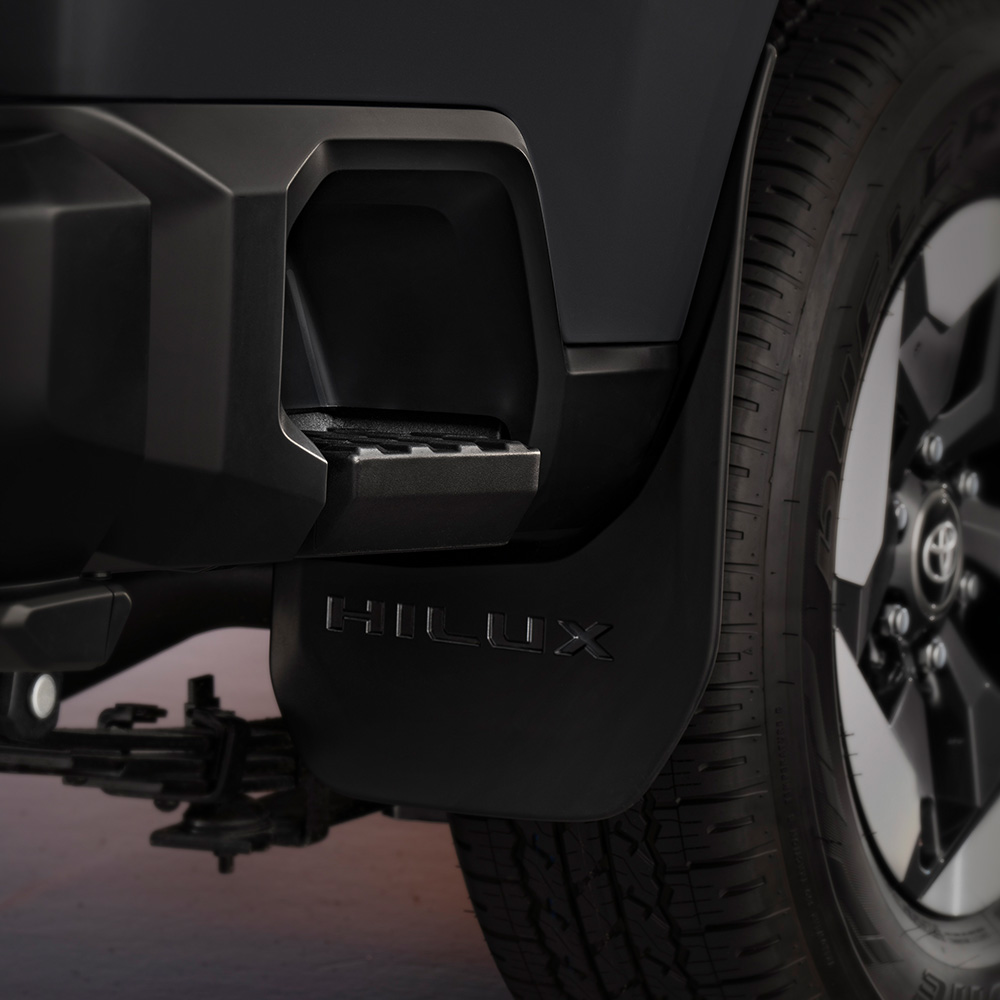
To be fair, there are new details on the exterior, most notably the side step integrated into the rear bumper, which seems inspired by the Ford Ranger. For battery-electric versions, a flap on the left side of the vehicle reveals the charging port.
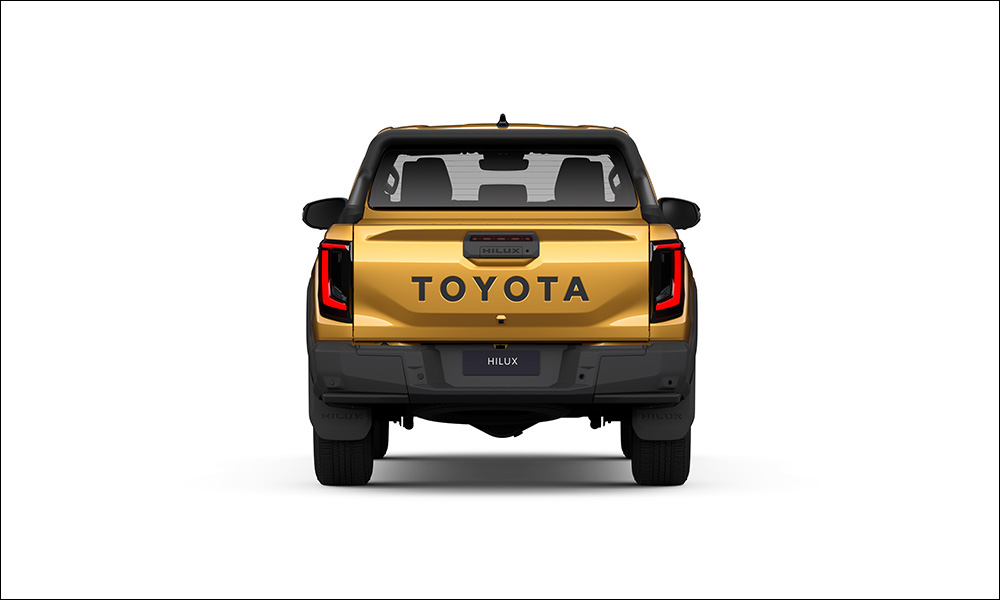
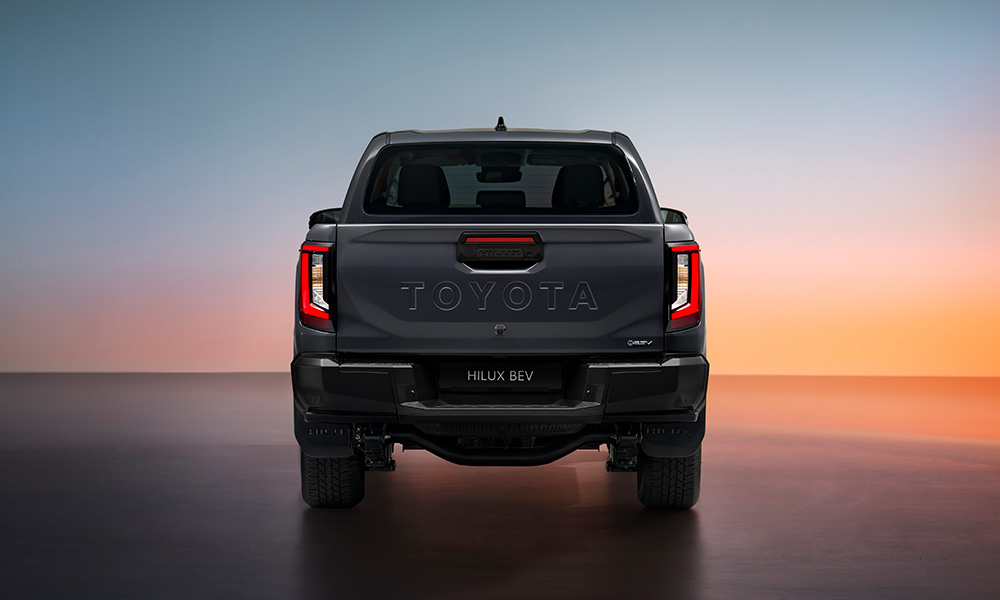
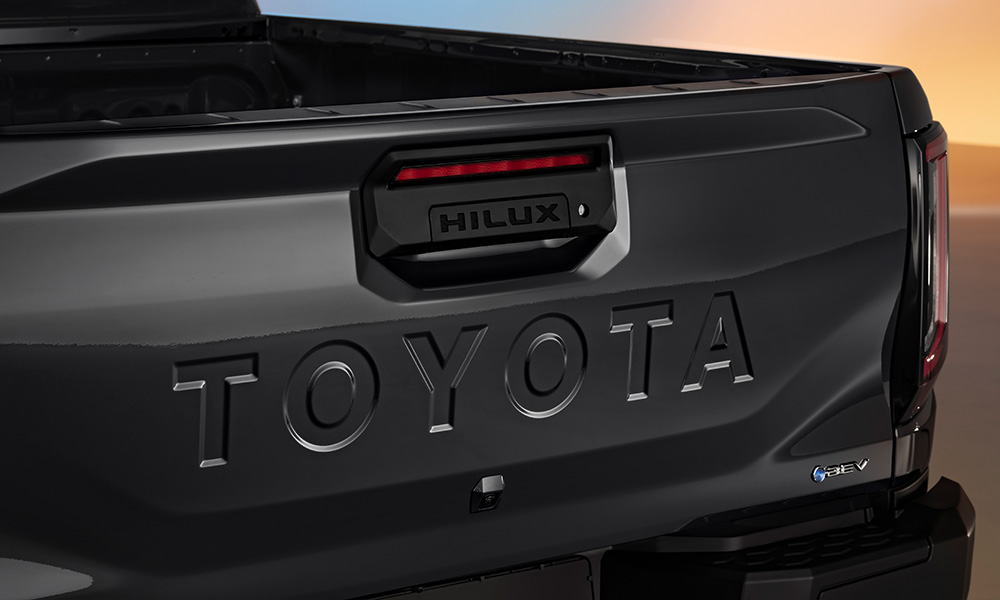
The rear design is simple yet very stylish, with LED combination taillights and a sculpted tailgate. The brand name is stamped on the body, and a new tailgate handle trim incorporates the third brake light, the keyhole for locking or unlocking it, and the “Hilux” badge. Notably, the backup camera is positioned lower for a better viewing angle.
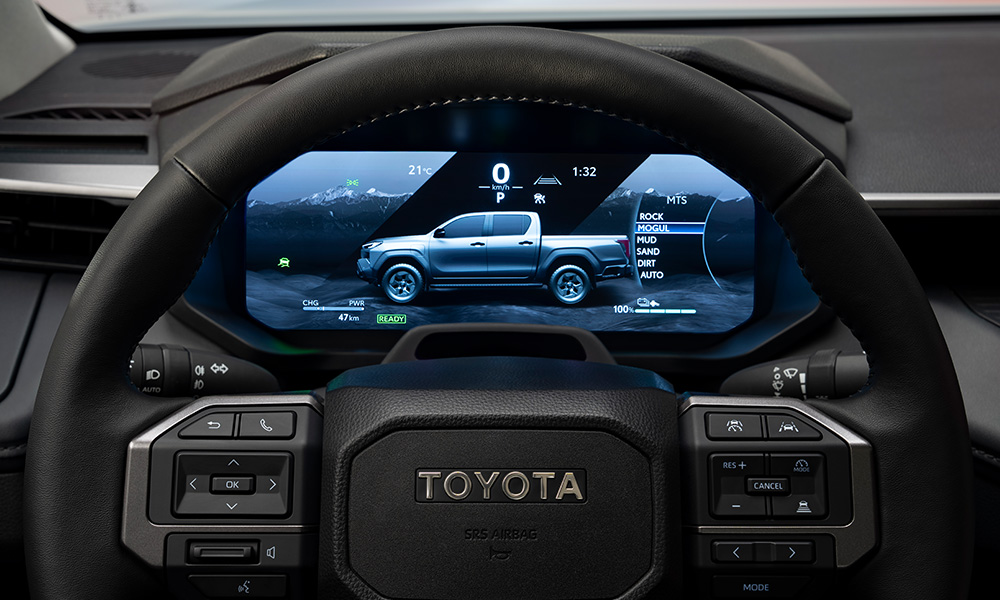
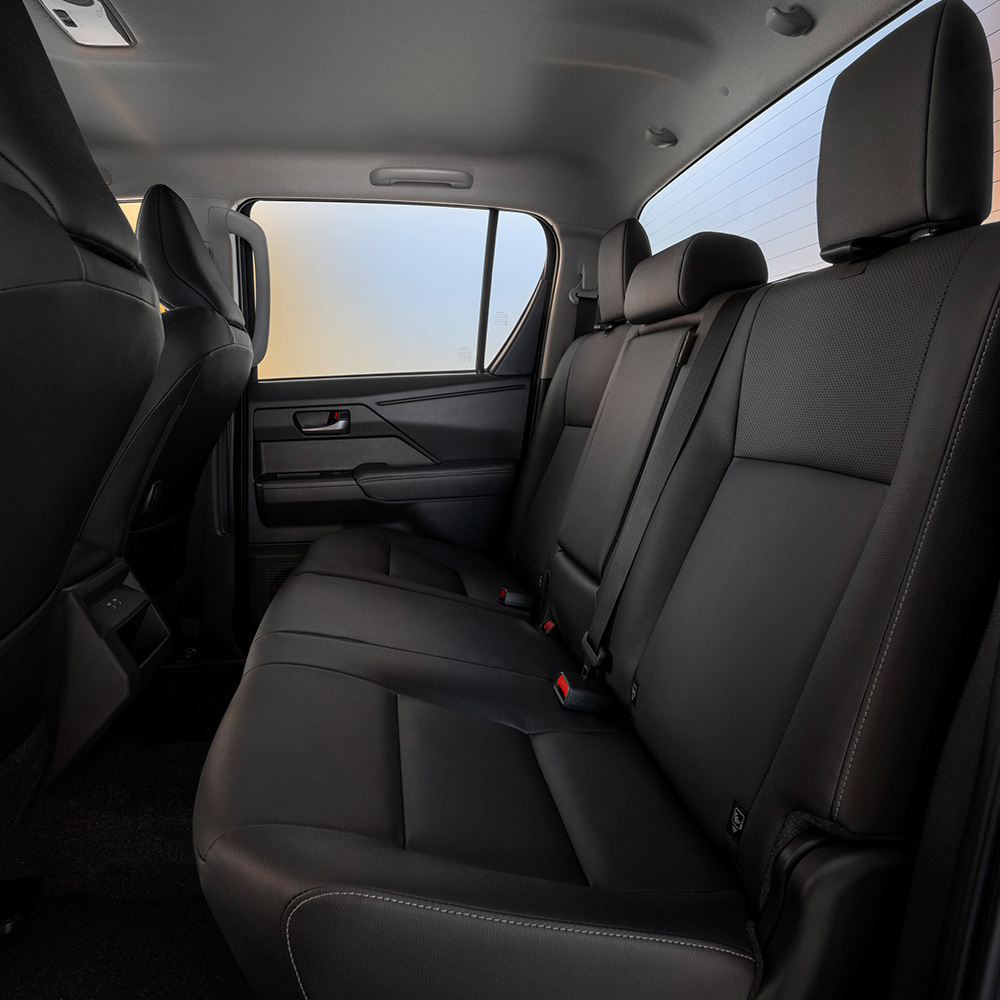
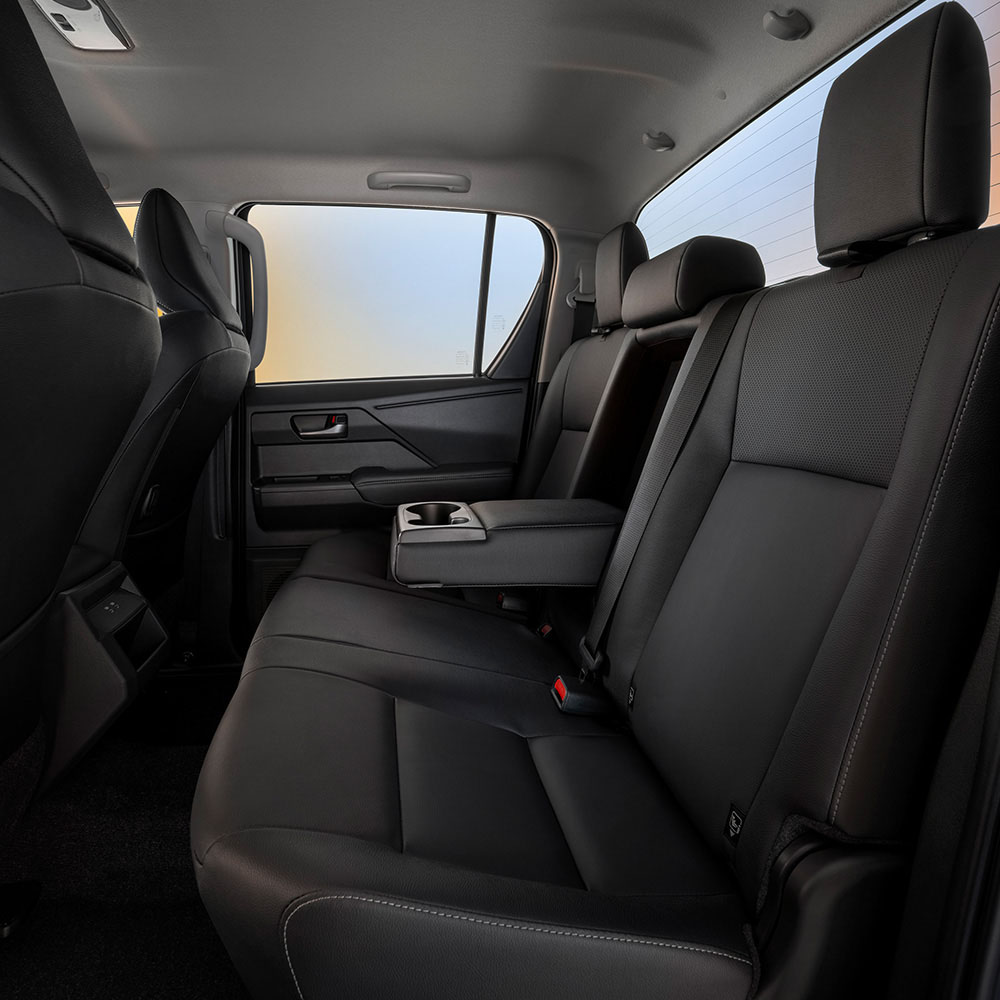
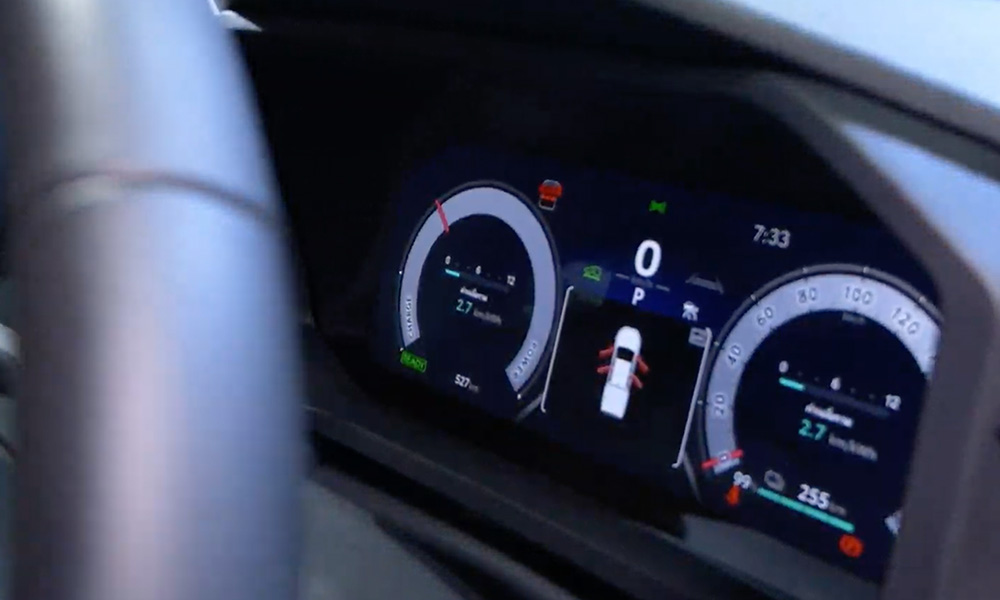
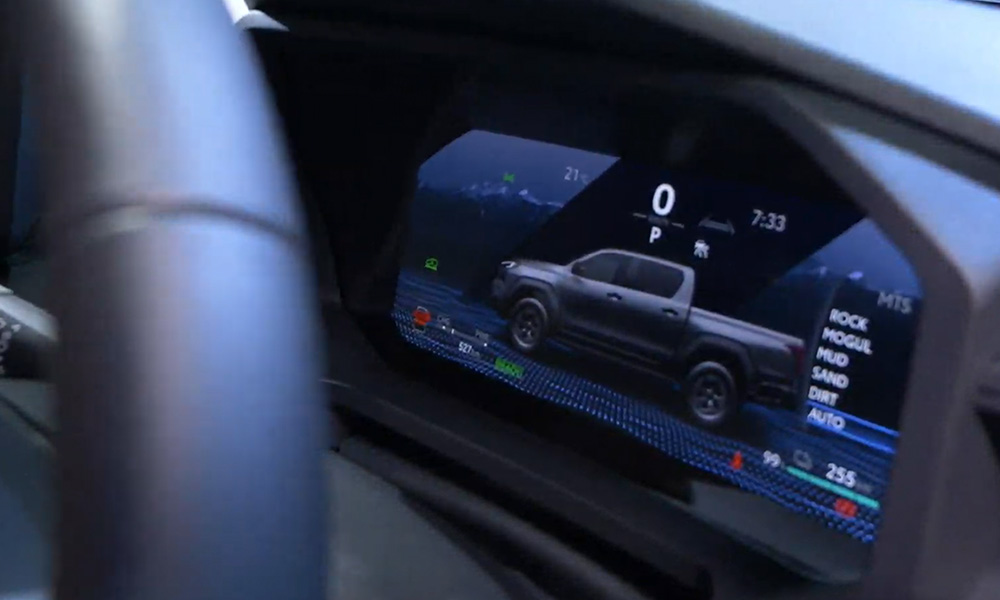
Inside, the all-black interior has a tough yet stylish appearance. The steering wheel appears to be borrowed from the Land Cruiser Prado. Behind it is a 12.3-inch digital instrument cluster offering customization.
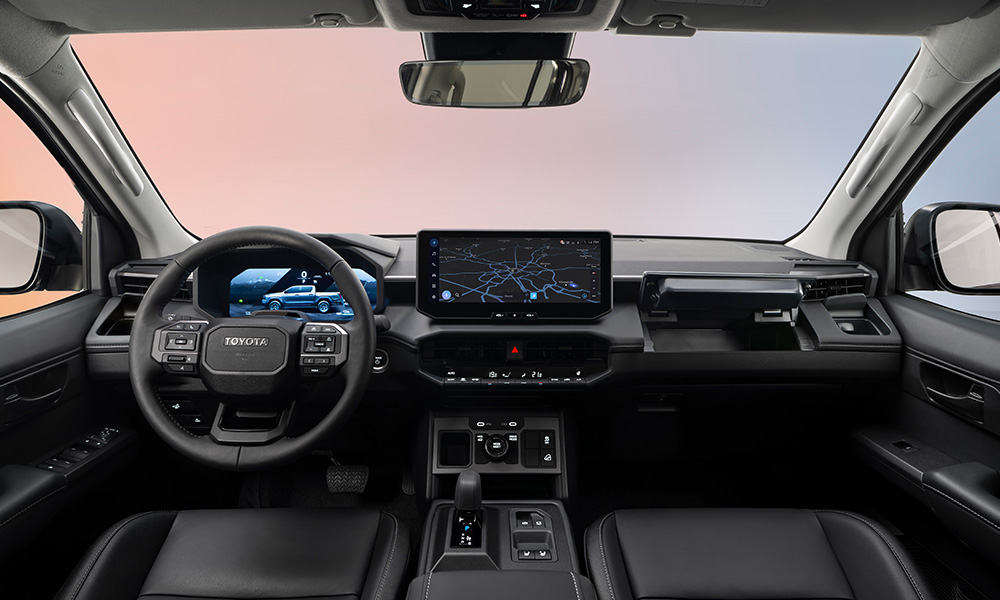
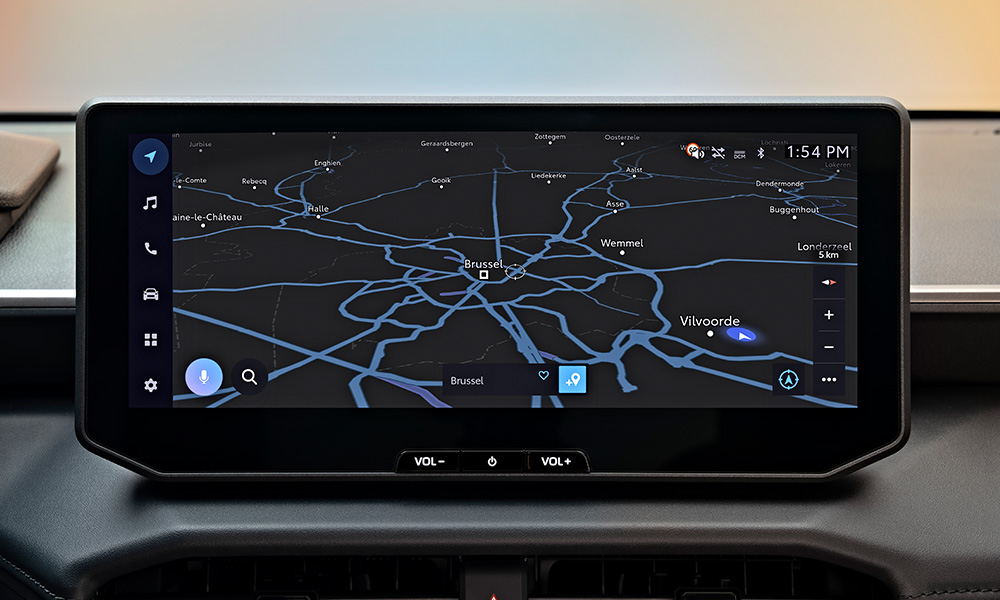
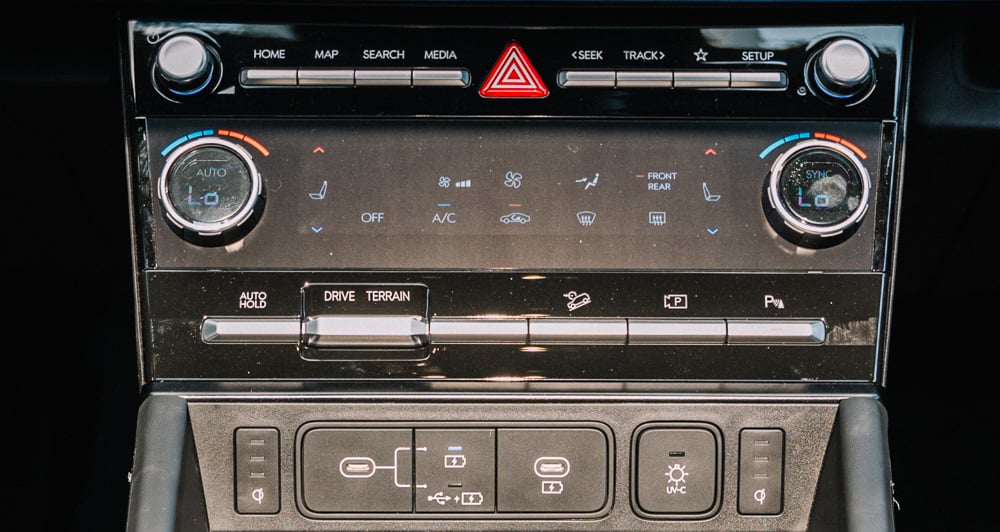
Above the center stack is another 12.3-inch screen for the infotainment system. Hard buttons for the HVAC controls are retained (thankfully), with a knob for the multi-terrain selector and the drive mode below.
The shift lever for the BEV model features a different pattern, similar to other Toyota EVs. Switches for the electronic parking brake, the auto brake hold, and the seat warmers are positioned beside it.
The new Hilux features a host of technological updates. Other than new creature comforts and tech toys, owners can enjoy connected services via the MyToyota app, and it is equipped with Toyota’s advanced driver assist systems called T-Mate.
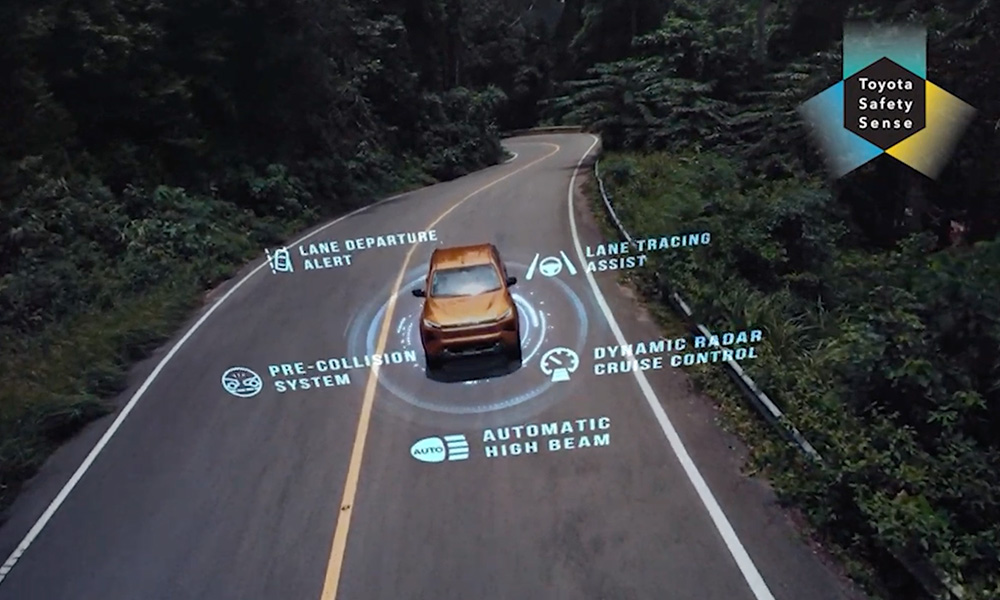
This includes features from the Toyota Safety Sense suite, such as low-speed acceleration suppression, proactive driving assist, blind-spot monitor, safe exit assist, emergency driving stop, and a driver monitor camera. Some features may receive over-the-air updates to add new functionalities.
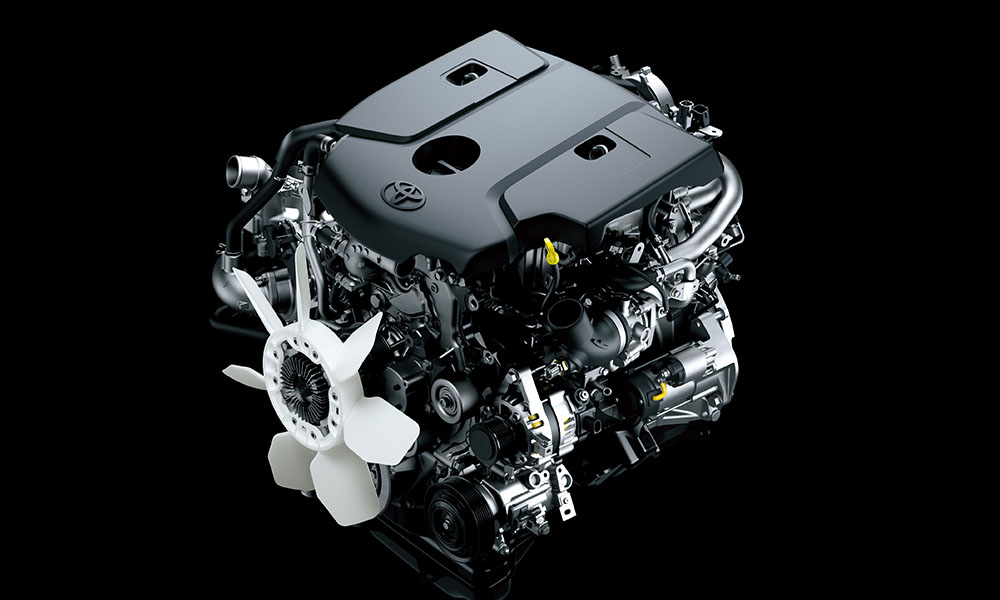
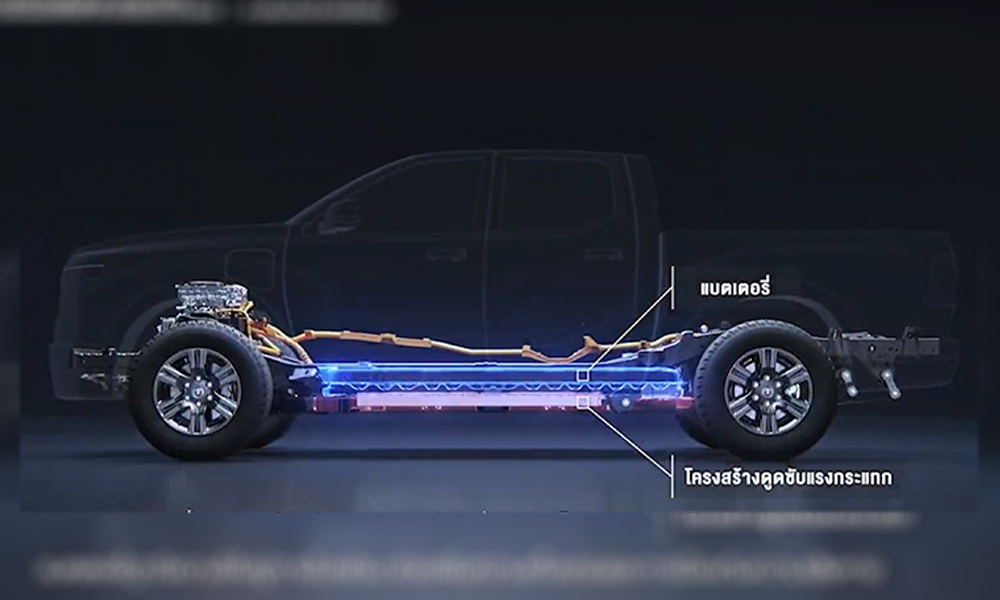
Thai-spec Hiluxes, called Travo (most probably the same as the models offered here), come fitted with an improved 2.8-liter 1GD diesel engine, making 201hp and 500Nm of torque. A special Travo-e version will come with an electric motor each on the two eAxles, making a combined 193hp and 205Nm for the front, and 286.6Nm of torque for the rear.
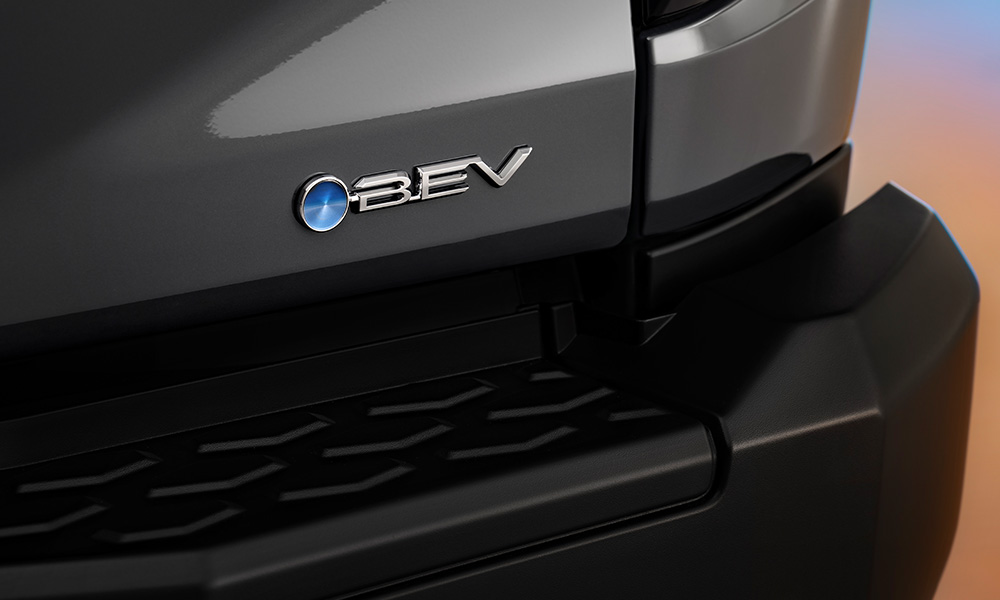
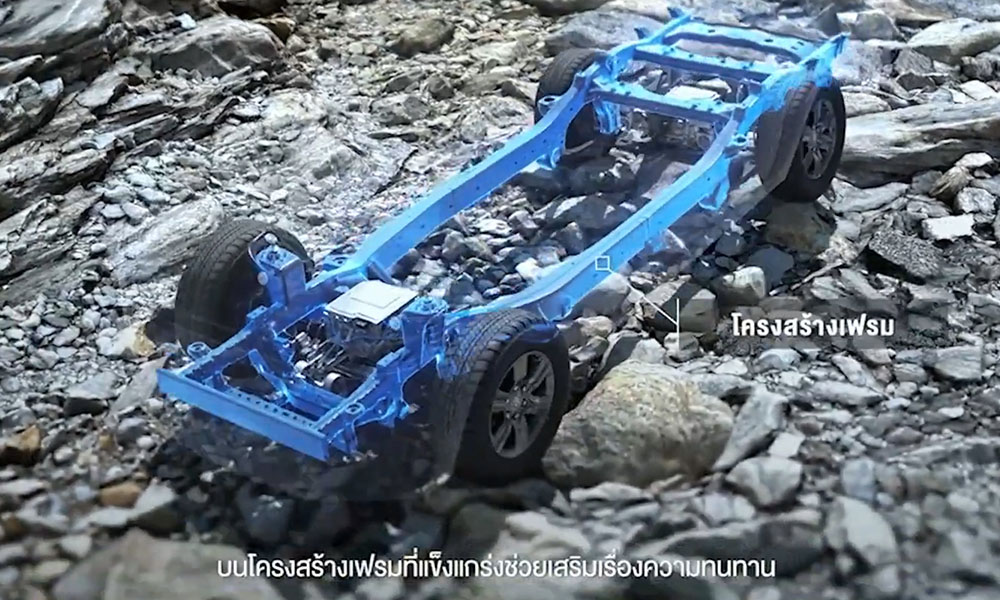
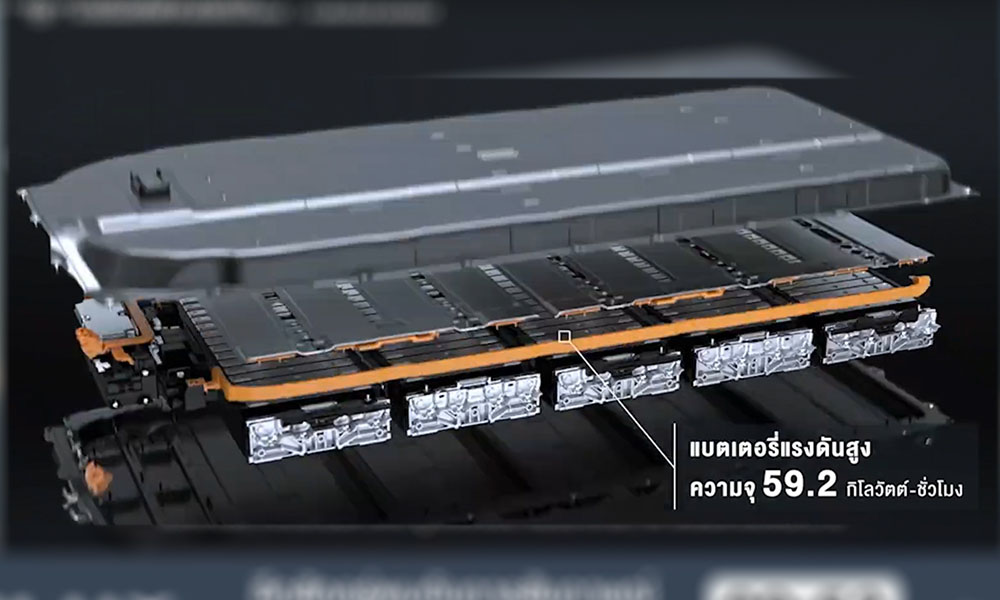
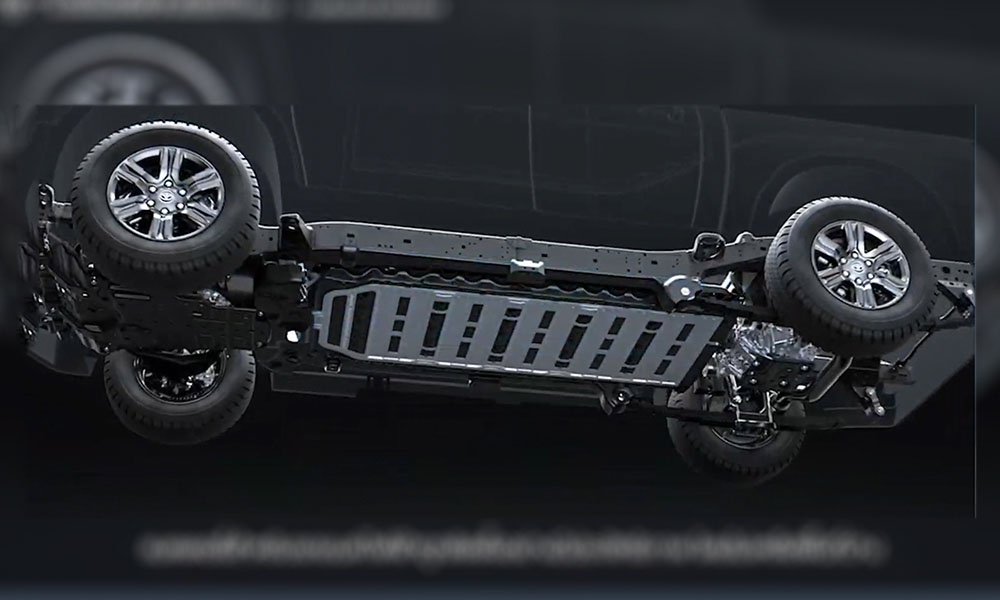
The BEV version has a driving range of up to 300km, and is capable of wading through 700mm of floodwater. It has a payload of 715kg, and has a towing capacity of 1,600kg. The battery pack comes protected with Toyota’s Diamond Guard system, so you can still take it off-road.
European markets get more powertrain options, including the addition of a 2.7-liter (presumably the 2TR-FE) internal-combustion gasoline engine that makes 158hp and 246Nm of torque, and a 48V mild-hybrid system with the 1GD diesel engine. These are paired with permanent all-wheel drive.
Toyota also plans to introduce a hydrogen fuel-cell electric Hilux in the future, equipped with a Toyota hydrogen fuel-cell system. This model is expected to be available in select markets by 2028.
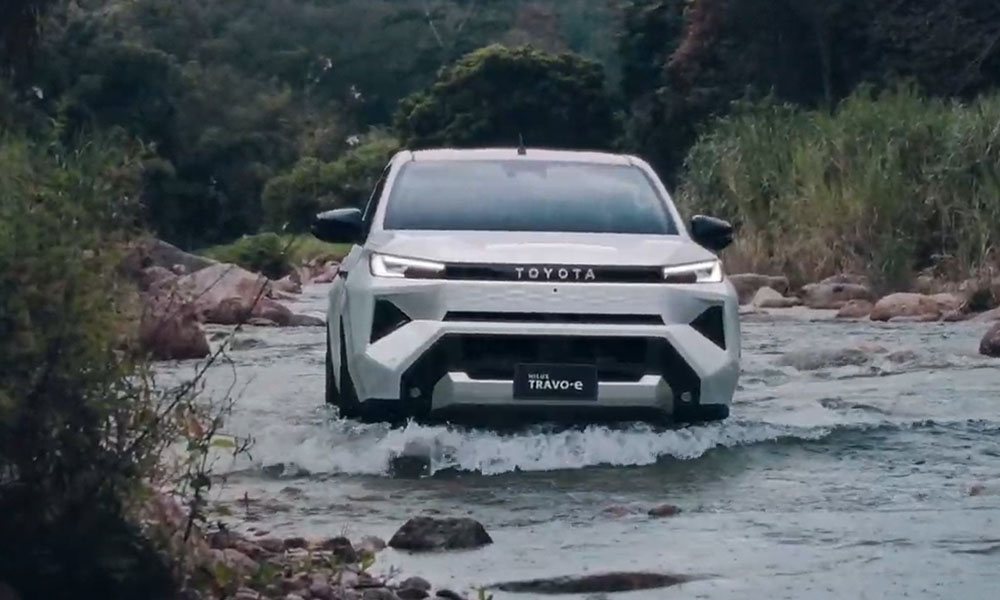
The all-new Hilux will be available in various markets next year, with diesel versions for Japan expected to arrive by mid-2026. In Thailand, where it will be made, the Hilux will be priced between 774,000 baht (P1.41 million) and 1,366,000 baht (P2.49 million). The BEV version, meanwhile, will be sold for 1,491,000 baht (P2.72 million).
Given the Hilux’s popularity here, we’re confident Toyota Motor Philippines will work hard to bring the new pickup to the Philippines sooner than later. The only questions to be answered now are when it will arrive and what the powertrain options will be.




Comments