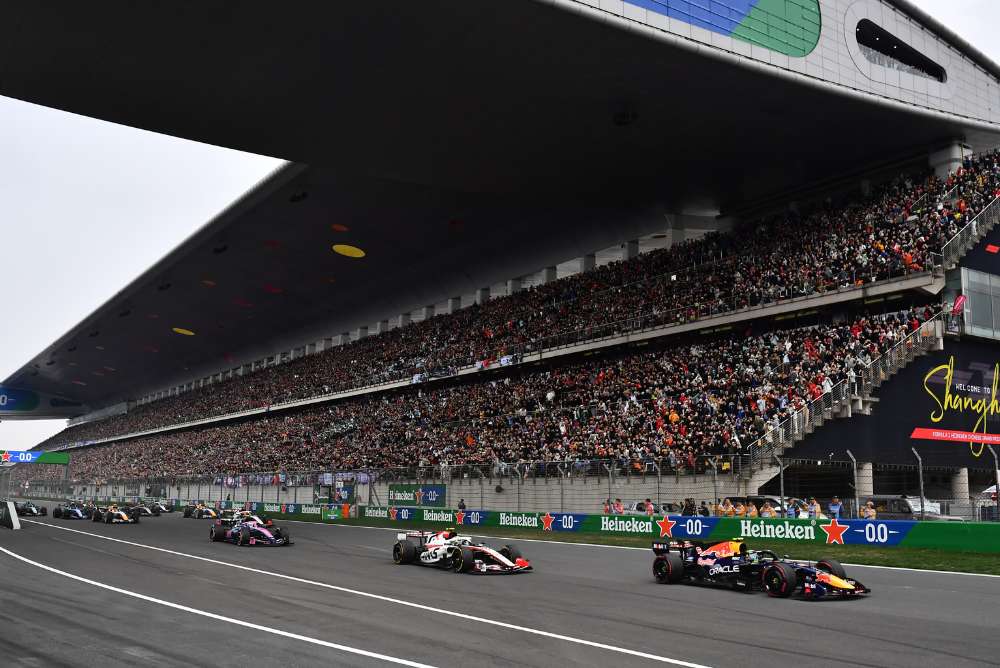

A couple of firsts at the Chinese Grand Prix: Kimi Antonelli (Mercedes) claimed his first win, while Lewis Hamilton bagged his first podium for Ferrari.
Strong performances from the top 10, reliability concerns, and how Formula 1 goes racing in 2026 are the other highlights.
Here are our talking points from Shanghai.
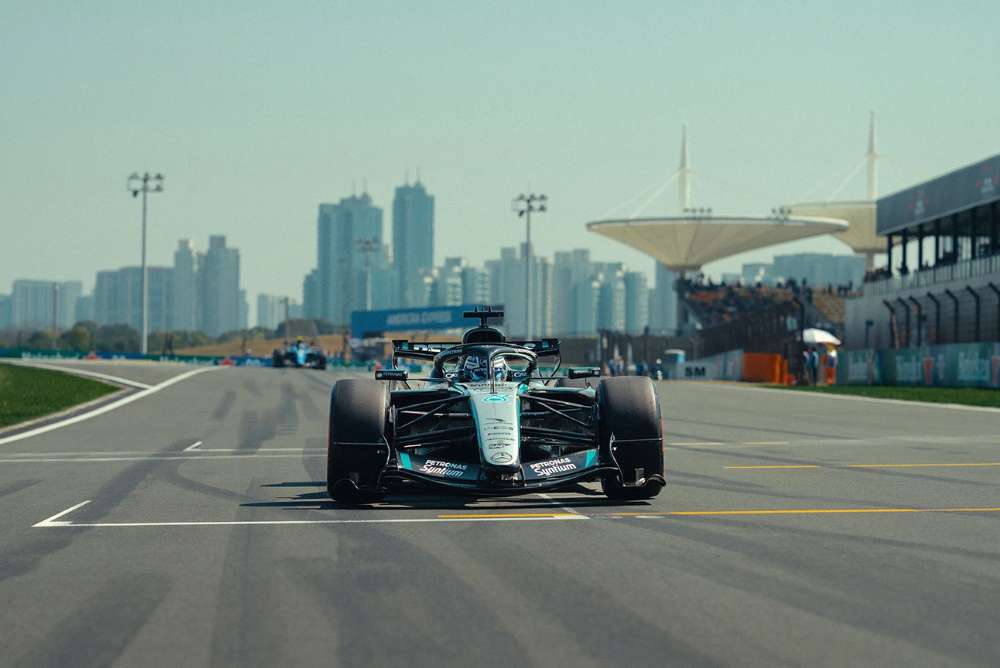
1. “No one is immune to this reliability issue right now.” Spot-on from motorsport commentator Anthony Davidson. With the new system with regard to engine and electric power split, there will be teething problems.
Even the top teams aren’t spared. George Russell’s Mercedes suddenly lost drive in Q3, with the team fortunately getting it to work for one qualifying run (he qualified second).
Both McLarens didn’t start the race due to separate electrical problems with the power unit.
This time around, it was Gabriel Bortoleto’s Audi that didn’t get to start the race.
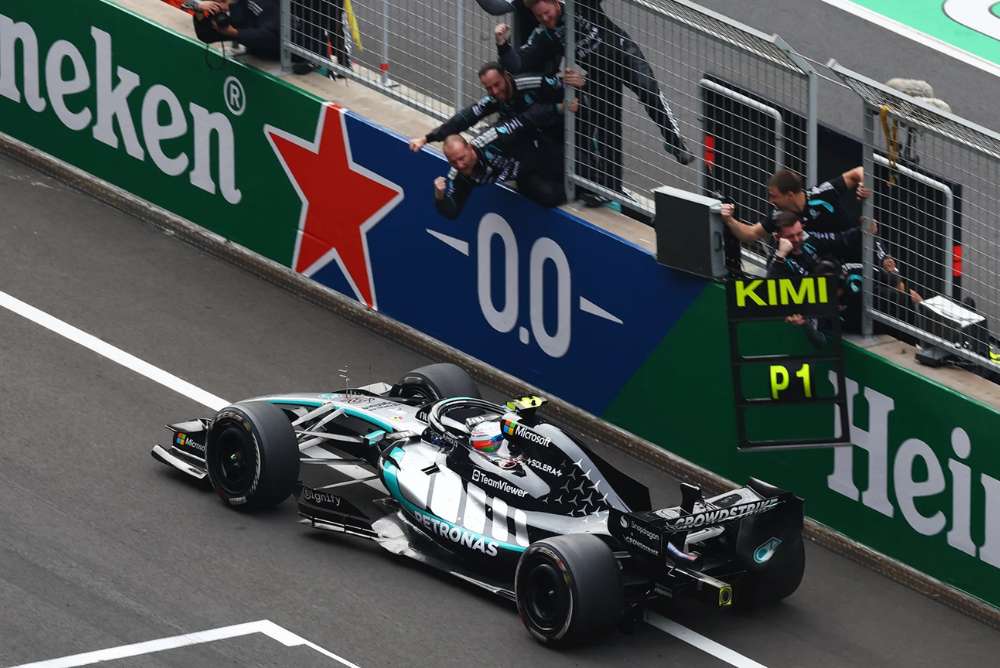
2. “One you’ll remember forever.” This was race engineer Peter Bonnington’s radio message to Antonelli after crossing the checkered flag. To which the young Italian replied, “Thank you for making one of my dreams come true.”
After a scruffy sprint, the young Italian kept the rest of the race weekend straightforward (apart from a lockup at the hairpin with four laps to go), starting with two clean qualifying runs in Q3, which made him the youngest Grand Prix pole-sitter.
Come Sunday, the race would essentially be between him and his teammate. Antonelli crucially kept Russell behind and retook the lead from Hamilton after Lap 2, taking his first win ahead of Russell by 5.5 seconds.
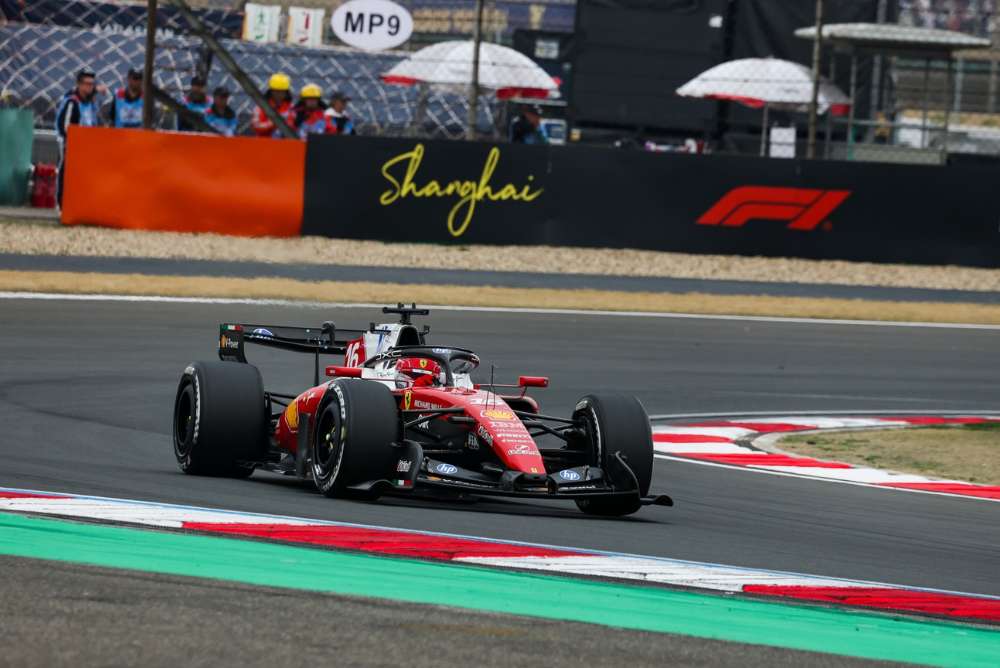
3. Can Ferrari get closer to Mercedes? That was the question heading into the Chinese Grand Prix. And the answer is not just yet.
While Hamilton was just shy of Russell in P2 in qualifying by just 0.129 of a second, and Charles Leclerc (Ferrari) behind in P4 by 0.013, Hamilton and Leclerc finished the race behind the Mercedes pair—third and fourth, respectively, by 25 and 29 seconds.
It has been pointed out that the Ferrari duo can get close to the Silver Arrows by getting them to use their boost. However, once one or both Mercedes cars get out of Ferrari’s reach, they are much faster.
The other question is: Should team orders have been applied? Could one of the Ferraris get ahead of Russell? Nah. We enjoyed the close racing, as did Charles, saying: “It was actually quite fun” with Lewis.
Crossing the line in third, Hamilton finally got his first podium with Ferrari.
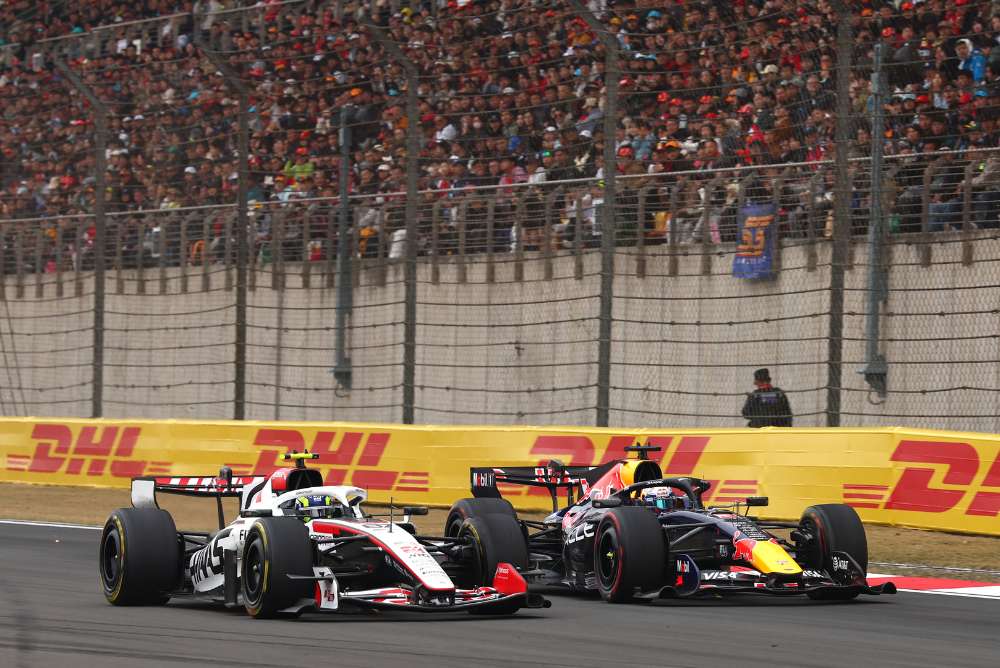
4. Fifth to 10th impressed. While Mercedes up front and the close racing between the Ferraris got the fair share of attention, take a look at the rest of the top 10.
It was another solid drive from Ollie Bearman (Haas) in fifth—avoiding a spinning Isack Hadjar (Red Bull) on Lap 1—as Pierre Gasly (Alpine) in sixth led Liam Lawson (Racing Bulls)—who also finished seventh in the sprint. It was a strong weekend after a disappointing Australian Grand Prix. Hadjar recovered from that Lap 1 spin to finish eighth, and collected his first points as a Red Bull driver. Carlos Sainz (Williams) was happy to bring home two points after his team’s troublesome start to 2026. He started just 17th, but had a good start and got to the points positions early. And a weekend to remember for Franco Colapinto, claiming his first point for Alpine.
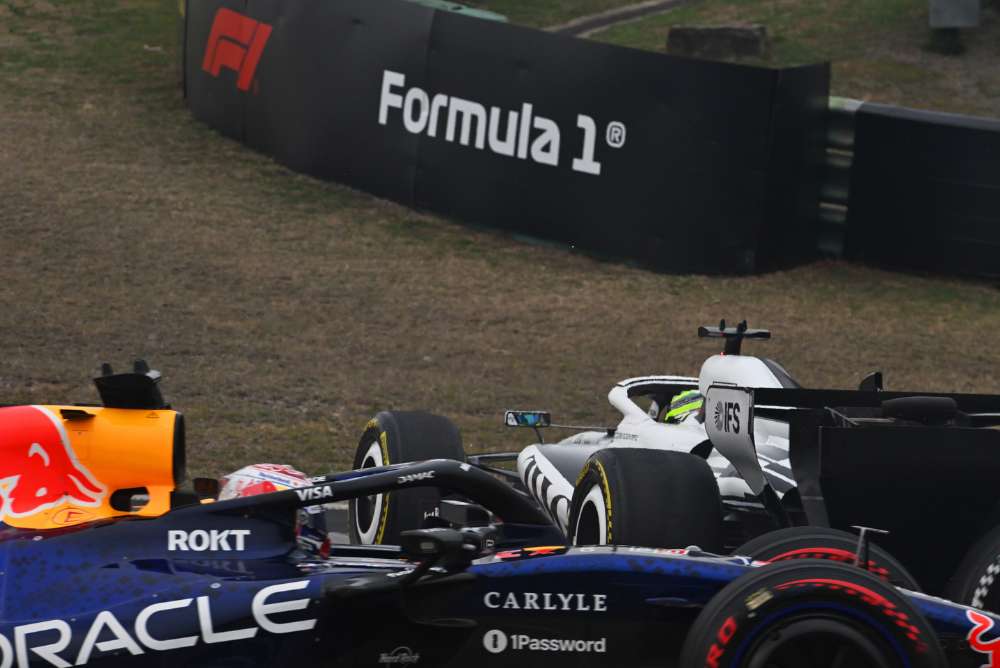
5. F1 2026—yay or nay? Max Verstappen’s forgettable weekend (ultimately retiring from the race from P6 with just 10 laps to go) compounds how the four-time champ feels about F1 racing in 2026. And he’s not alone. Other drivers have expressed their dislike, and so, too, have longtime fans.
The issue is the lack of pace due to energy constraints—having to lift, coast, even downshift on the straights in order to harvest energy.
Battery management plays too big a role in lap times, with overtaking and pace depending on who has battery left, not tires.
What Max is basically saying is that “racing feels unnatural due to constant energy saving,” and not being able to push flat-out.
Comments