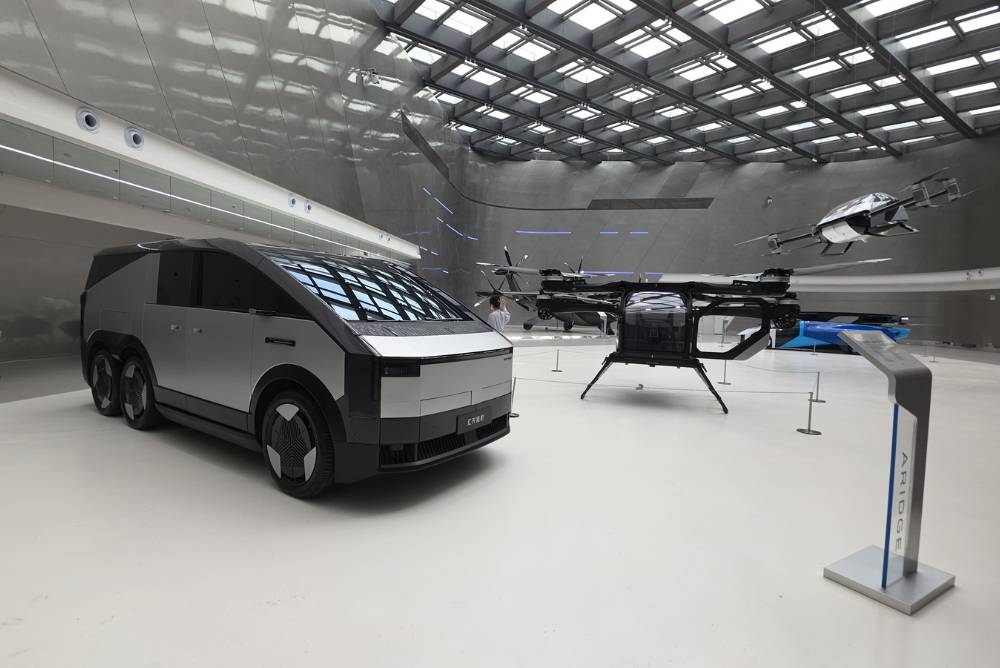

We aren’t far from science-fiction books. XPeng has made mass production of futuristic concepts a reality. Humanoid robots like Iron, and flying cars like the modular Land Aircraft Carrier may be attainable to the public in a few months. But one of the brand’s main product lines that people can get right now is its vehicle lineup. What sets it apart from the competition?
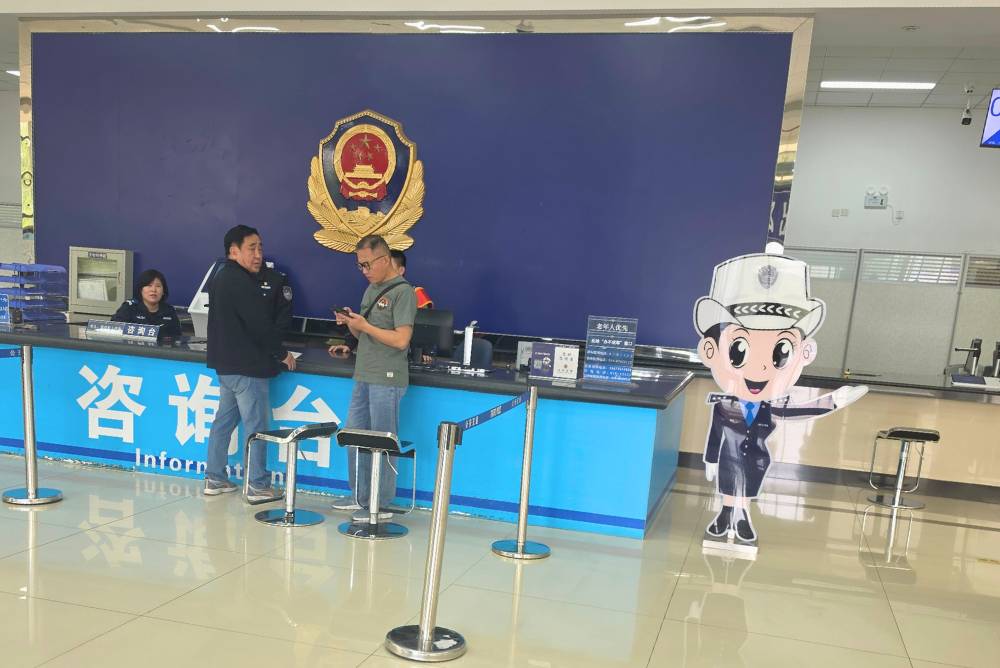
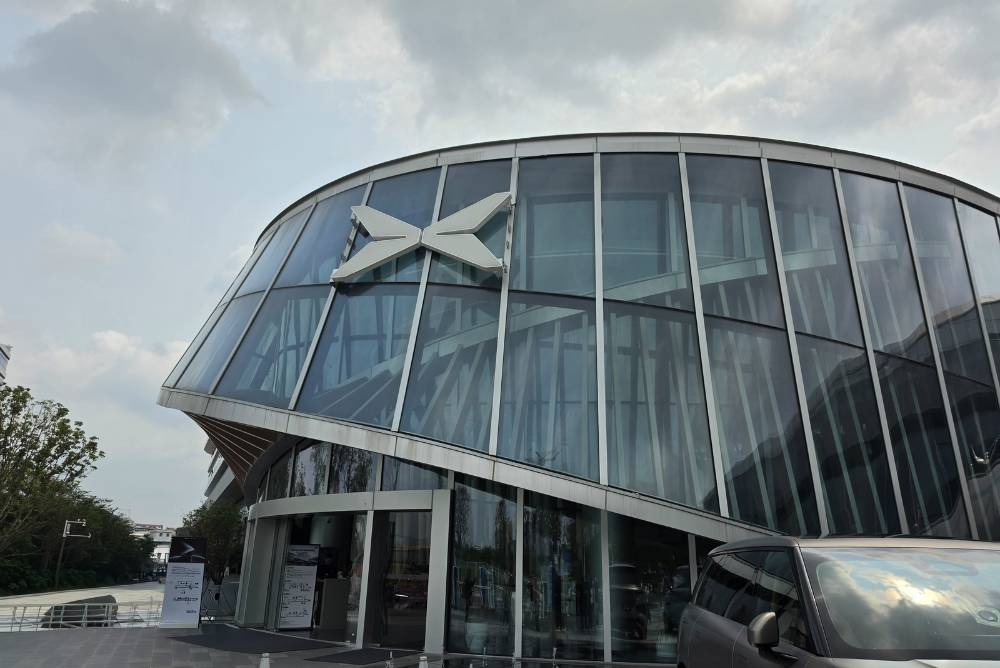
Earlier this year, XPeng held a media test drive in Beijing, where driving on public roads required us to comply with strict traffic laws. We obtained our temporary driving permit at the Motor Vehicle Administration of Beijing Municipal Traffic Management Bureau.
We gathered the required documents: original photocopies of our passport, visa, and driver’s license; a certified Chinese translation of our foreign license; two passport-sized photos; and a physical health certificate. I was put aside when we were processing my license.
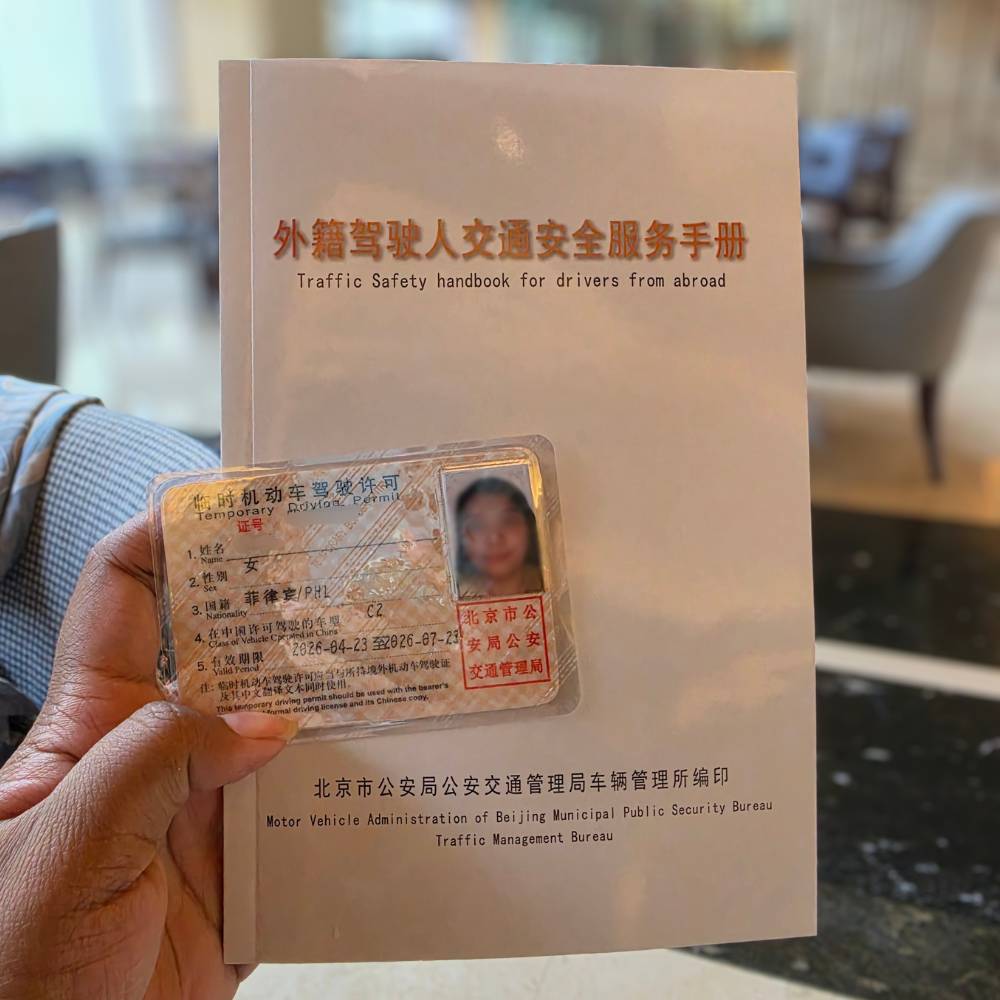
The back of the Philippine driver’s license lists license codes and their conditions, which confused officers. I clarified to the XPeng representatives, who were acting as our translators, that I didn’t have the conditions and pointed out the details on the front of the ID. Fortunately, we managed to sort it out with a few back-and-forths. We received our temporary licence and a booklet about the local traffic laws in English. The permit specified my restriction limits: I was allowed to operate C2-class (automatic-transmission light motor vehicles), which was exactly what we needed.
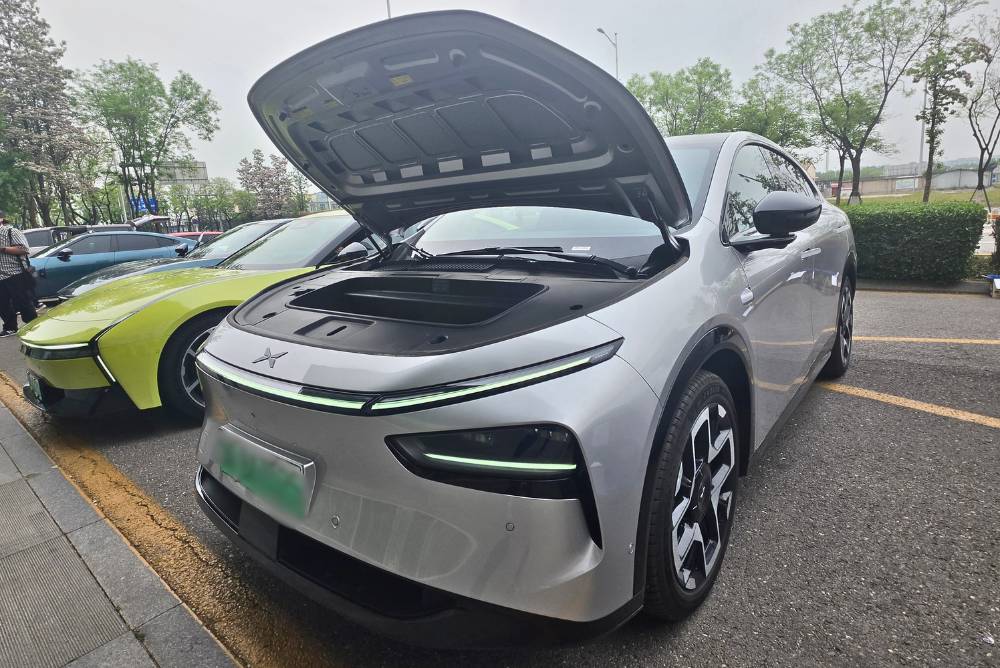
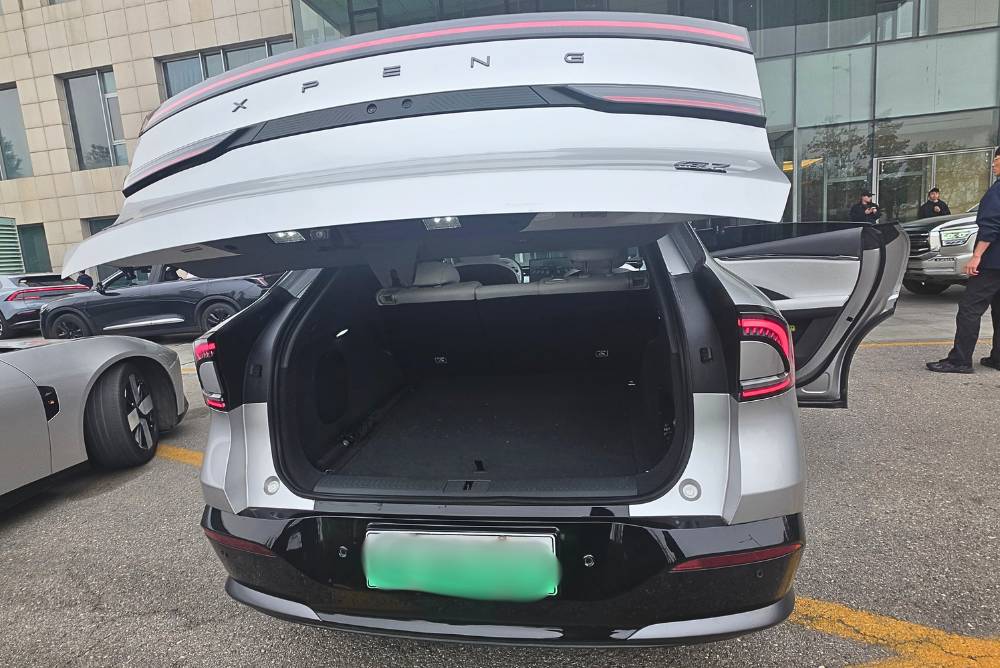
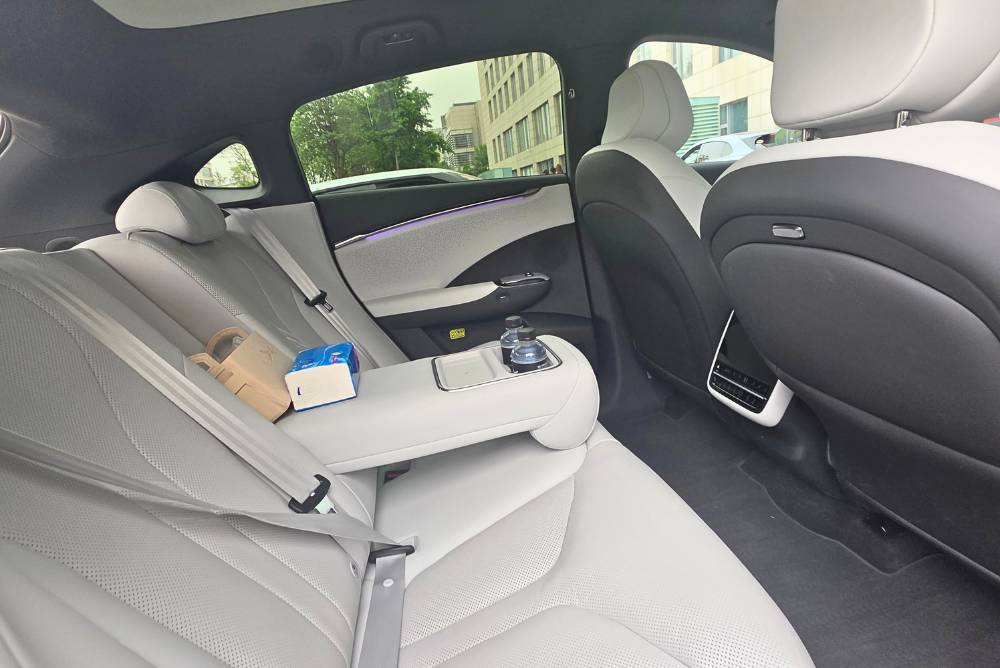
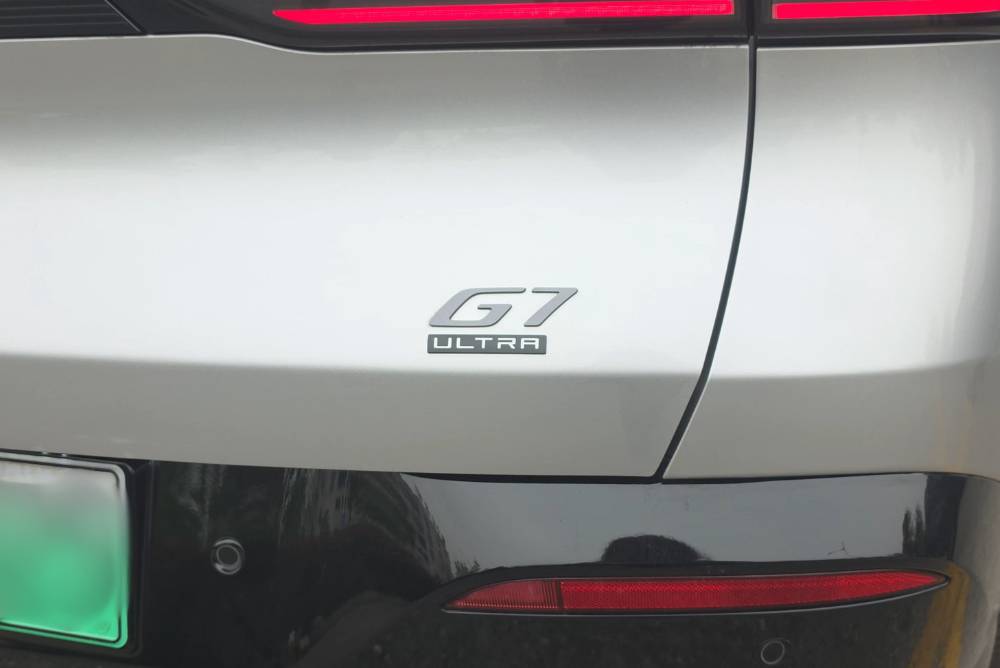
The next day, we attended Auto China 2026 to check out the brand’s display and the launch. In the afternoon, we returned to the hotel and prepared for the test drive. I was assigned to drive the G7 Ultra. This was the first car to be equipped with XPeng’s in-house Turing chip. This compact SUV is quite spacious, seating five people and featuring a 42L frunk and an 819L trunk (which expands to 2,277L with the seats folded).
The car has a sleek front fascia with clean, modern contours, and comfortable seats with heating and massage capabilities. The highlight of it all is the self-driving feature that reaches Level 2 automation.
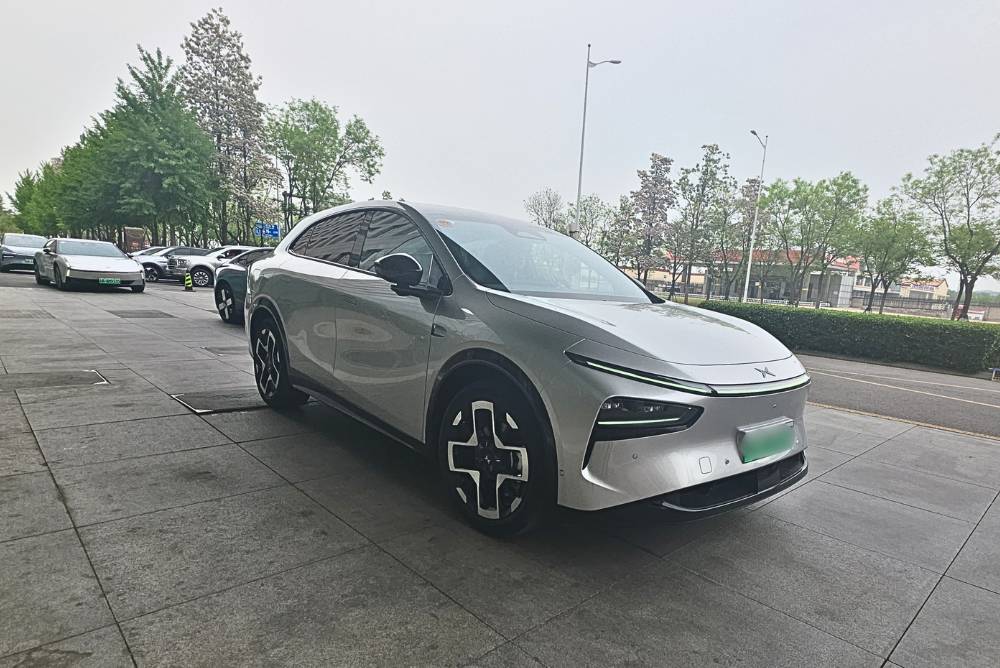
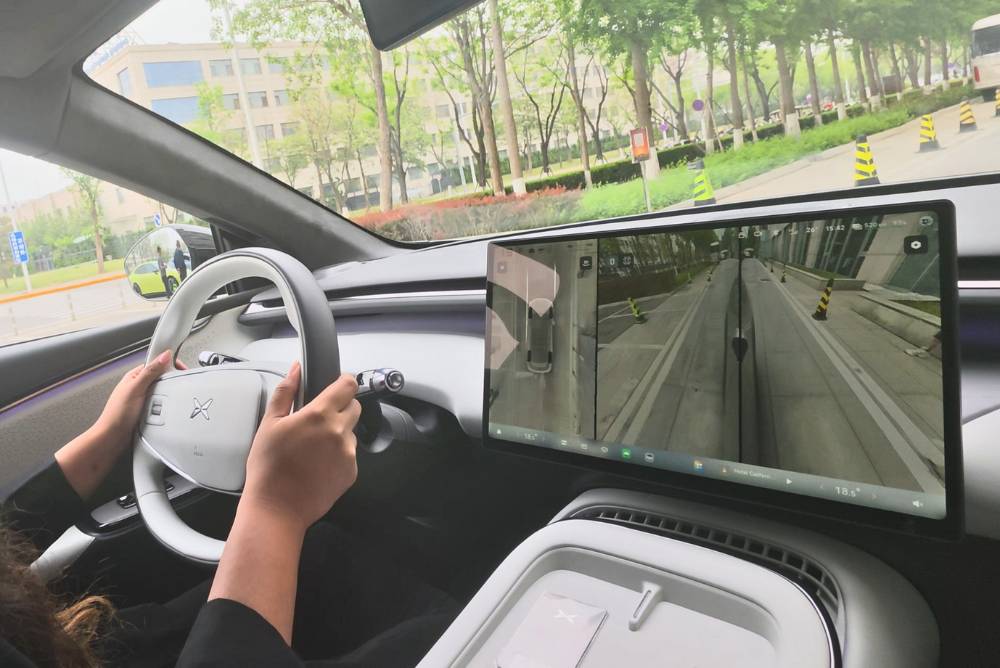
Driving on public foreign streets for the first time was honestly daunting. Thankfully, the staff member accompanying me was accommodating despite the language barrier. He was explaining the car’s features, highlighting the self-driving capabilities of the vehicle.
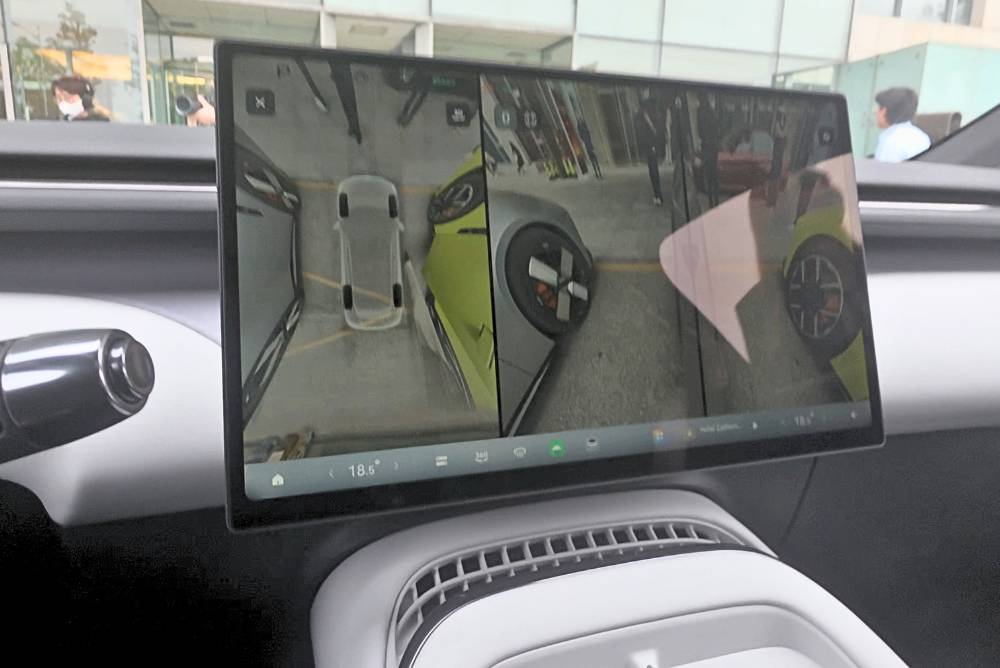
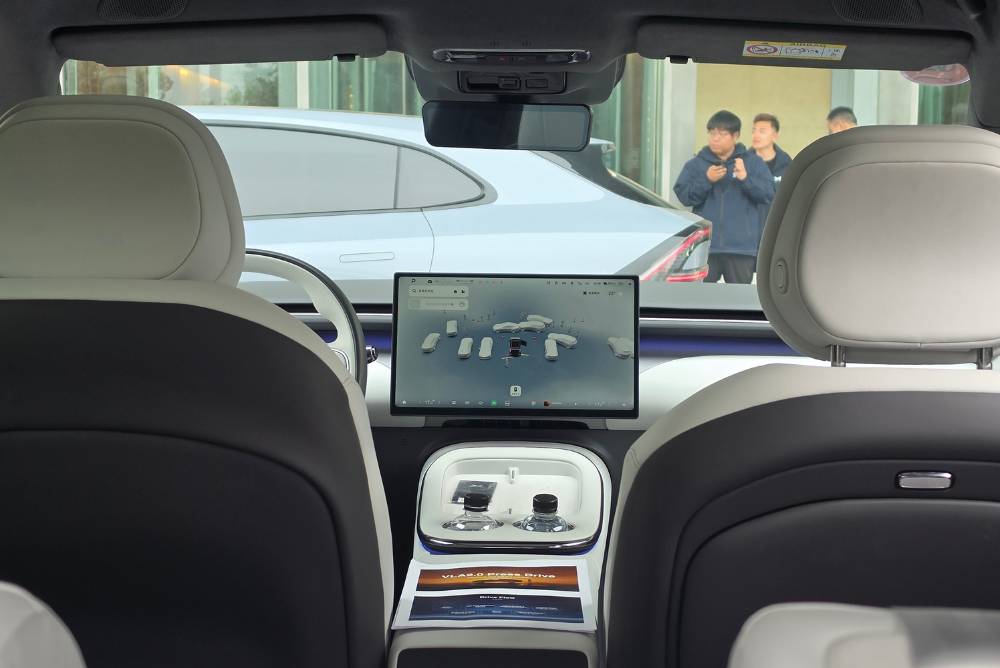
The car is equipped with a 360° HD camera, millimeter-wave radar, and ultrasonic radar to ensure safety. It also has Driver State Monitoring and Occupant Monitoring System cameras to ensure the driver remains alert even during self-driving. All of these feed the Turing chip information about the environment, which can be seen on the infotainment system.
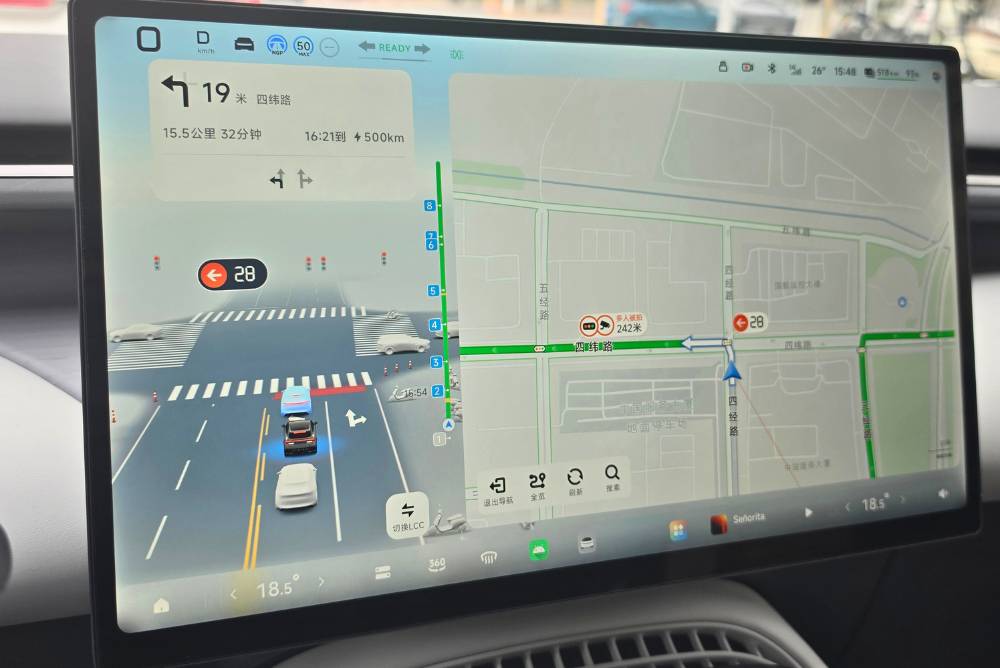
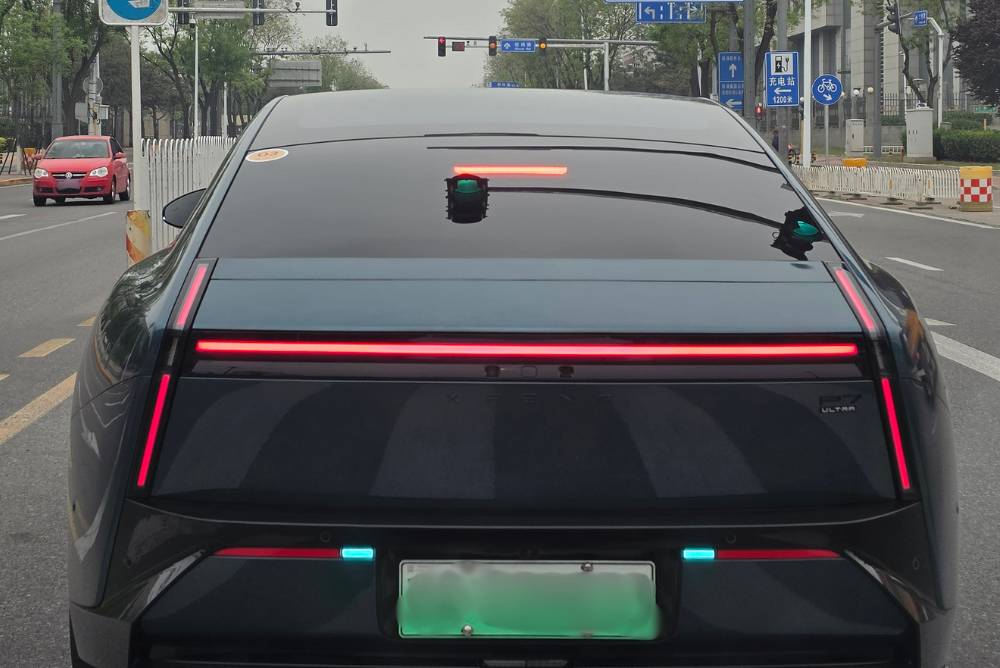
On the map, we can see the blue vehicle up front, which signifies that the car is currently self-driving. If we look closely at the rear of a self-driving car, we can find turquoise exterior marker lights near the plates, making it distinguishable from human-driven cars.
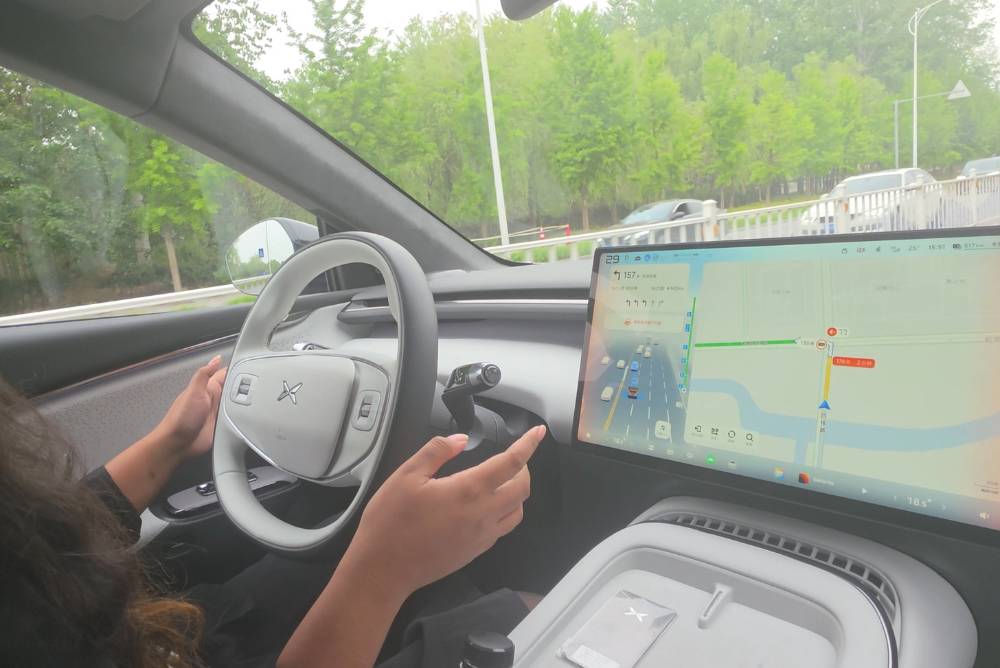
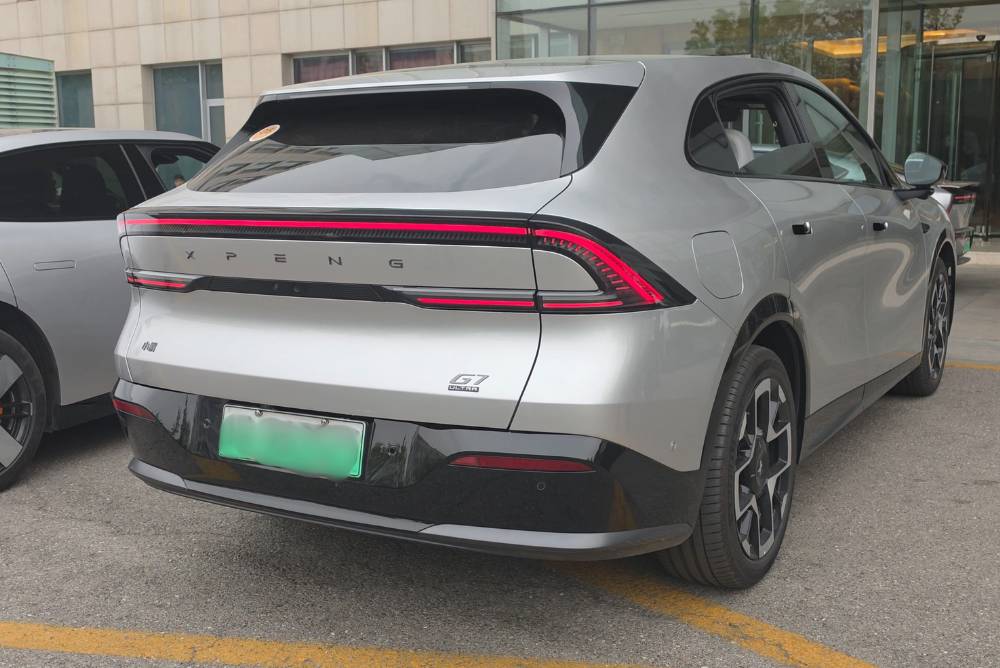
To initiate AI steering, the maps should be connected to the infotainment system so they can plot the route we want to take. The car should be moving on a wider street to ensure utmost safety. We have to tug at the right stalk twice for the car to take over. The driver then has to put his/her hand on the steering wheel every once in a while to reassure the system that he/she is active and alert; otherwise, there will be both a visual and an auditory warning. Keeping the hands on the steering wheel the entire time isn’t encouraged to avoid resistance between the operator and the AI. The system automatically changes lanes when needed. Ending the self-driving is easy, too: We just have to step on the brake.
The overall ride was smooth, and the braking and the accelerating were gradual. Even in situations when I thought the system would be confused, it was still reliable. For instance, a truck across from us made a U-turn in the inner lane on a green light; the G7 stayed outside the box junction, only moving forward after the vehicle had passed. We went through a tighter two-way street, which I thought would affect its performance, but it easily proceeded without needing me to take over.
Although the test drive was too brief for me to experience the car’s full potential, the continuous developments that XPeng promised—alongside the upcoming features of its Vision Language Action 2.0 architecture—had plenty of scenarios left to explore. What excites me most is that, now that XPeng has confirmed its entry into the Philippine market, we will soon see how its self-driving models fare on local roads.
Comments