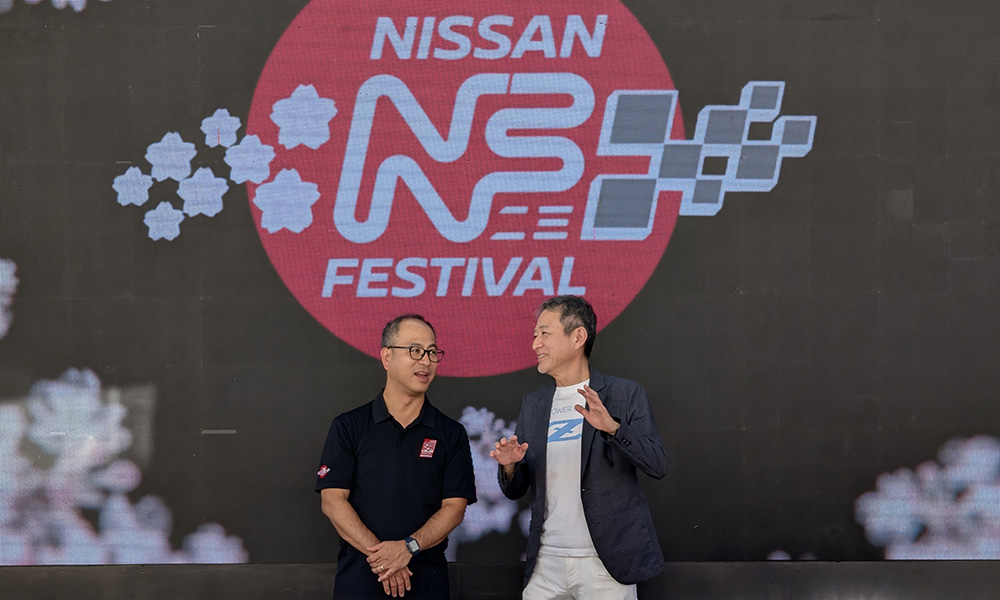

For as long as many car guys remember, Nissan has been synonymous with legends in the automotive industry and car culture alike. With over 90 years of experience, the Japanese brand has been innovating across various aspects of motoring. From fuel-efficient and fuel-free people movers to powerful, tech-laden dream machines.
When Nissan Philippines announced the first-ever “Nissan Festival” at Clark International Speedway, fans were taken aback. The fans were even treated to the presence of the chief project specialist for Nissan sports cars—aka the father of the GT-R, Hiroshi Tamura.
A localized version of the Nismo Festival right at our doorstep: What more could a Japanese domestic market (JDM) fan want?
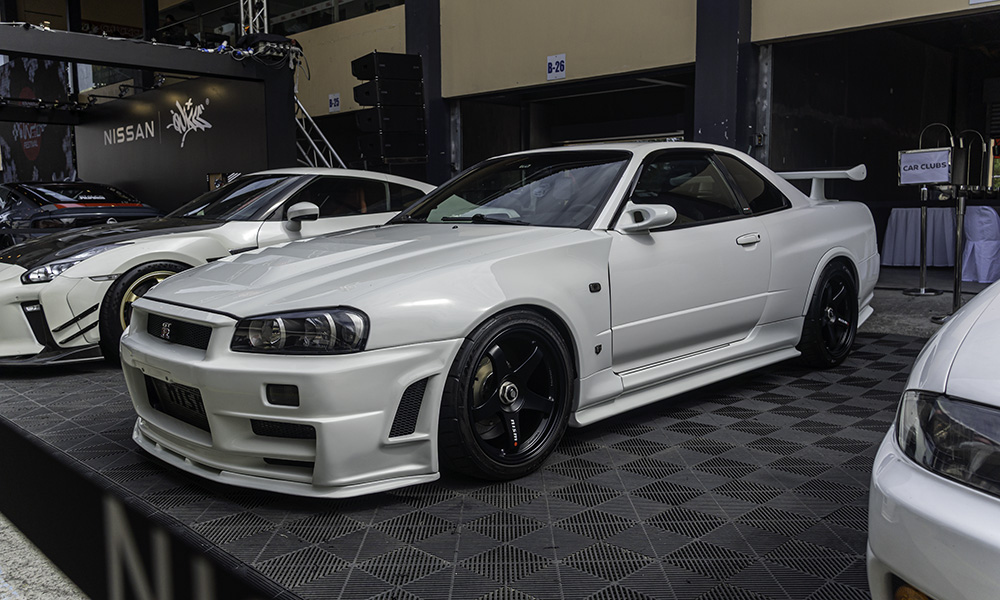
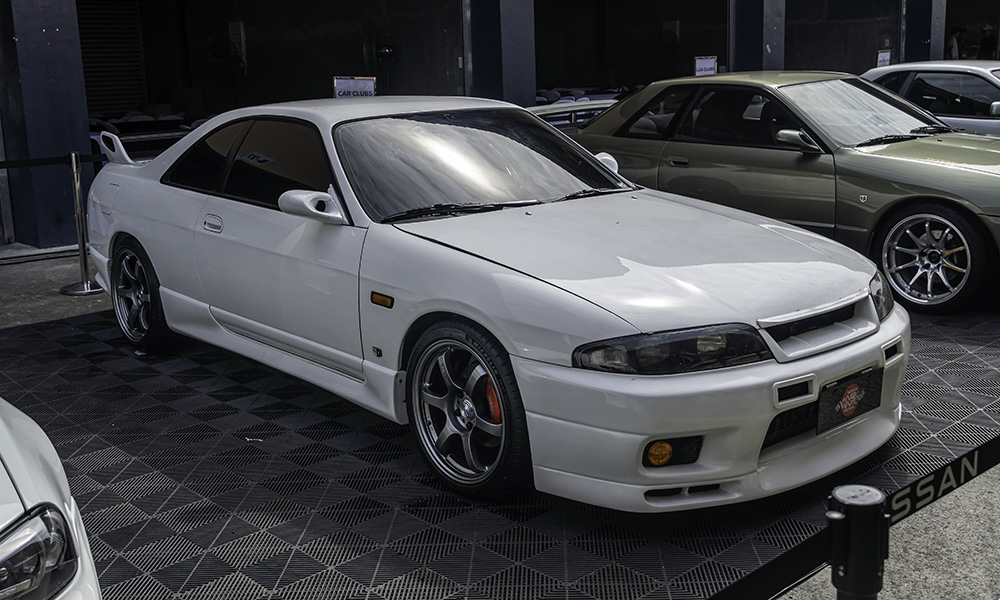
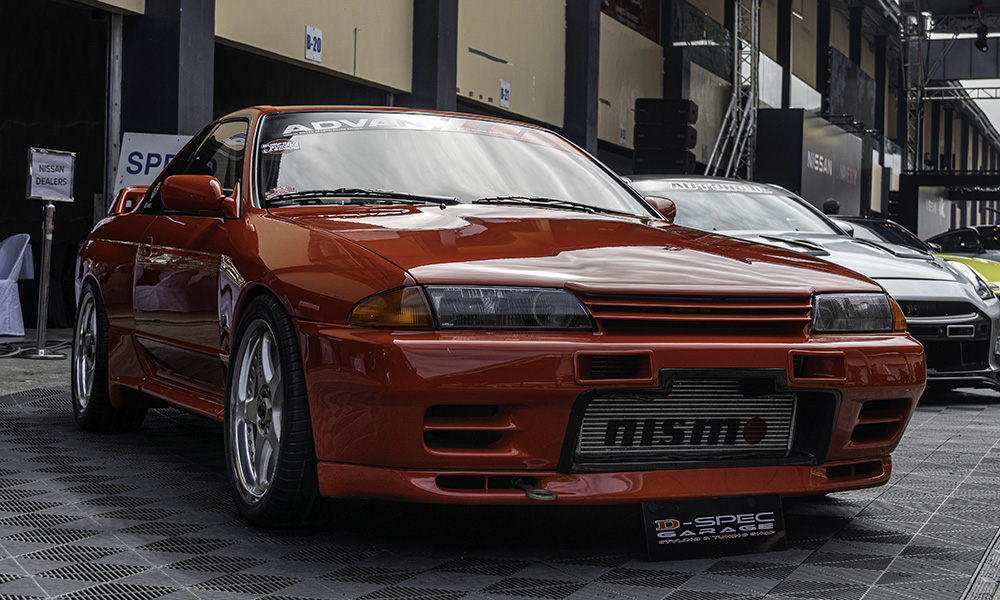
You can’t plan a celebration of a brand without its halo model, and when it comes to high-performance beasts, the GT-R is in a class of its own. In 1969, these three letters emerged under the Skyline name, aiming to bring the sedan/coupe into the world of motorsports.
With the R32 generation in 1989, Nissan combined the Advanced Total Traction Engineering System for All-Terrain (ATTESA) with the venerable 2.6-liter twin-turbocharged six-cylinder engine, known as the RB26DETT.
Following race wins in Japan, Australia, and Europe, the car’s fame skyrocketed thanks to its appearance in the Gran Turismo video game franchise and the 2003 blockbuster hit 2 Fast 2 Furious.
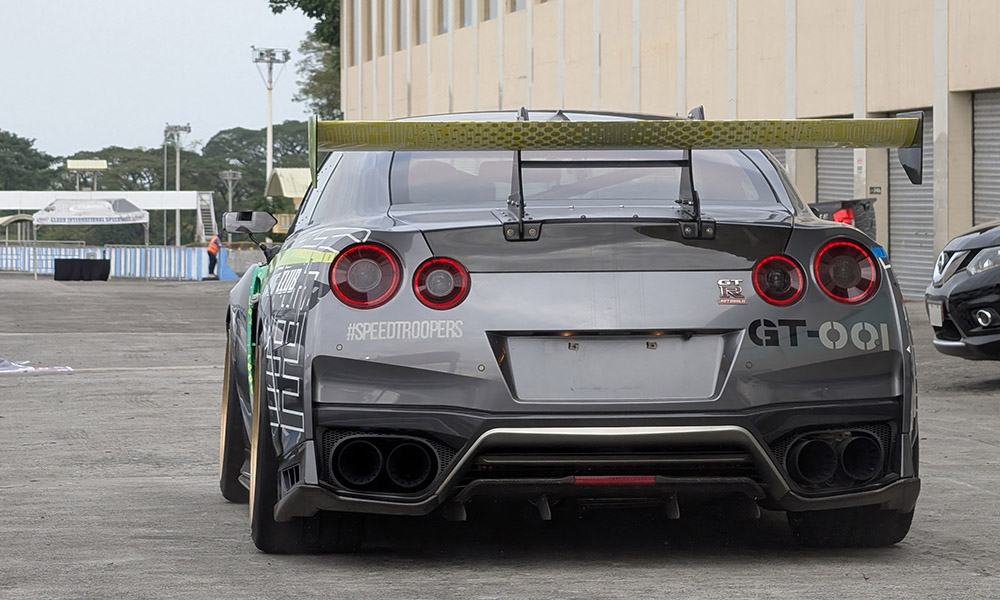
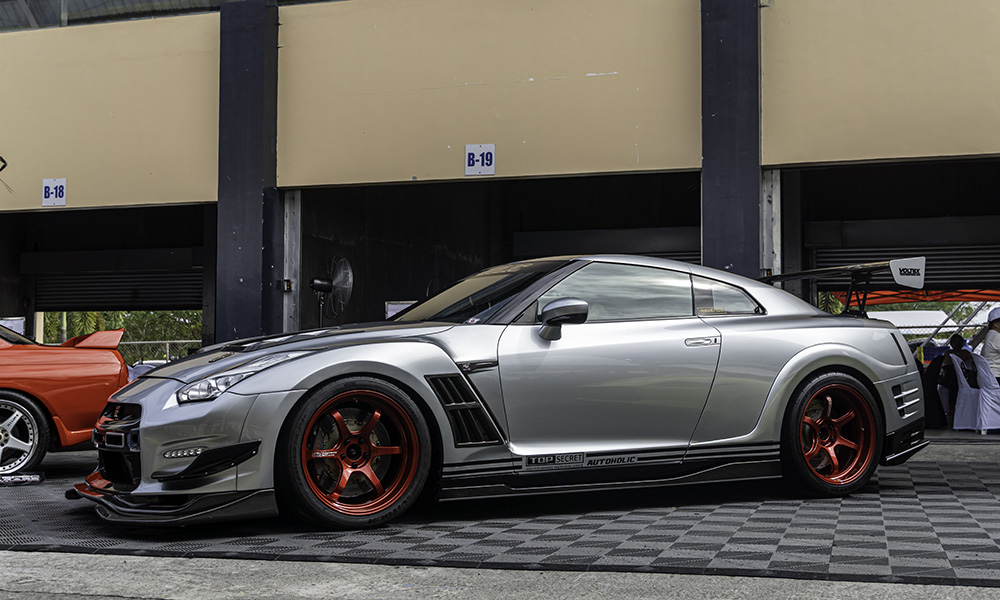
However, it was the R35 stand-alone model that changed everything. The GT-R was developed over seven years to surpass its German competitors, spearheaded by Tamura-san. The updated ATTESA E-TS Pro system and the newer 3.8-liter twin-turbo V6 instantly received the seal of approval from journalists and enthusiasts alike.
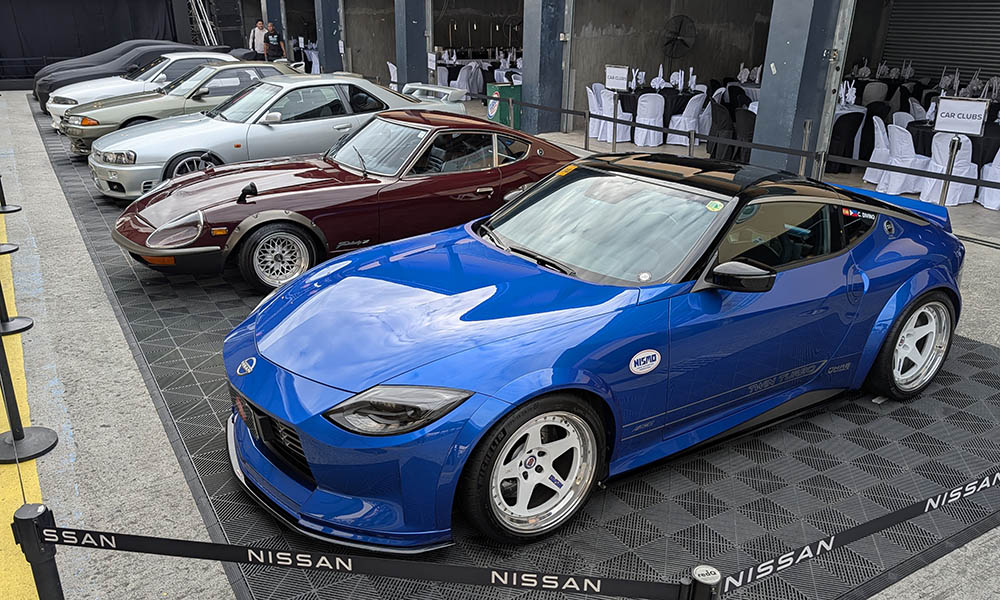
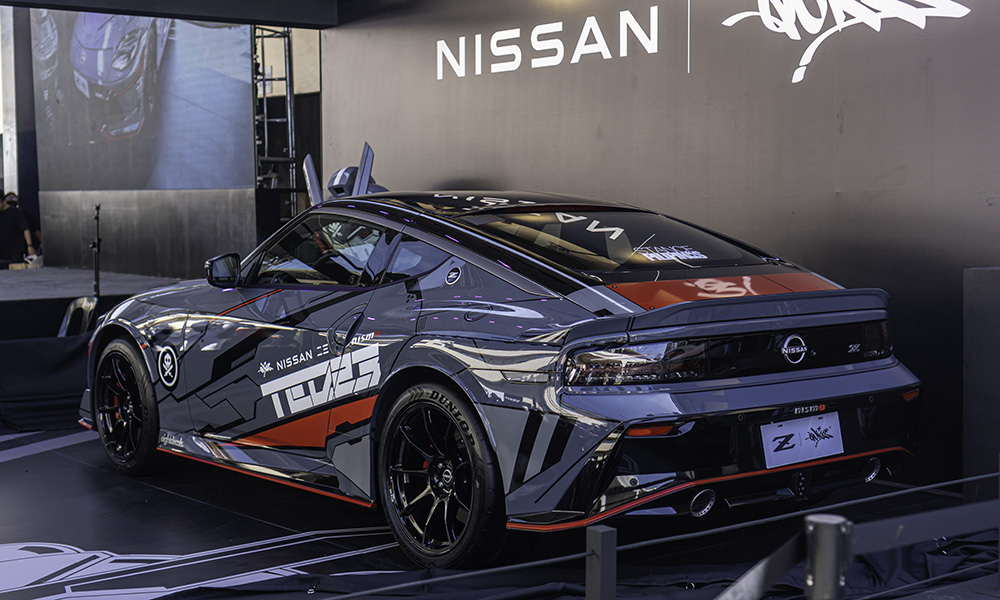
For spirited driving enthusiasts, the Fairlady Z carried the ethos of European sports cars with Japanese quality. The original S30 from 1969 had the unmistakable design that lasted more than 50 years. The current-generation RZ34 brings the familiar shape and sheer excitement in a 3.0-liter twin-turbo V6 package.
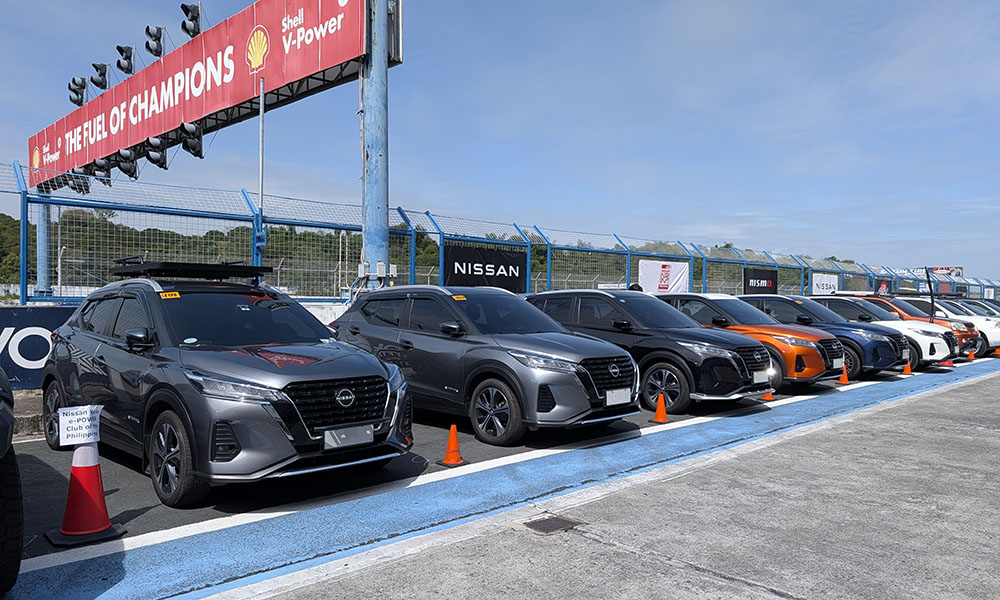
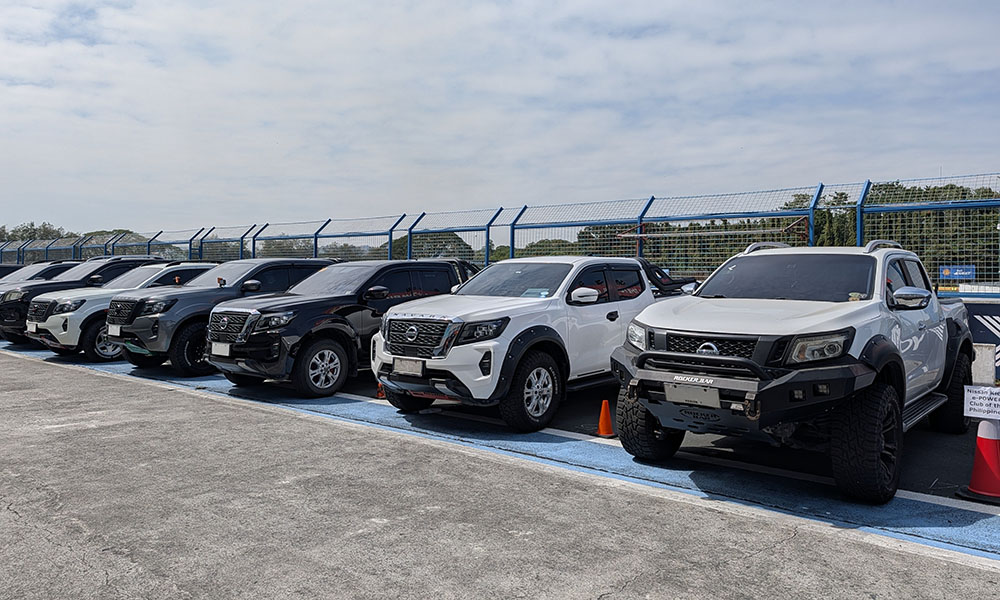
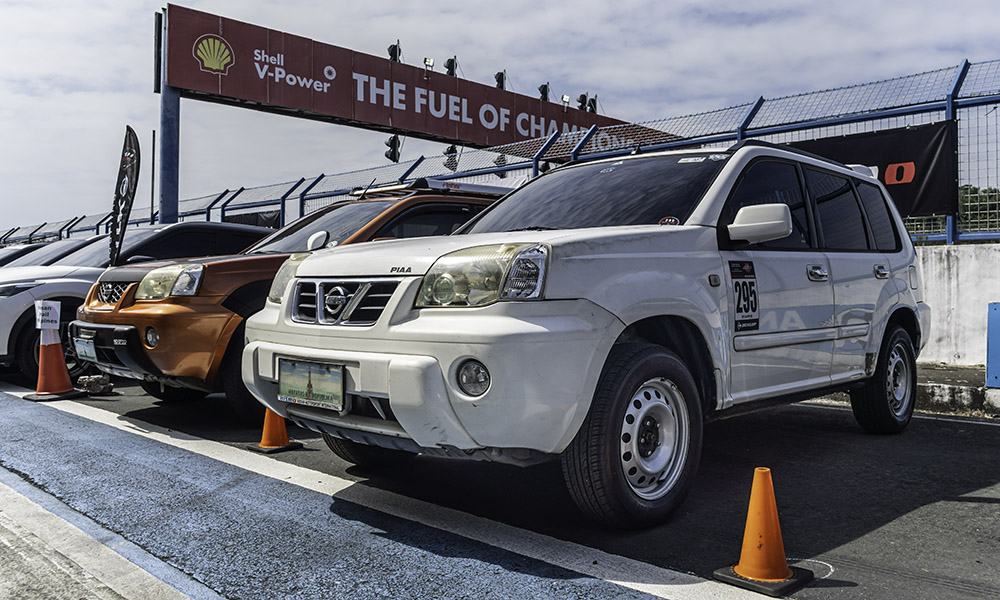
Aside from the performance models, the conventional vehicles were also on the show floor: the Navara, the Terra, the Kicks e-Power, and the most underrated star of the show, the X-Trail. The latter crossover has a surprisingly healthy car club after all these years, with its first-generation model carrying a semi-boxy design and potent engine choices.
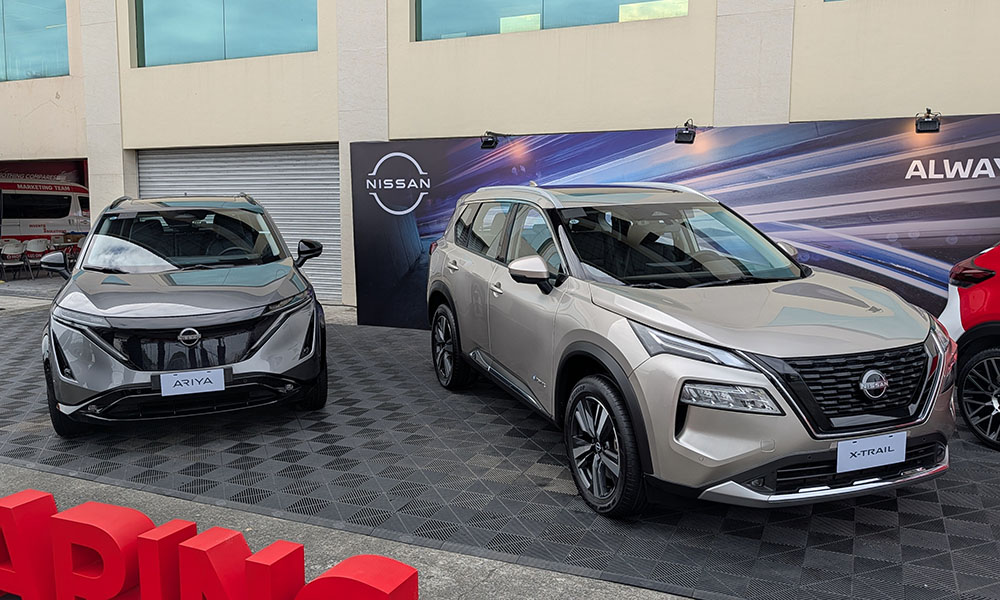
Despite having been absent from the market for a while now, the X-Trail’s latest generation appeared right next to the Ariya in the paddock in e-Power guise. With Nissan’s push for electrification, it’s a cheeky tease for those in the know.
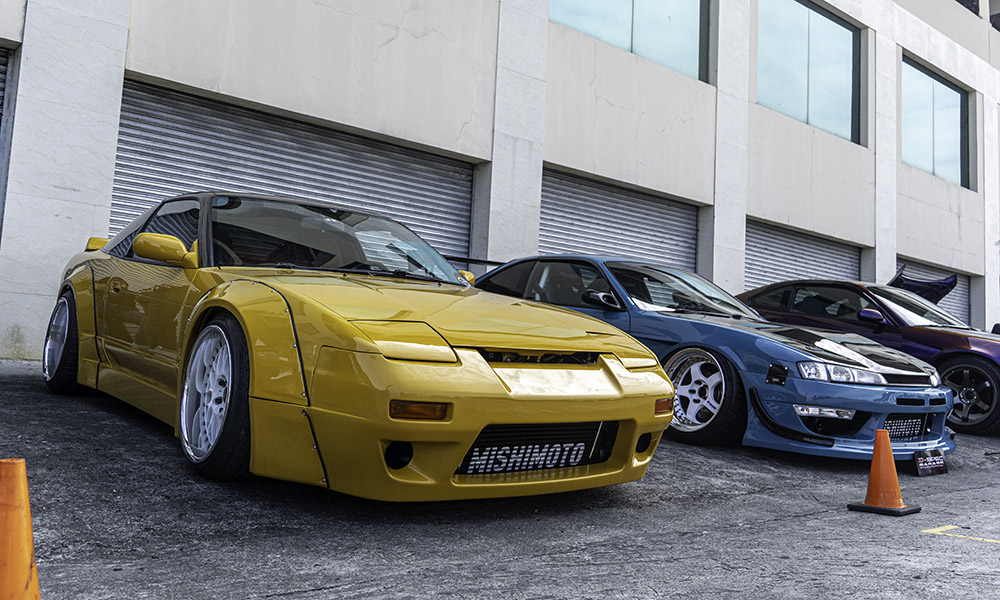
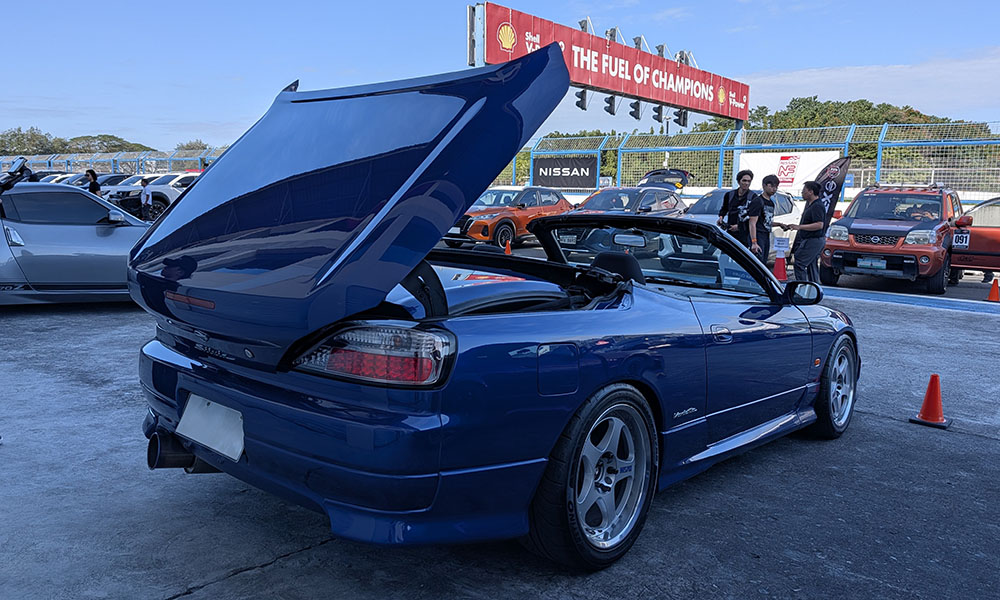
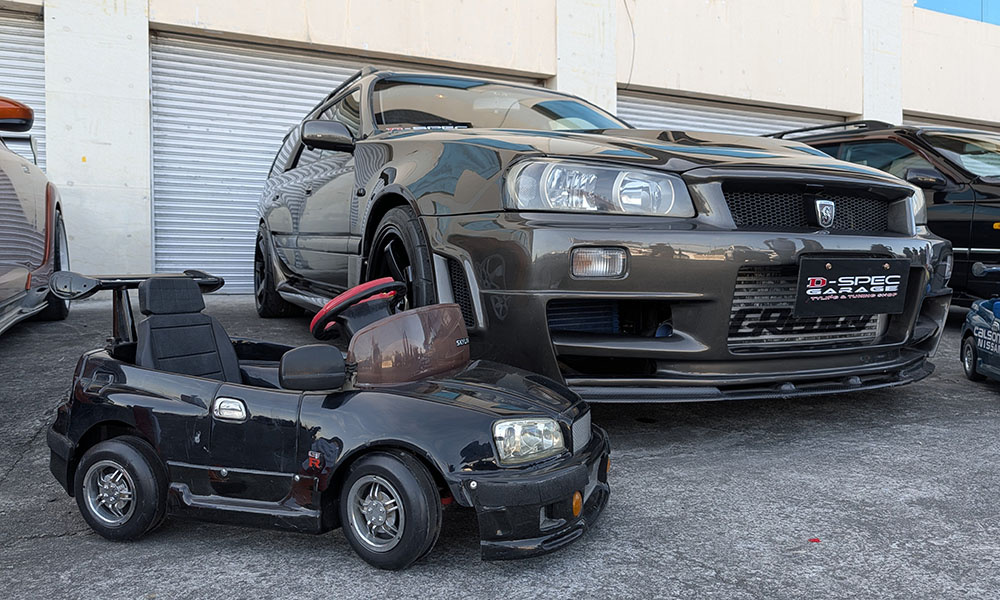
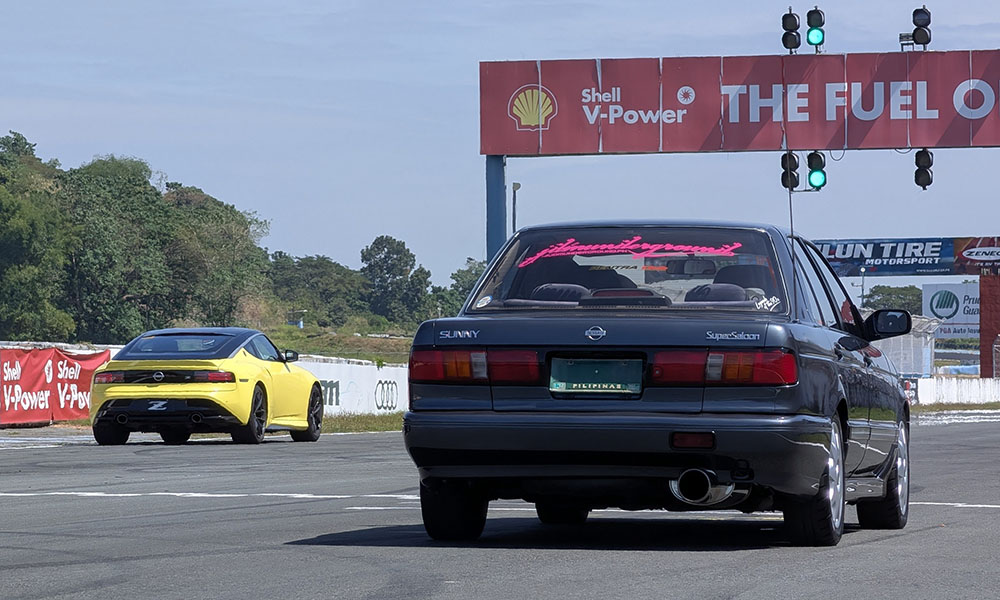
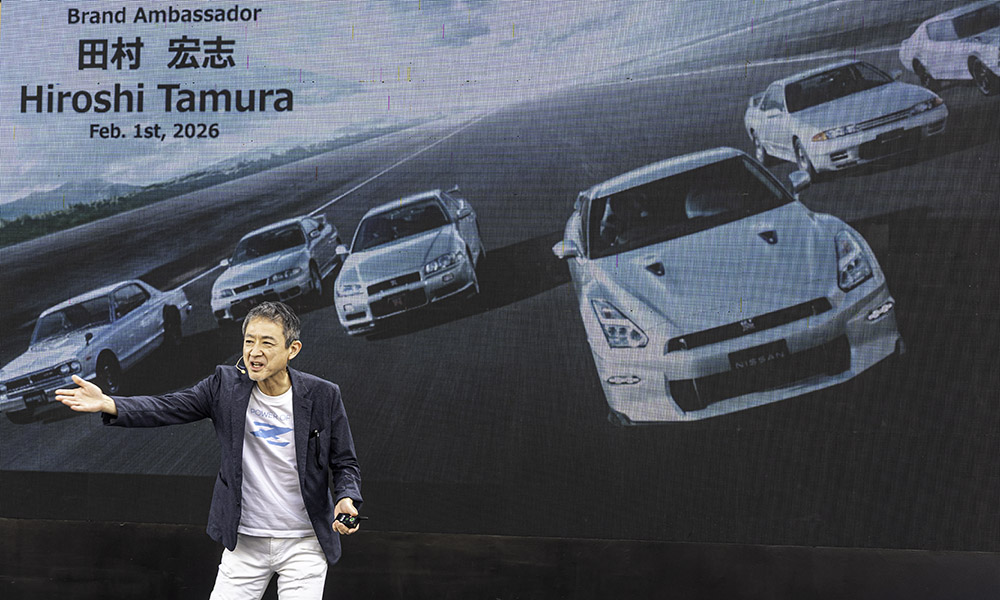
Nissan Philippines president Masao Tsutsumi described this celebration as something more than advertising. “Seeing the [Nissan owners’] vehicles—hearing the sounds on the circuit—people will [be] more engaged [and have] more affinity to the brand.”
The Nissan Festival was a passion project from the start, and it successfully resonated with many enthusiasts. Whether or not this event returns in the future, it has shown that the Japanese brand still has a significant place in the hearts of many Filipinos for years to come.
This branded article was produced in partnership with Nissan Philippines.


Comments