
Great Wall Motor started as another Chinese manufacturer copying the Toyota Hilux and other popular models from different segments. Remember the Hover, the Wingle, the Coolbear, or the Haval M2? You probably have seen some of them on the road, but they’re not enough to stick in a regular consumer’s mind.
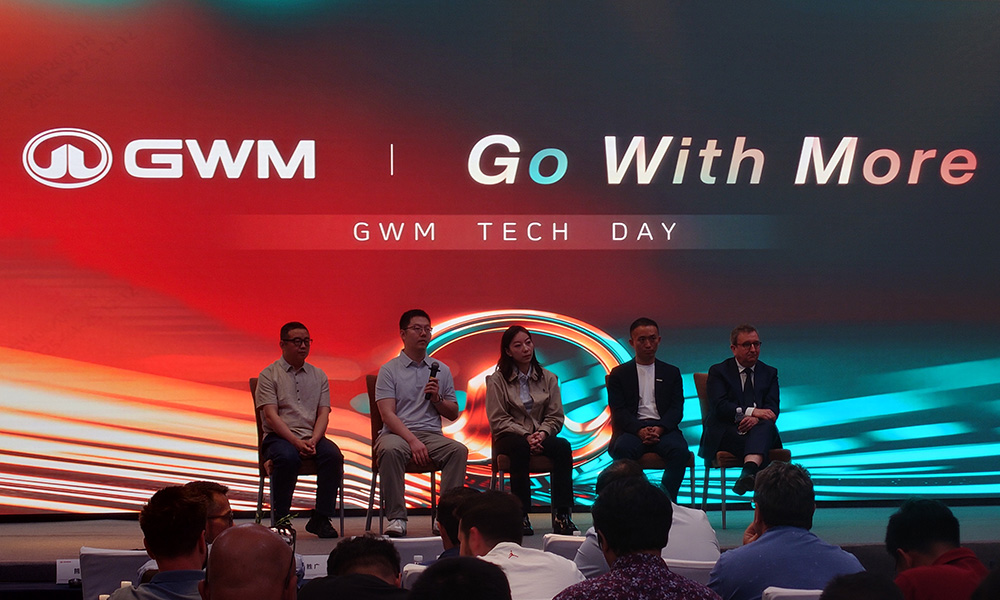
In 2023, the brand returned to the Philippine market under Luxuriant Automotive Group and with a simpler name: GWM. Since then, we’ve seen a mix of hybrid crossovers, body-on-frame trucks, and a compact EV. However, those weren’t enough for prospective buyers to “go with more.”
GWM Philippines set out to achieve one thing at this year’s Auto Shanghai: showcase its hybrid-powered and convenient future while still appealing to the off-roading enthusiasts.
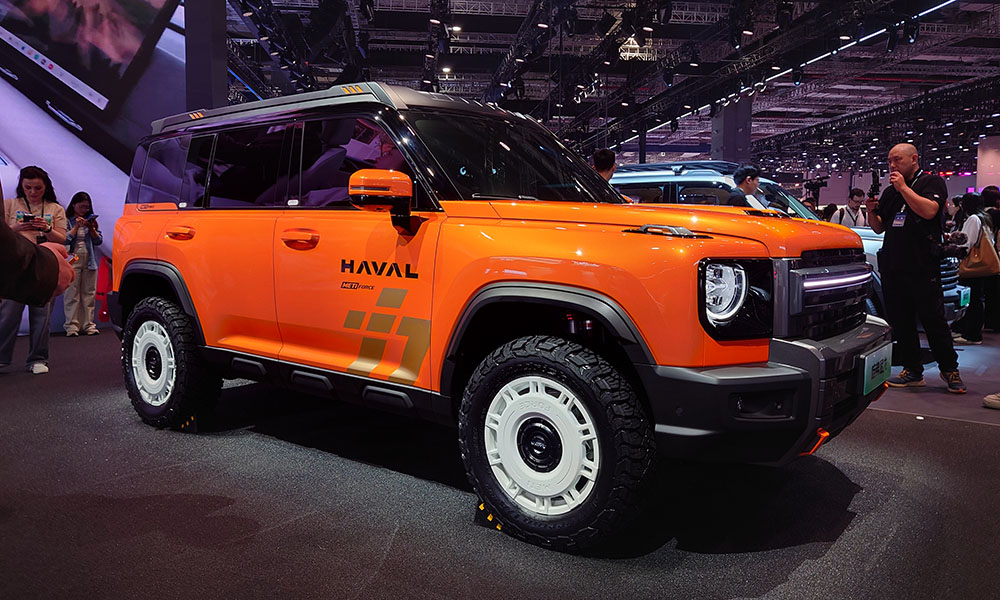
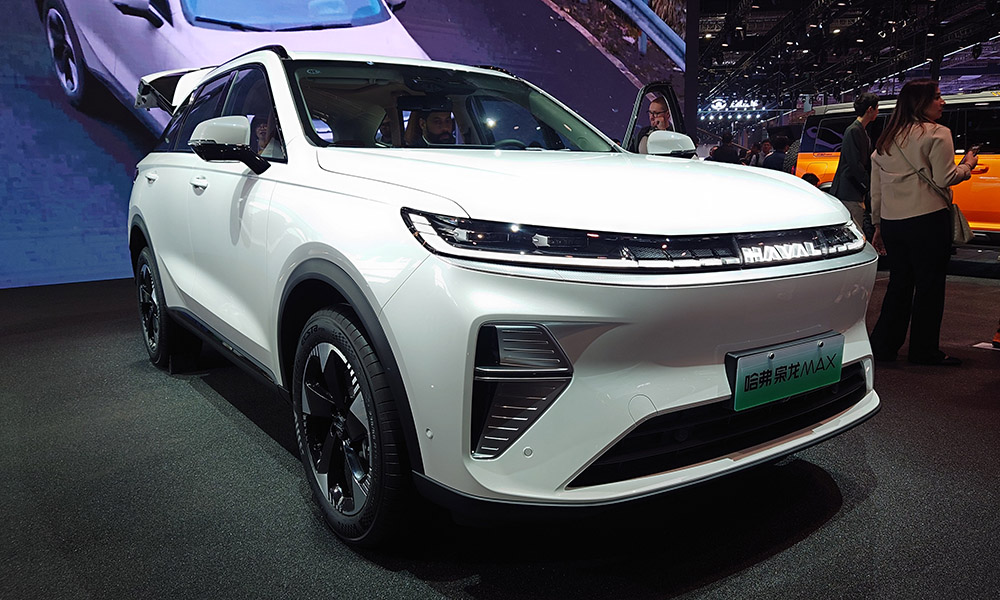
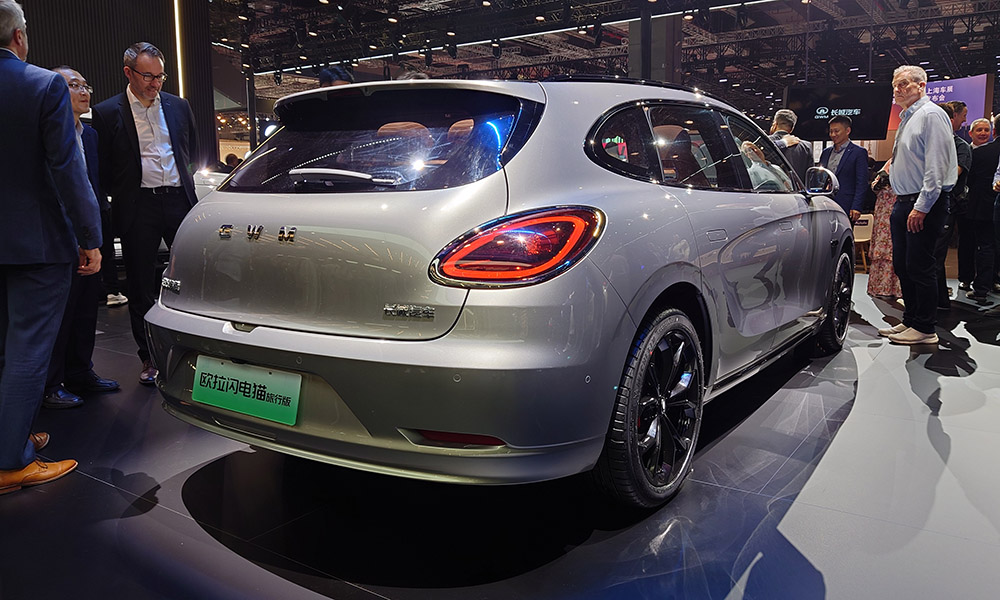
As we entered the National Exhibition and Convention Center, we noticed that the GWM booths were so large that their combined surface area was just 2,000sq-m smaller than the entire exhibition hall of the World Trade Center.
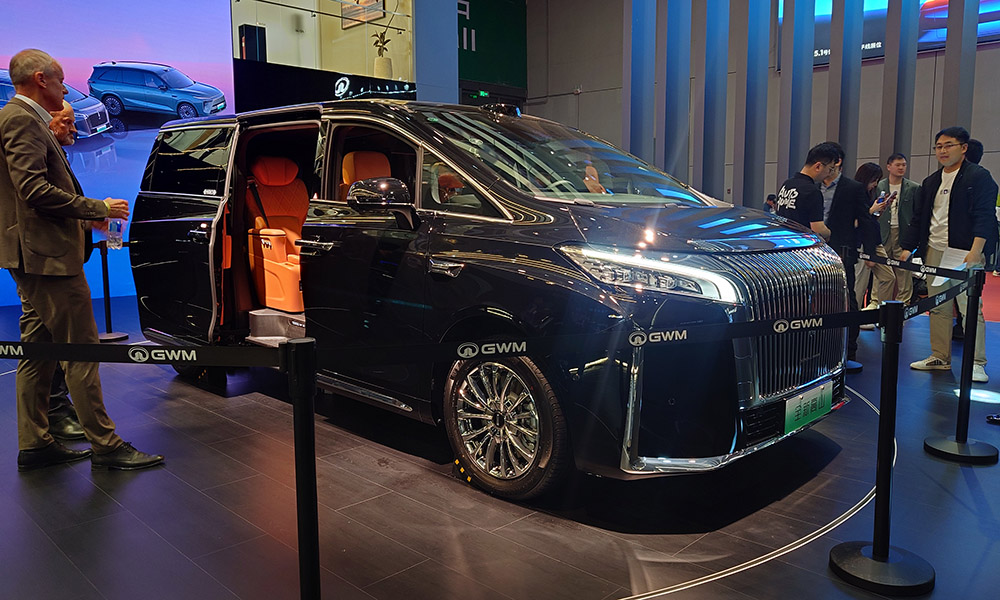
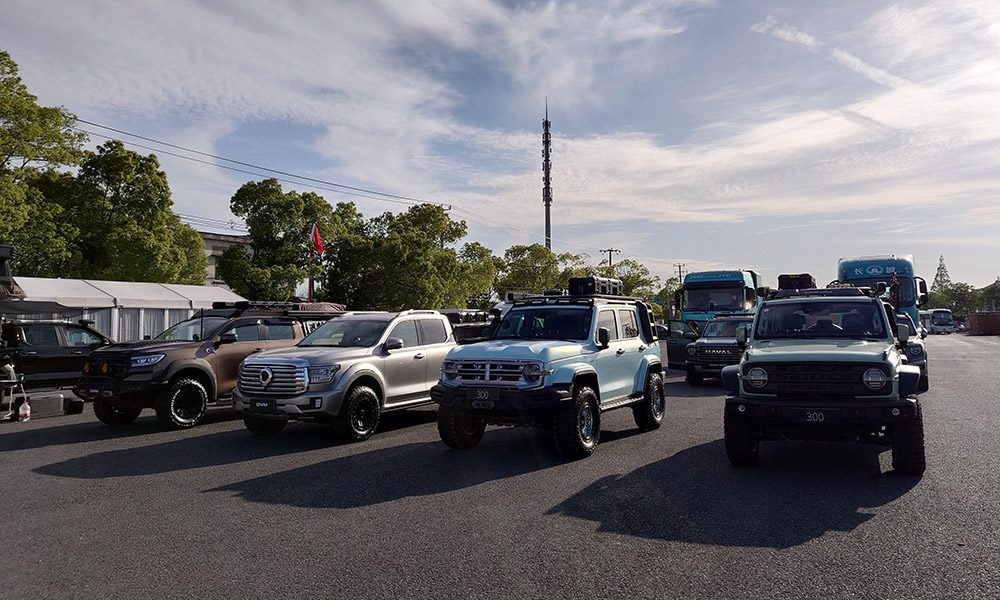
The vehicles on display primarily consisted of SUVs and pickups from the Haval and Tank lineups, along with compact cars from Ora, luxury cruisers from Wey, and even touring motorcycles from Souo. This not only highlighted the limitations of our local venues, but also demonstrated the confidence of the Baoding-based company in its ambition to dominate the global market.
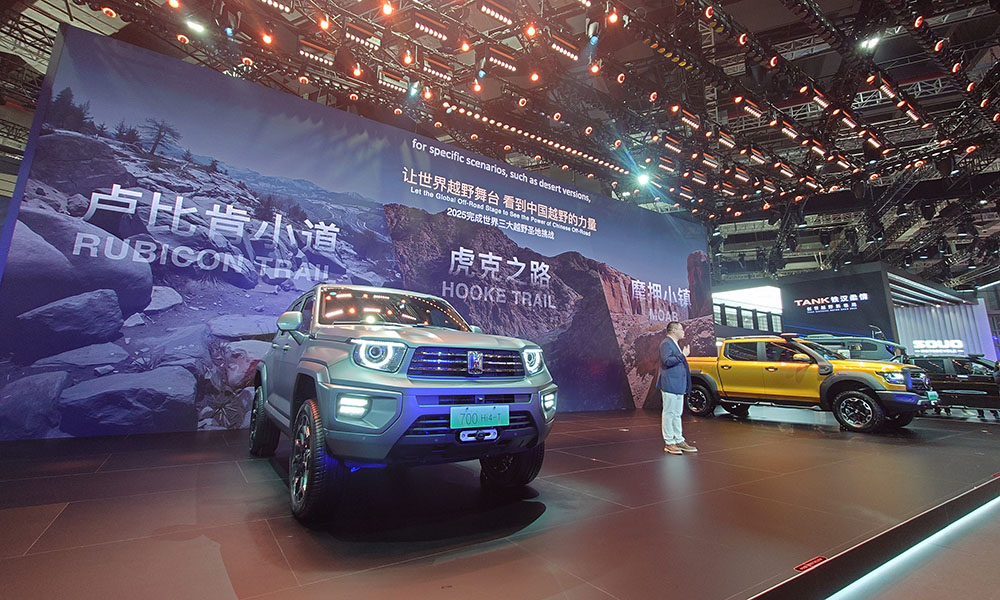
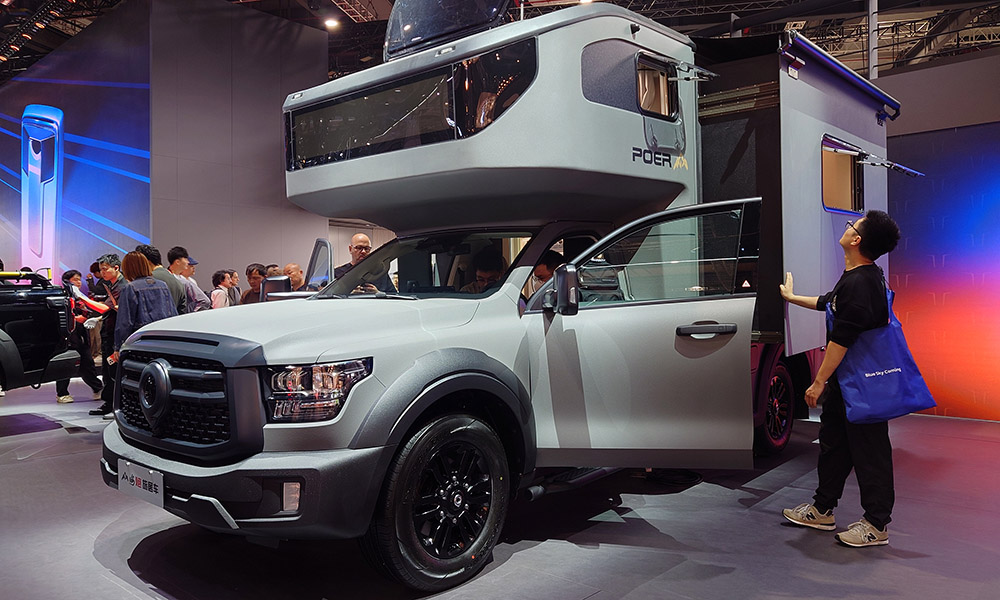
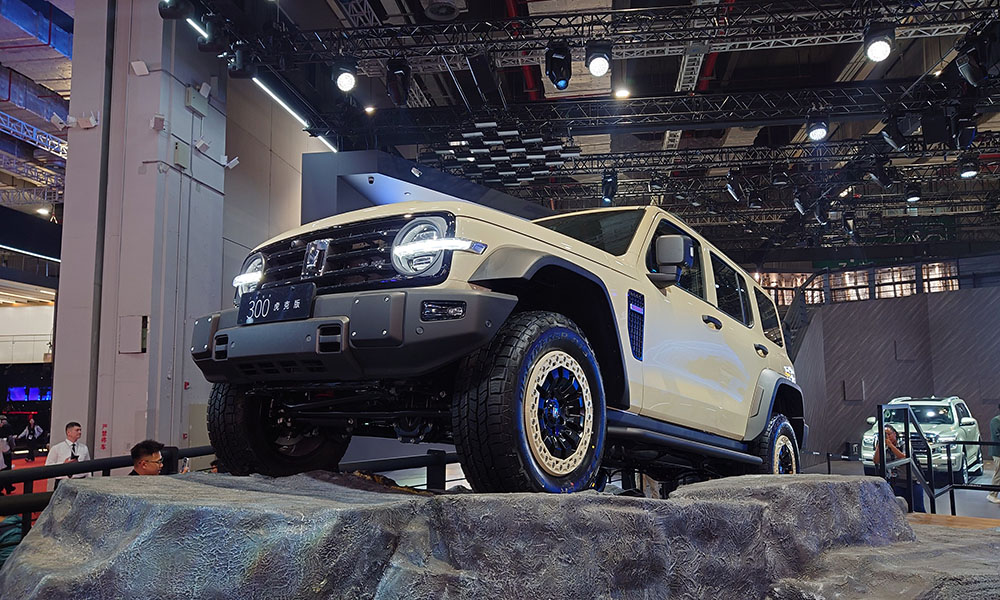
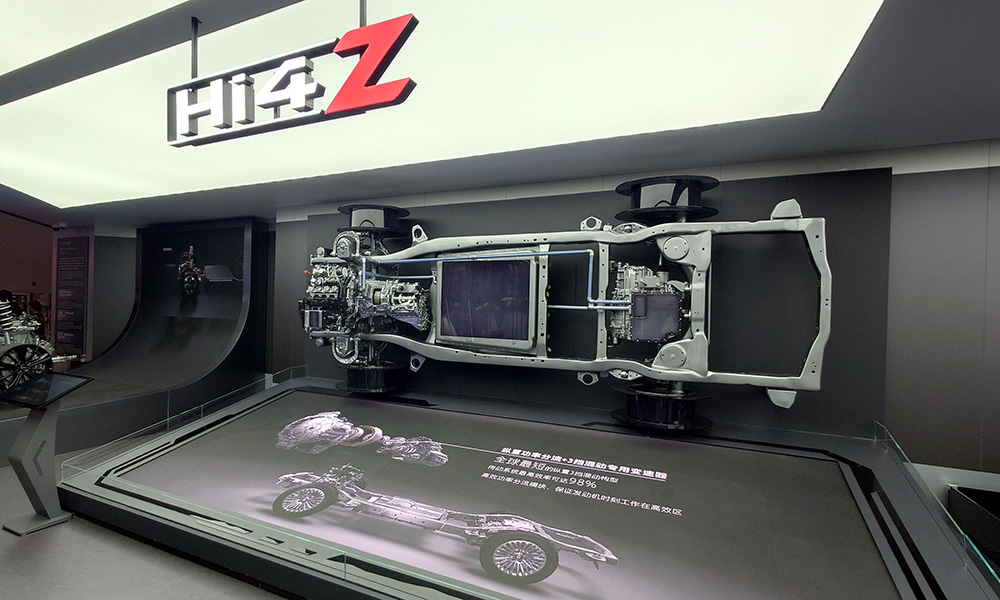
In the grand scheme of the trip, GWM aimed to highlight Hi4, an acronym for “hybrid, intelligent, and four-wheel drive.” This system follows a straightforward, no-nonsense approach, providing either the ICE, the battery or both, and selectively sending it to either wheel depending on the situation.
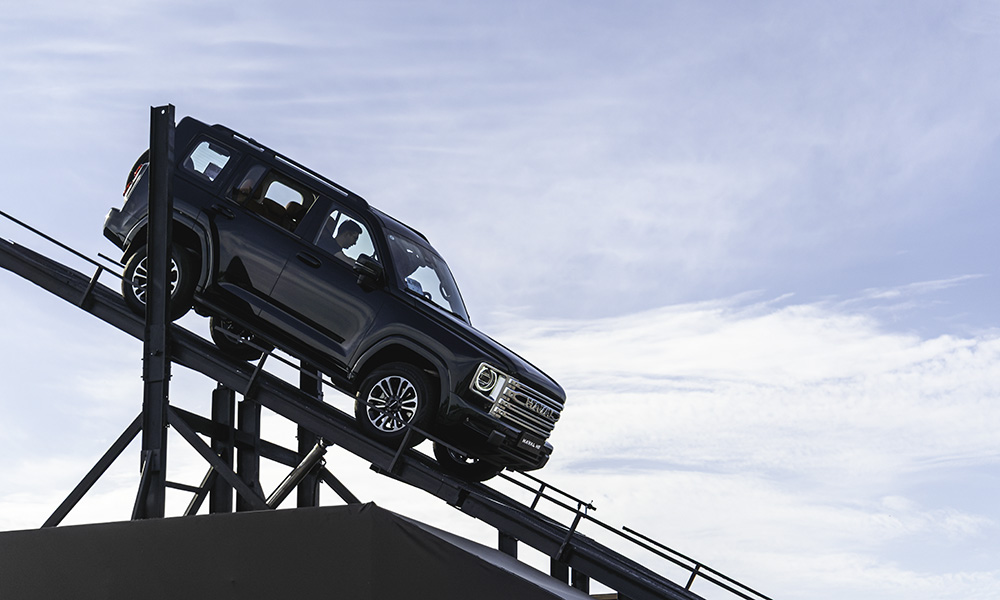
This proprietary electrified system powers various chassis and body types, from urban driving to off-roading. To demonstrate this at the auto show, the Tank 300 Hi4-T climbed across a small inclined track like any ladder-frame SUV while emitting zero fumes.
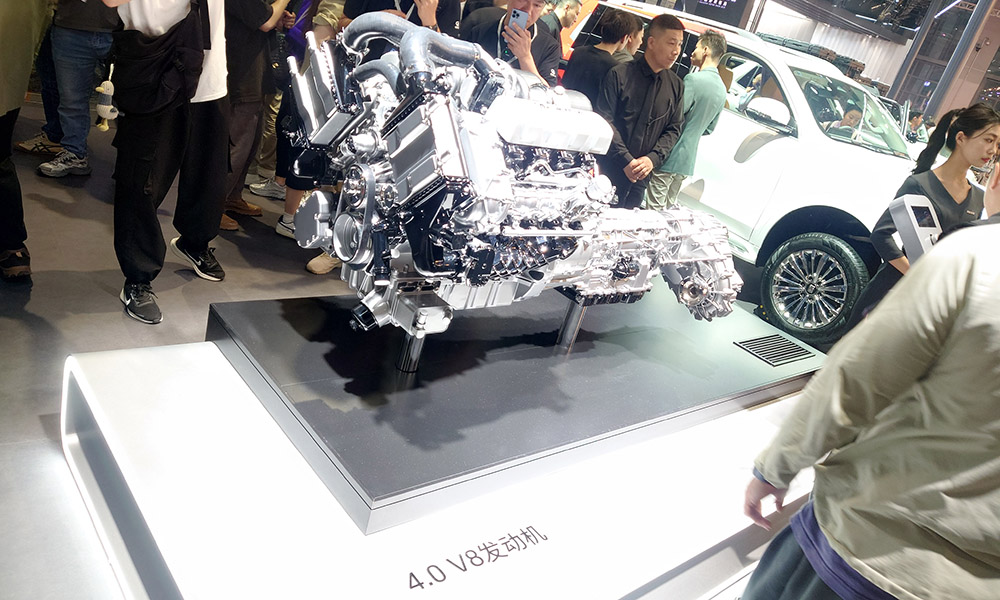
While the talk of the Chinese car market was electrification, that didn’t mean the end of brute combustion engines. GWM also previewed a new powertrain for its SUVs and trucks: a 4.0-liter twin-turbocharged V8, which is a total surprise considering that other domestic brands prefer to run smaller displacements or all-battery power.
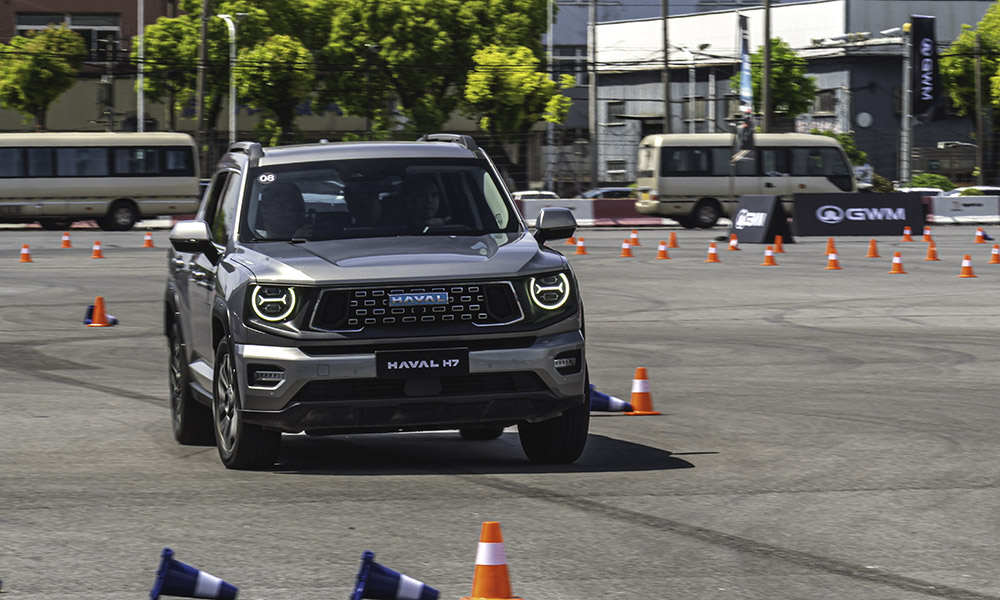
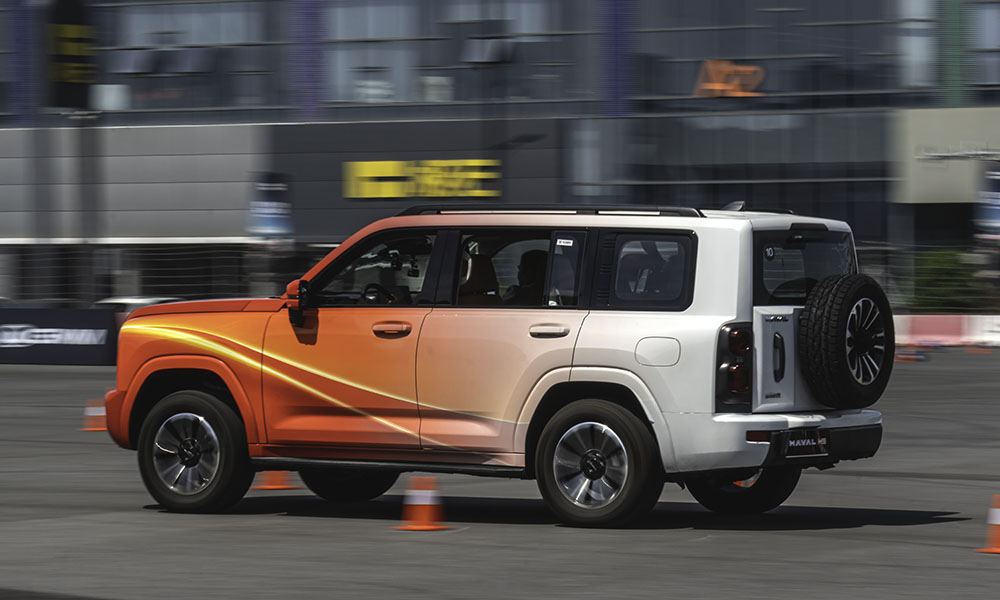
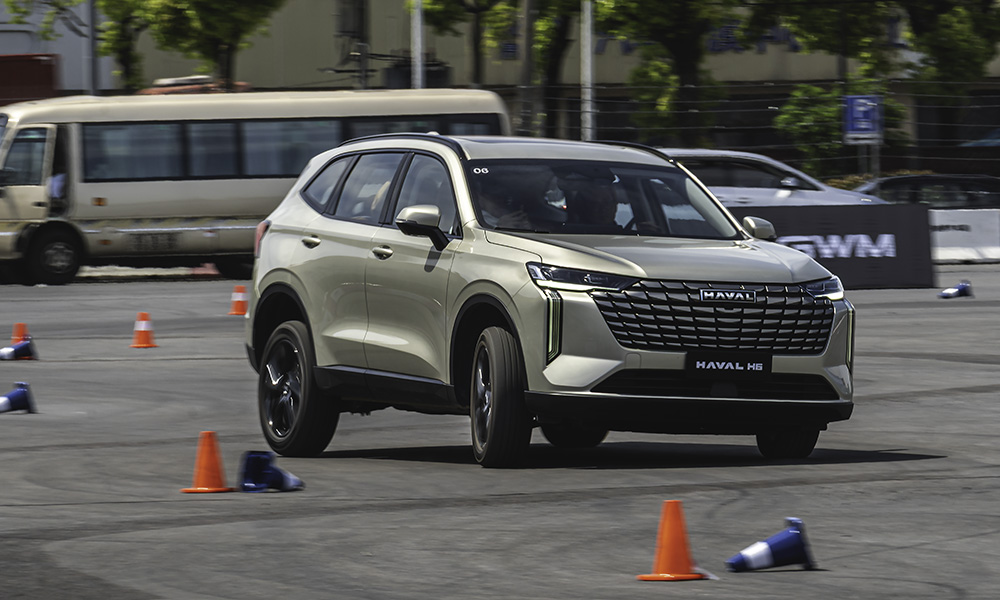
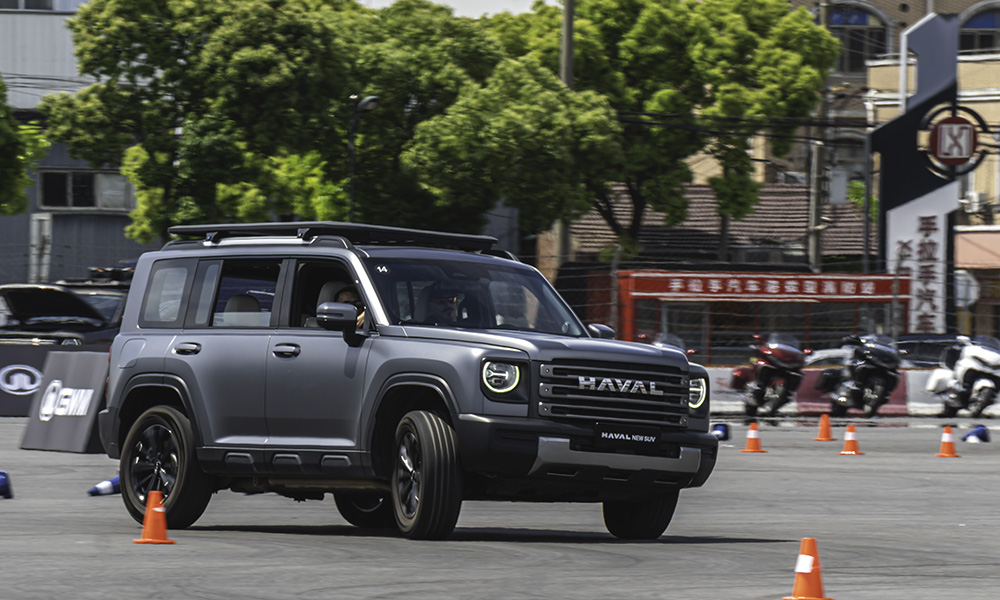
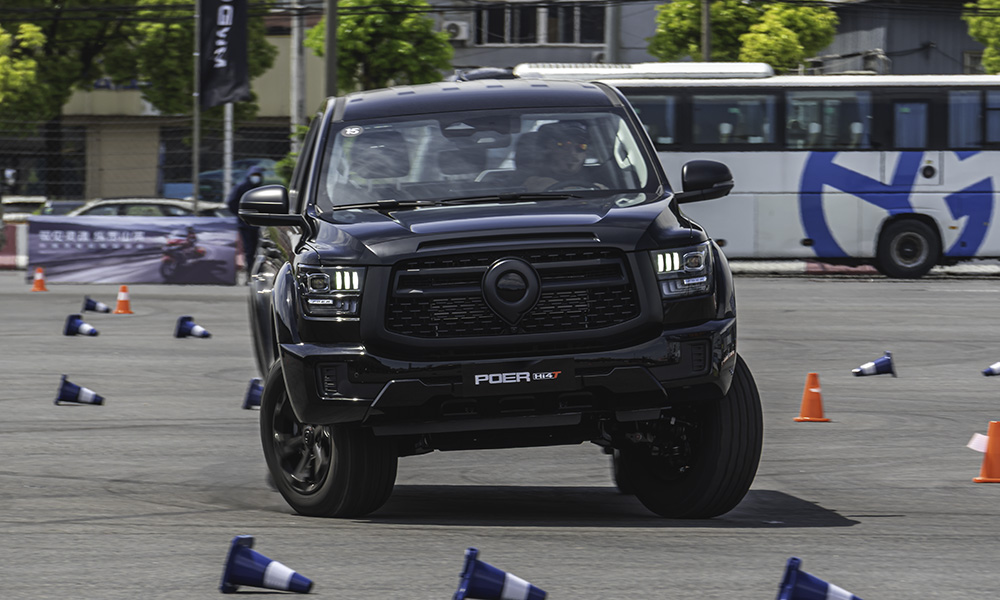
However, that was only the start of our trip as the delegates got some seat time in various models on various road conditions. The first portion was dedicated to on-road dynamics through several braking and slalom sections.
The Haval Big Dog, contrary to its name, was sized and driven like a compact hatchback, and it showed in the esses that it could take on any autocross competition if it wanted to.
Meanwhile, the slightly larger Haval Raptor and Shanhai Cannon took on the handling course with minimal lean, at least compared to what I thought vehicles of this stature usually exhibited.
Don’t get me started on the Wey 80. Aside from being a tech-laden minivan, it cornered the course surprisingly well, as seen in this video, as if I were a getaway driver.
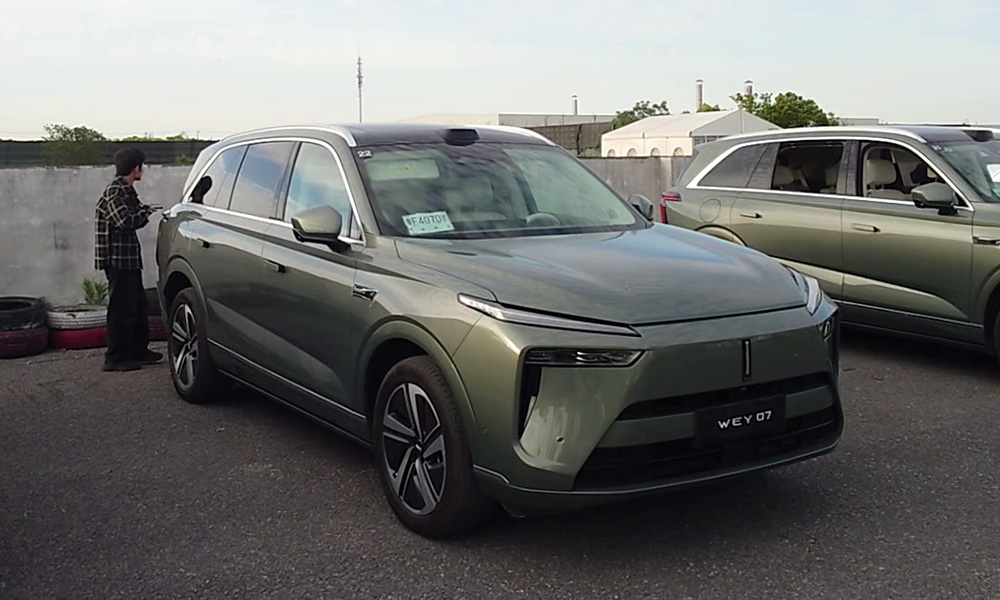
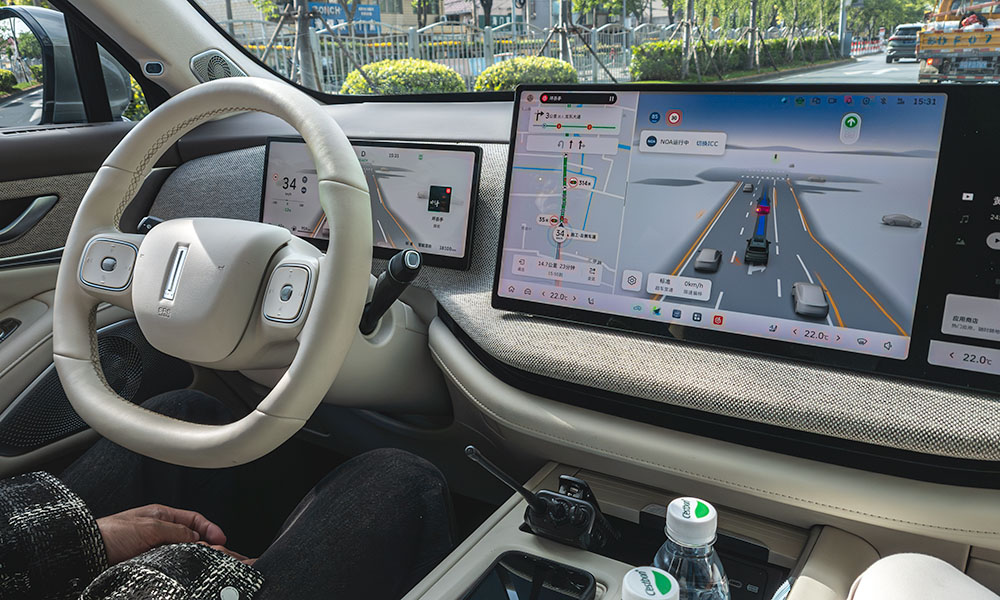
The next location was a supposed off-road simulation section, which was essentially another open tarmac area but filled with ramps. However, before we began navigating the rough, metallic terrain, we were guided into the Wey 07 to get a sample sip of its operating system, Coffee OS.
As we drove out of the course, I first gazed upon the wide expansive screen across the dashboard. Having seen videos of Chinese cars with Internet integrations, seeing it in person felt odd. Anyone could access streaming services like iQIYI or Bilibili on the third screen.
But since I assumed there was no connectivity (and my Mandarin was a bit rusty), I held off from watching anything. Instead, I took greater notice of the 07’s autonomous driving ability in the urban and highway settings. The LIDAR system accurately detected not only the type of vehicle, but also nearby roadside objects—even those obscured by hedges.
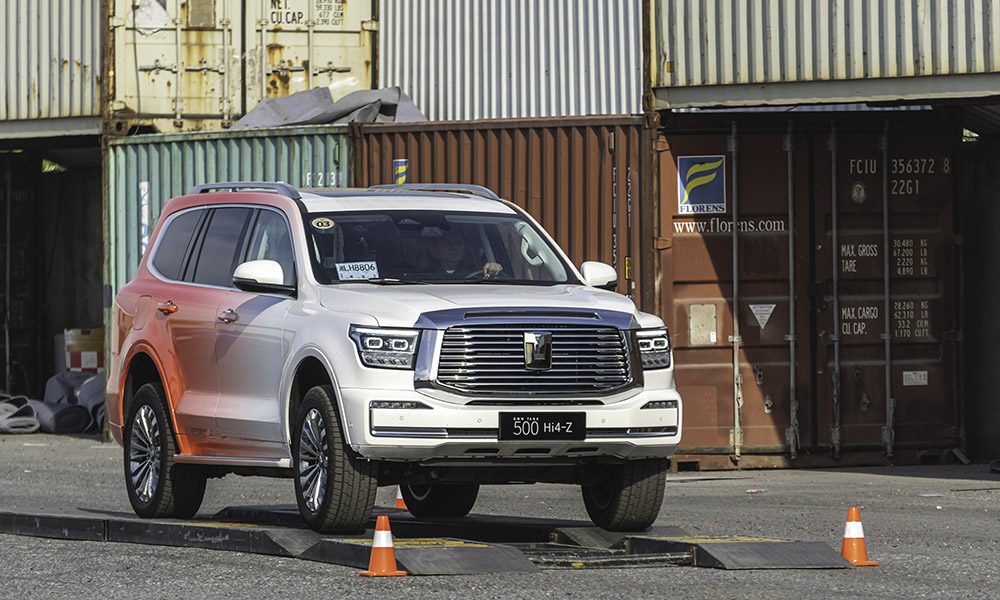
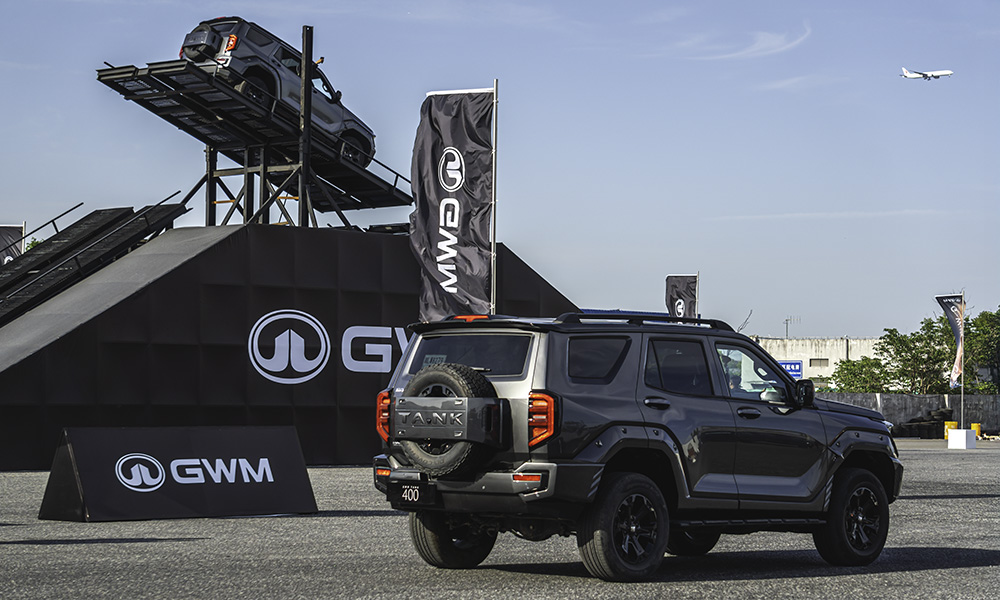
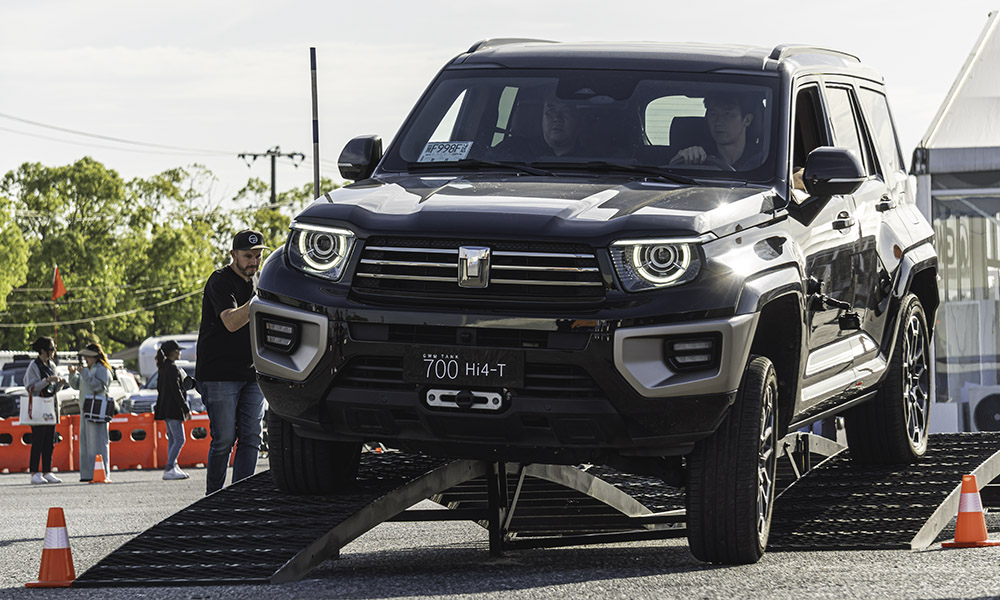
As we got back, we got down to try multi-elevation driving with the Tank and Cannon lineup, from little zigzag-patterned ramps to half-staircase/half-ramp setups, and a huge pendulum in between. These tests clearly put the Hi4 system to good use and impressed a crowd that had already seen potential in the brand from the outset.
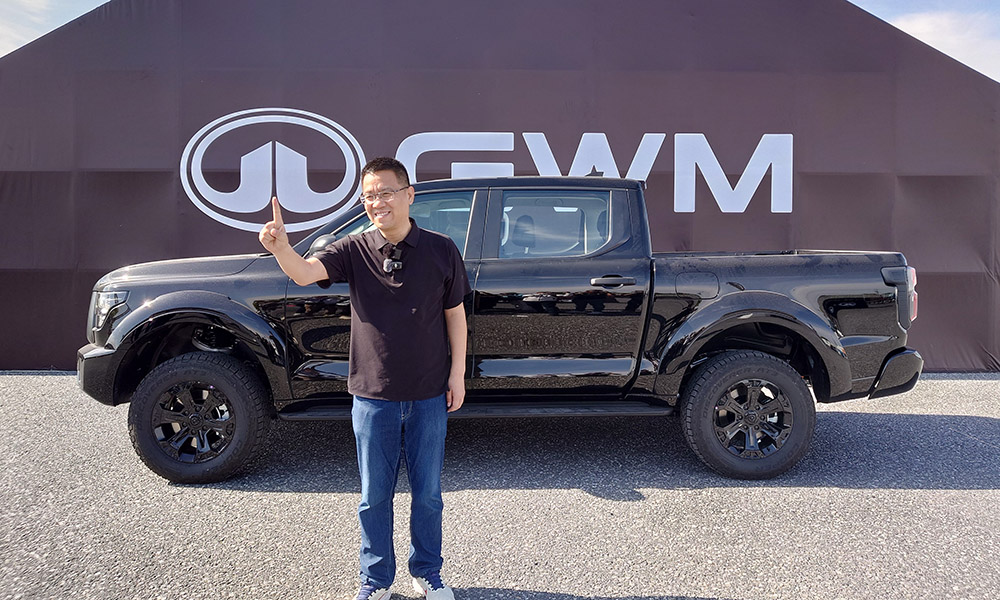
Also in attendance was the CEO of GWM, Jack Wey, after his appearance at Auto Shanghai and the private conference the day before. There was an undeniable energy between him and the delegates, creating hope for the global expansion of his family’s work.
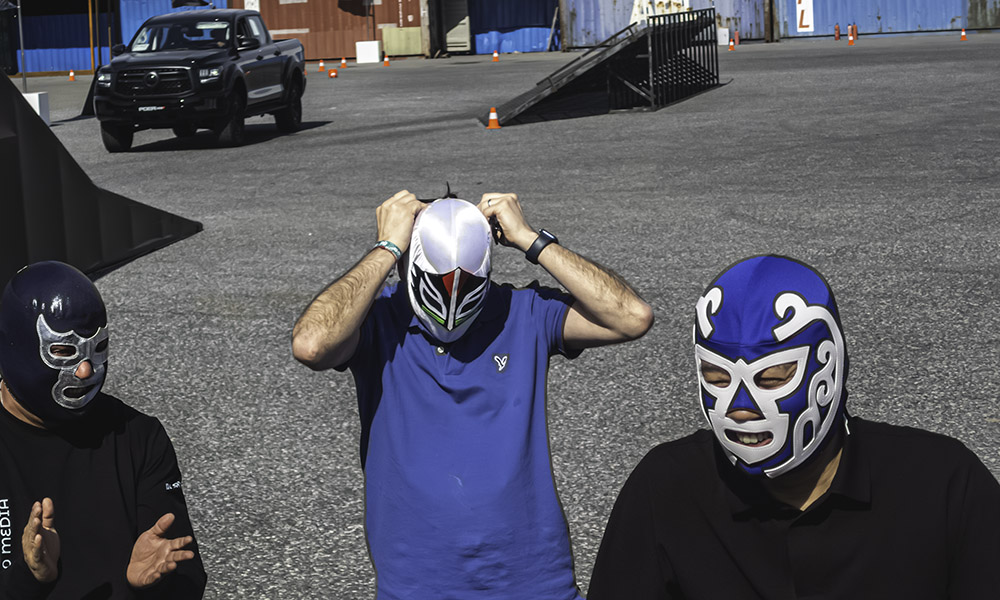
Looking back at this Shanghai trip and even MIAS 2025, it was clear that GWM is proving to us that it’s more serious in the automotive playing field than ever before, especially in the Philippine market. The hybrid engineering, the urban-focused technology, and the untainted off-road capabilities have truly made an impression on me such that it wouldn’t feel wrong to own one.
In the following months, GWM Philippines became more active in the local scene, with new dealership openings and exciting launch events for the updated Cannon. I still want to see more models reach our road and dirt trails, and even get to see that 4.0 V8 in a production vehicle within my lifetime.
Whenever that may come, let GWM lead the Wey.

Comments