
The new year has started with some uncomfortable news: The Philippines is trailing well behind its Asian neighbors when it comes to tourist arrivals. Some have been quick to pin the blame on Tourism secretary Christina Garcia Frasco, who recently faced online criticism for appearing on magazine covers instead of Philippine destinations. But while the optics debate makes for easy outrage, it distracts from a much bigger and more structural problem.
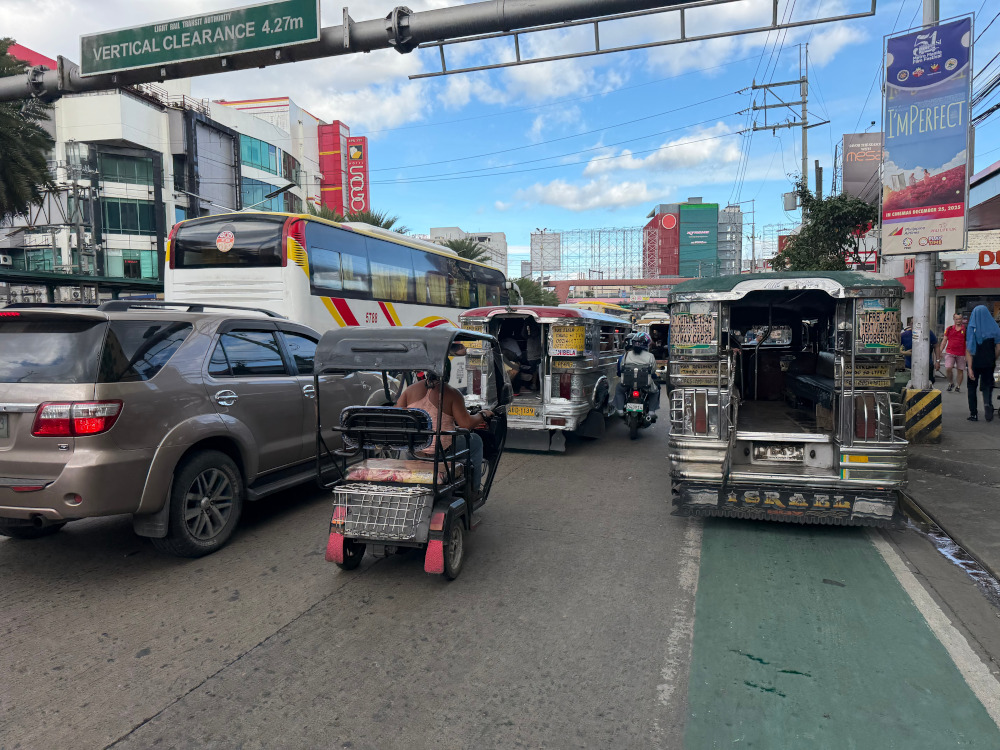
Tourism in the Philippines is falling behind its competitors for a variety of reasons, some of which are easier to tackle than others. Transport is one of the biggest problems, and it affects almost every aspect of the visitor experience—from arrival to onward travel, and from city breaks to countryside escapes.
The tourism chief deserves credit where it is due. She is credited with bringing the Michelin Guide to the Philippines, which is exactly the kind of tourism the country should be encouraging. Her “quality over quantity” approach makes sense: Millions of tourists are meaningless if they spend very little, overwhelm communities, or cause lasting environmental damage. Higher-spending visitors who stay longer, explore more, and respect local culture are a far better long-term bet.
However, quality tourists also expect a quality experience, and this is where the Philippines is currently falling short.
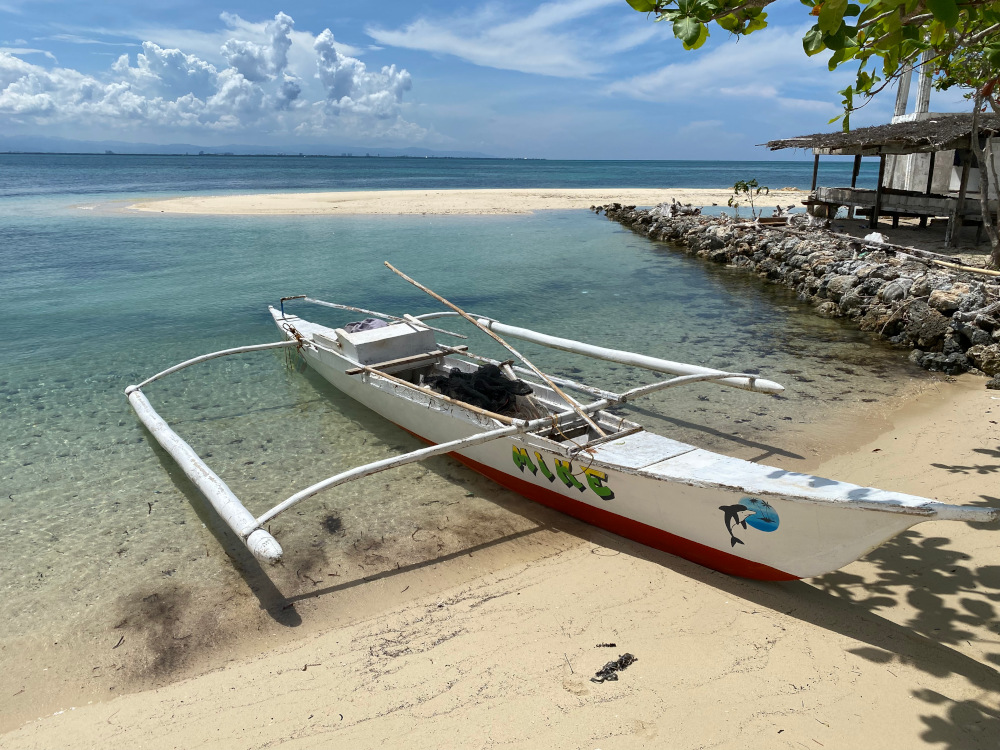
Some transport challenges are genuinely outside the country’s control. The Philippines is an archipelago of 7,107 islands, and that alone makes it harder to access than compact destinations like Thailand, Vietnam, or Malaysia. Island-hopping will always involve planes, boats, weather disruptions, and logistical compromises. That is simply the geography we live with. But many other transport problems are entirely self-inflicted.
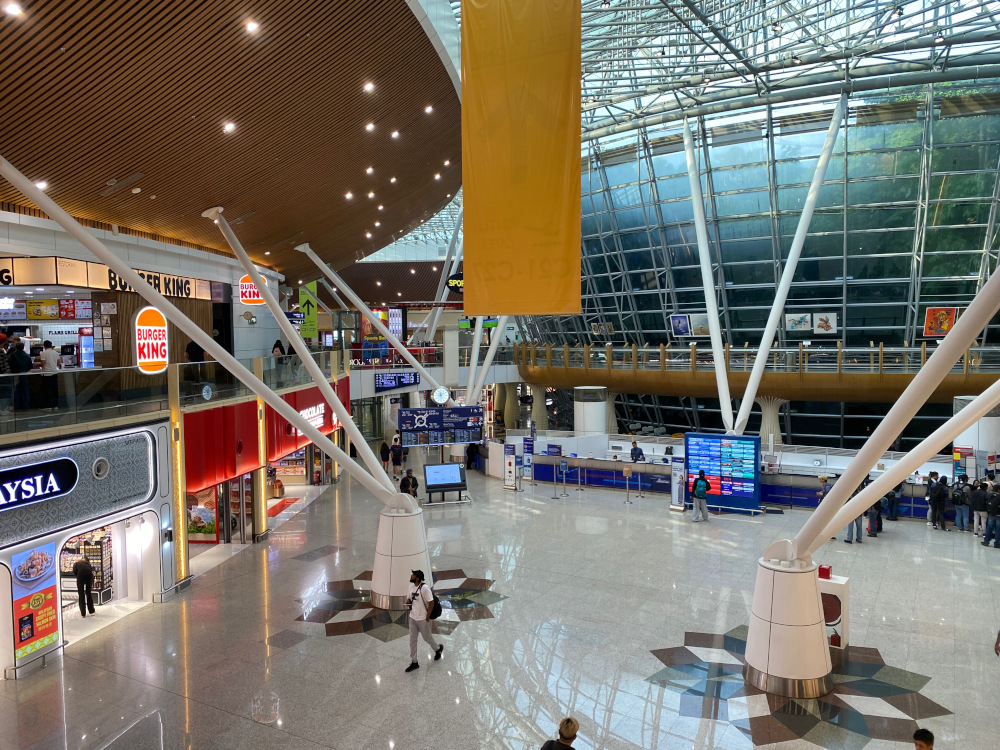
It starts at the airport. Manila’s main gateway is slowly improving now that a private firm is in charge, once again demonstrating that governments are rarely good at running complex infrastructure. There have been visible upgrades and a more professional approach, but capacity constraints are still a problem. Congestion, delays, and inconsistent passenger experience still shape first impressions, and first impressions matter enormously in tourism. Then there is what happens once visitors leave the terminal. For many, this is where the real shock begins.
Metro Manila has enormous potential as a tourism destination in its own right. It offers world-class dining, vibrant nightlife, luxury shopping, rich history, and a creative scene that rivals anywhere in the region. These are exactly the ingredients that attract high-spending city-break tourists: foodies, culture lovers, and short-stay visitors with disposable income.
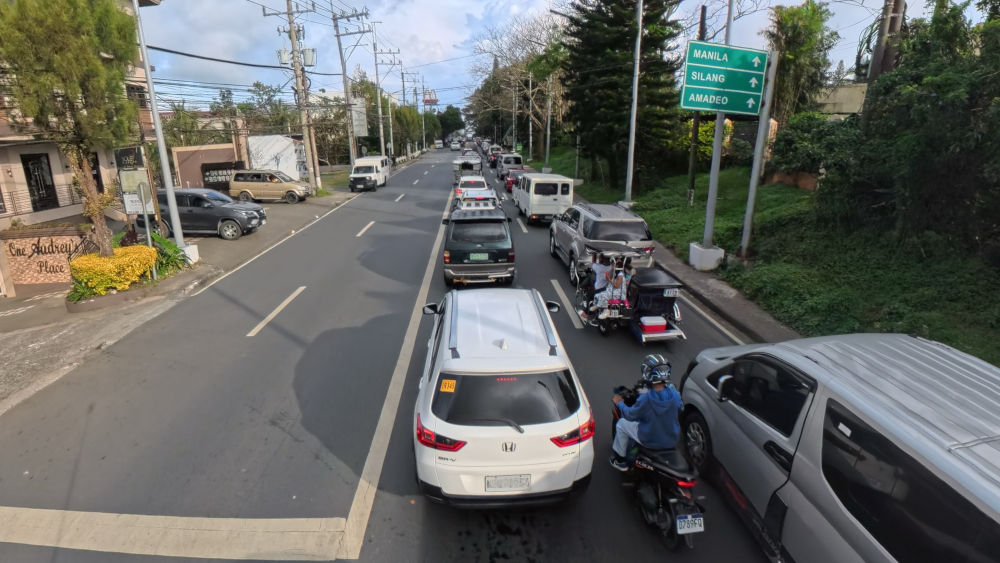
Yet compare Manila to regional competitors like Bangkok, Kuala Lumpur, Singapore, or Taipei, and the difference is stark. Public transport is fragmented and unreliable. Train systems are limited, overcrowded, and prone to breakdowns. Roads are chronically congested. Traffic rules are loosely enforced at best. For a visitor, moving even short distances can feel exhausting, unpredictable, and stressful.
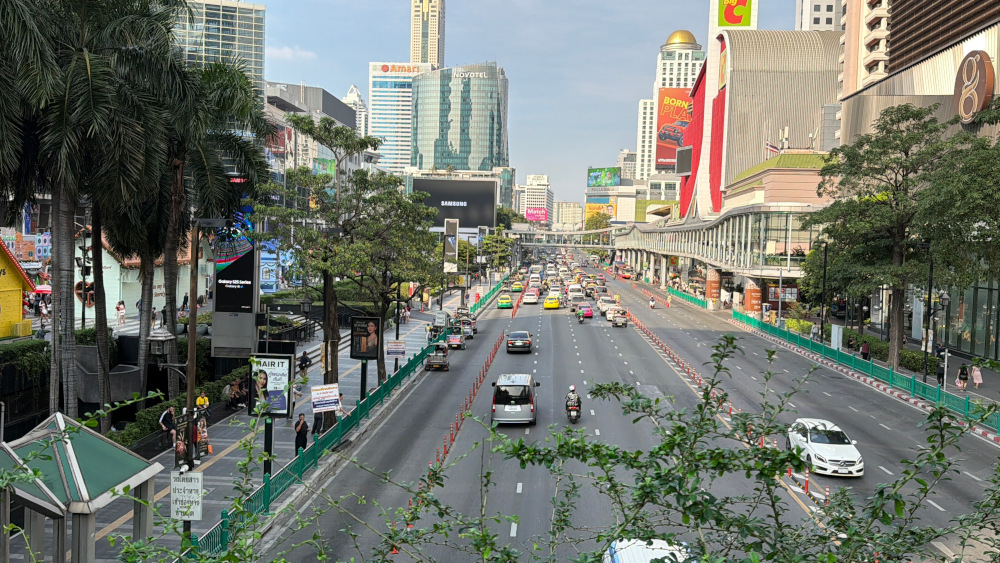
Bangkok, for example, is currently the most visited city in the world, welcoming more than 30 million visitors annually. Hong Kong and Kuala Lumpur also rank among the global top destinations. Manila does not even make the list. That is not because it lacks attractions, but because getting around the city is simply too difficult to justify for many travelers. And this problem does not stop at the city limits.
Take, for example, destinations just outside Manila that should be perfect for upscale, experience-driven tourism. A day trip to Tagaytay with lunch at Michelin-listed restaurants such as Antonio’s or Asador Alfonso should be an easy sell. The views of Taal Volcano are spectacular, the food is excellent, and the setting is ideal for the kind of visitor the tourism agency wants to attract.
But then reality intervenes. Hours spent crawling through traffic, chaotic road conditions, and a total lack of reliable alternatives leave a lasting impression—and not a good one. Visitors may remember the meal, but they will also remember the frustration, the wasted time, and the feeling that the overall experience simply was not worth the effort.
There is also an uncomfortable value-for-money issue. Transport in the Philippines is often expensive relative to the quality delivered. Flights between islands can be costly, domestic airports inconsistent, ferries unreliable, and private transport the only realistic option in many areas. When travelers compare this with cheaper, faster, and more efficient transport systems in neighboring countries, the Philippines comes off as poor value for a worse product.
None of this is meant as an attack on any individual or government agency. Tourism is a complex ecosystem, and many of these issues sit outside the direct control of the Department of Tourism. But if the country is serious about attracting higher-quality visitors, transport cannot remain as an afterthought.
Marketing campaigns, international food guides, and glossy images can only go so far. At some point, the actual experience of visitors will always outweigh the promise. Fixing traffic, expanding and integrating public transport, improving enforcement, and making travel smoother, cheaper, and more predictable are not glamorous tasks, but they are essential ones. I am saying that as someone who has been to pretty much all competing jurisdictions in Southeast Asia as a tourist, and I fully understand why the Philippines is currently lagging behind.
The Philippines has extraordinary natural beauty, outstanding food, and a culture that visitors genuinely love. If transport stops being part of the problem and starts becoming part of the solution, tourism would not just grow—it would finally start competing on equal terms with the rest of the world.







Comments