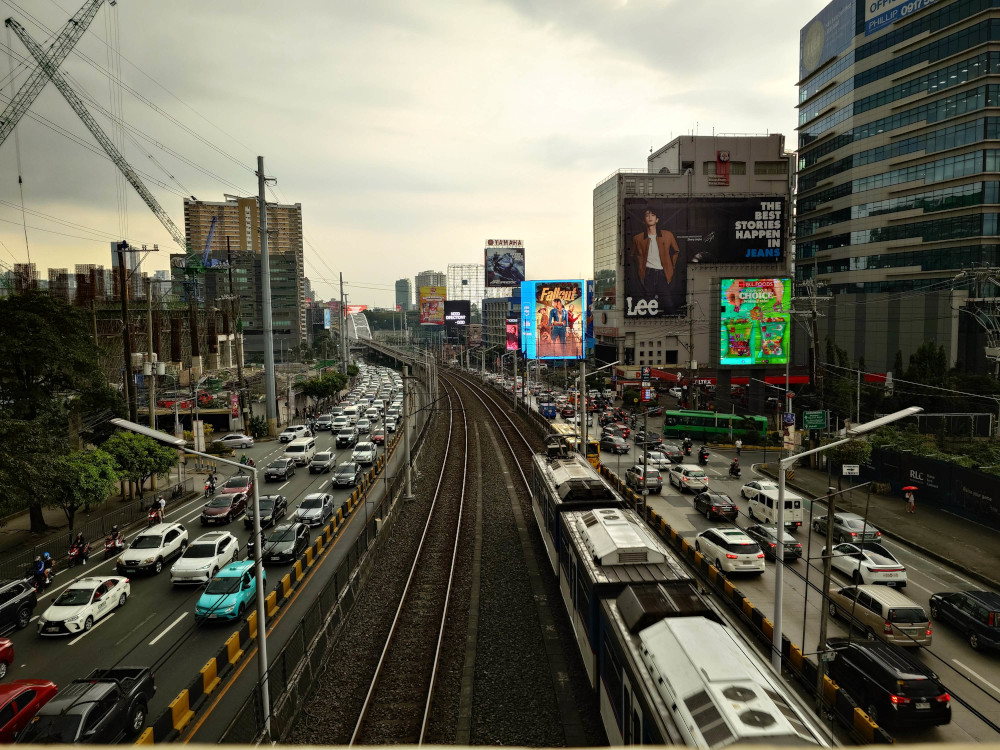

Traffic is bad. But how bad is it, really? TomTom has just released its annual Traffic Index where it compares the congestion level of different countries and cities. Before digging into the numbers, we need to understand what “congestion” actually means.
According to TomTom, congestion is the extra time you spend on the road because of increased traffic. For example, if your drive takes 30 minutes when traffic is free-flowing, a congestion level of 40% would mean that the same trip would have taken 42 minutes instead.
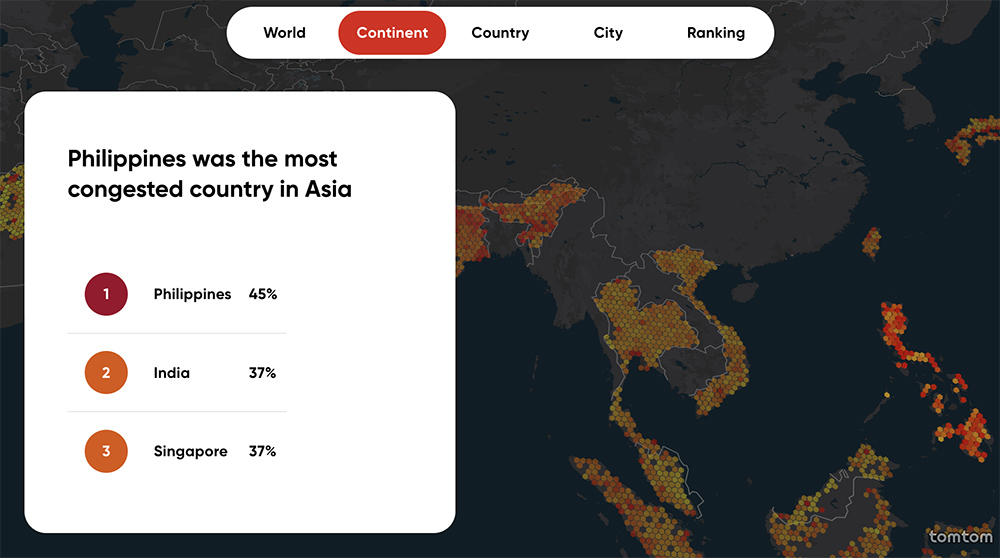
The Philippines is said to be the third-most congested country in the world, and the first in Asia (ahead of Singapore and India). Take note that some of the world’s most populated countries—such as China, Russia, Bangladesh, and Nigeria—aren’t included in the list for some reason.
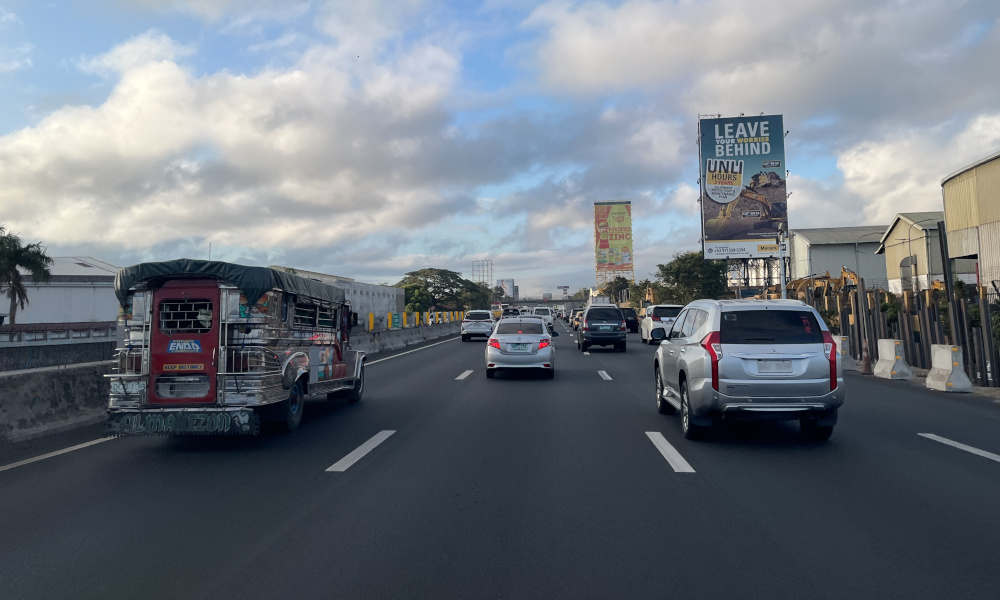
When measuring the congestion of cities, TomTom has two metrics. City refers to the “dense urban core,” while Metro refers to the “broader economic region.”
One way to think about it is the difference between a resident driving within Metro Manila, versus a commuter from a nearby province who travels to and from the metropolis for work. In general, the former has slower travel speeds than the latter.
The two Philippine cities included in the Traffic Index are Manila and Davao City. Unsurprisingly, they both rank poorly with the latter performing worse. Here are the numbers:
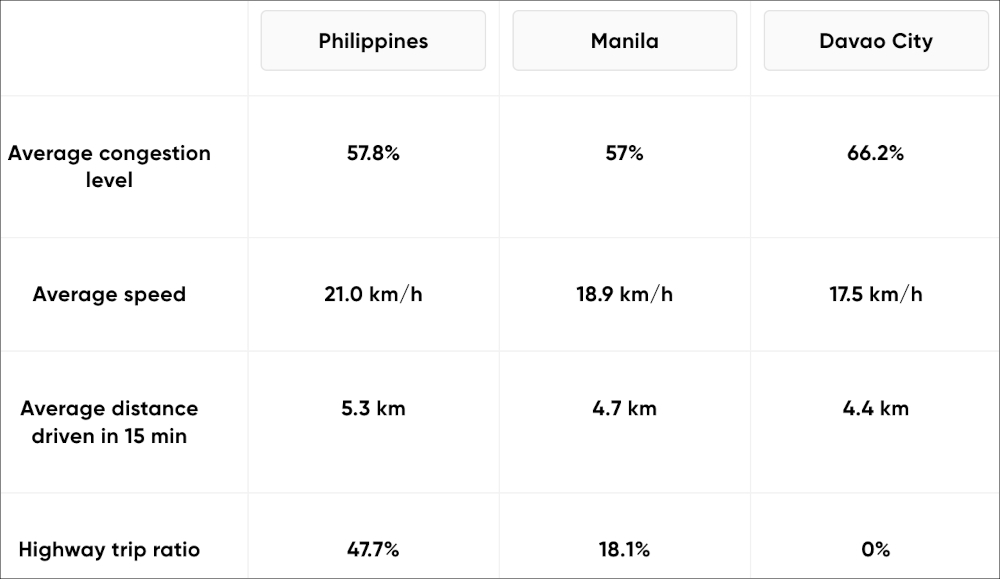
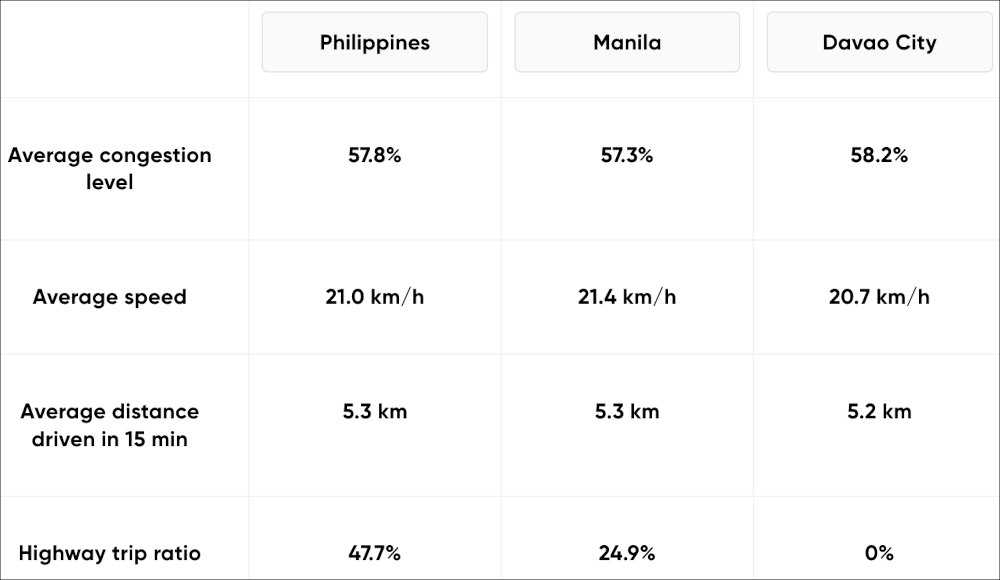
TomTom claims that driving 10km within the city takes an average of 31 minutes and 45 seconds in Manila, and 34 minutes and 17 seconds in Davao City. And all the rush-hour congestion means that individuals waste as much as 143 hours per year in Manila, and 168 hours per year in Davao City.
That’s easily six to seven whole days in a year lost to traffic—time that could have been spent being with family and friends, going on vacation, or resting and sleeping. Congestion is getting worse, not just in the Philippines, but also for the rest of the world with a 5% increase from 20% to 25%.
Is there any hope for Filipinos?
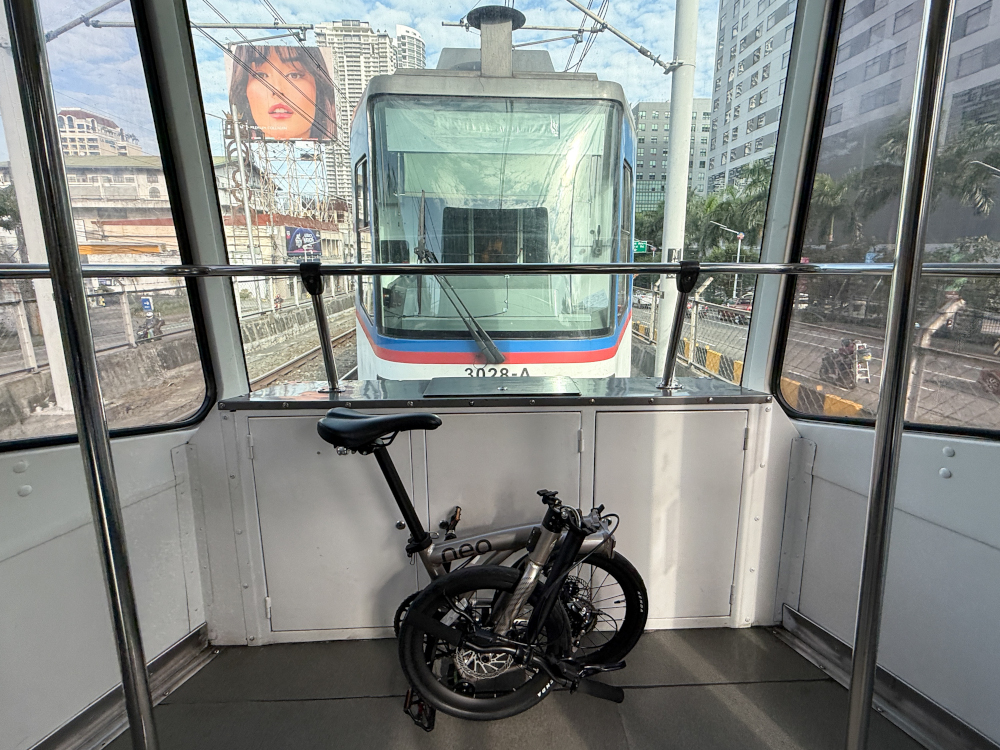
Yes, but it will require a paradigm shift. The issue isn’t that there are too many people in cities; it’s that there are too many cars on the road. Because space is limited and precious, we can’t keep building more roads to accommodate more vehicles. So the only real way to reduce congestion is by prioritizing more efficient modes of transit, whether for walking, cycling, or public transport.
“As cities grow and adapt, we must address the multifaceted challenges that lead to increasing traffic congestion,” said TomTom vice president for traffic and travel information Ralf-Peter Schäfer. “The upward trend we see necessitates urgent action in smarter mobility planning, investments in public and shared transport, improved traffic management technologies, and coordinated policies.”







Comments