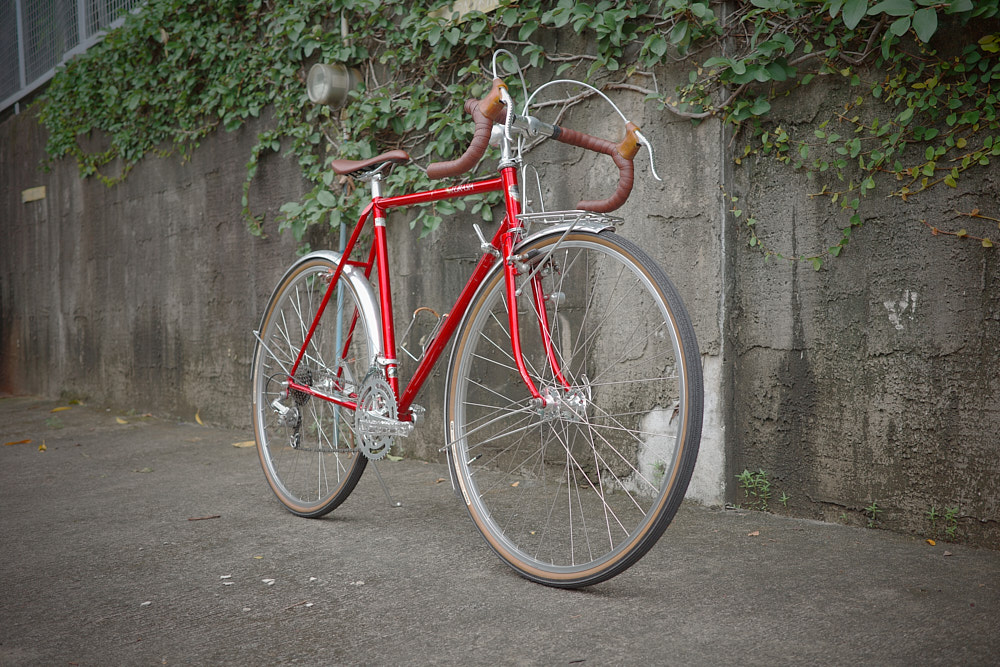

The Ship of Theseus is a paradox that questions an object’s identity over time. If you replaced every panel on a ship, one piece at a time, would it still be the same boat if everything was changed?
Ever since I got my Bridgestone Eurasia in November 2023, I’ve had a love-hate relationship with it. I loved the classic styling, but I hated how uncomfortable it was to ride.
I’ve had enough after trying everything to improve it, to no avail. That’s why I had the frameset undergo a major transformation. Was it worth it?
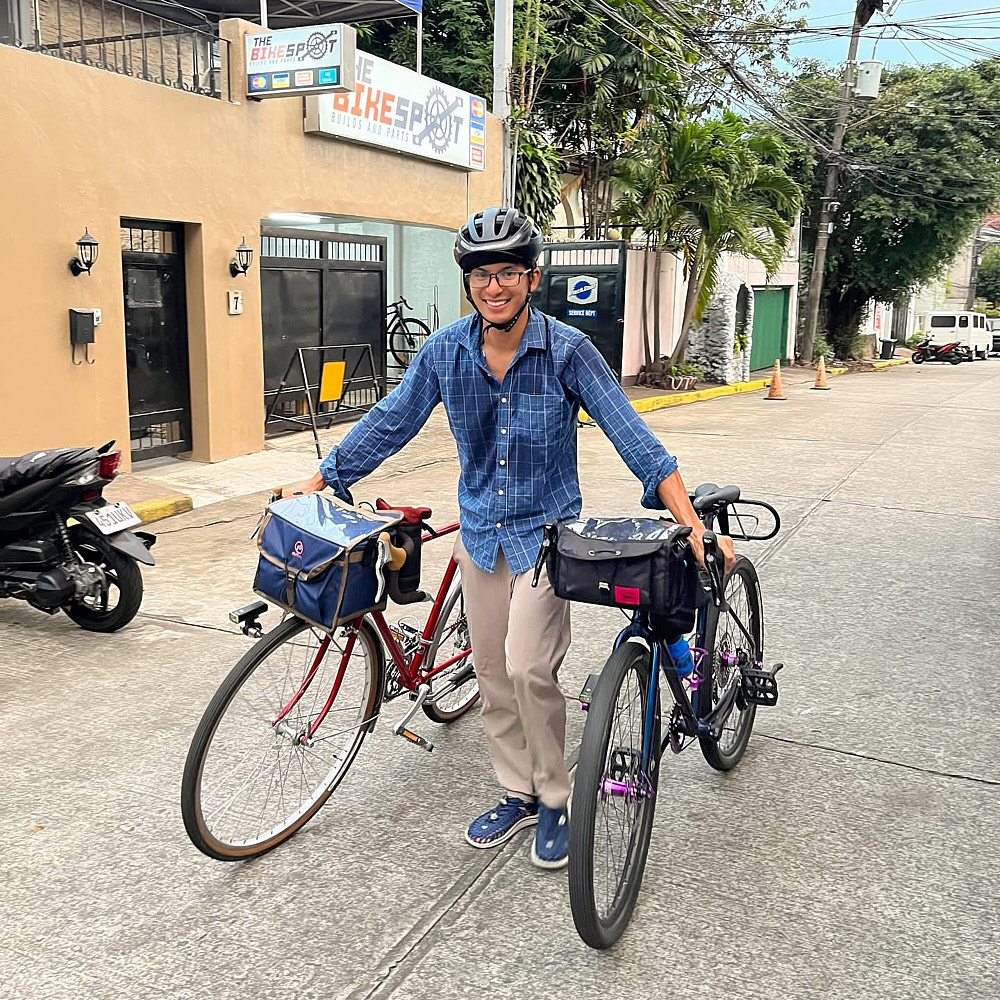
There was really no need to do any of this. But if I could get a classic-looking frame that rode just as comfortably as a modern gravel bike, then I wouldn’t have to own two separate bicycles.
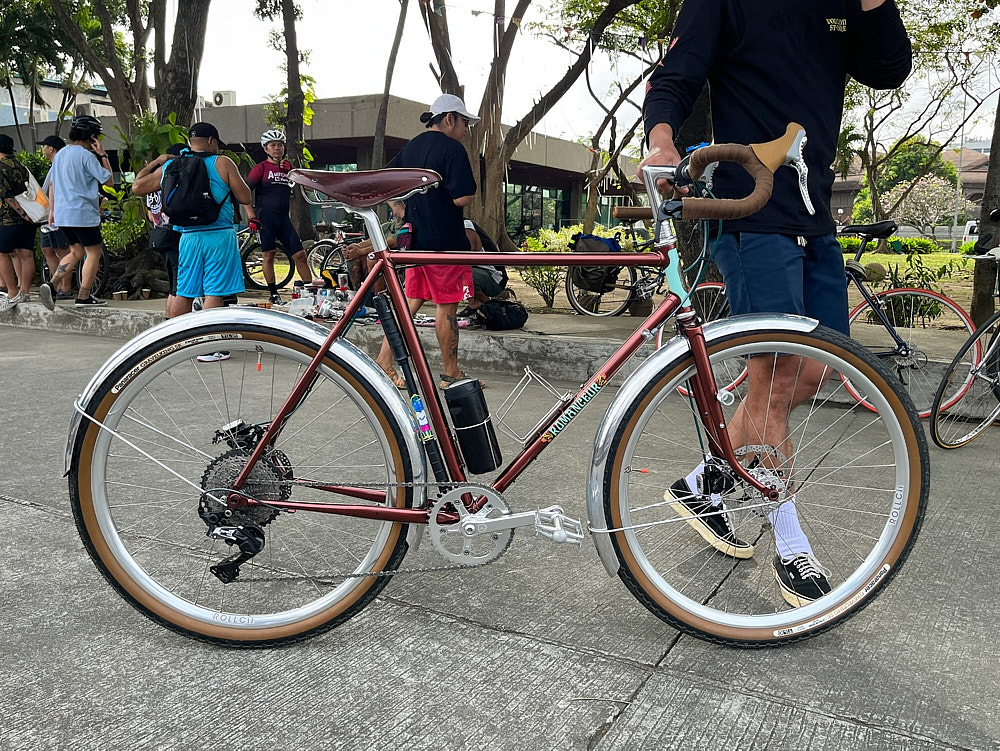
My first dilemma was whether to get a new frame or heavily modify my classic one.
The Crust Romanceur has long been my grail bike. However, the frameset alone costs P93,000—if it were even available locally. The Rune Rufus Stone is another alternative, but it’s just as expensive.
Selling the Eurasia would have been hard. Not only would I get lowballed online, but part of me also doesn’t want to let go of the bike, despite my deep frustrations with it.
If I were essentially going to build a new bike from the ground up, I figured I might as well reuse my current frame.
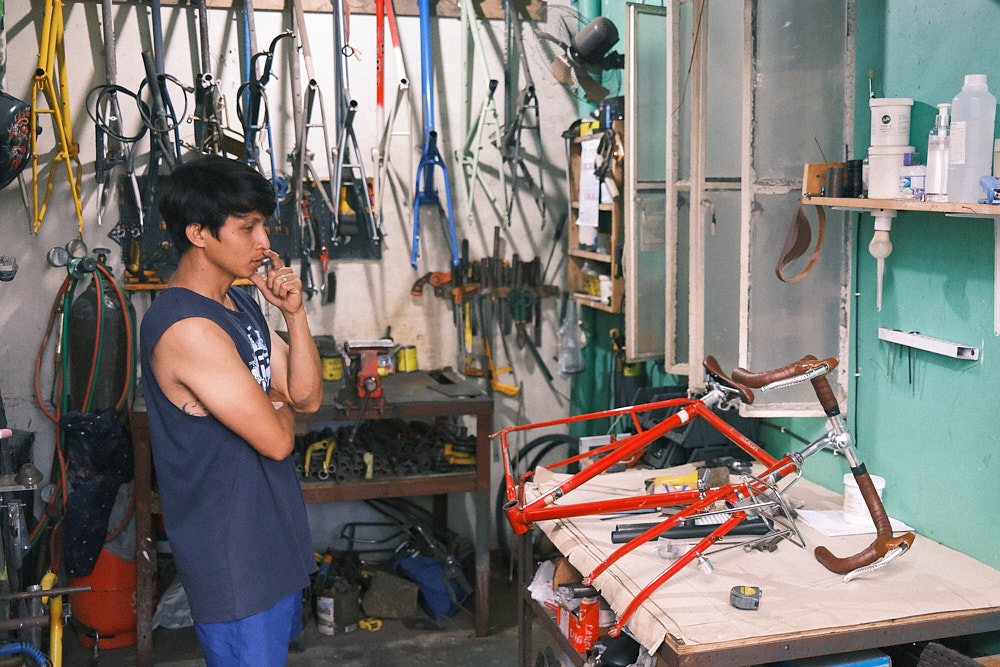
Enter DJ Cycleworks.
Romeo Maldea de Jesus Jr. is the nephew of frame builder Avelino Maldea. After assisting in his uncle’s business, DJ branched off so he could do his own thing.
I first encountered him when I needed to have my Marin Nicasio repaired. One thing I learned after chatting with him was that you can do practically anything with steel. I asked him if he could do the following:
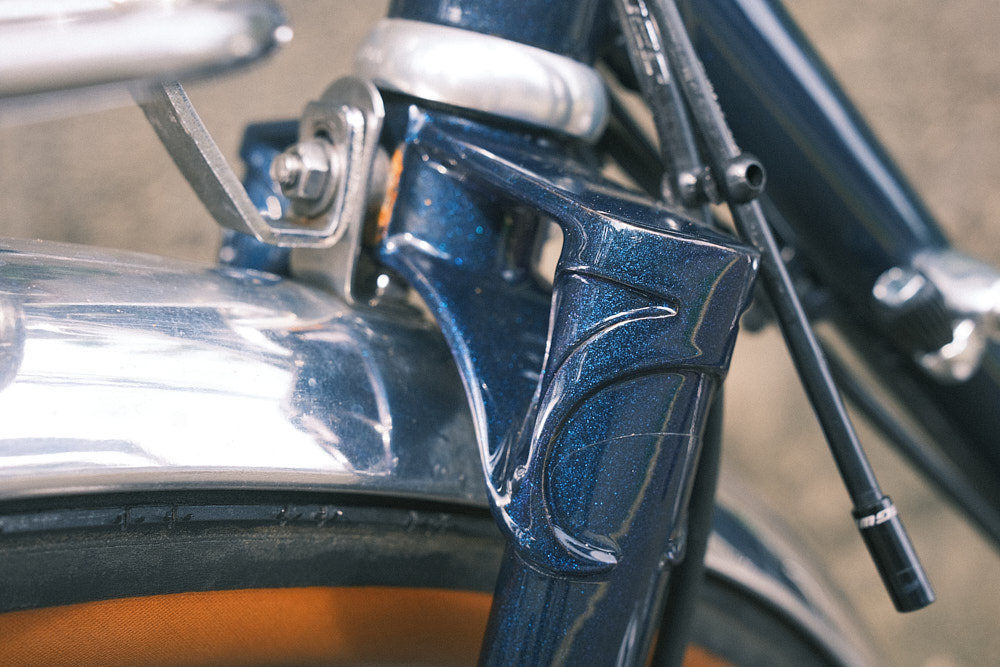
- Convert the frame to thru-axle hubs and flat-mount disc brakes
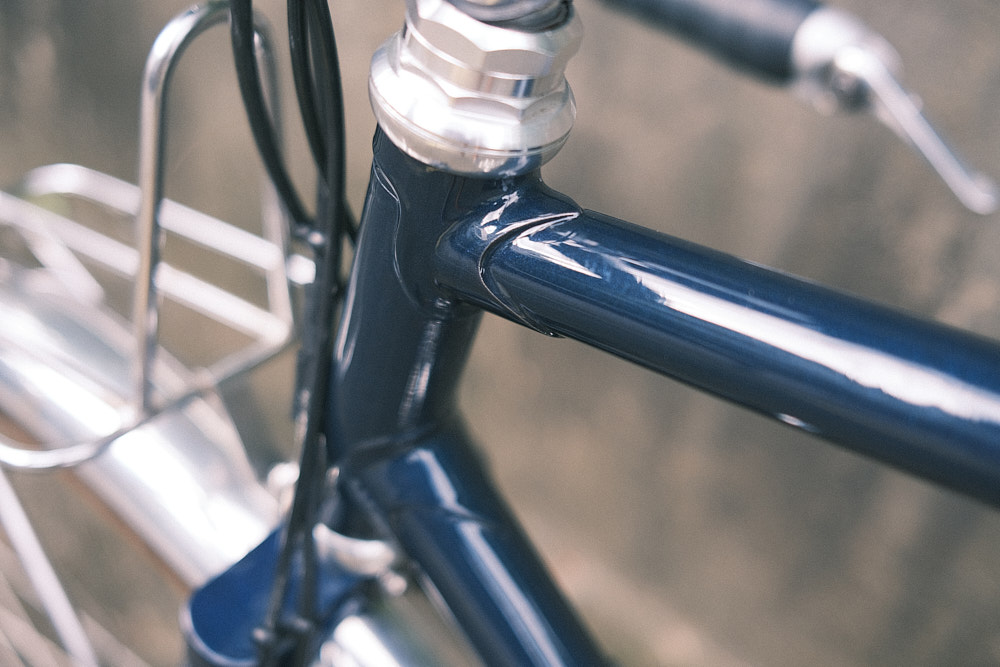
- Widen the tire clearance so the bike could take 650b-by-48mm wheels with fenders
He told me it was possible and gave me a quote: P16,000 for the labor, P5,000 for the thru-axle dropouts, and P3,500 for the fork crown. Add in the other miscellaneous expenses, and the final amount totaled P29,700.
The catch was that I’d have to wait for two months.
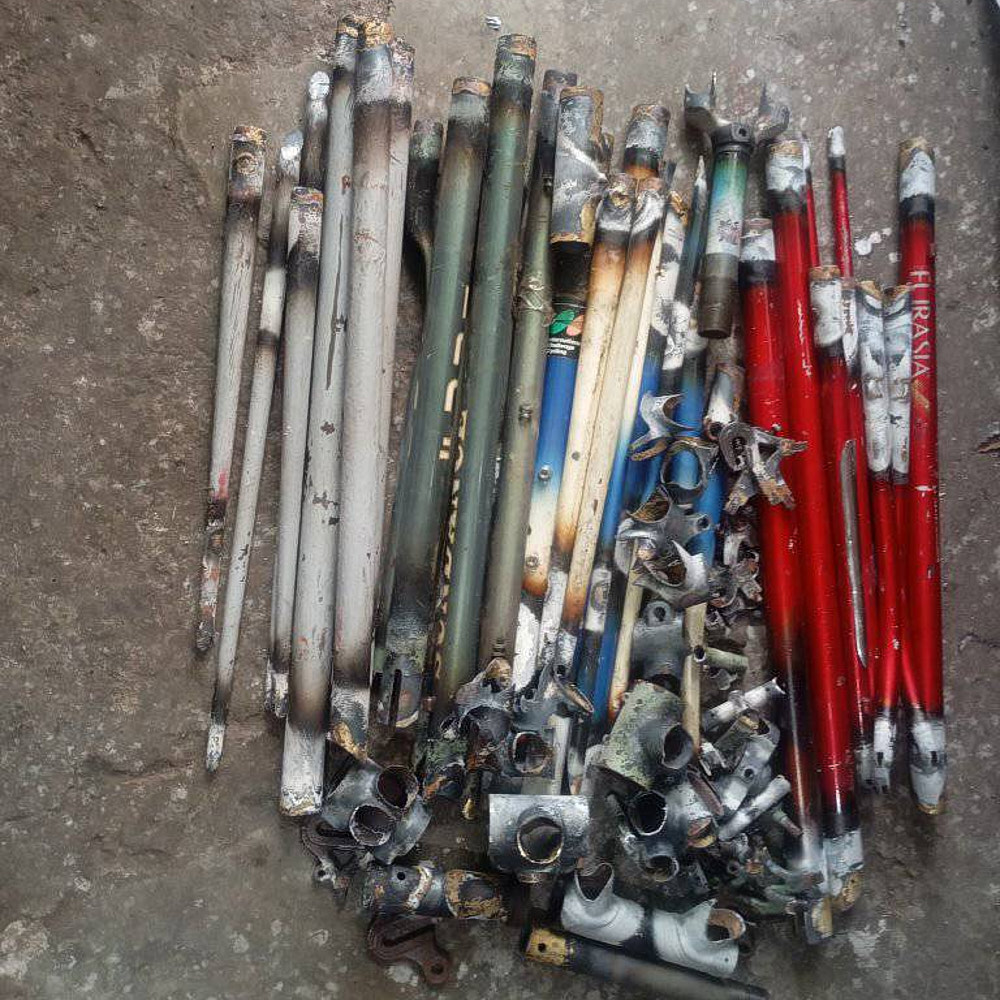
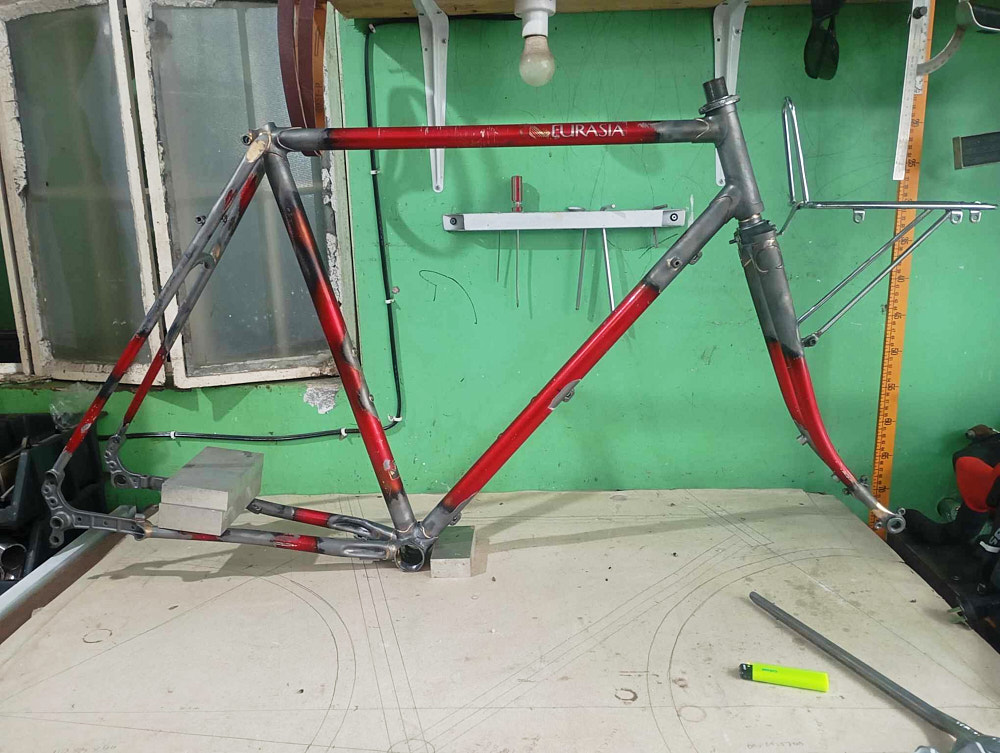
While waiting, I began procuring parts and experimenting with the setup. Most of the groupset from my Seaboard GR02 was carried over, except for the crank.
I ended up with a classic Sugino VT (which was eventually replaced by my Velo Orange crank). Since the crank, the stem, and the seat post were silver, the wheels should be silver, too.
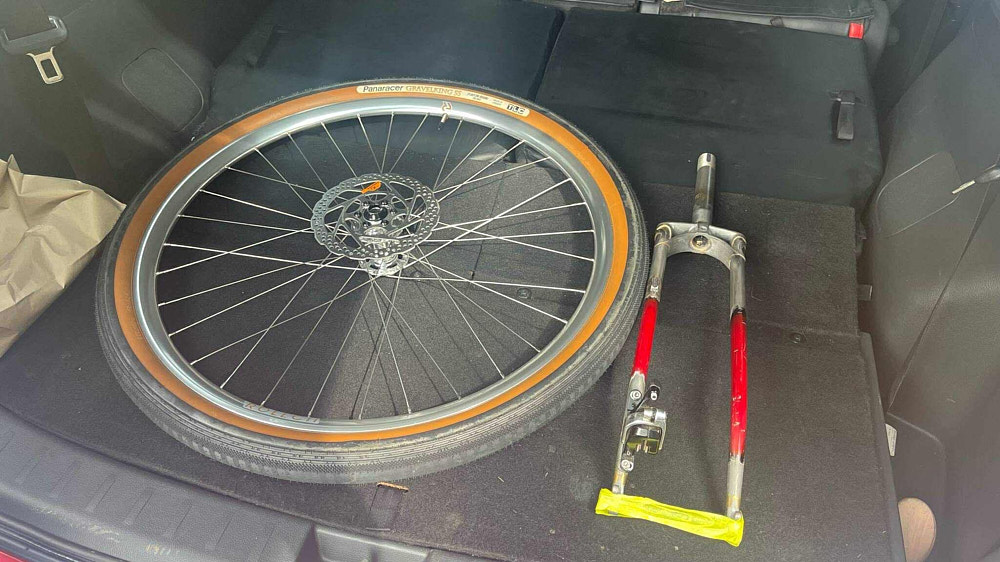
The wheels were built from entirely new parts consisting of Rollcii rims, Pillar spokes, Traction hubs, and semi-slick 650b by 48mm Panaracer GravelKings.
This totaled around P20,000, including the labor cost for the wheelset build by Bike Wrench PH.
The process was not without complications, though.
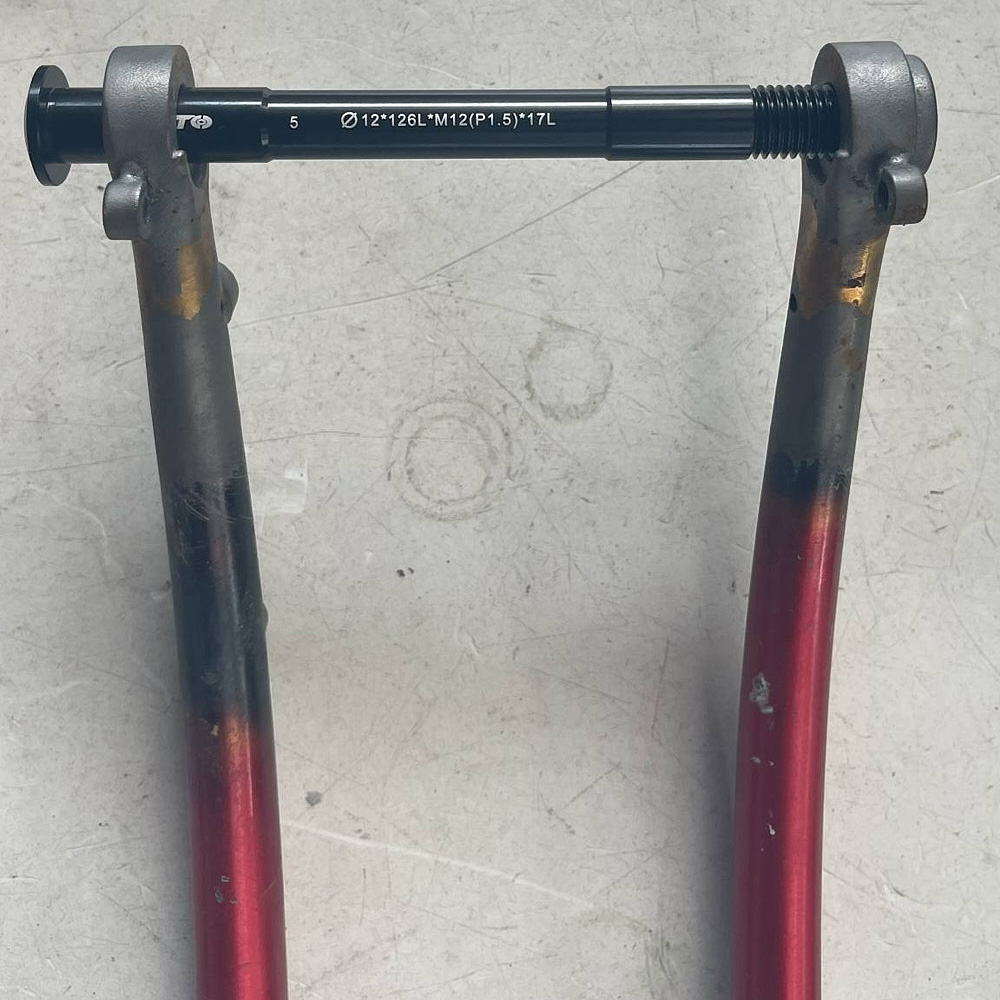
I only learned when the conversion was near completion that the thru-axle shafts weren’t included with the dropouts. So, I had to order those from China through Lazada.
Even with the right shafts, the front wheel wouldn’t attach properly to the fork. The thread had to be retapped, and the endcap diameter of the hub was too large (it was 15mm, but the fork was 12mm).
I sent the fork, the front wheel, and new endcaps all the way to Binangonan just to make sure everything worked. These surprises could have been prevented if the frame builder and the wheel builder had told me beforehand.
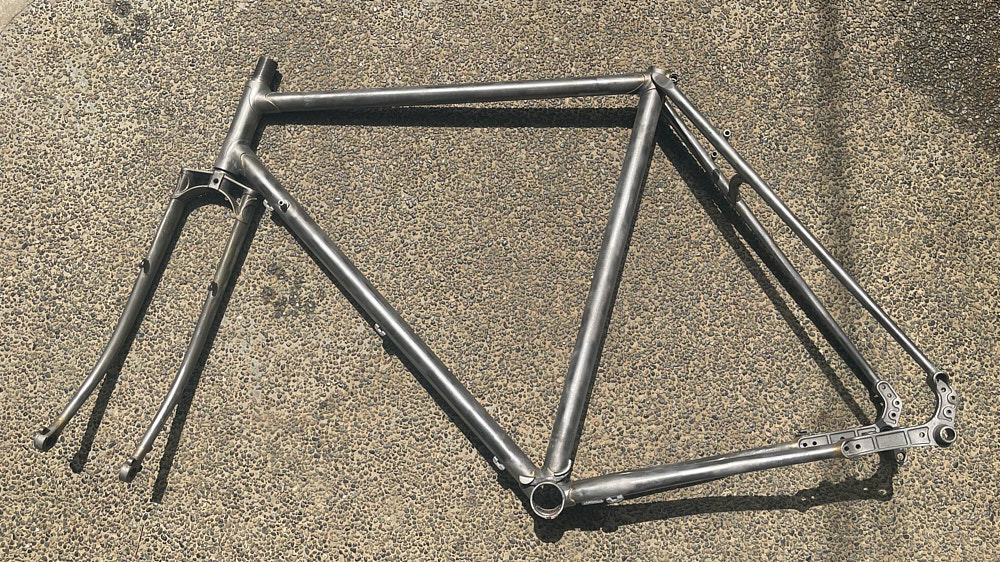
With the frameset conversion sorted out, the next step was painting, detailing, and final assembly, courtesy of Bike Project MNL.
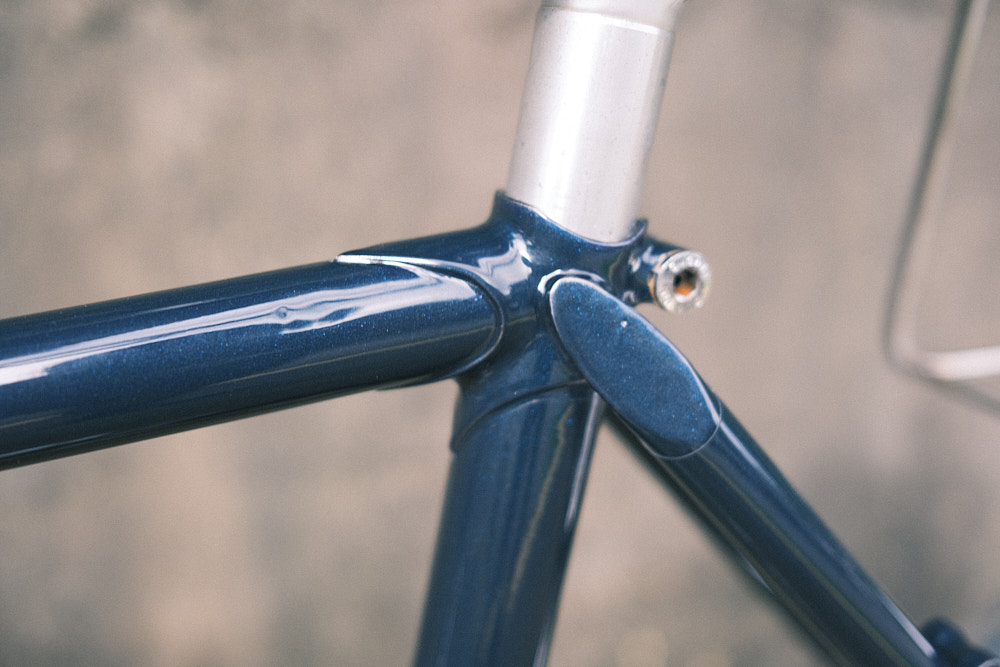
I had the shop apply rustproofing (worth P1,800) before powder-coating the frameset (worth P7,800 for the two coats). The silver parts were also polished (worth P2,800), and a bike skin (P3,800) was applied after the whole bike was assembled (with a fee of P1,800).
This took roughly two weeks with a total bill of P18,000 (plus P2,500 for the Jagwire cables and housing).
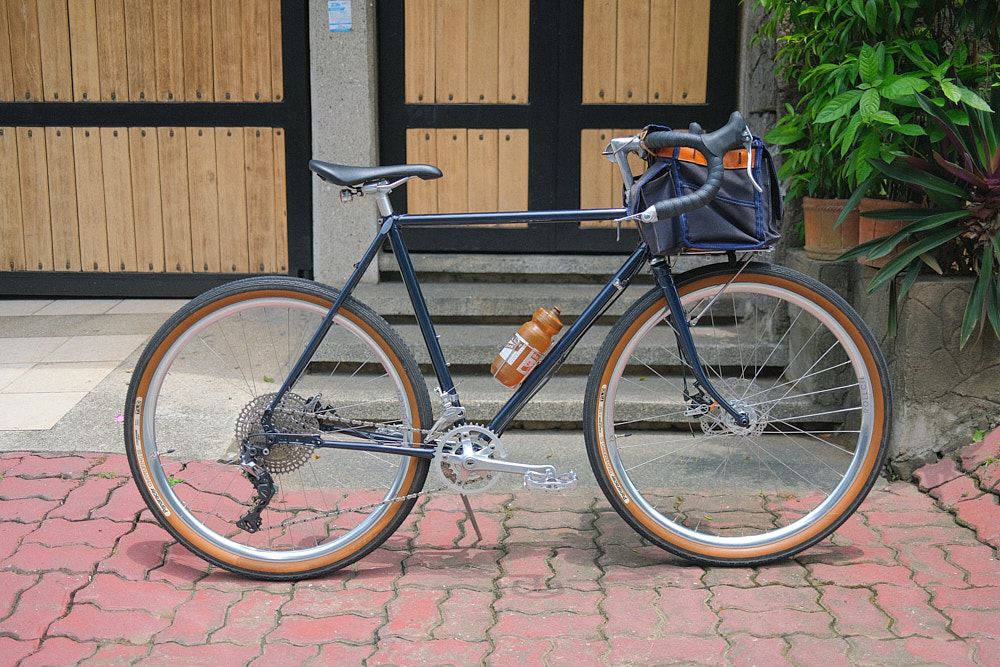
I should have been excited for the day that I picked up the finished bike. But that played out rather differently. The shade of blue was understated.
Despite waiting for such a long time, I wasn’t wowed. It felt like my other gravel bikes, just heavier and sluggish. Also, the shifting of the front derailleur wasn’t smooth.
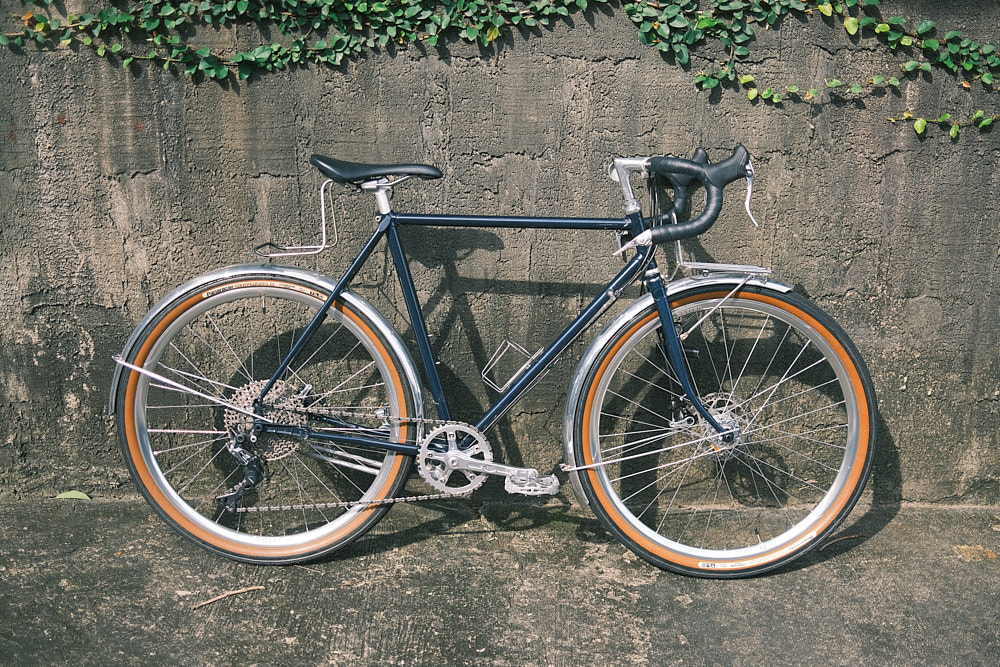
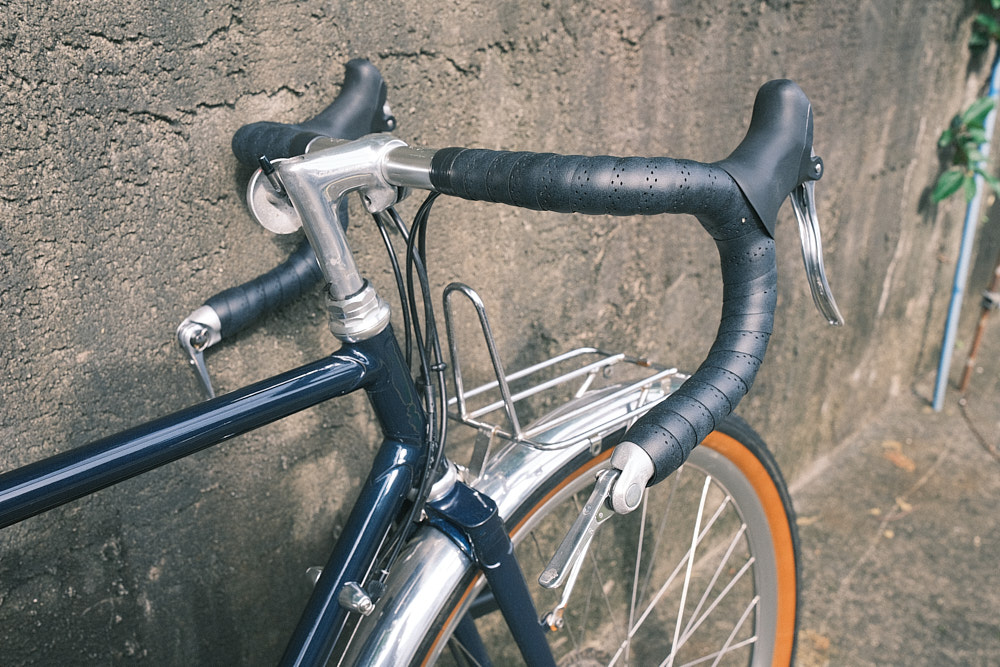
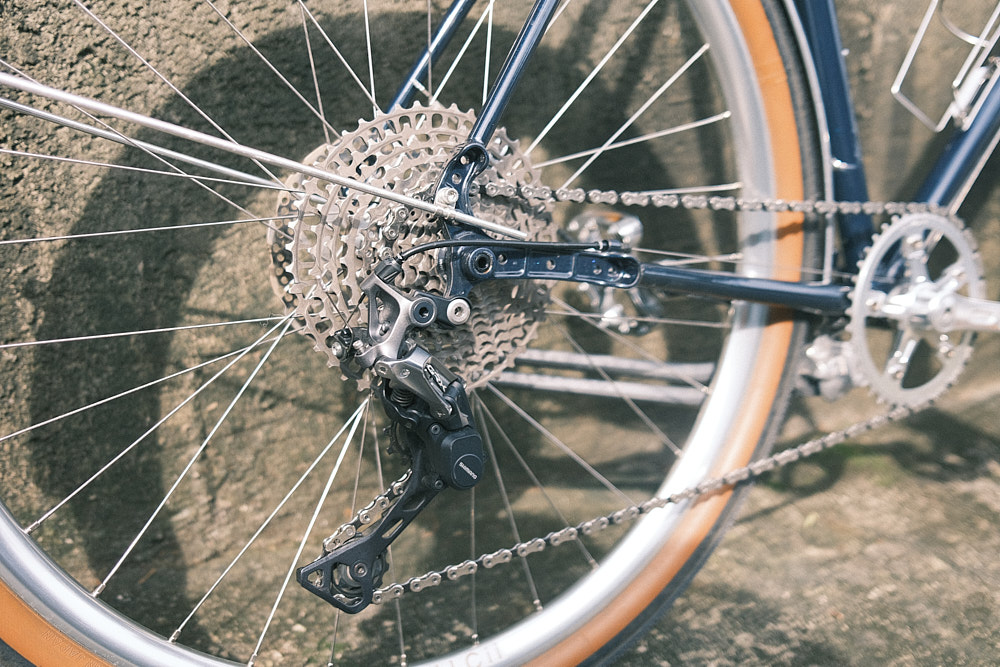
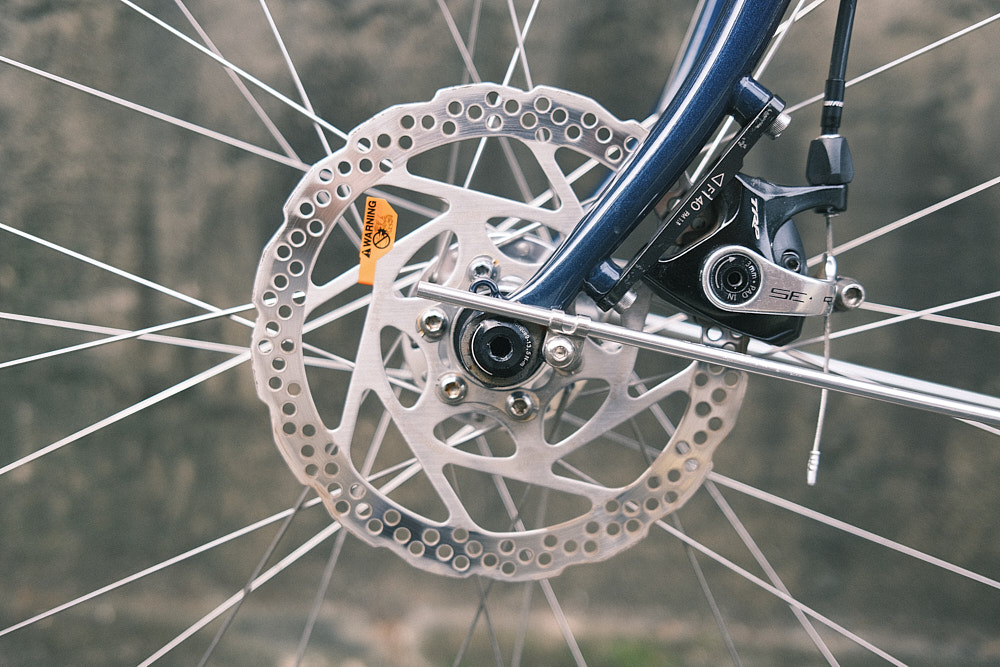
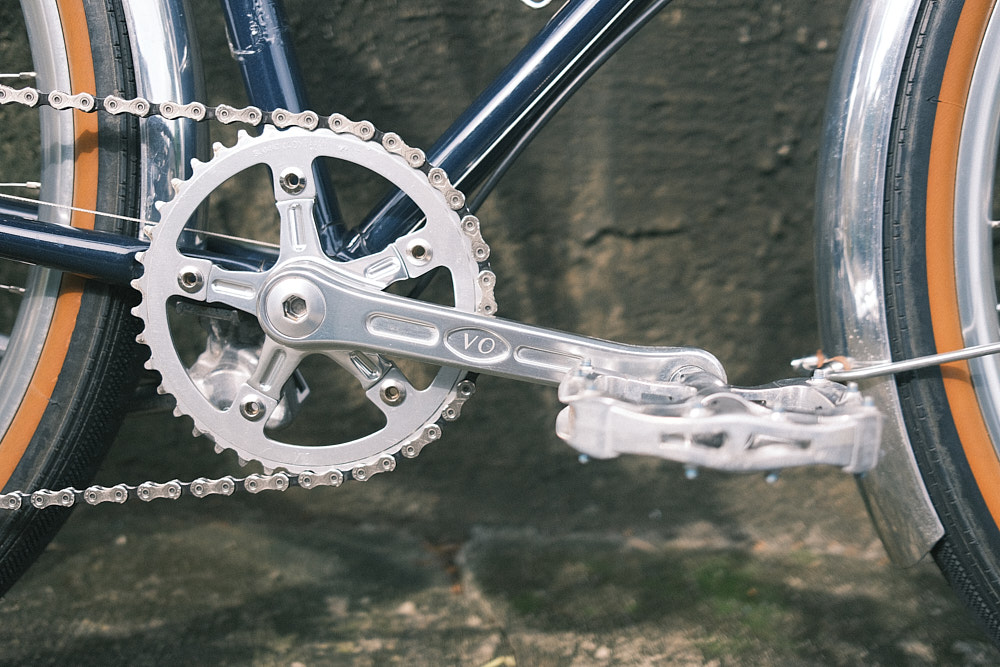
Still, my Bridgestone Eurasia never felt better. The tires are comfy, and I can confidently stop in wet weather. It’s just that the bike wasn’t as dialed in yet.
I thought my headaches would end after picking up the Eurasia. Apparently, there was more in store.
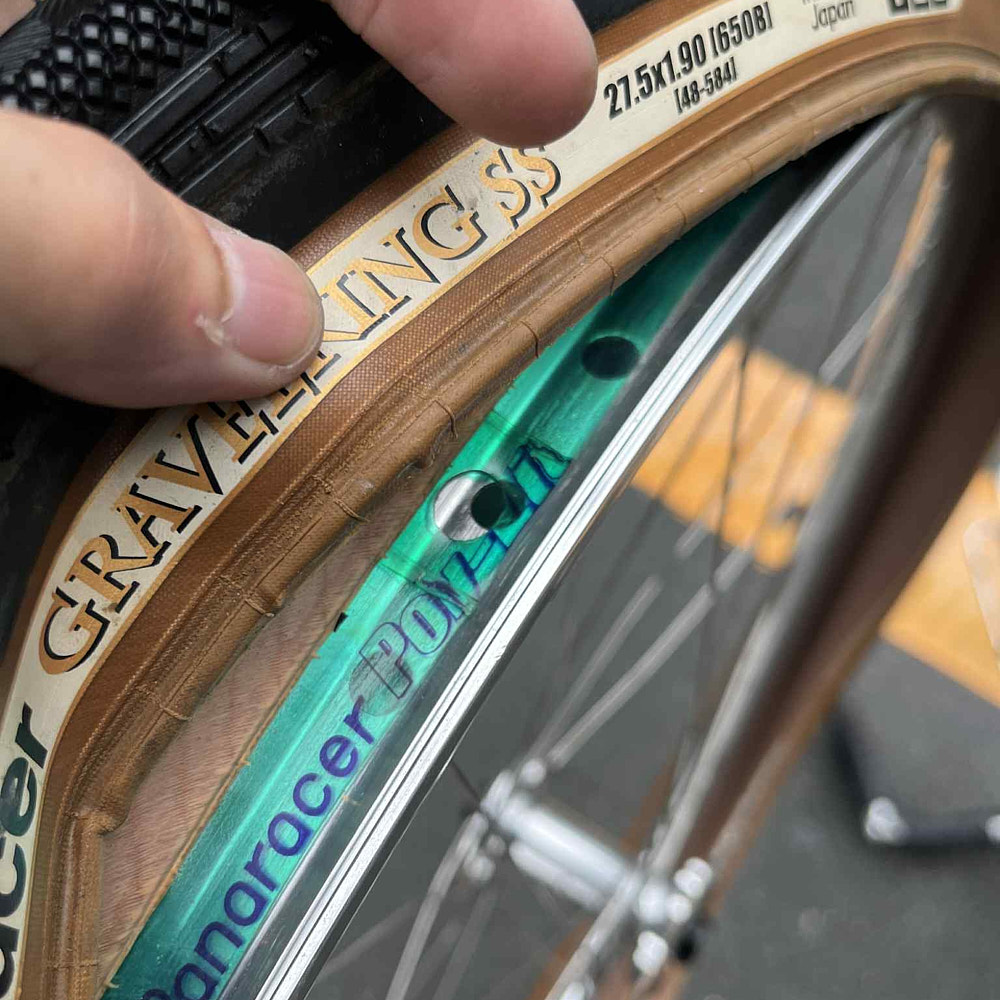
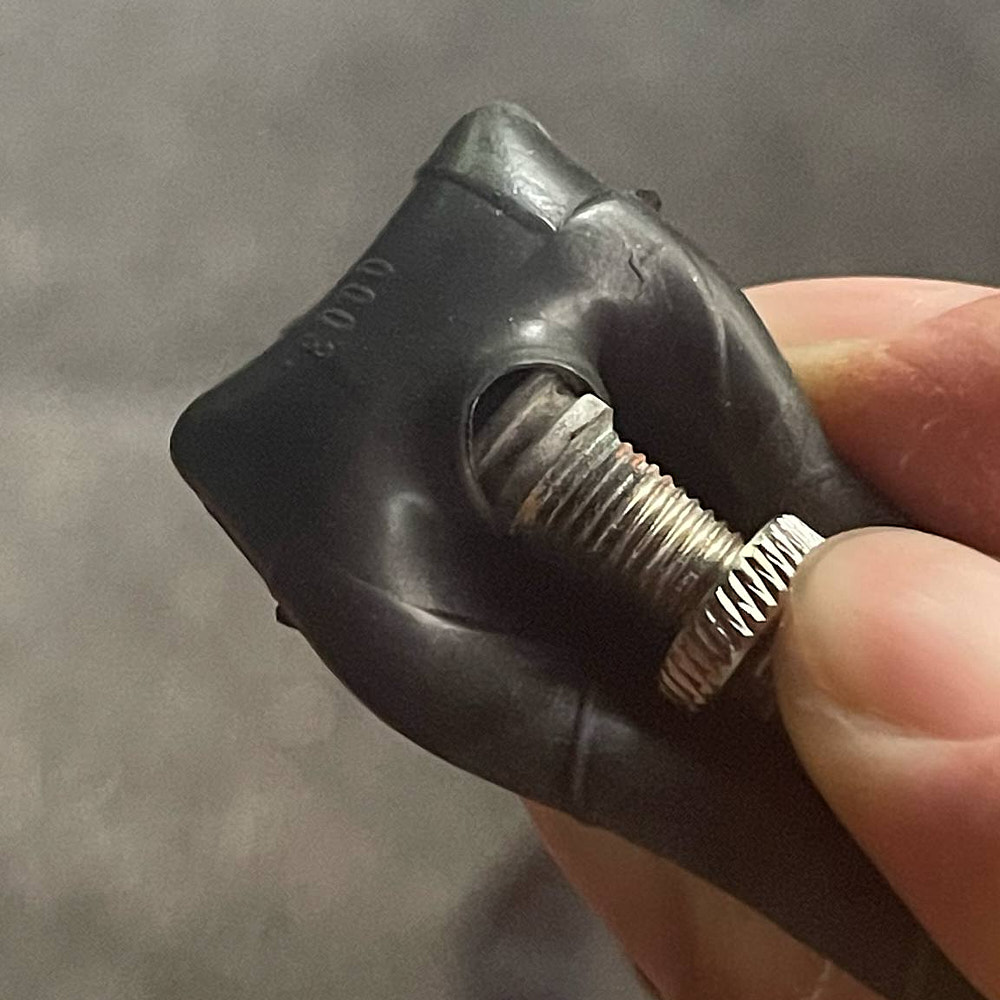
First, the tires kept going flat because the rim tape was tearing off the valve from the rest of the inner tube. So, a different rim tape had to be installed.
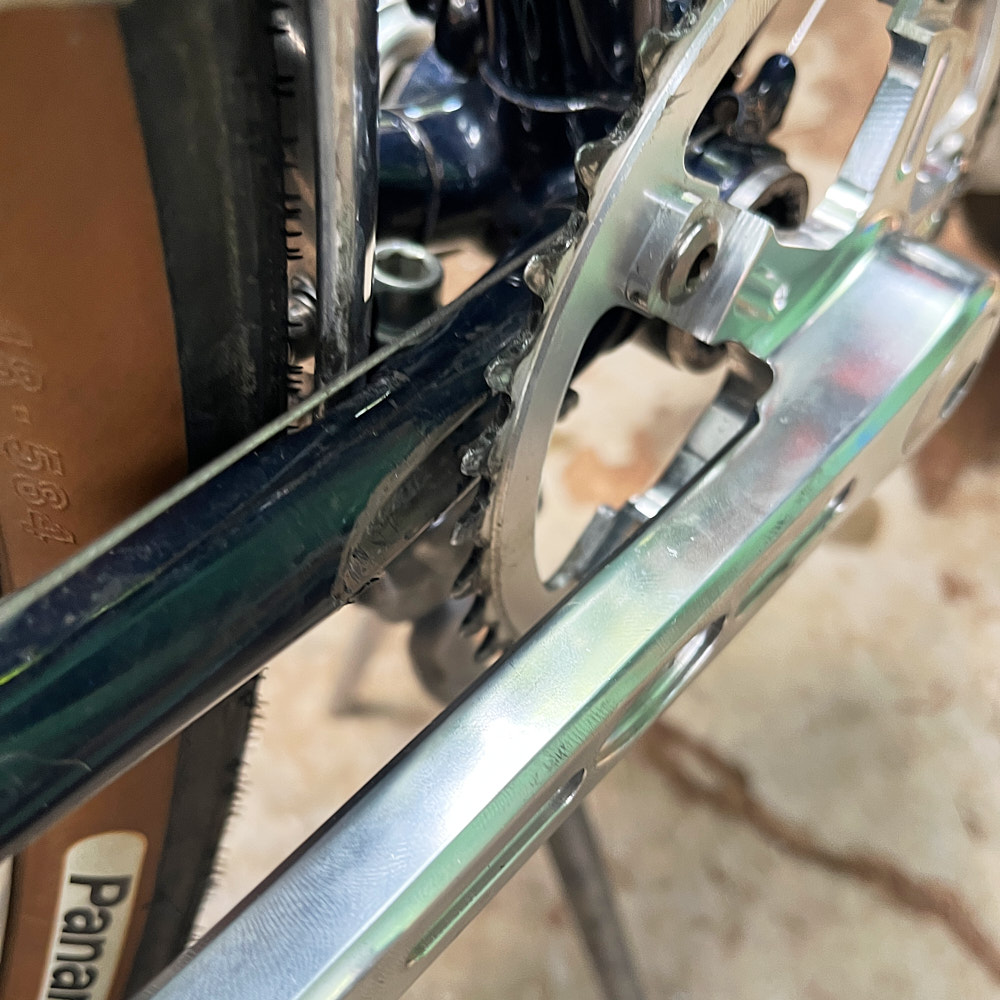
I had to ride all the way to DJ Cycleworks in Binangonan to have the chainstay dimple deepened, or else the chainring’s teeth would eat into the frame if the gear were properly aligned.
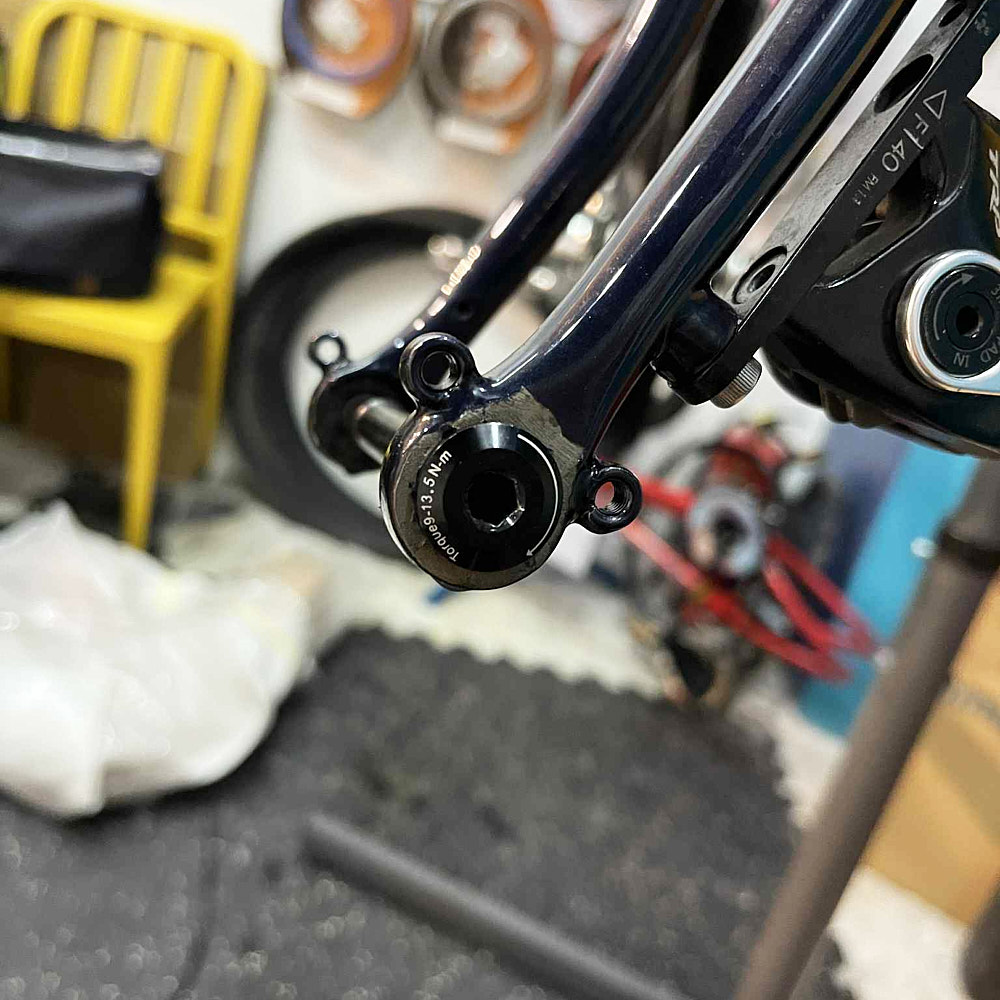
While installing fenders, I noticed a significant chunk of paint chipped off. According to Bike Project MNL, that might have been caused by the second coating. And if left as is, the same could happen to the rest of the frame. Good thing it was covered under warranty, and they redid the paint job and the bike skin.
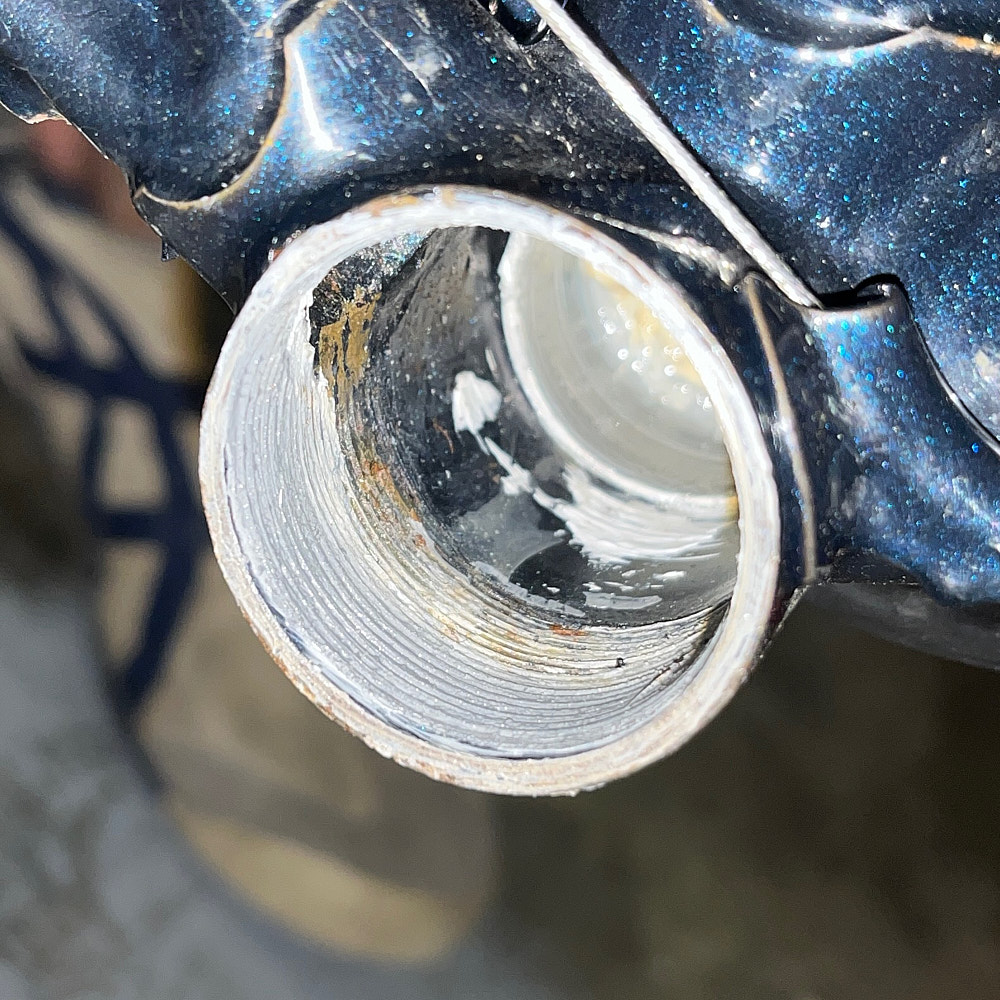
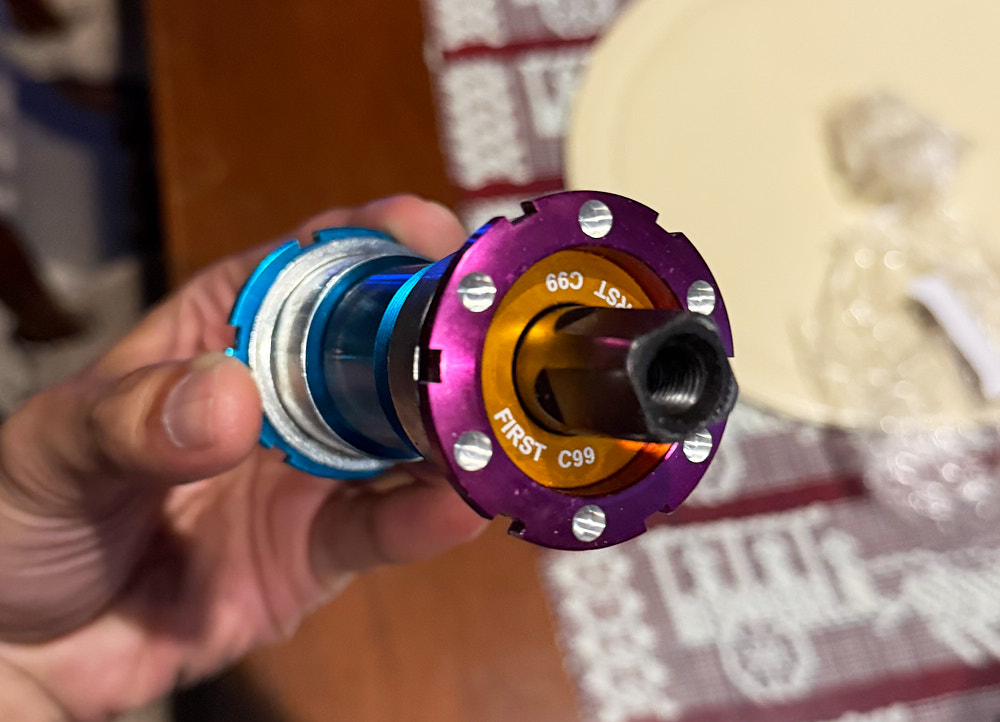
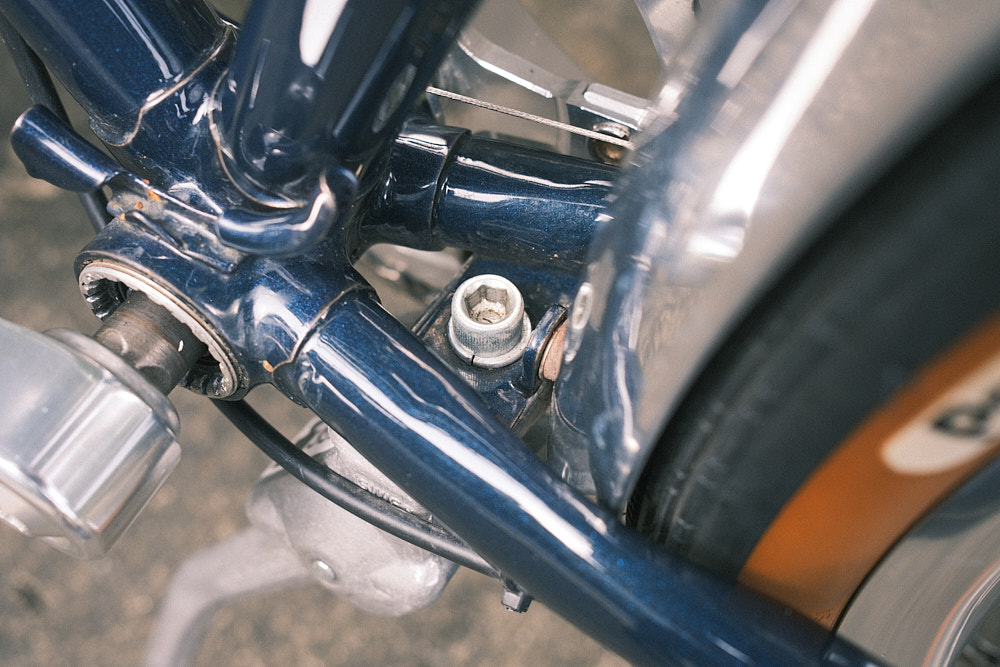
This was the most alarming: After I brought the bike for an overhaul after an overnight trip to Tanay, I was told that the threads of the bottom bracket (BB) shell had gone loose.
How bad was this? The crank slid out of place with no resistance. Even worse, the threads were part of the frame, so it would entail a major repair job.
Thankfully, my mechanic recommended a special part to me: a threadless square-taper bottom bracket.
With this, the crank could be reinstalled without having to mess with the frame. I had to get the part worth P4,400 imported by an online store appropriately named Poor Life Choices.
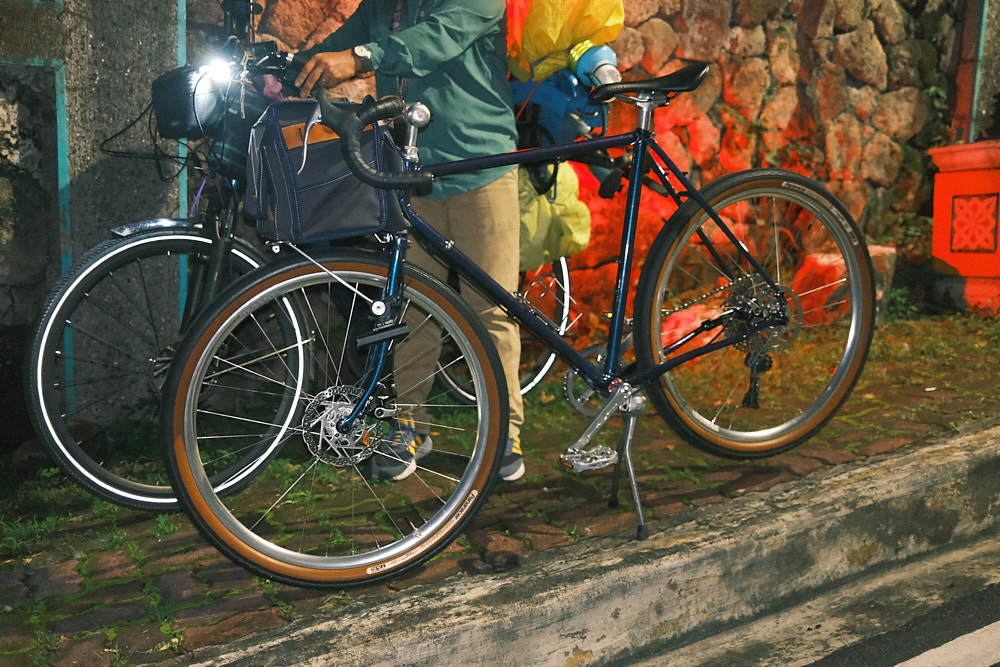
These issues happened within a month, and I had to wait another month before the Eurasia was rideable again.
I got the bike on July 14, went to Tanay from August 4 to 5, and experienced the breakdown on August 10. After getting the frame repainted and the BB installed, I was only able to pick it up on September 19—the night right before another long ride.
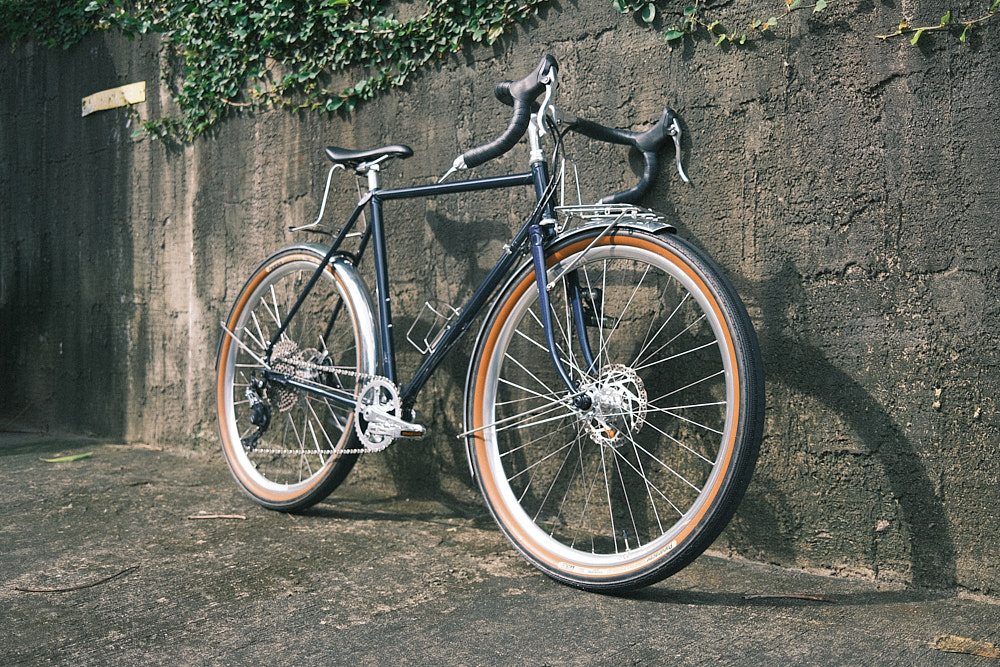
In the end, was it worth going through all this to modify an old classic?
Yes, because it was still cheaper than spending on a Crust or a Rune. But if I didn’t have the Eurasia already, then it would have been better to save up for the frame that had everything I needed and wanted.
The best part about this rebuild is the sense of relief at the end. I don’t need to choose anymore between a vintage bike and a gravel bike because my Bridgestone Eurasia now has the best of both worlds.
There’s no budolry either, knowing that my bike is one of a kind. And that I can use it rain-or-shine, whether for city commuting, out-of-town rides, or gravel adventures.
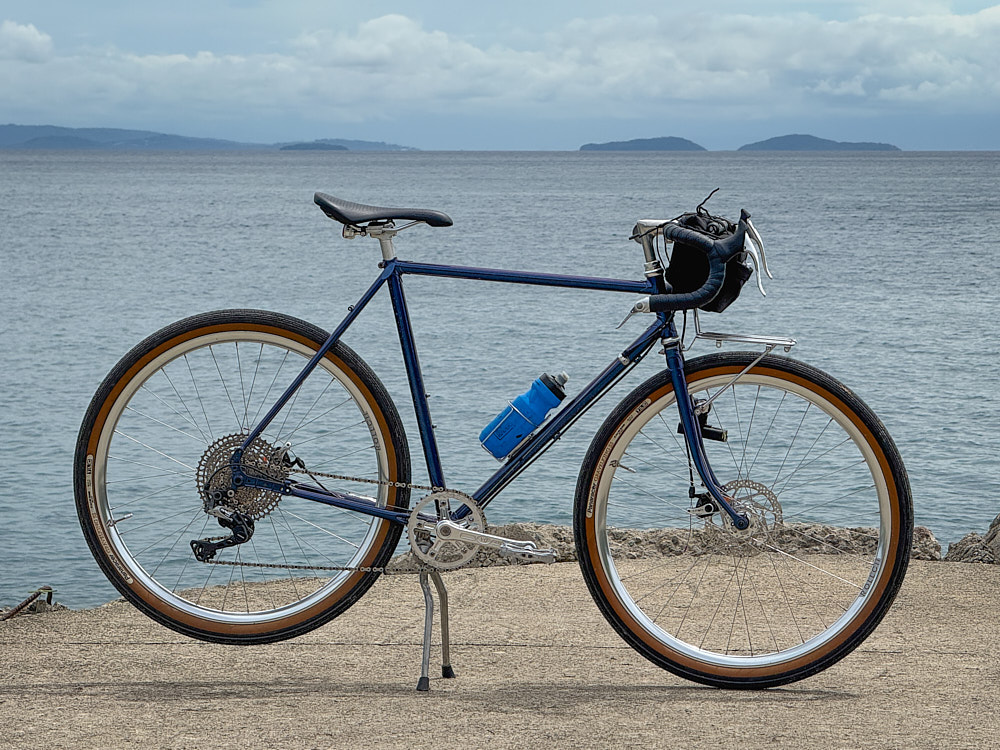
Is my Bridgestone Eurasia still the same bike?
In some ways, yes; in others, no. It uses the same steel tubing, but it no longer handles the same way. The journey of rebuilding the bike is just as wild as the rides it has been through.
Regardless, the one thing that remained constant was the passion I poured into this bicycle.
Comments