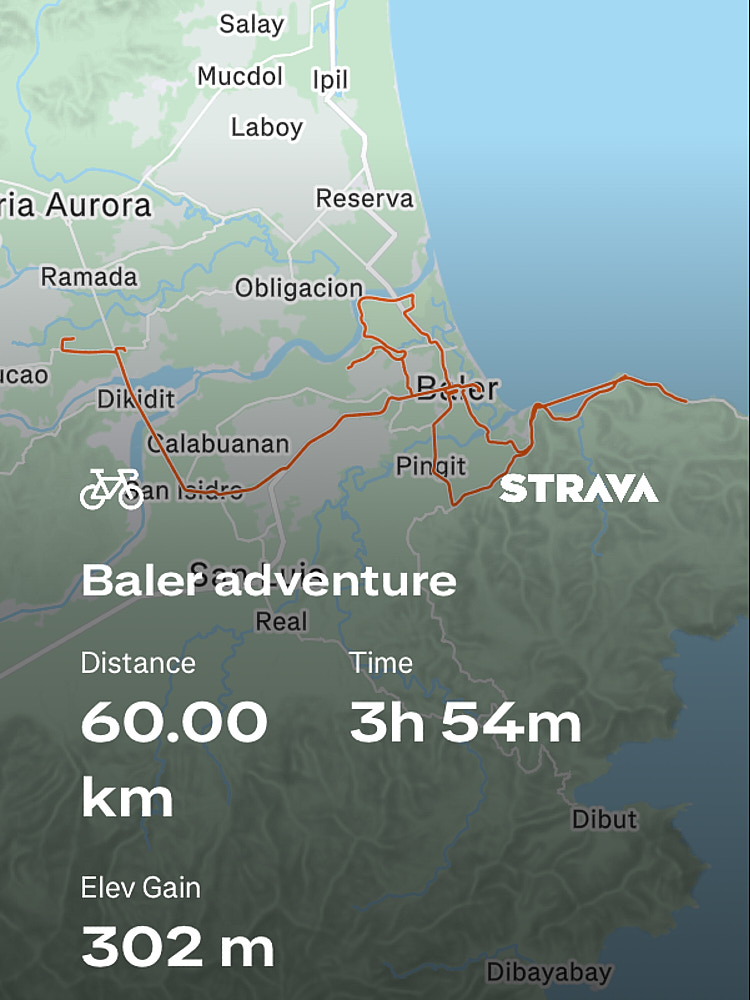

The highlight of this Baler trip was a tour around the municipality with Myta acting as the guide. The first day was already eventful, but there was more in store for today—especially when the ride out was at 6:30am.
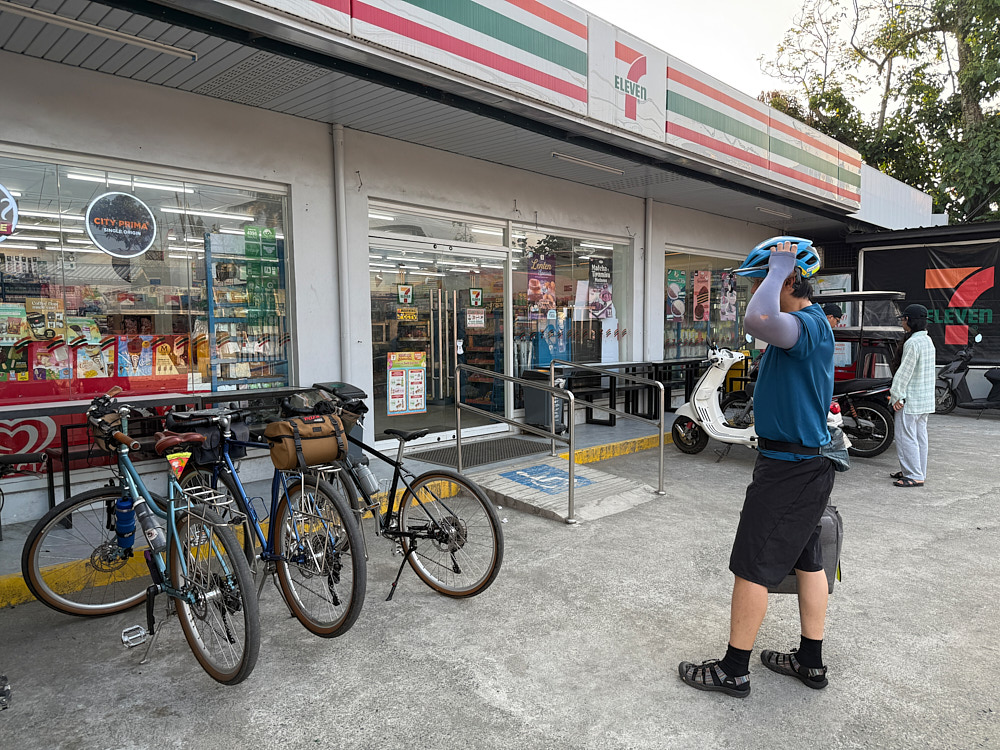
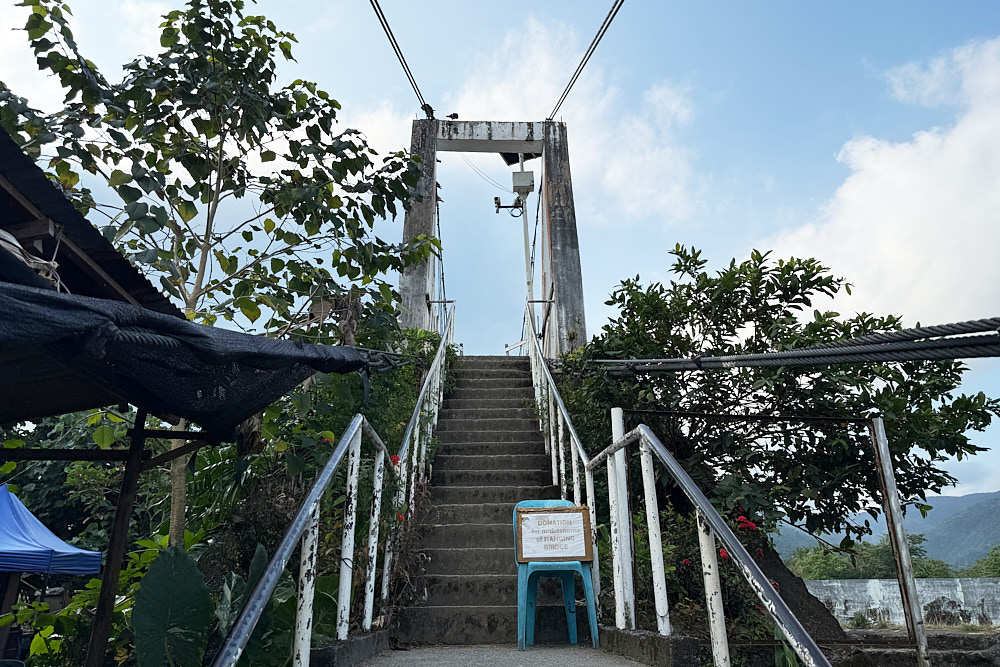
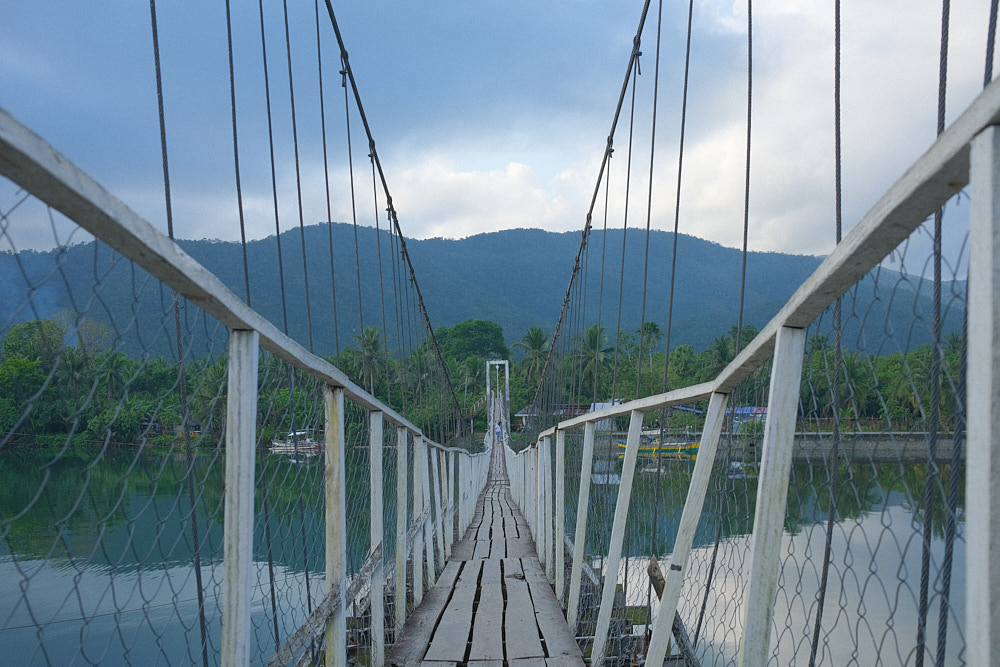
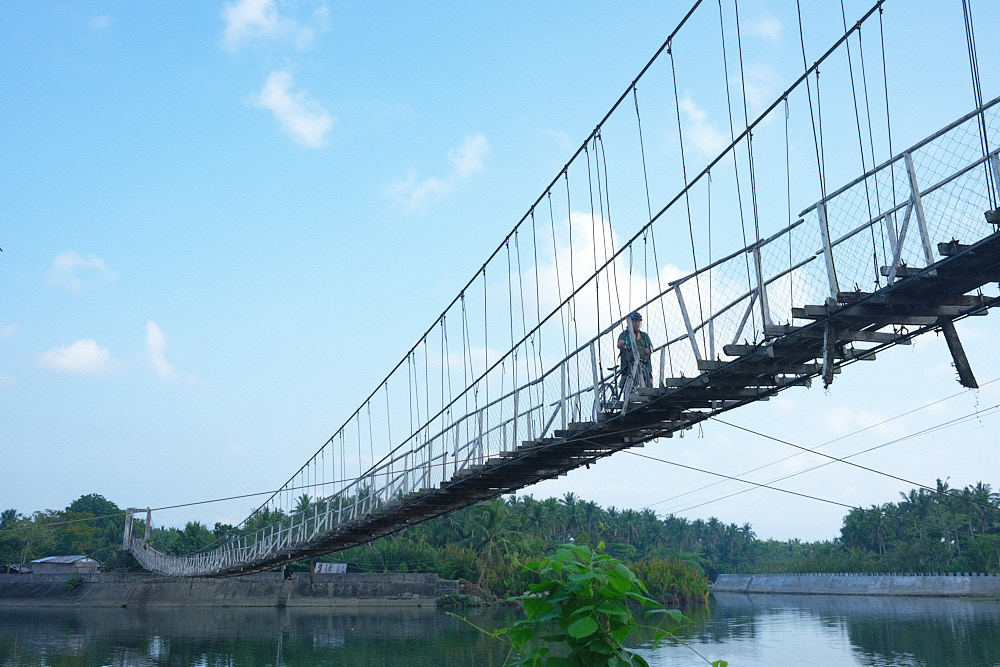
We first had breakfast at the nearby 7-Eleven before proceeding to the Zabali Hanging Bridge. The bridge is more than just a tourist attraction because it acts as a shortcut for locals traveling on foot.
Crossing the bridge was a bit of a challenge—especially with a bicycle—because of the stairs and the uneven platform. There was a nice view, but I couldn’t appreciate it since I didn’t want my bike’s tire slipping in between the planks.
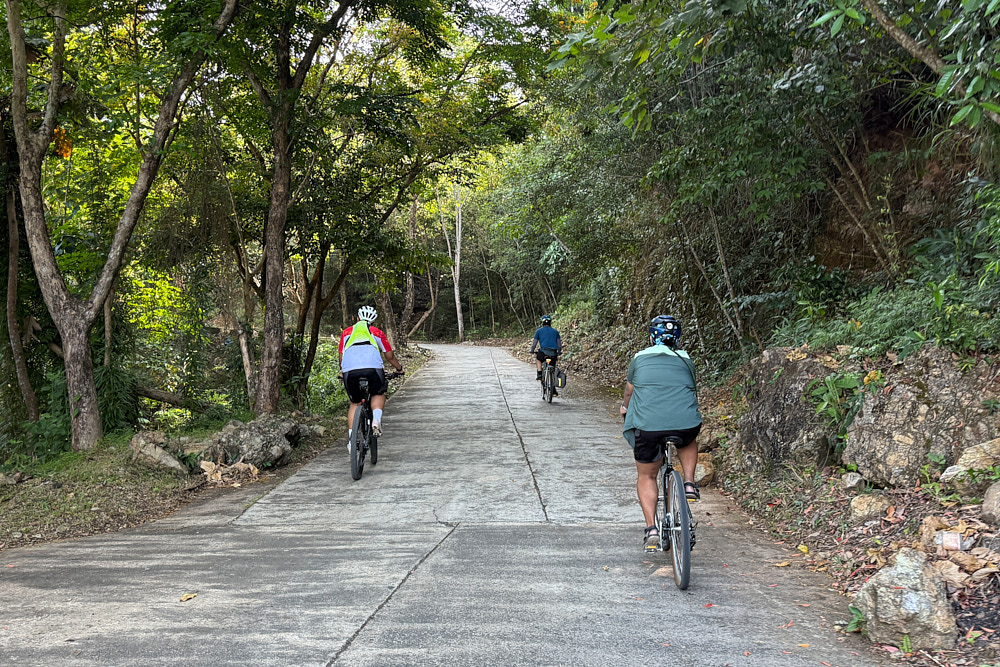
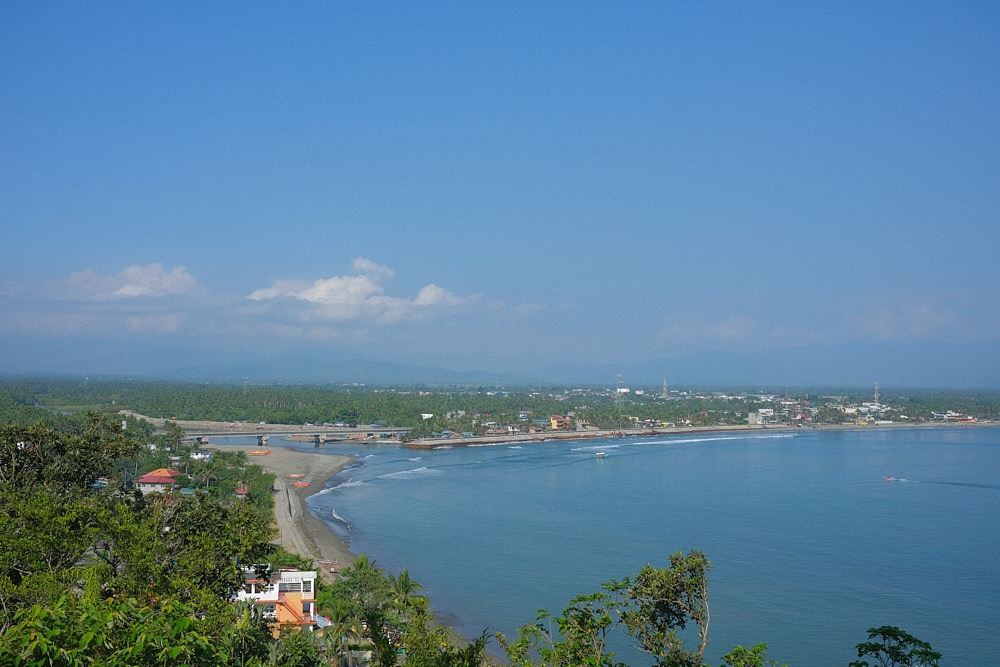
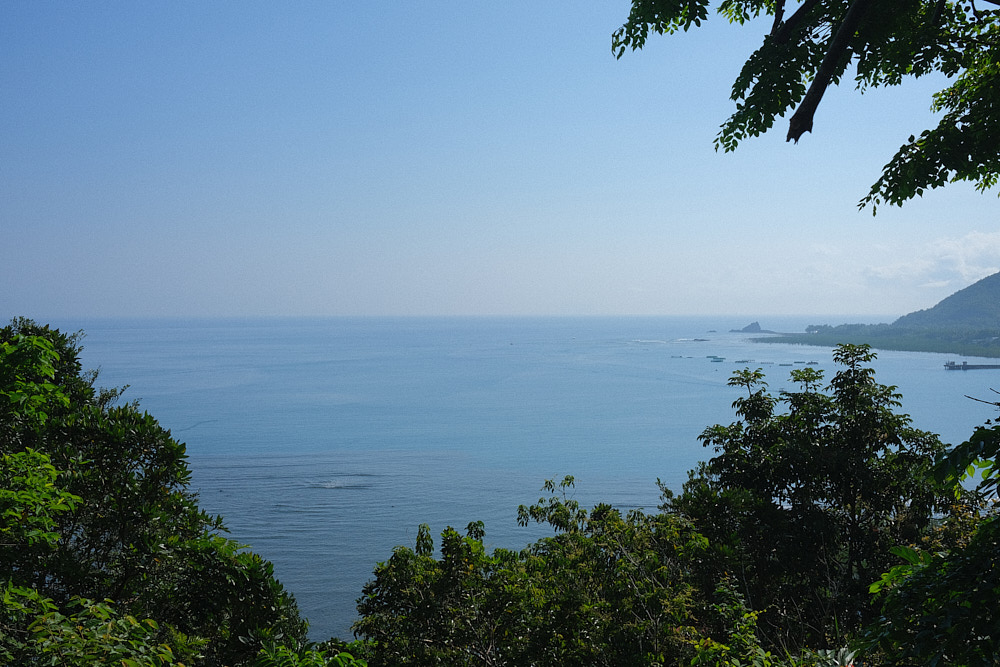
After crossing the bridge, we continued going east toward Ermita Hill. Aside from having a panoramic view, the place served as a refuge during a Tromba Marina (or tidal wave) in 1735, which devastated Baler. The climb going up was easily the steepest incline we faced during the trip. But as someone who was used to going up Antipolo, it wasn’t a problem.
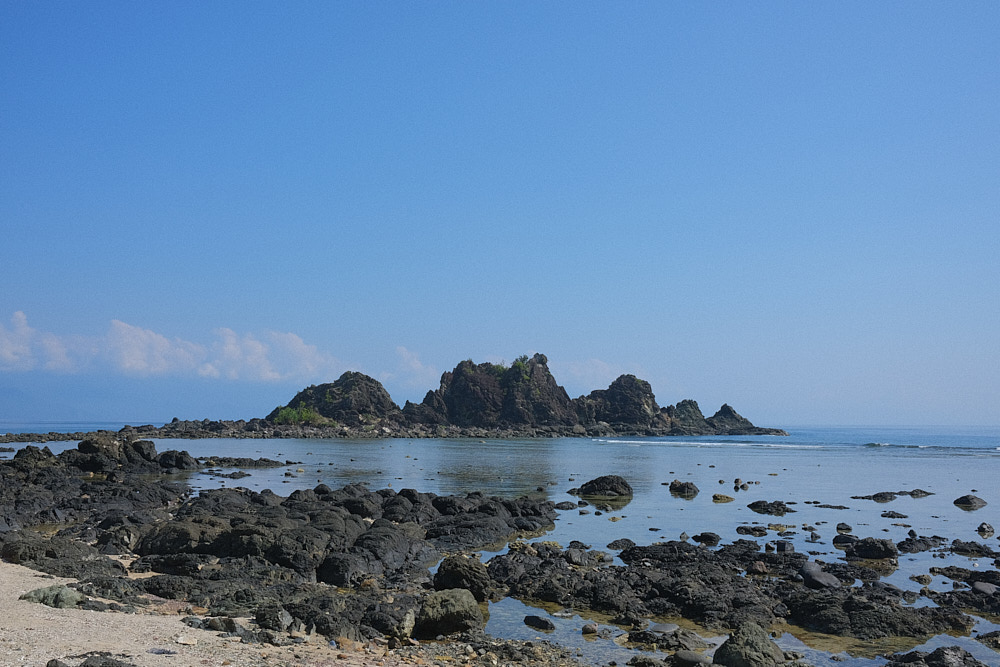
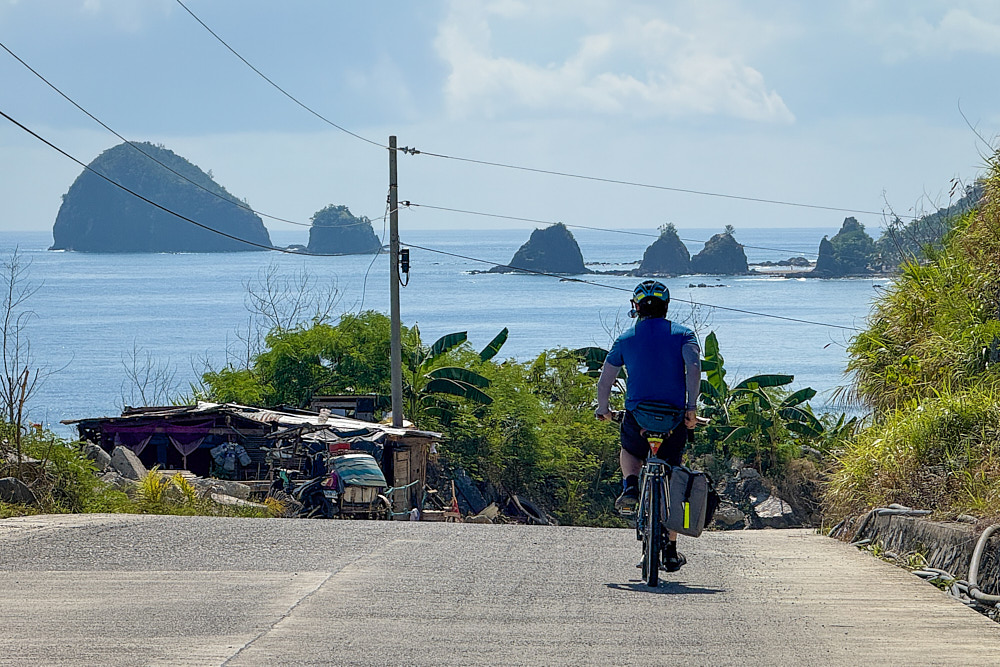
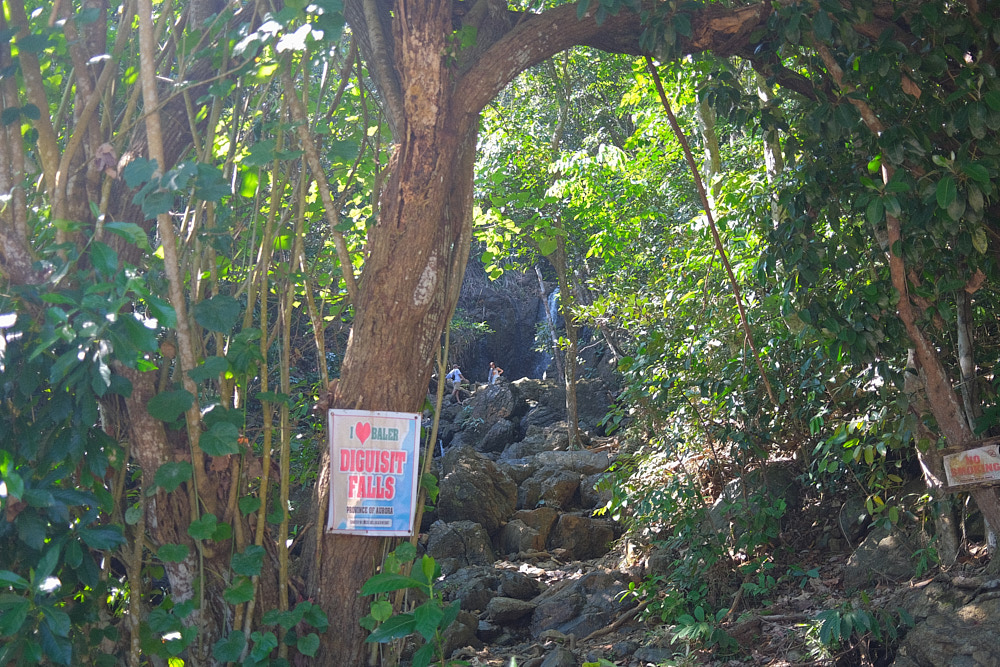
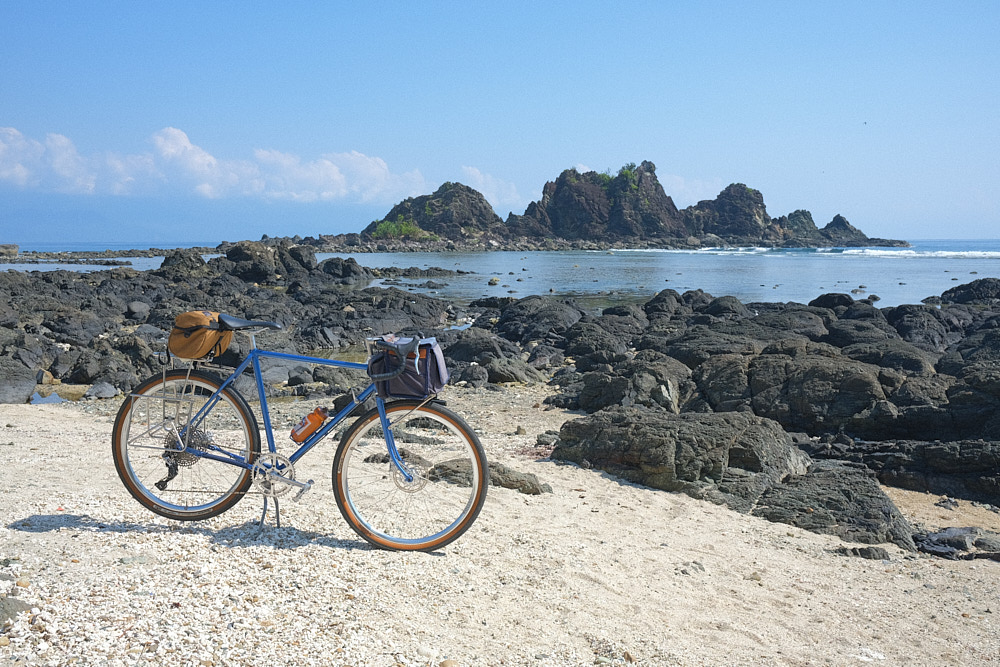
We descended from Ermita Hill and continued along the coastal road until we arrived at Dimadimalangat Rock Formation. I enjoyed biking in this area because the roads were quiet with a pleasant view of the sea. Not far from the rock formation was Diguisit Falls, where we took a break before heading back to town.
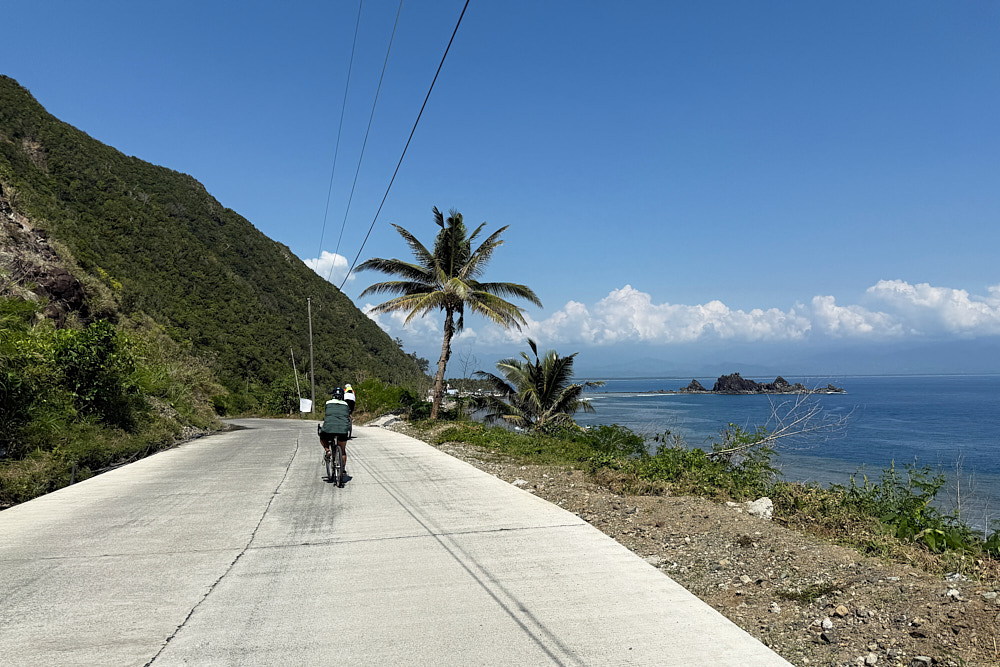
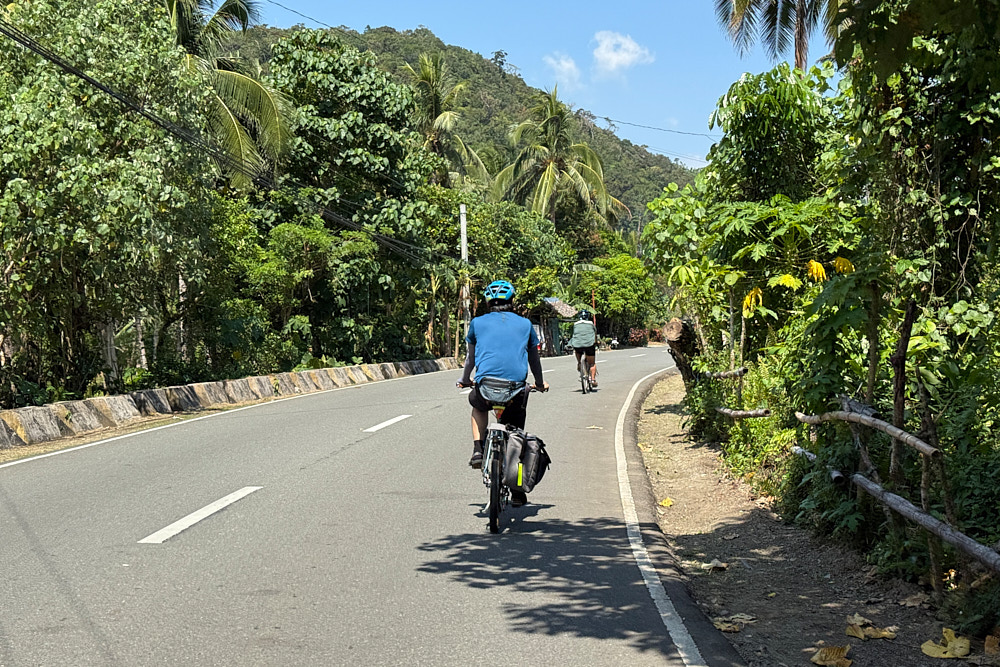
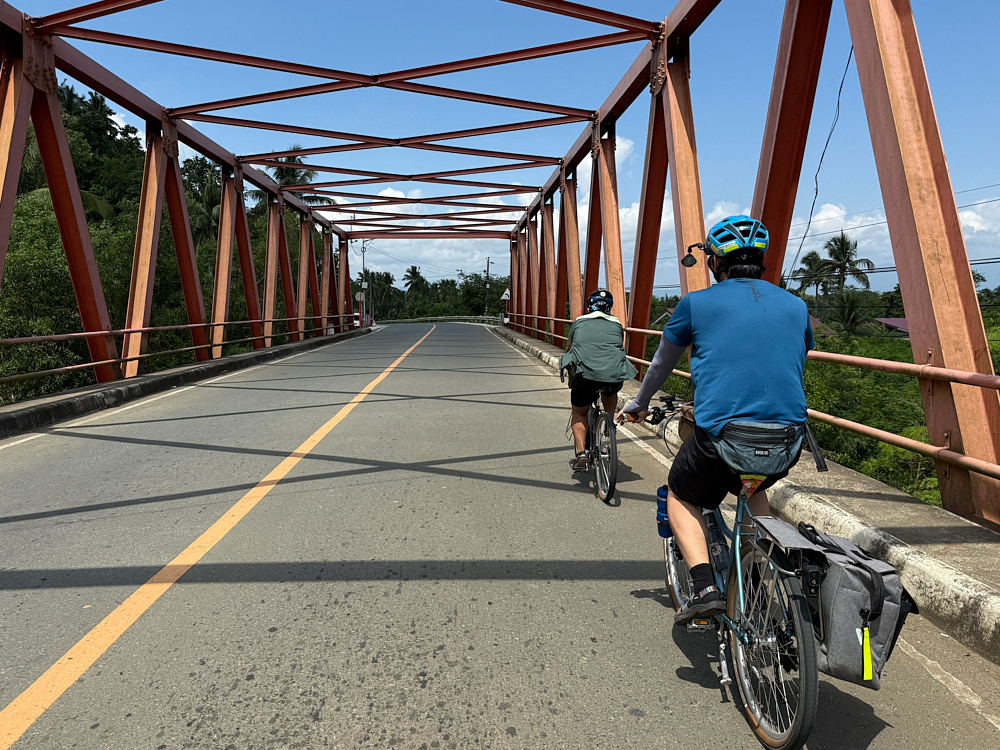
The sun was starting to get harsh on the way back, but I still enjoyed the trip because of the nice view along the coast. The group had to decide whether to pass through the hanging bridge again, or stay on the road.
We were in a bit of a rush, and didn’t want any unnecessary trills, so we took the road back to town. The additional 4km made me realize how helpful that bridge could be, if only crossing it weren’t an adventure on its own.
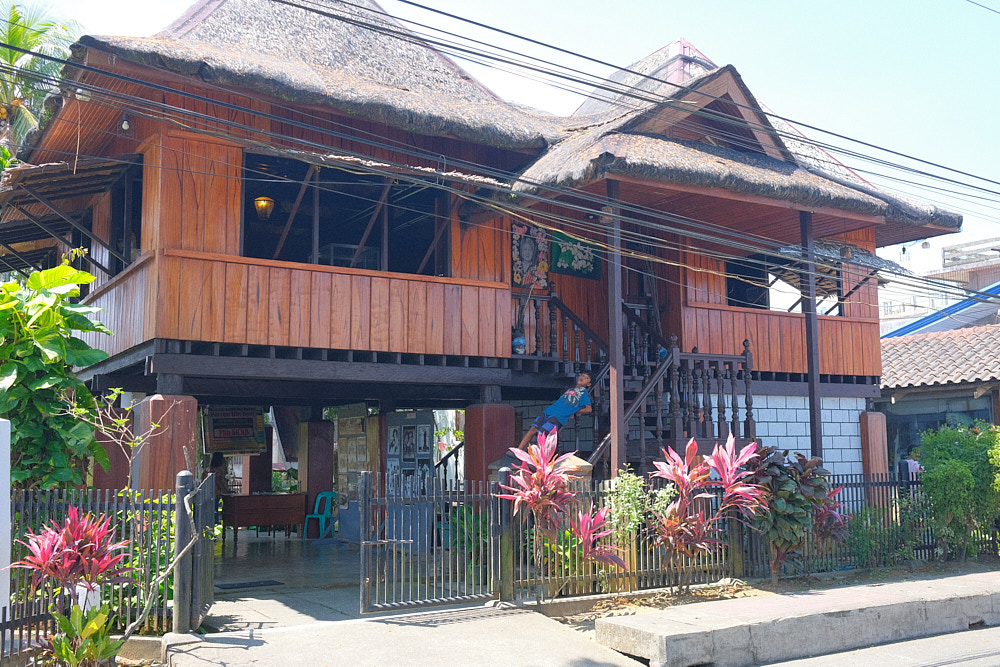
Upon arriving at the town proper, we made a quick stop at the historical house of Aurora Quezon, the wife of former Philippine president Manuel Quezon. I also learned that Aurora was declared as a province in 1979.
Across the street was San Luis Obispo Parish Church, where Spanish soldiers held out for 337 days—despite the fact that the USA had already bought the Philippines from Spain in 1898 with the Treaty of Paris.
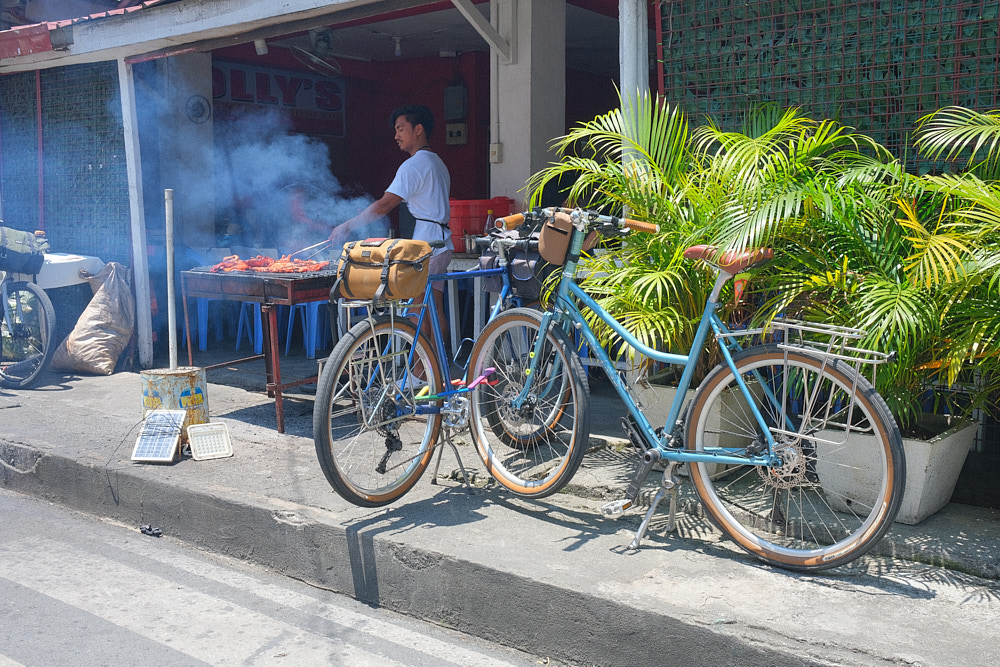
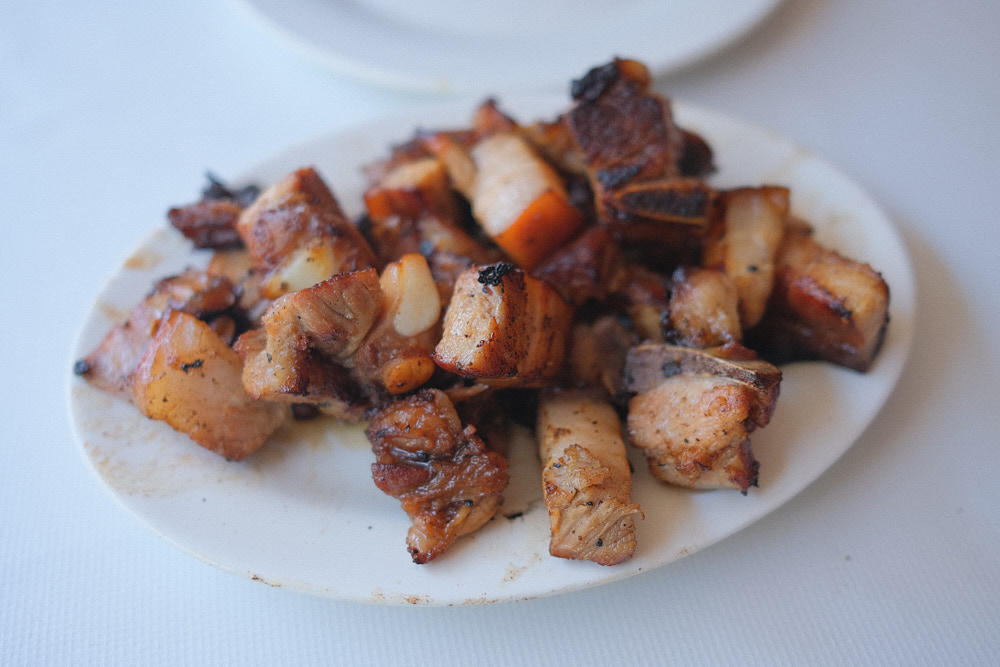
We didn’t stay long at either of these places. The history runs deep, but so did our hunger, which was why I was happier to go to Yolly’s Ihaw-Ihaw & Seafood Resto. After having a filling lunch, we decided to have a siesta at the homestay since there was no point riding under the noontime sun.
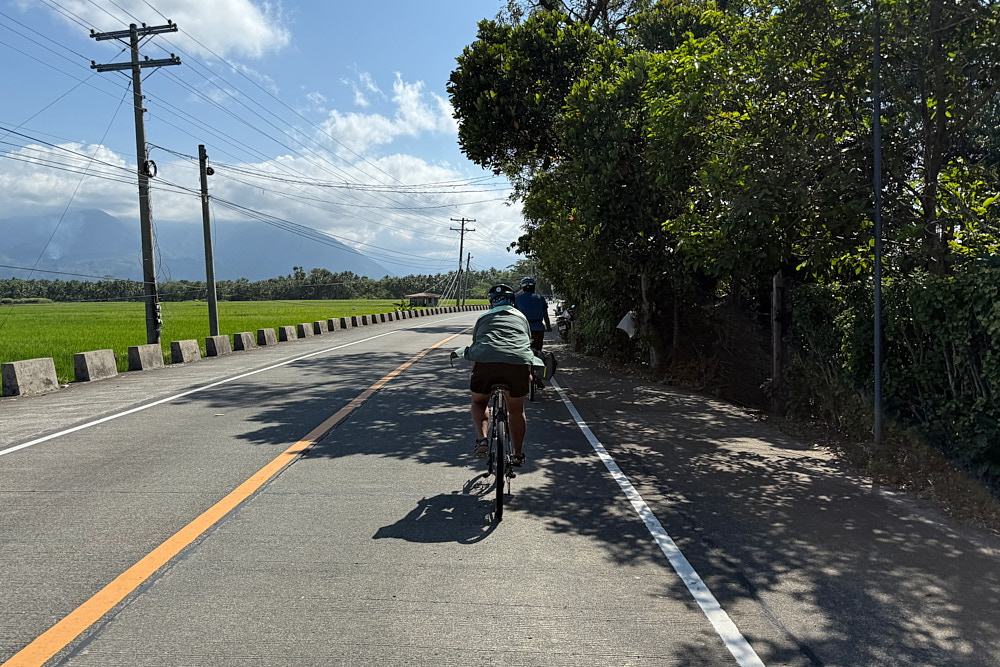
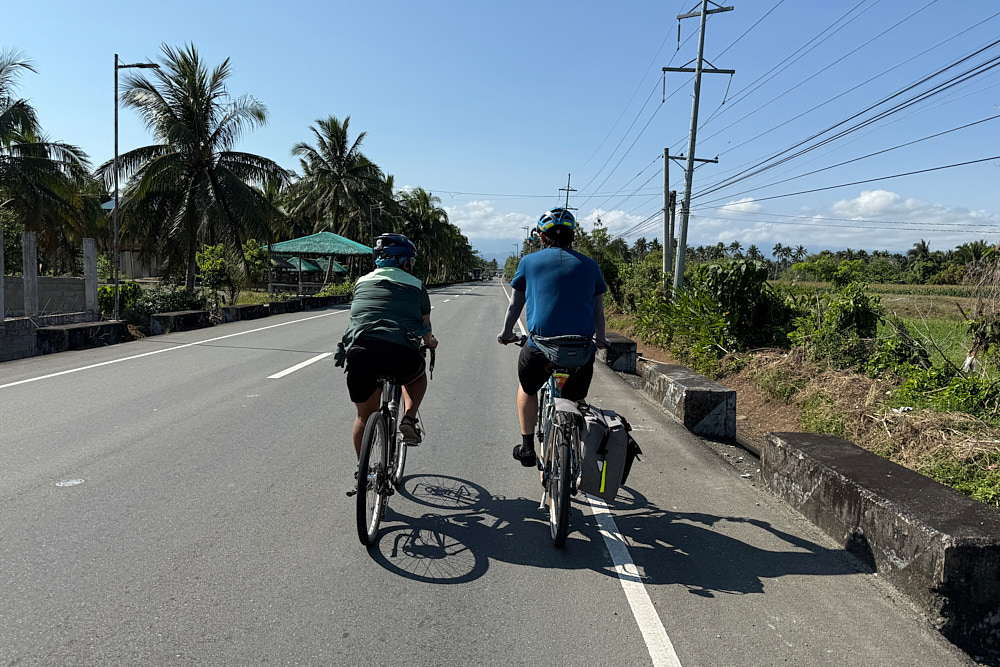
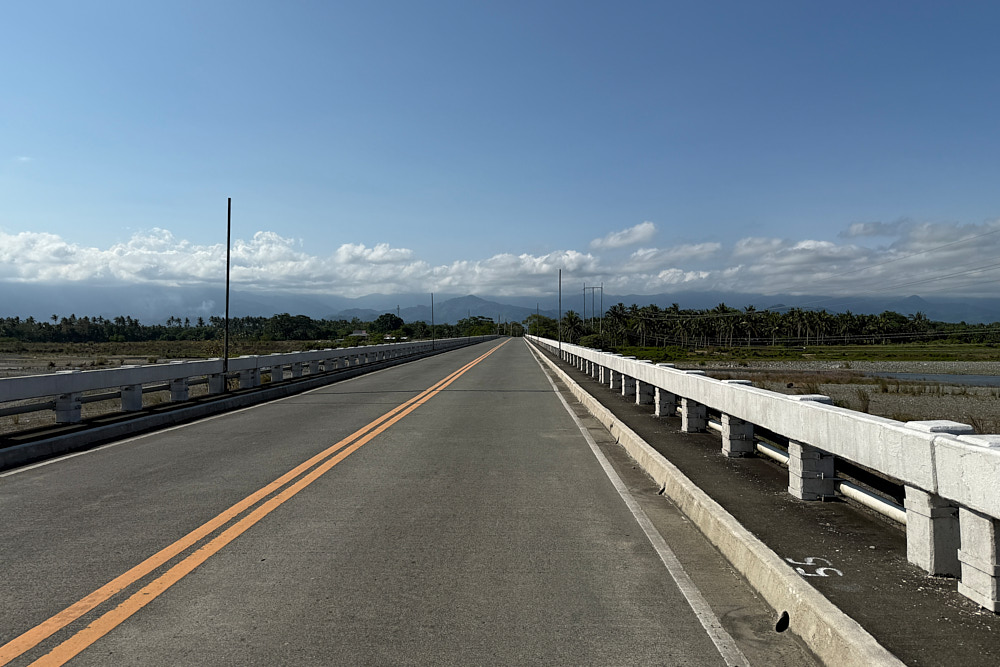
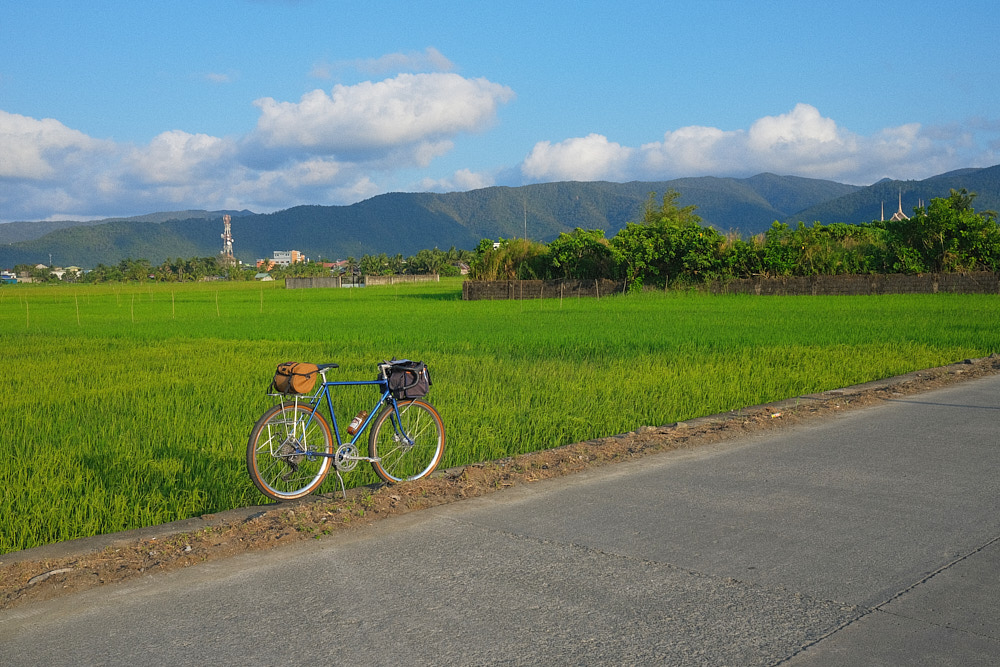
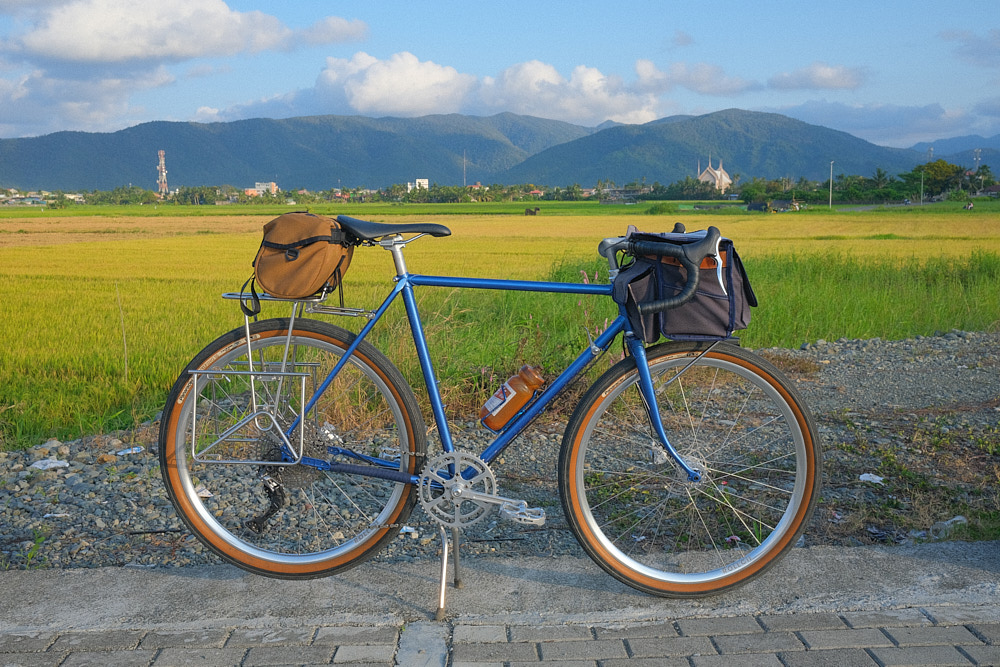
For the latter part of the tour, we rode out at 2pm heading toward Balete Park, 14km away. The scenery was different this time as we were traveling along open fields with mountains in the distance.
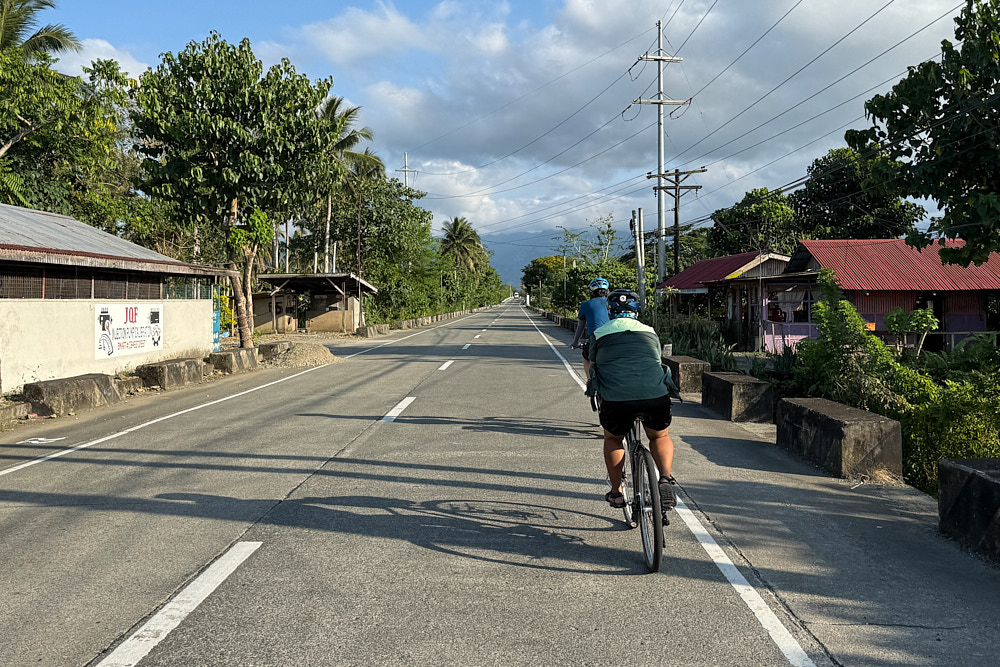
What I enjoy about cycling in the province is that you can easily enjoy the open road. You don’t have to worry about flyovers, stoplights, and busy intersections. And it’s easy to mind your own business and enjoy the view when there are fewer cars and no buildings in sight.
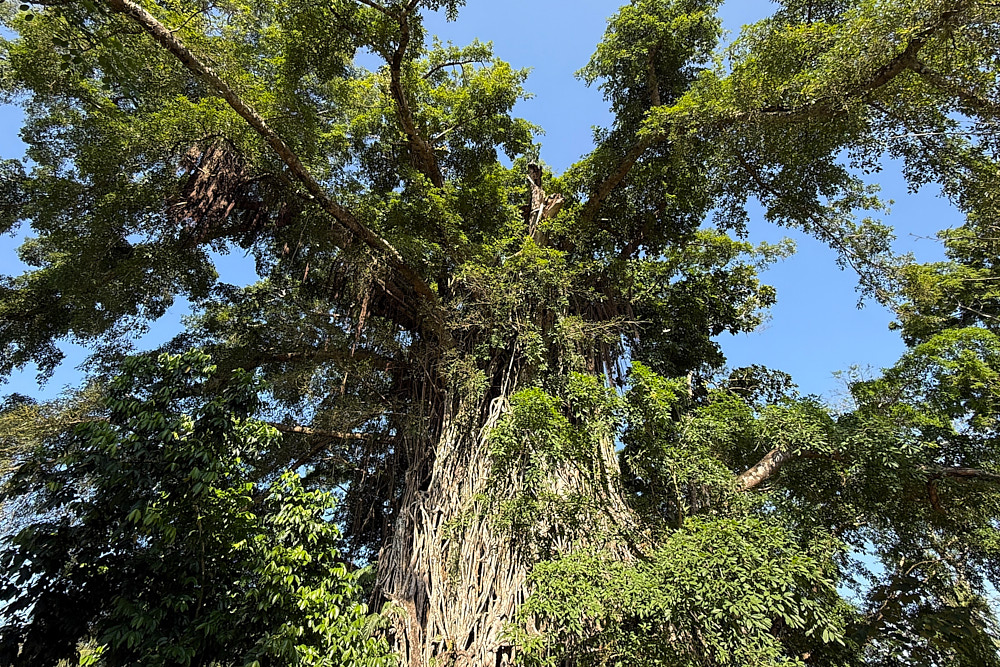
The park has a Balete tree, known as the Millennium Tree, that’s said to be more than 600 years old. Although Filipinos associate these trees with the supernatural, this one felt like a plain tourist spot complete with an entrance fee, merchant stalls, and side attractions such as a Thomas the Tank Engine that goes around the park.
By the time we finished our visit at Balete Park, it was already past 3pm, and this could only mean one thing: It was time for merienda. When biking the whole day, the timing of your meals matters just as much as the route planning. After all, you don’t want to be pedaling on an empty stomach for kilometers on end.
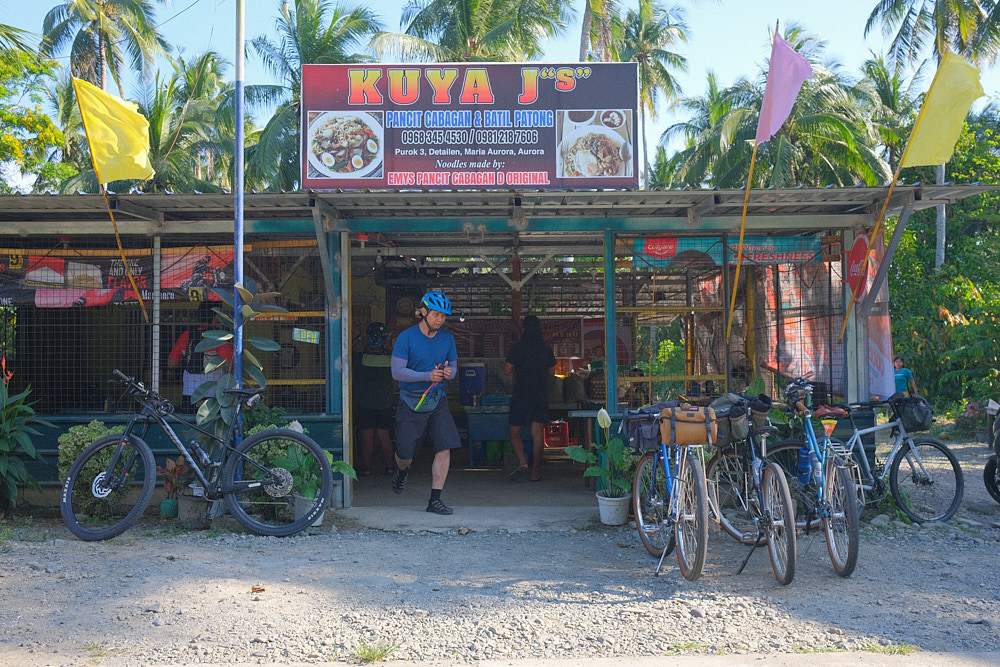
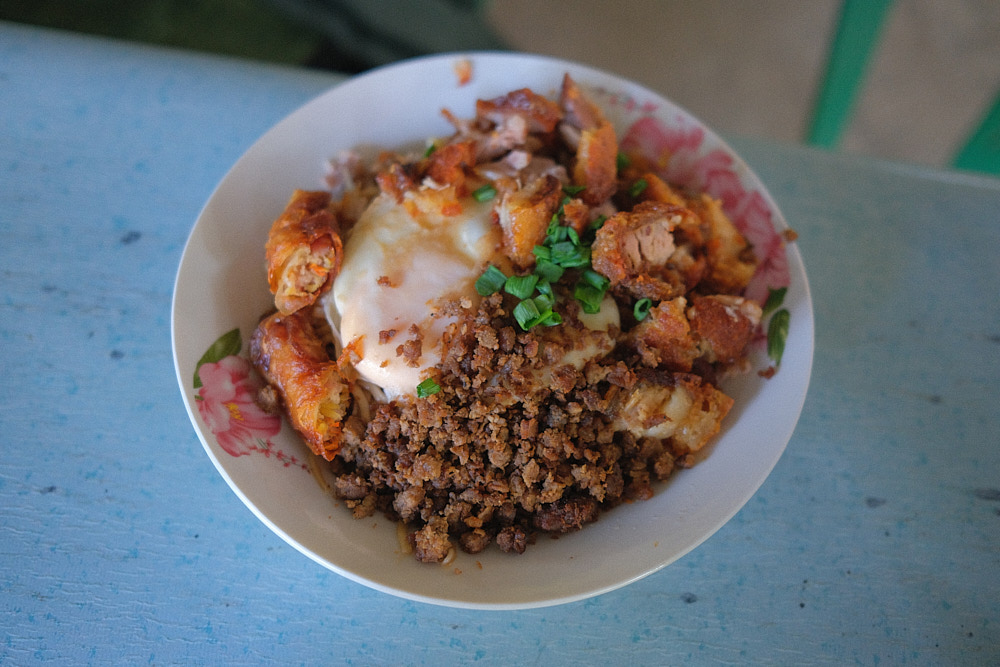
There weren’t any restaurants in Balete Park so we asked the people there for recommendations. They suggested we go to Kuya J’s Pancit Cabagan and Batil Patong nearby. While having pancit, we decided to adjust the itinerary. Ampere Beach was supposed to be the final stop. But since it was already late and the beach was 20km away, we decided not to push through.
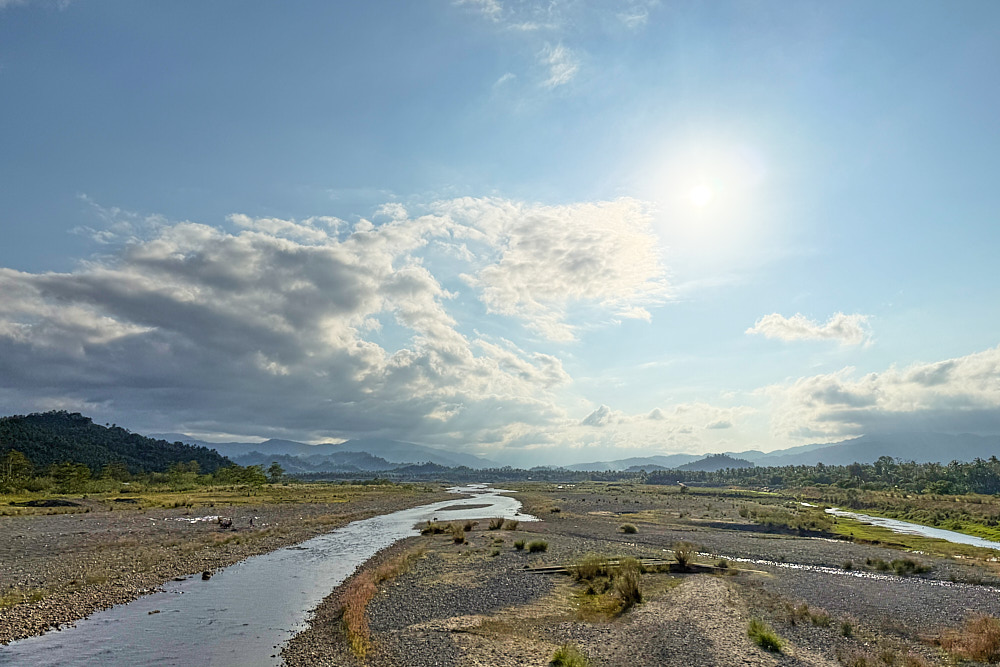
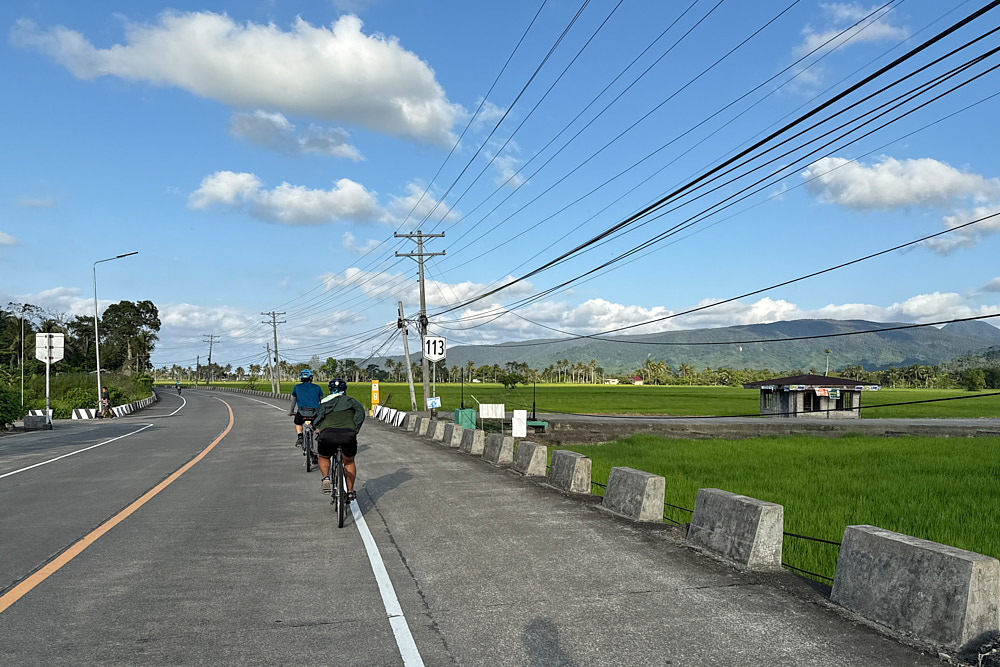
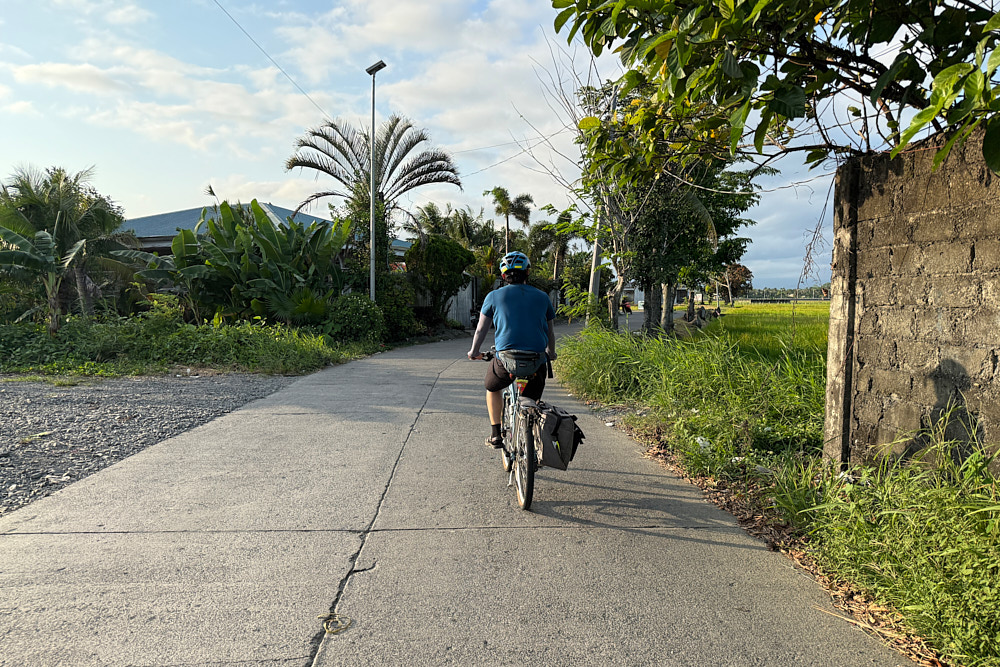
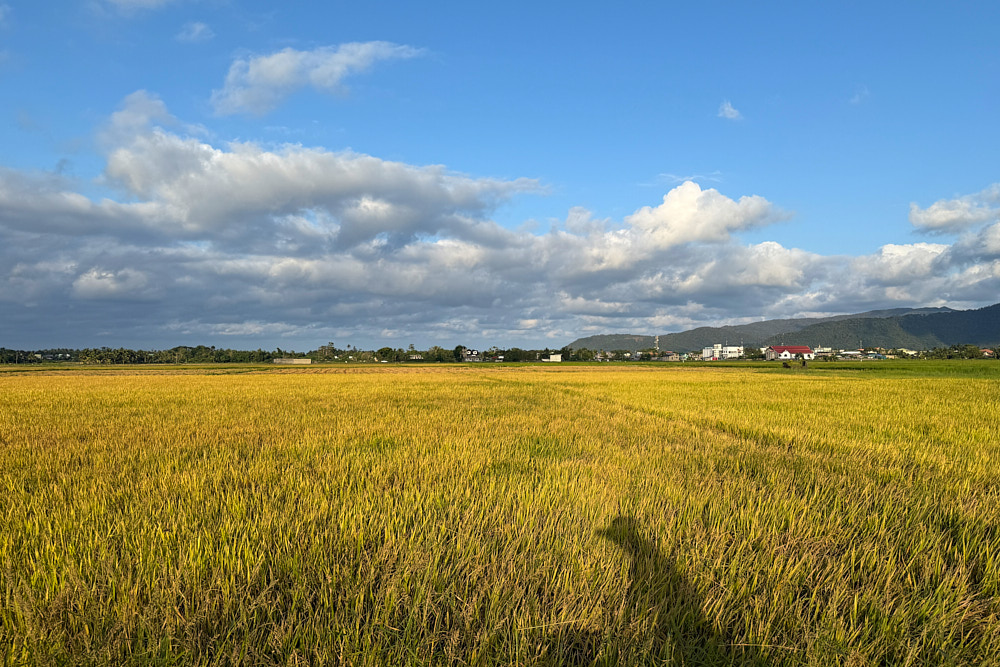
There was still some time left before sunset, so we took a detour on the way back to ride along the river. We were in for a rather gnarly adventure.
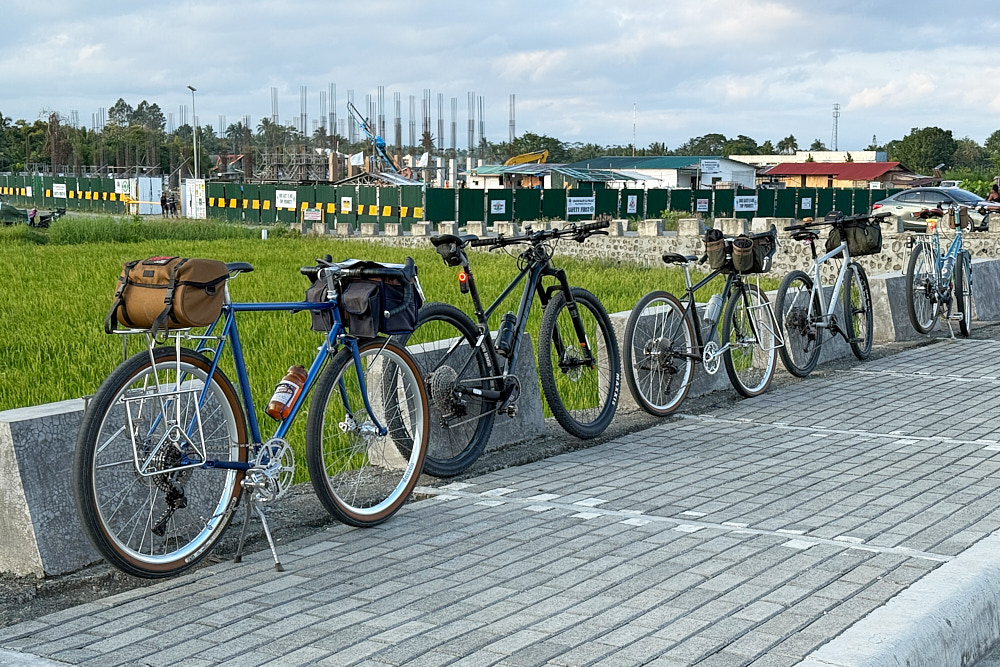
We diverged from the highway after turning left by Jollibee. Eventually, we arrived at a junction with a bypass road that was under construction. Since a good portion was still closed, we were able to roam freely and take photos during golden hour, as if we were on Ayala Avenue on a car-free Sunday.
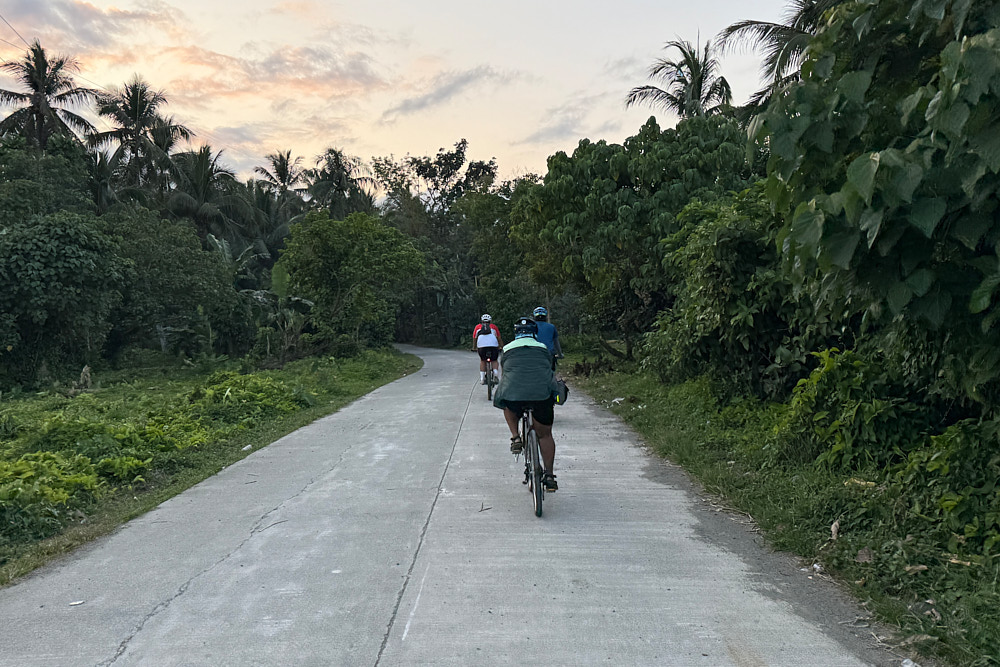
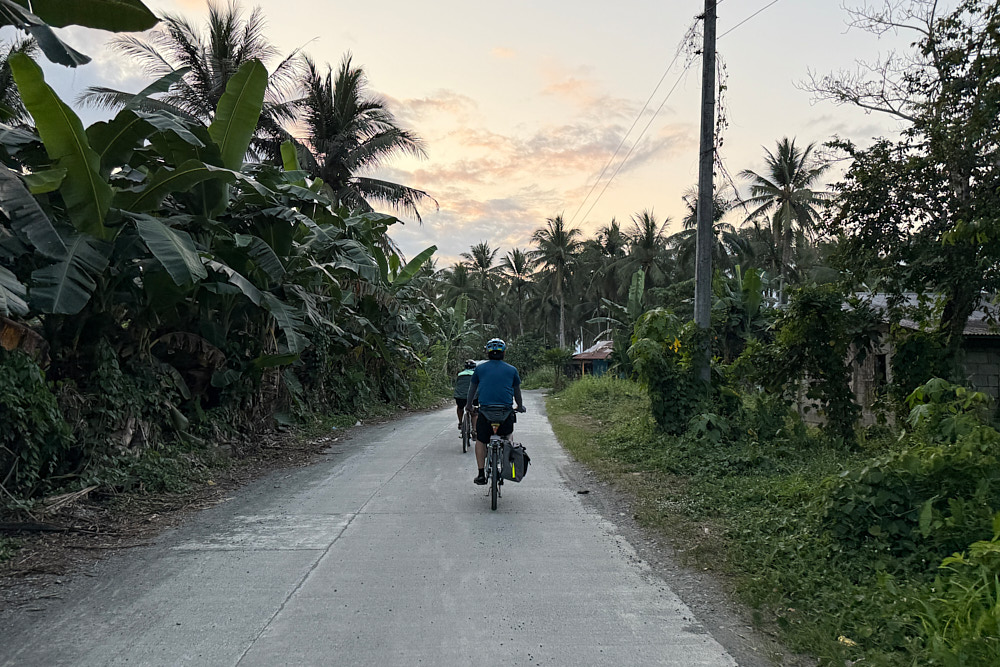
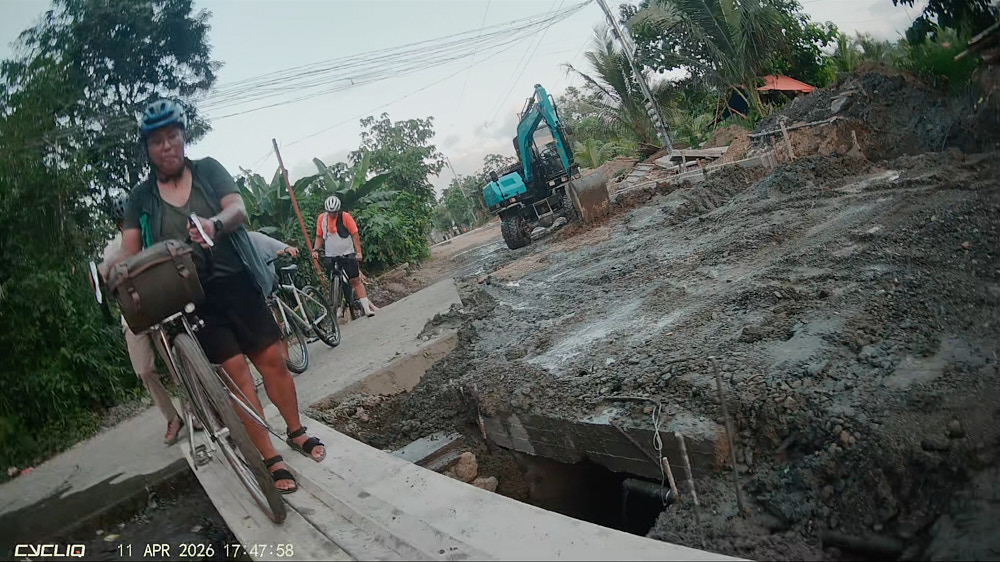
There were a bunch of hiccups as we continued making our way to the river. One of the routes passed through private property, so we had to find another way. And that ended up being a sketchy ride on a path less pedaled.
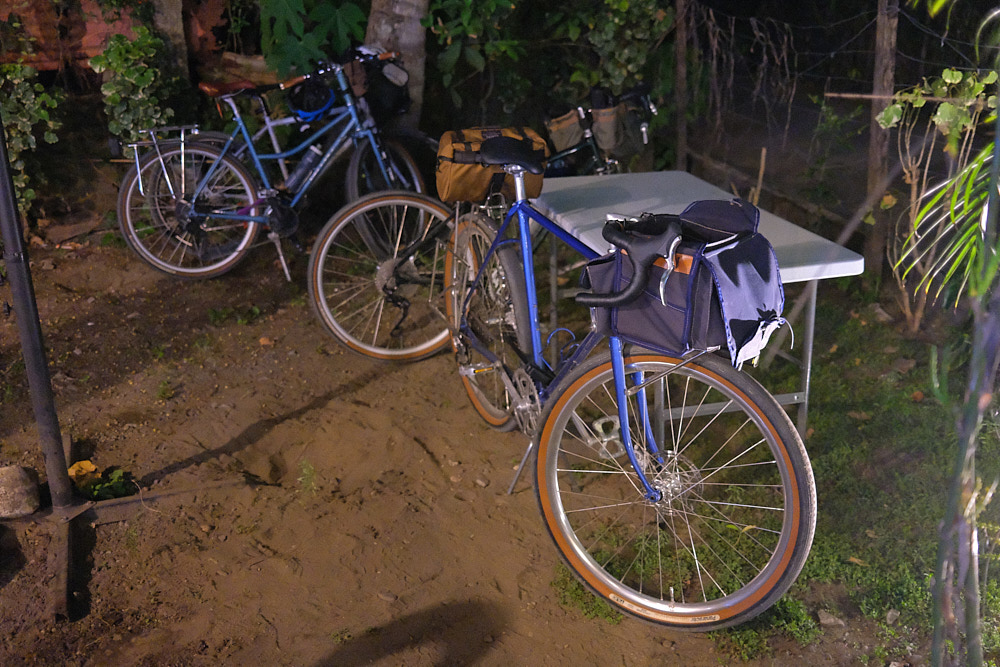
I tend to call my Bridgestone Eurasia a gravel bike, as if it were ready for anything and everything in Metro Manila and beyond. But I was mistaken to think that I could go on any terrain with my 650b-by-48mm Panaracer GravelKings.
Just because my tires are wide doesn’t mean they won’t sink on loose surfaces. Once the tires lose traction, I’m nothing more than a passenger on a bike that’s sliding around. That’s why I had to be proactive by dismounting and walking if I wasn’t confident about the grip.
When the path wasn’t a gravel trap, it was a construction site. We had to maneuver around backhoes in the middle of the way, while avoiding the debris and other obstacles on the ground.
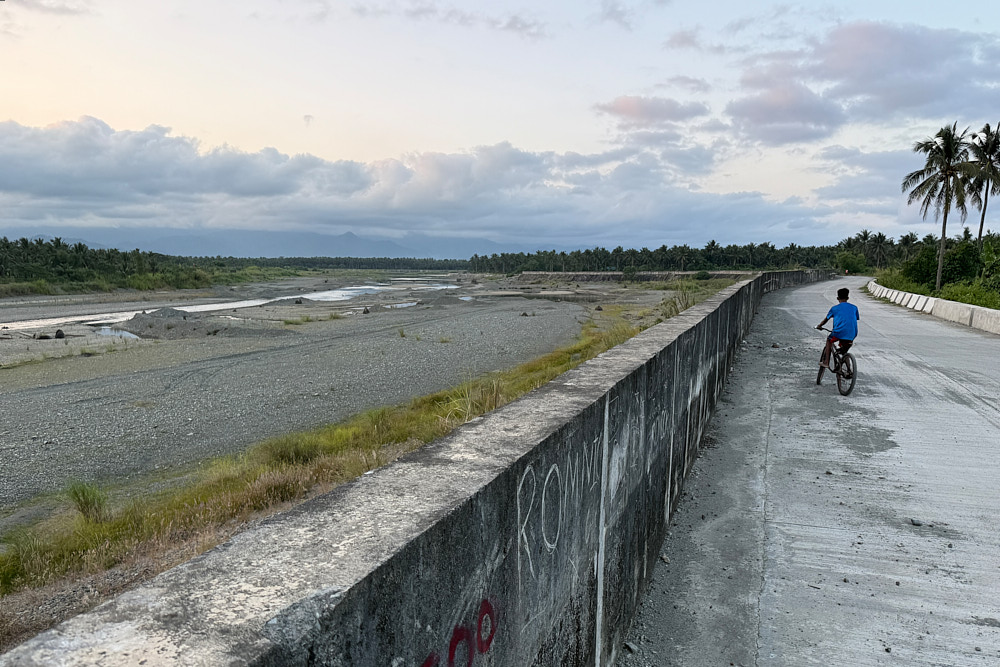
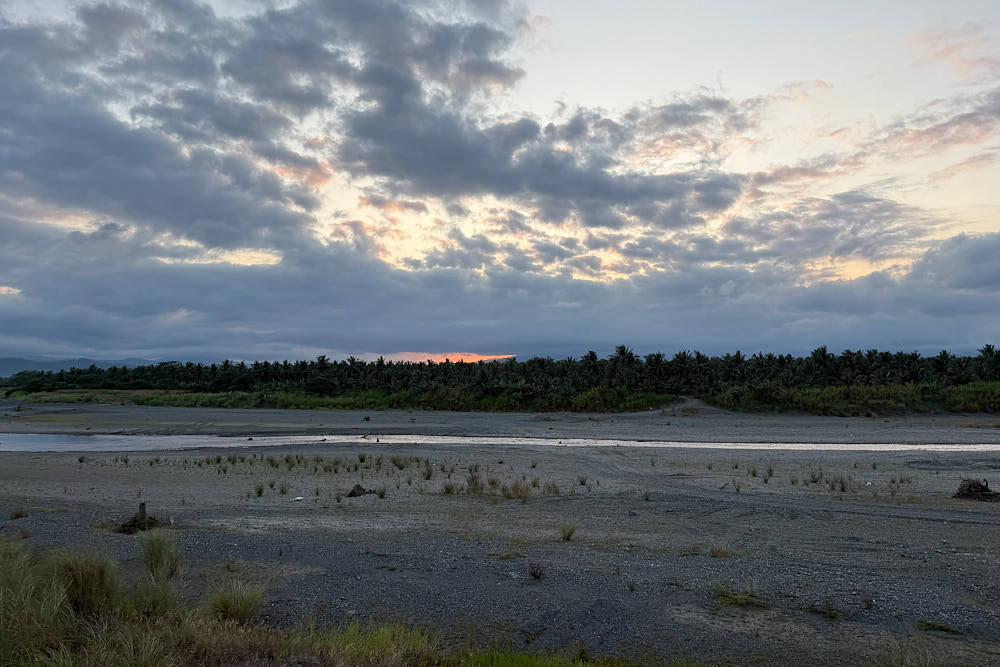
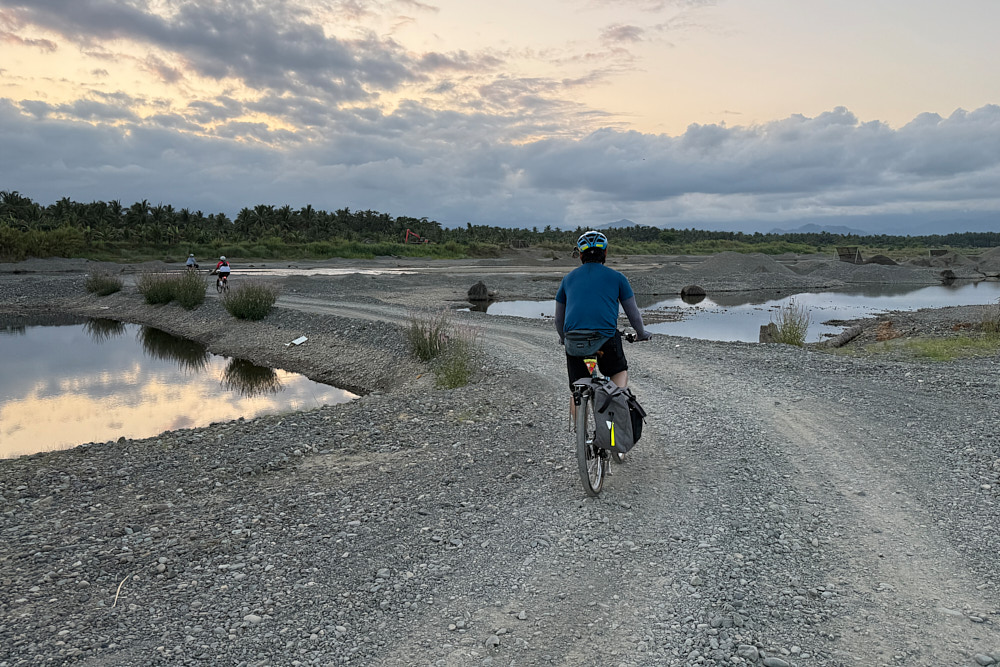
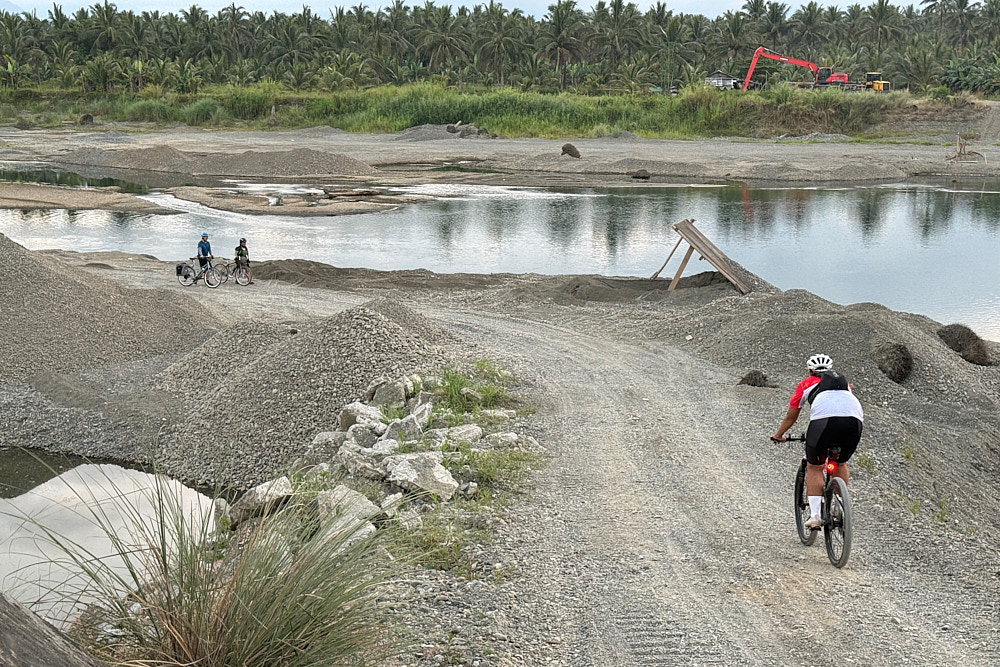
At the end of it all, we were treated to an anticlimactic view. There was a wall blocking sight of the river; the clouds obstructed the sunset; and the river looked more like a big stone garden. But that didn’t stop us from having fun.
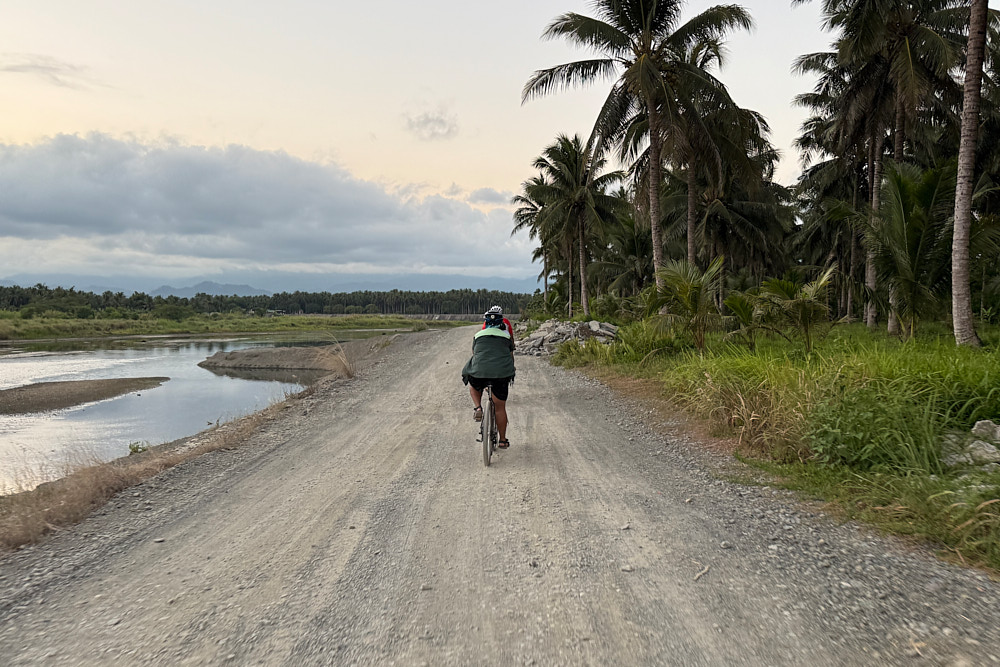
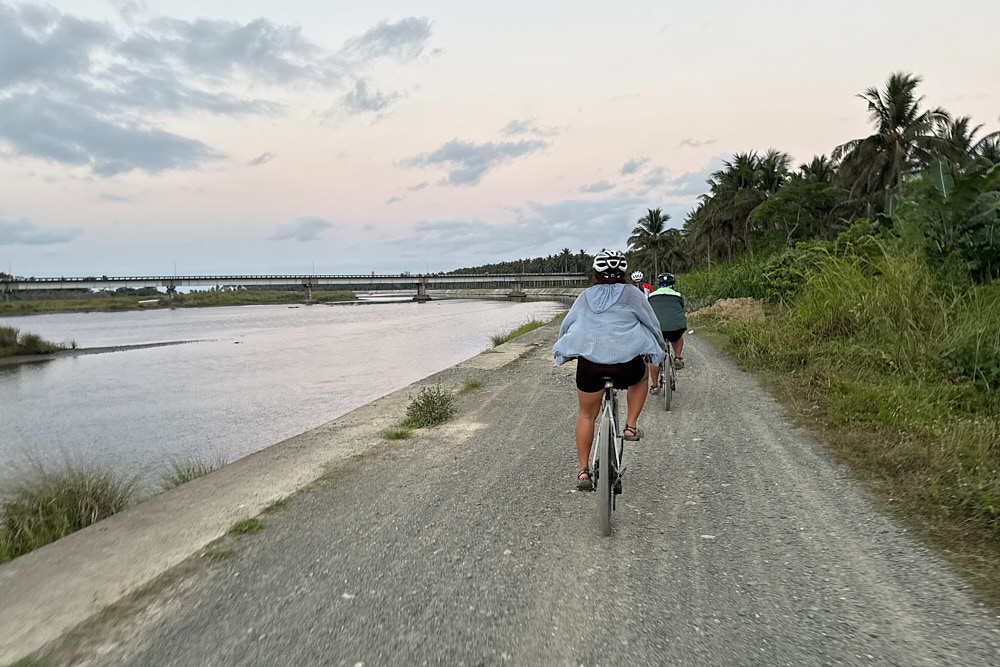
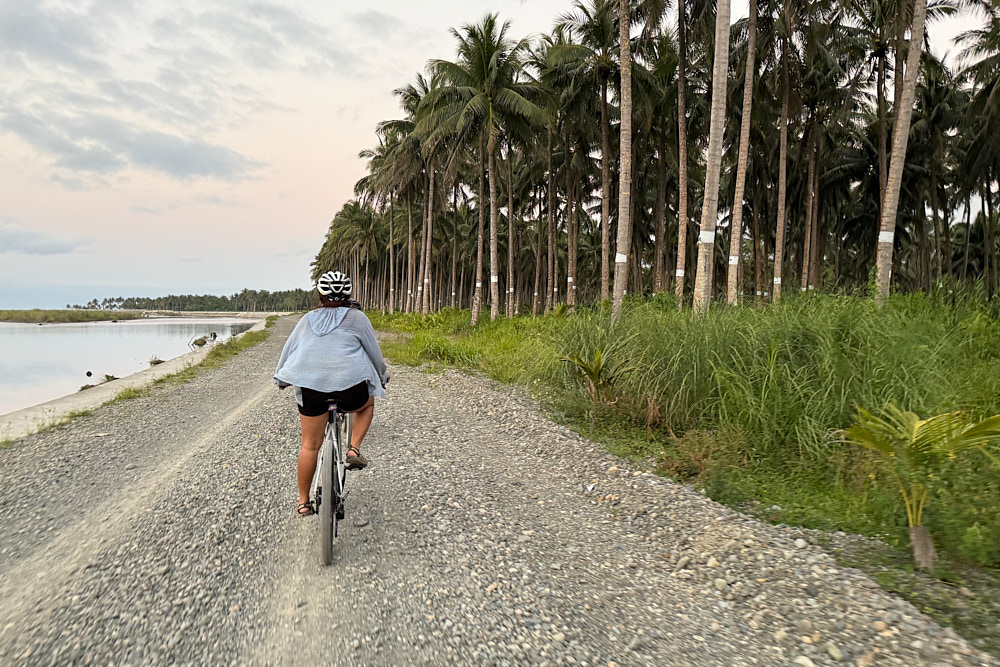
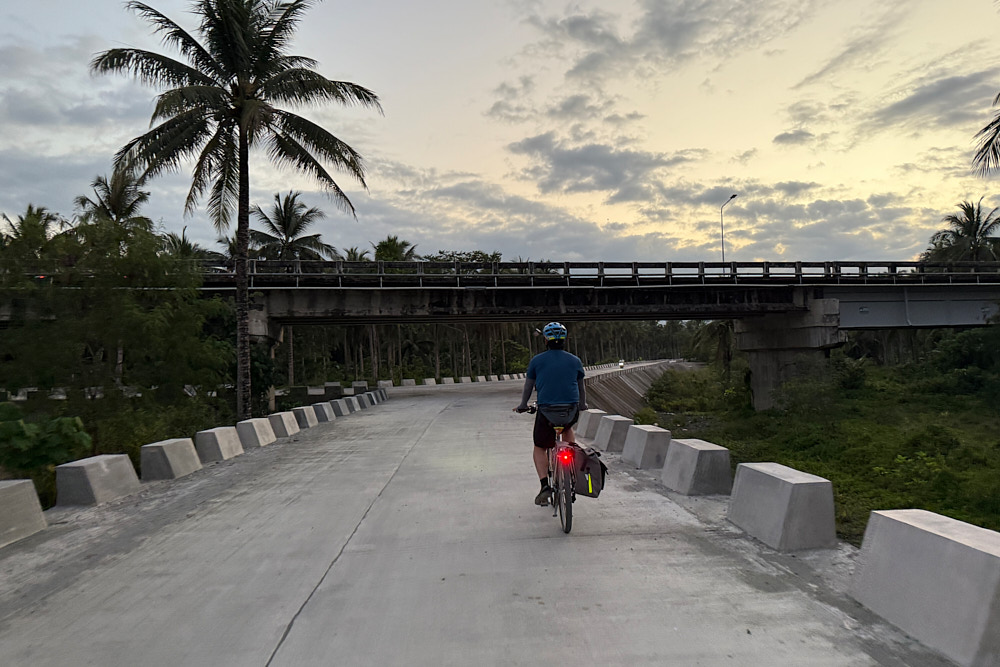
There was no turning back considering all the obstacles we had just faced, so the only option was to keep moving along the river. We had to be mindful of the terrain since the path was unpaved most of the way. After going under the Aguang Bridge, we turned right to a road that allowed us to return to the highway.
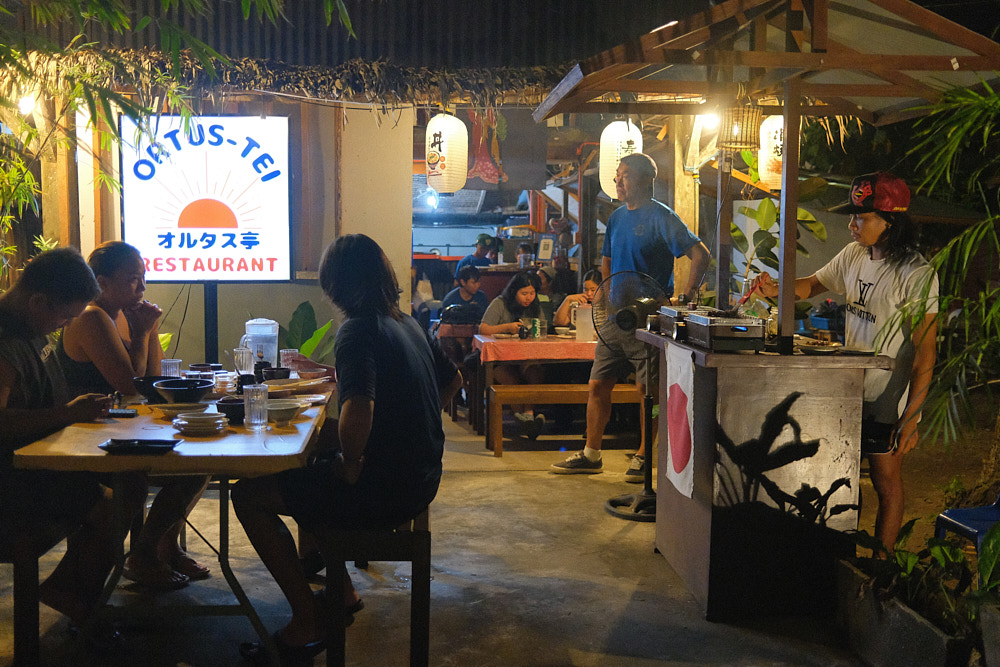
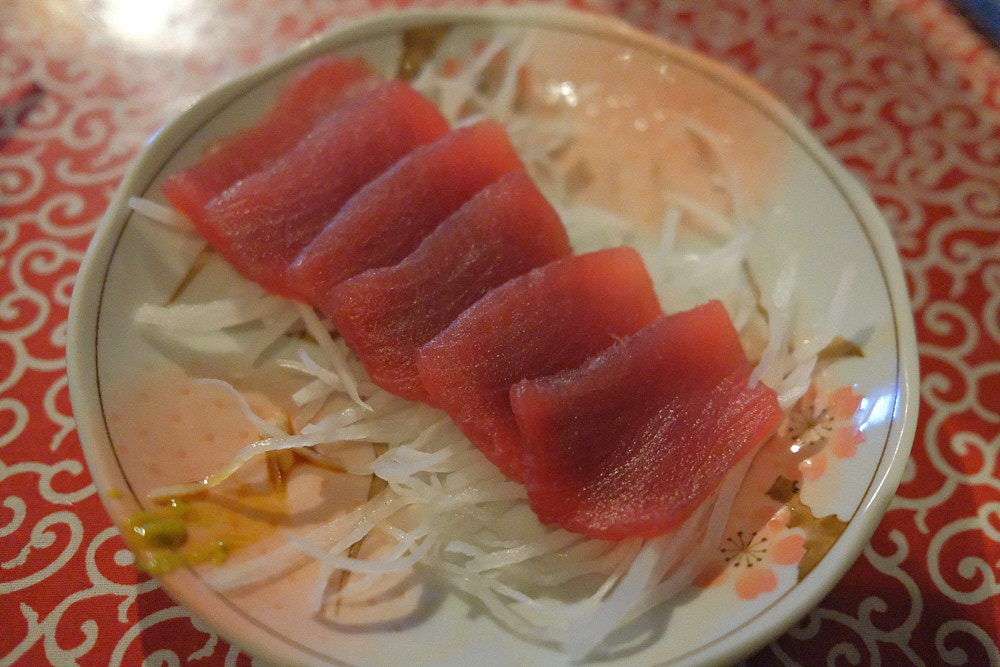
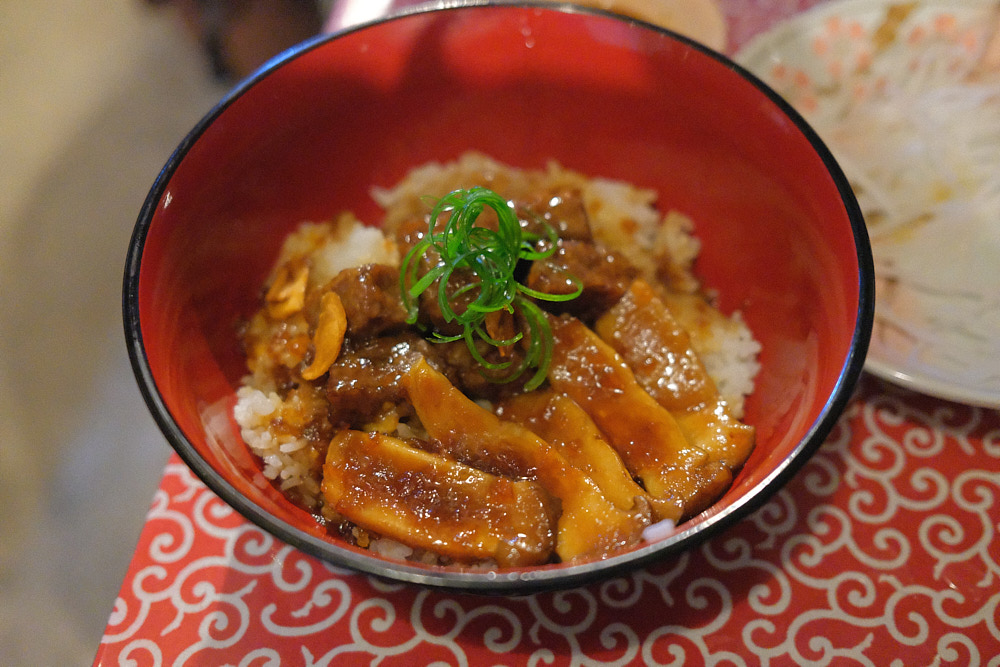
Despite the hiccups, the tour was still a success, and everyone enjoyed the ride. We had dinner at Ortus-Tei. The restaurant is owned by a Japanese man, and it gave us a slice of his country all the way in Baler. The food was okay, but this meal was the priciest one since I ordered sashimi, donburi, beer, and dessert.
Today was a long day. Although we went to the usual tourist sites, riding a bicycle made the journey special. Bike-touring isn’t about traveling as fast as possible, but riding at a leisurely and natural pace that lets you take in the sights and the fresh air.
I actually enjoyed the rides more than the actual destinations, because the changing scenery allowed me to better appreciate the simplicity of provincial life and the diversity of Baler’s geography.
My time in Baler was brief but eventful. Although I was pretty much done exploring the place, I still wanted to go for one last ride to see the sunrise before going home.


Comments