
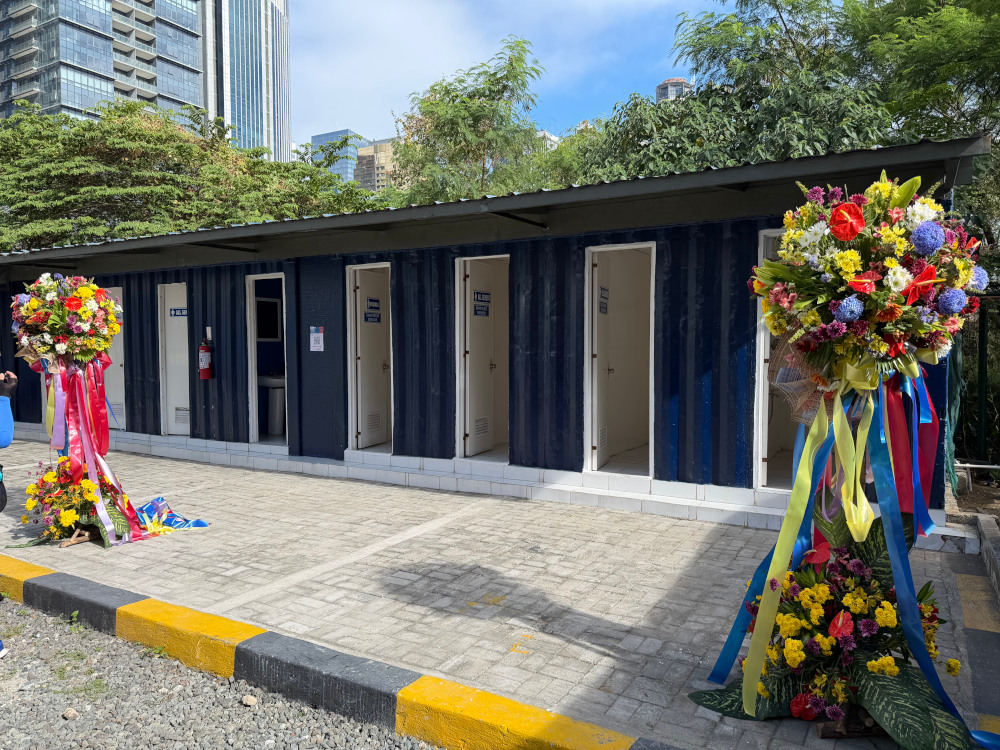
Every now and then, the government does something that actually makes sense, and when that happens, it needs to be loudly applauded. The MMDA’s bike-to-work end-of-trip shower facilities in Pasig fall squarely into that category. Opened with big fanfare, the facility now allows cyclists to freshen up before heading to work. End-of-trip facilities are a crucial part of a functioning cycling network, which is why I created Bitrago for example, but it wasn’t the facilities themselves that ruffled some feathers.
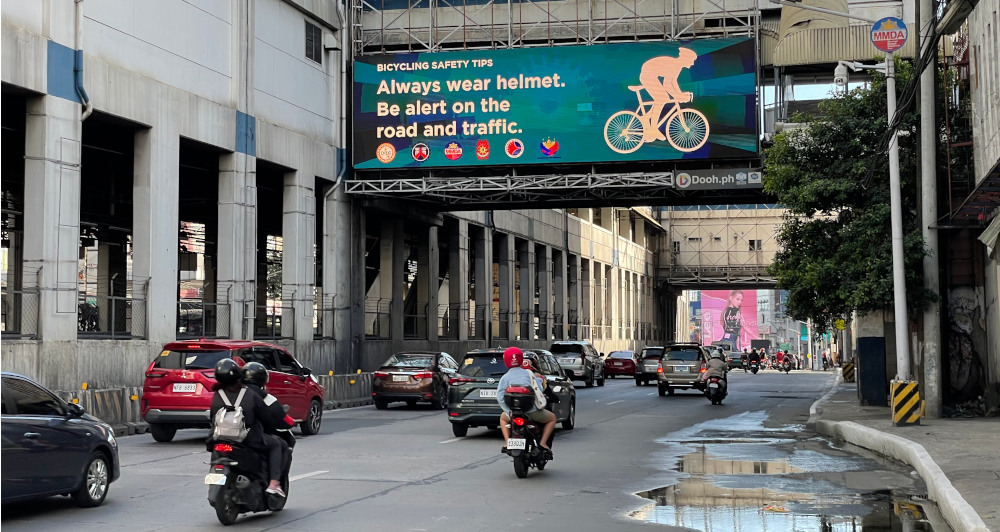
When the Metropolitan Manila Development Authority sent out its accompanying press release, it mentioned a number that quickly raised some eyebrows: According to the agency, a mere 1,700 cyclists use EDSA daily. It didn’t take long for this to be picked up by local supporters of alternative transport, and Move As One Coalition promptly issued a statement disputing the figure. In it, the group points to a far more comprehensive bike count conducted in 2024, which recorded over 7,000 cyclists in just a four-hour window along EDSA. Not a full day. Four hours.
The MMDA’s 1,700-cyclist figure, it turns out, comes from a partial count tied to usage of end-of-trip facilities in Pasig. In other words, it’s not a count of cyclists on EDSA—it’s a count of cyclists who happened to use a specific facility at a specific location. That’s a bit like counting how many people go to one Jollibee branch and concluding that’s the total number of people eating Chickenjoy in Metro Manila.
Move As One’s argument is simple: If you’re going to design transport policy, build infrastructure, and justify decisions like removing or reducing bike lanes, you need accurate data. Not convenient data. Not incomplete data. Actual, representative data. And that’s where this becomes more than just a numbers game, because numbers drive policy.
If you say only 1,700 cyclists use EDSA, it becomes much easier to argue that bike lanes are underutilized. That they’re taking up valuable road space. That maybe, just maybe, they can be scaled back (not that anyone would ever suggest such a thing). But if the real number is closer to 7,000 (or more, considering that the count was limited to a few hours), then suddenly the narrative flips. Now you’re looking at a significant volume of people choosing bicycles over cars. Now you’re talking about a legitimate transport mode that deserves protection, investment, and expansion—and that’s the crux of it.

The Philippines has already committed—at least on paper—to prioritizing pedestrians and cyclists in its transport hierarchy under the Philippine Development Plan. That’s not some activist wish list, it’s official policy. But policy without proper data is just decoration. To be fair, the MMDA deserves credit for the shower facilities. These are exactly the kinds of practical, low-cost interventions that make cycling more viable for everyday commuters. Secure bike parking, changing areas, and basic hygiene facilities remove real barriers. But here’s the thing: Infrastructure and narrative need to align.
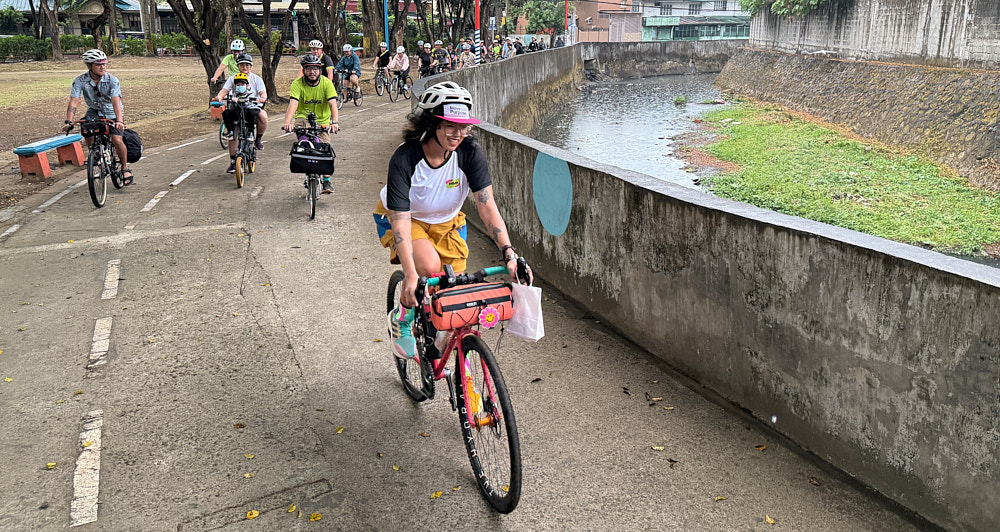
You can’t say you’re promoting cycling while simultaneously undercounting cyclists. You can’t build facilities for them and then imply there aren’t that many of them to begin with. Cyclists are already out there. In numbers. Every single day. Rain or shine. Heat or traffic apocalypse. And let’s be honest: Nobody really uses bicycles on EDSA for fun (okay, I do, but I mostly do it to find stories as well).
These are people making a choice. Often a difficult one. To avoid rising fuel costs. To beat traffic. To save time. To save money. Or simply because it’s the only viable option available to them. They deserve better than being statistically minimized. So yes, build more shower facilities. Expand them. Make them 24/7. Get private companies involved. Maybe fund Bitrago. That’s all good. But let’s make sure we get the underlying data right, because if you don’t measure something correctly, you can’t plan for it. And if you can’t plan for it, you’re not really supporting it—you’re just pretending to.
And Metro Manila deserves better than pretend solutions.






Comments