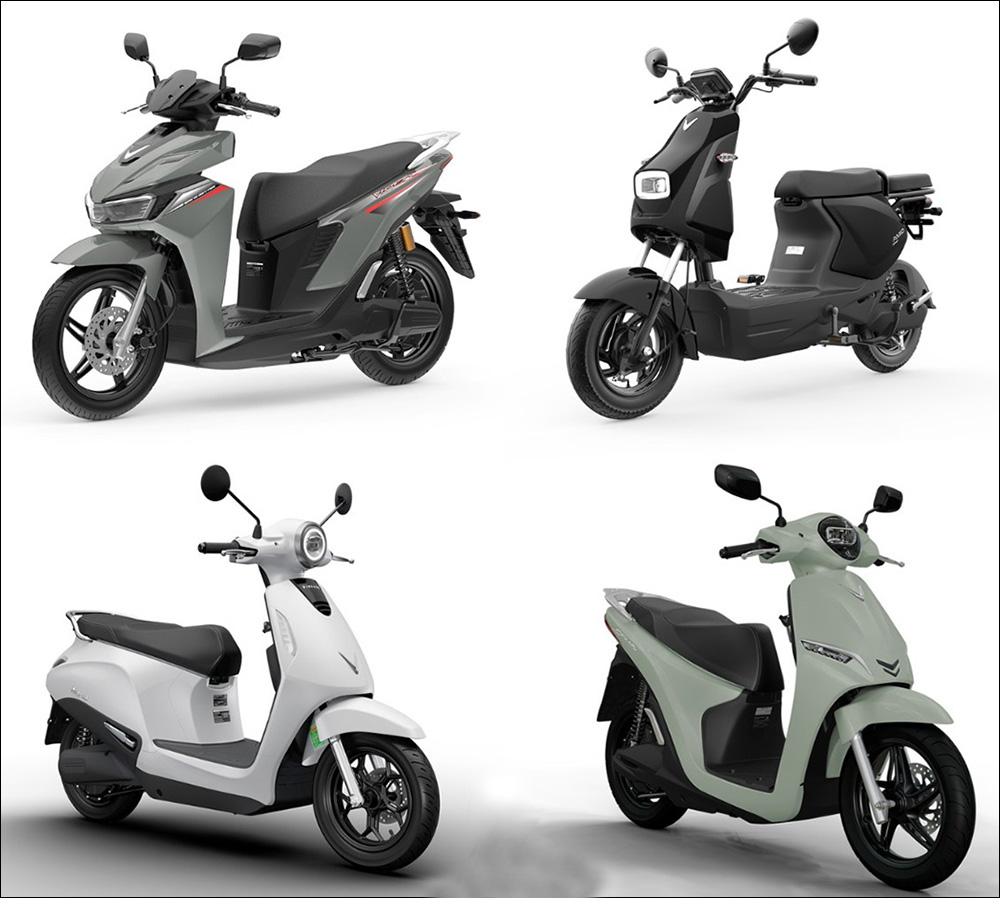

When VinFast announced that the Philippines would be one of the first five markets for its global electric scooter expansion, it didn’t just introduce new products—it quietly signaled a market experiment.
The Vietnamese EV maker plans to roll out a range of battery-swapping scooters including the Flazz, the Evo, the Feliz II, and the Viper. On paper, it sounds like a serious push: dealer networks, charging partnerships, and a broader ecosystem meant to support electrified mobility.
But the bigger question is this: Is the Philippines finally ready?
VinFast’s success in Vietnam is undeniable.
The brand has built an entire ecosystem around electric mobility—from scooters to cars—backed by battery-swapping infrastructure and aggressive pricing. In 2025 alone, the company delivered more than 400,000 e-scooters in its home market, a number that shows how deep electrification has already taken root there.
The Philippines, however, is a different story.

Not long ago, another electric scooter pioneer attempted the same mission. When Gogoro entered the country, it carried the same promise: smart scooters, battery-swapping, and a cleaner urban transport future. But the reality on the ground proved tougher than expected.
High product costs, range anxiety, and the resistance to lifestyle change kept adoption limited. Filipino riders—especially in Metro Manila—still gravitate toward familiar Japanese scooters that are affordable, reliable, and easy to refuel in minutes.
Even Honda itself has been cautious. The company introduced the EM1 e: locally, but the move felt more like testing the waters rather than a full-scale push. After all, an electric scooter sitting beside a best-selling gasoline model creates an awkward internal competition.
VinFast now takes its turn.
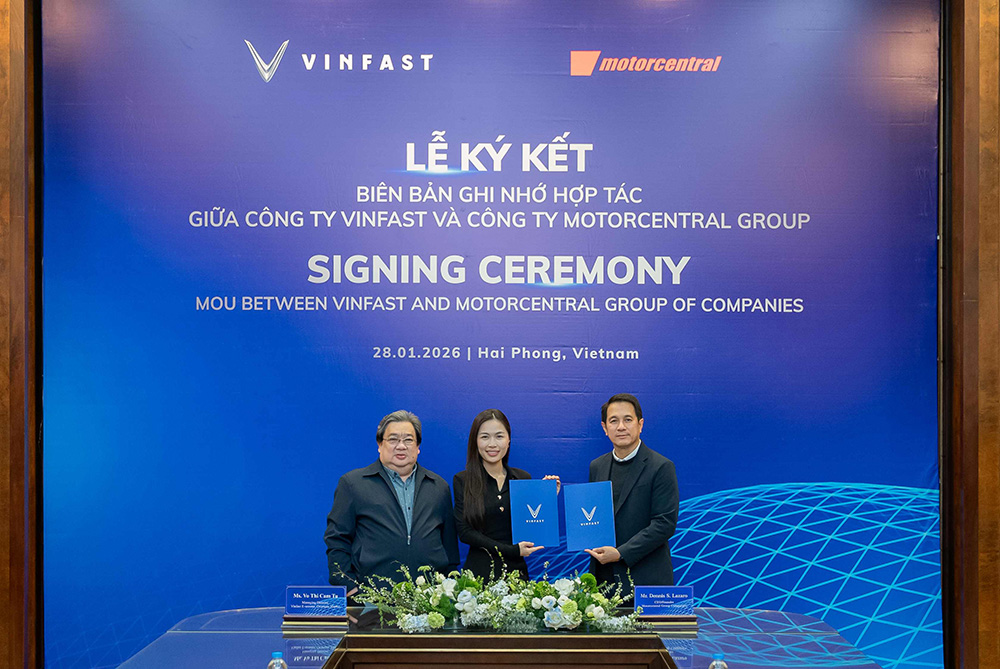
Timing may also play a role. With global tensions pushing fuel prices upward and cities becoming more conscious about emissions, the idea of electric commuting is starting to sound less like a novelty and more like a practical alternative.
But culture remains the biggest hurdle.
For many Filipinos, motorcycles—especially scooters—are more than just transportation. They’re part of daily routine, community, and habit.
Electric scooters challenge all of that.
Breaking the Philippine ICE (internal-combustion engine) market might feel less like launching a new product and more like converting people to a new belief system.
If VinFast can match the cost of entry-level scooters with its e-bikes, then it might just stand a fighting chance.
Many companies have already tried putting their foot in the door—only to have it slammed shut, leaving them stuck with just a toe inside.

Comments