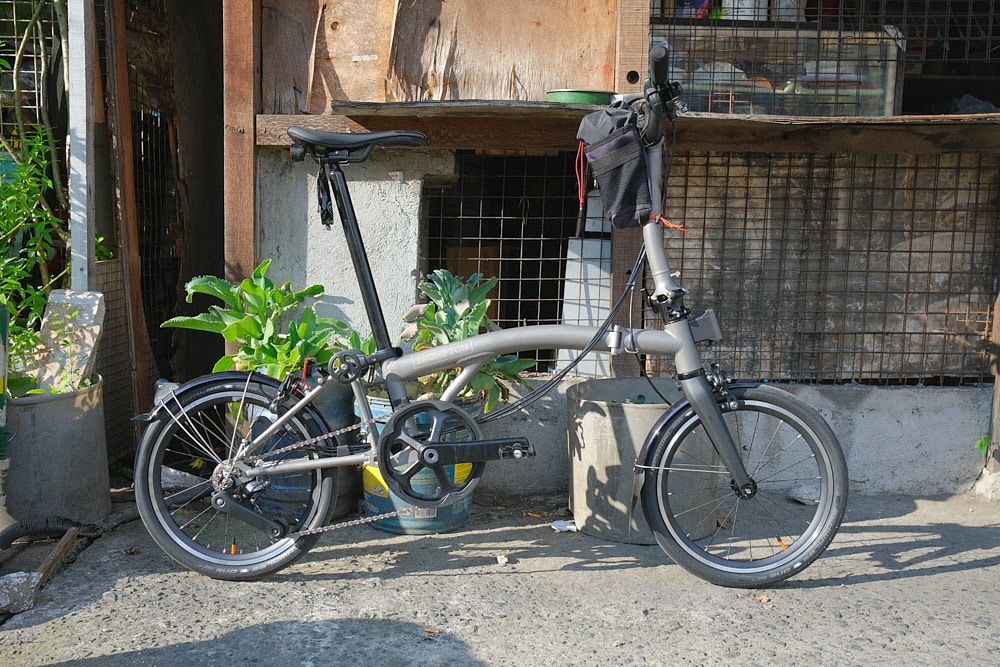

How light can a Brompton get? To answer this question, the British manufacturer came up with the T Line. I remember visiting Bikeary Bicycle Lifestyle on the day when one unit of this rare model arrived.
Lo and behold, my friend (who owns a G Line) bought it not long after. He was kind enough to let me try his T Line, so I got to experience this holy grail of a bike. It’s wonderful. However, marginal gains come at an exponential cost.
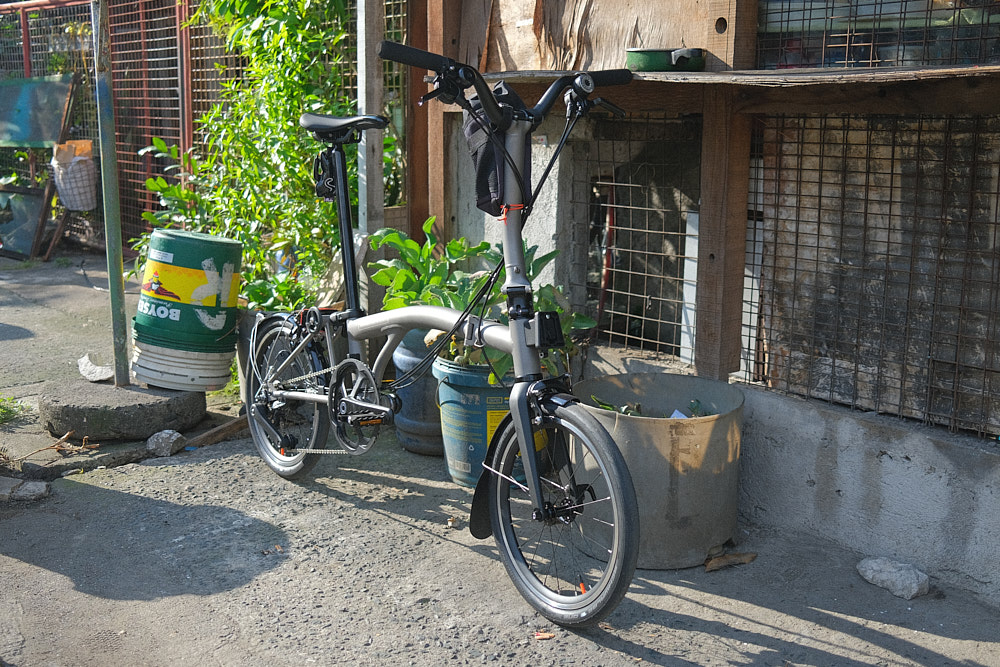
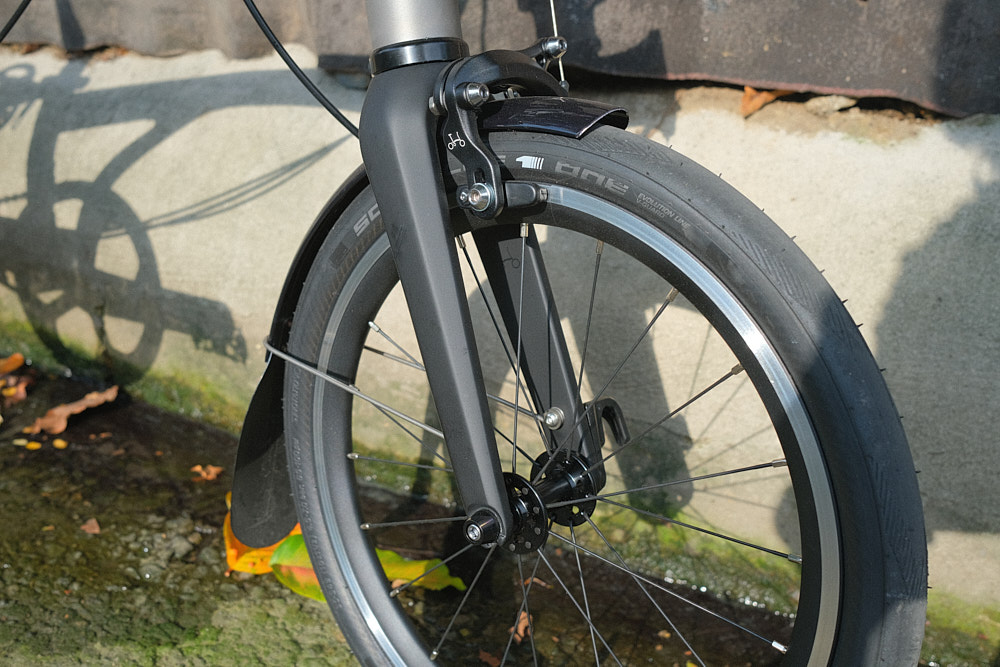
The highlight of the Brompton T Line is its frame construction. Titanium is sort of a wonder material, being lighter than aluminum and not as delicate as carbon fiber.
Combine this with carbon components such as the fork, the crank, and the saddle, and you get a folding bike that’s as light as 7.45kg for the single-speed variant.
The 12-speed gearing bumps up the weight to 8.8kg, according to the spec sheet. For comparison, the four-speed P Line I previously reviewed is said to weigh 10kg.
Does the difference matter in the real world, though?
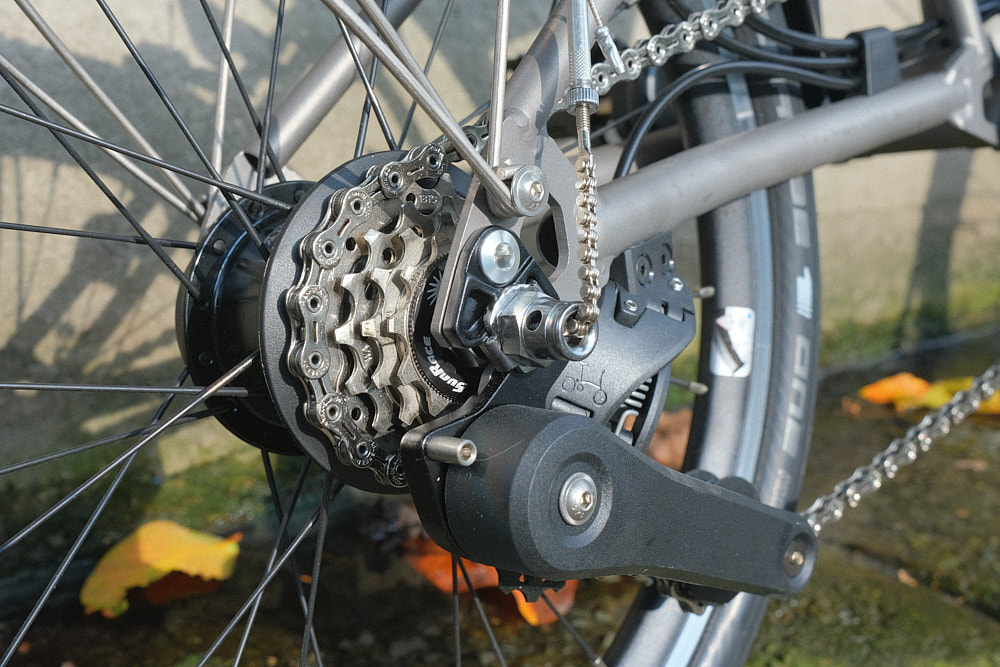
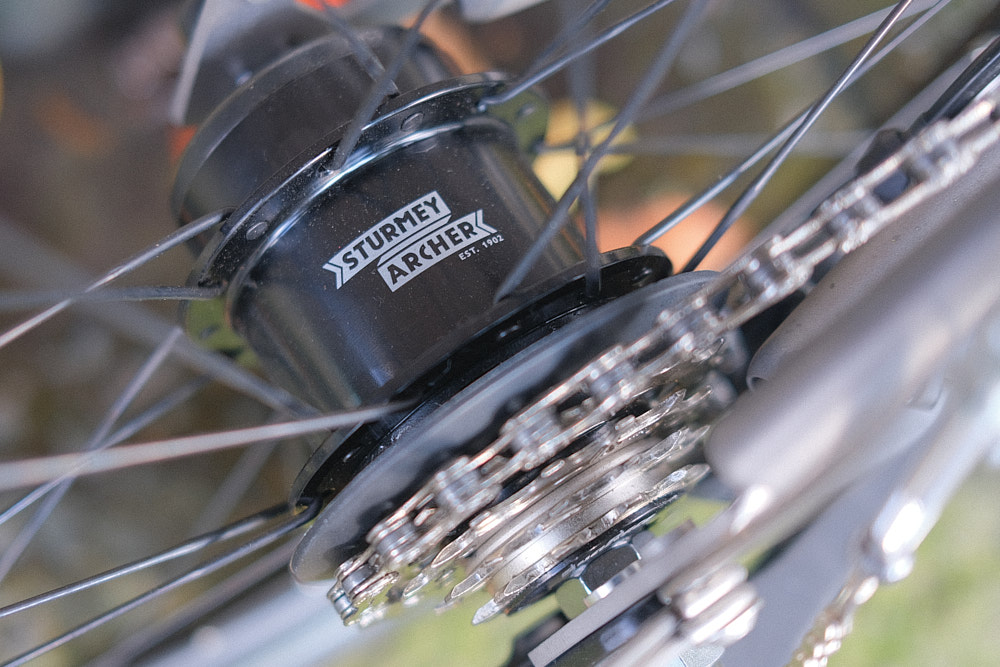
There’s more to a bicycle’s handling than weight. And in the case of my friend’s T Line, what stood out the most to me was the 12-speed drivetrain.
This doesn’t mean there are 12 individual gears to choose from. Rather, there are a total of 12 combinations, which may have overlapping ratios.
The three-speed Sturmey Archer internal gear hub functions like your Low, Medium, and High settings with a rather wide spread. Meanwhile, your cadence is fine-tuned by shifting through the four-speed 11-18T cassette.
Personally, I don’t mind the added weight because this gives me more flexibility when biking in hilly areas such as my neighborhood in Kapitolyo.
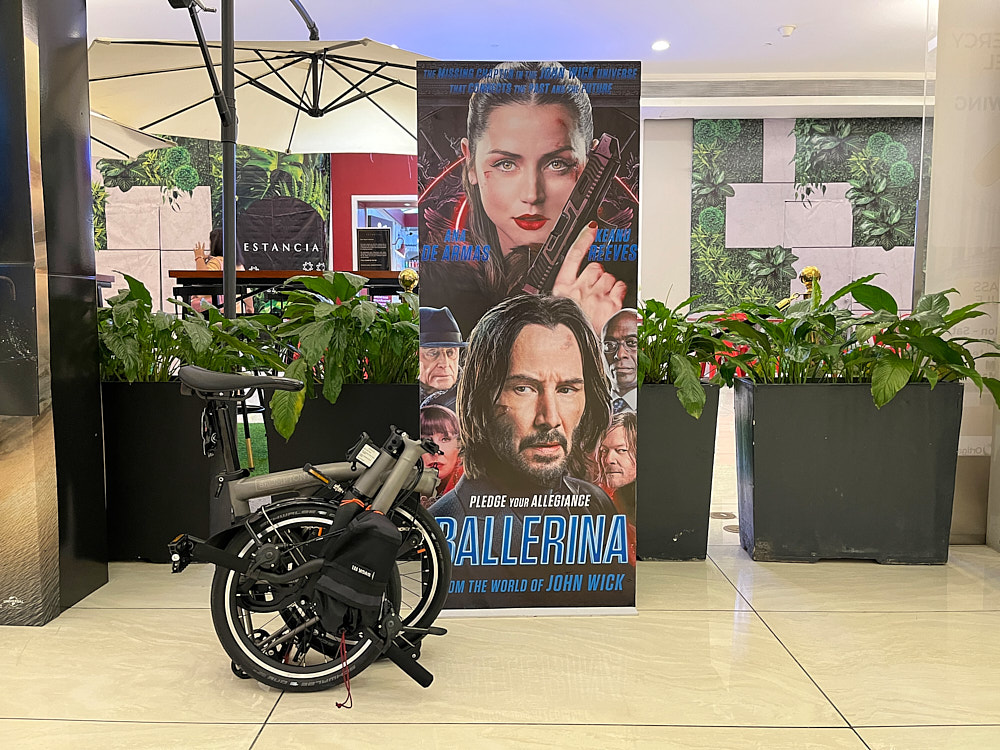
One evening, I decided to pass by Estancia on a whim to purchase a movie ticket. After folding the T Line and going inside, I noticed that rolling it was a hassle without a rear rack.
So I ended up carrying the folded bike from the mall entrance all the way to the counter on the fourth floor. That’s not the most convenient method of transporting the bike. But the fact that I didn’t break a sweat says a lot about the T Line’s lightness.
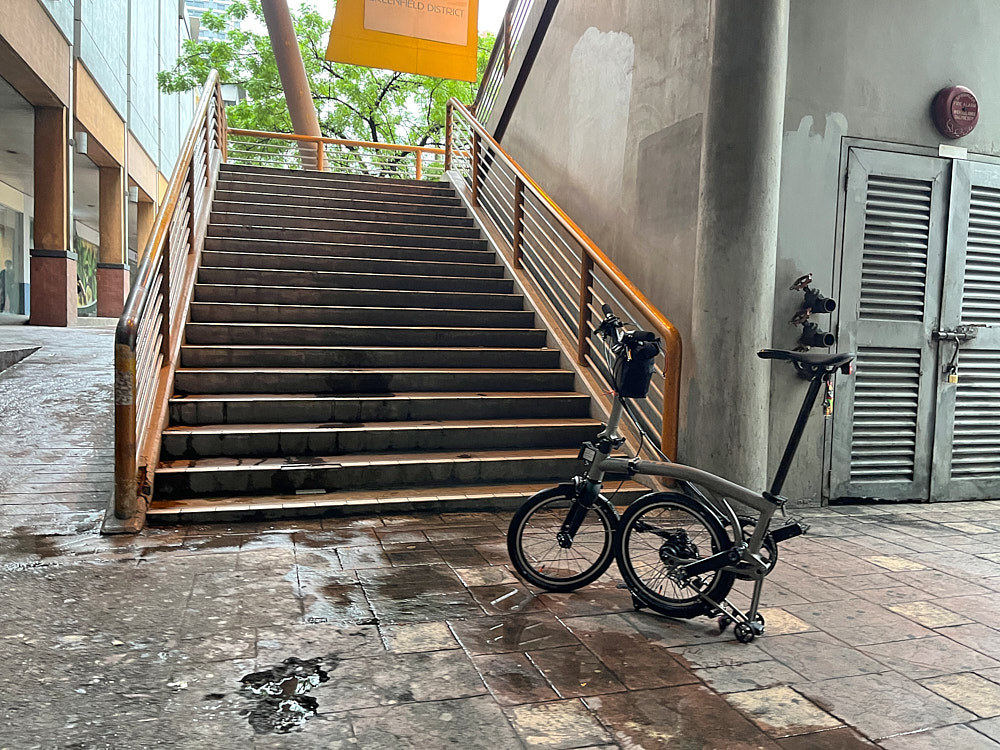
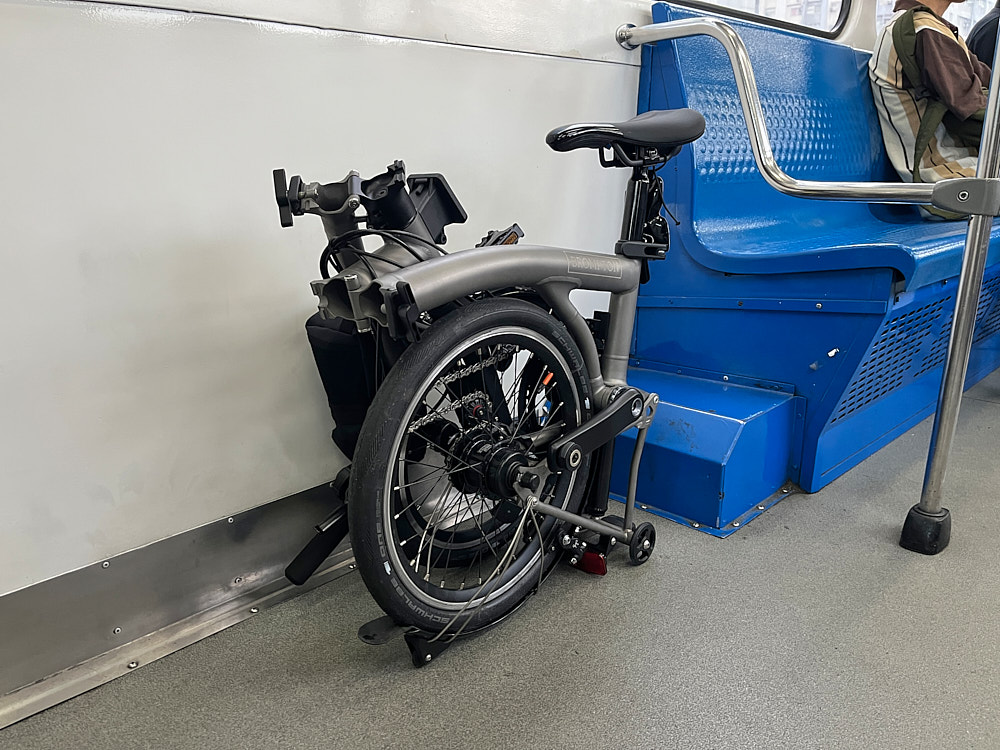
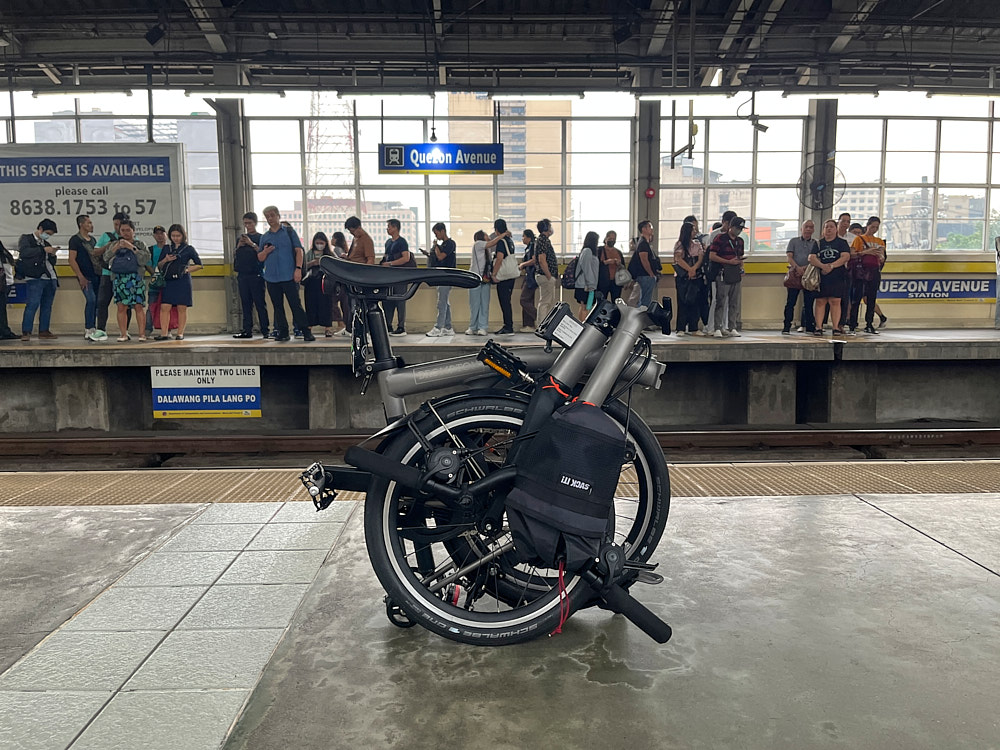
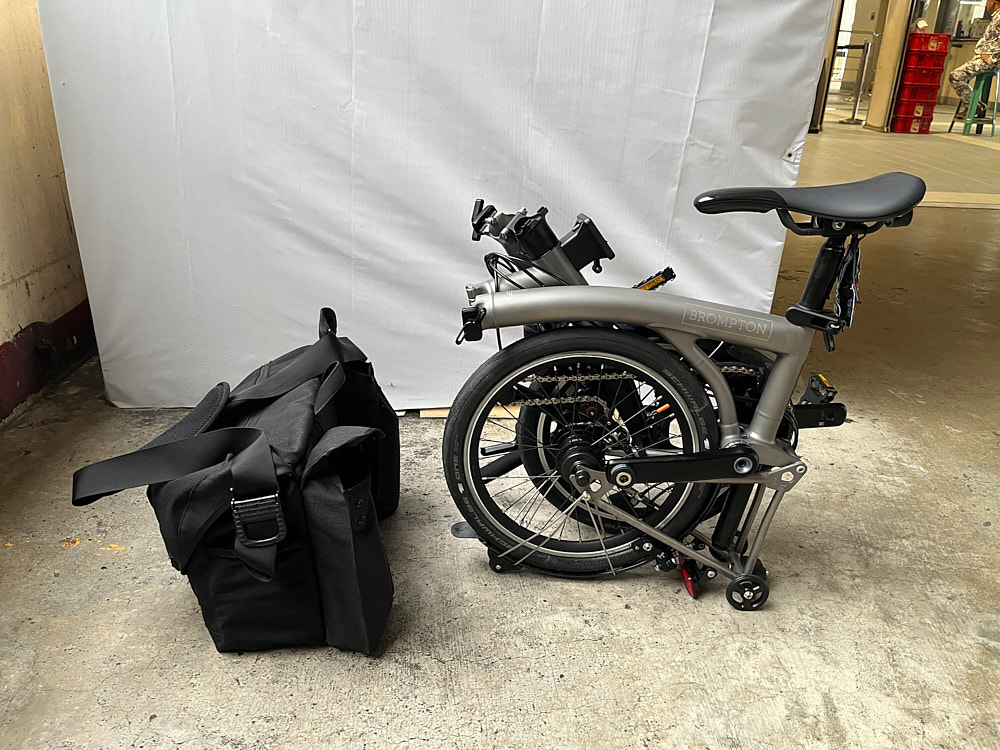
Whether you’d like to put a rear rack or not depends on your use case. If you’re not going to roll the T Line inside establishments and transit stations, then the additional weight might not be worth it. A kickstand would be nice, though.
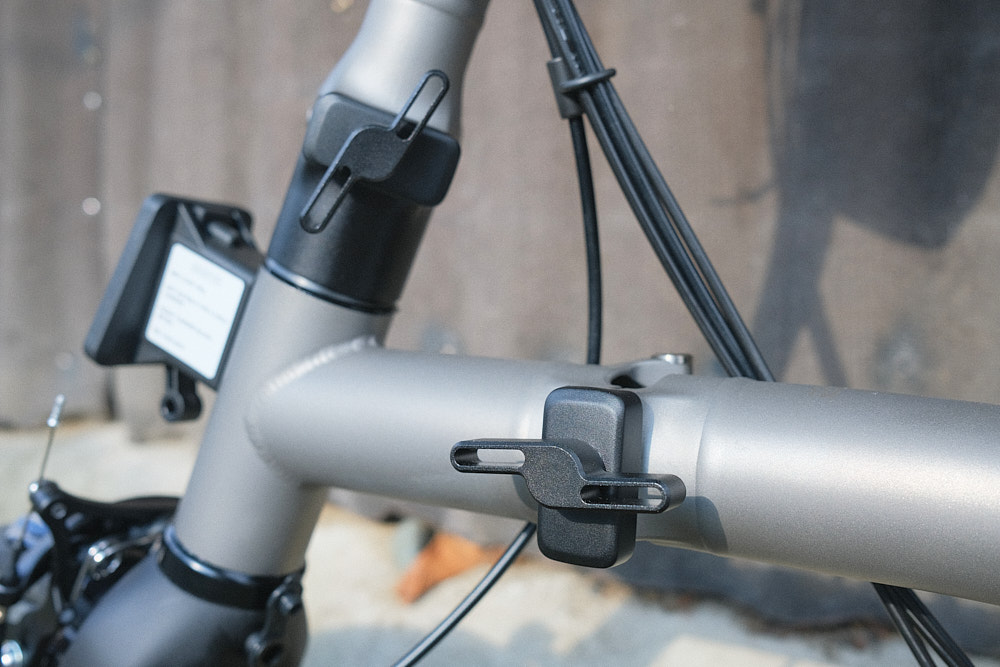
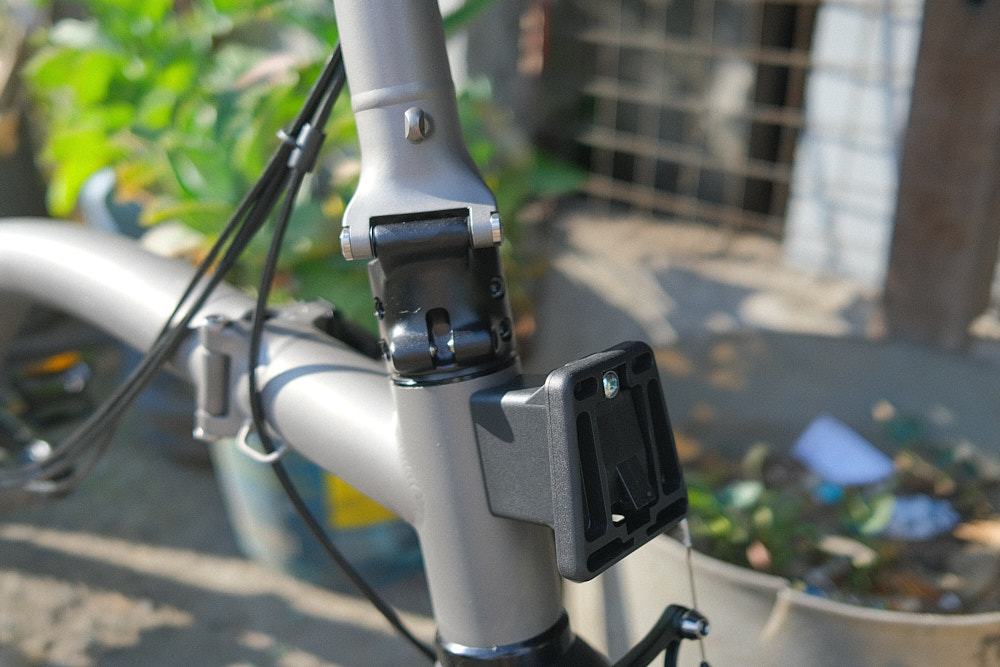
Also, whatever lightness the T Line has can be negated the moment you load it with cargo such as gadgets and clothes. The weight balance could easily shift forward if you attach a heavy bag via the front carrier block.
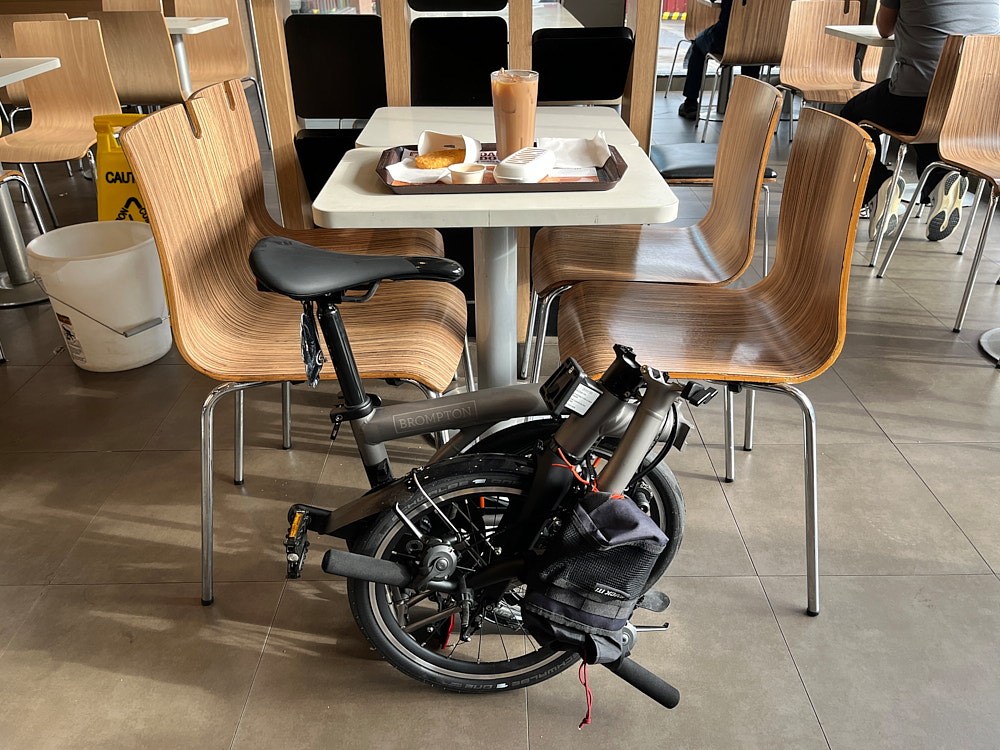
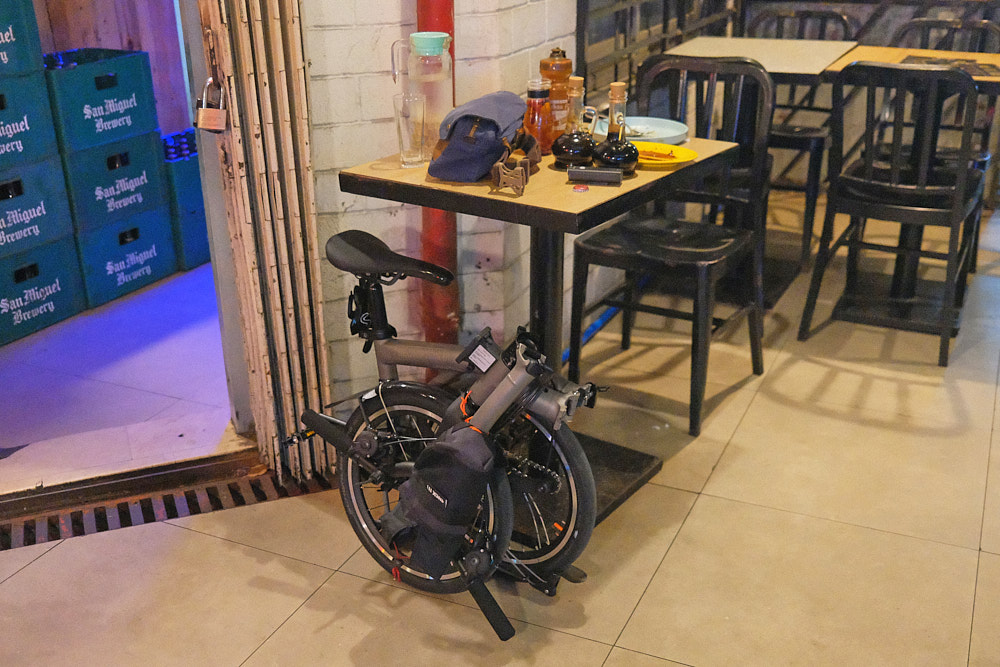
Parking is no problem since you can easily fold and bring the T Line with you wherever you go. This is by far the most convenient folding bike for riding the MRT. However, the question is how comfortable you’d feel leaving it unattended in public places if you knew its price.
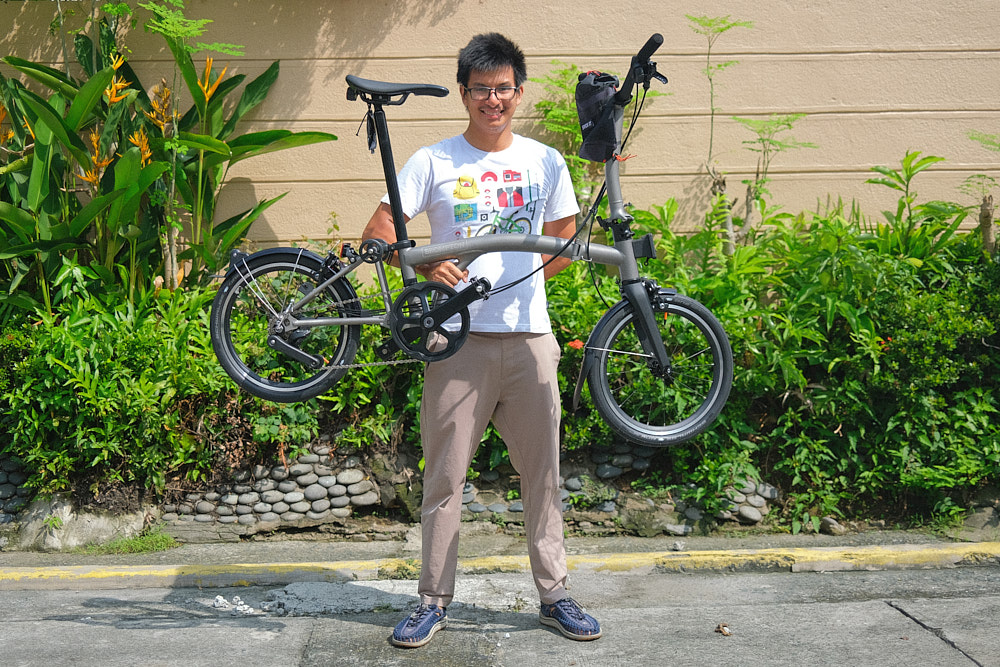
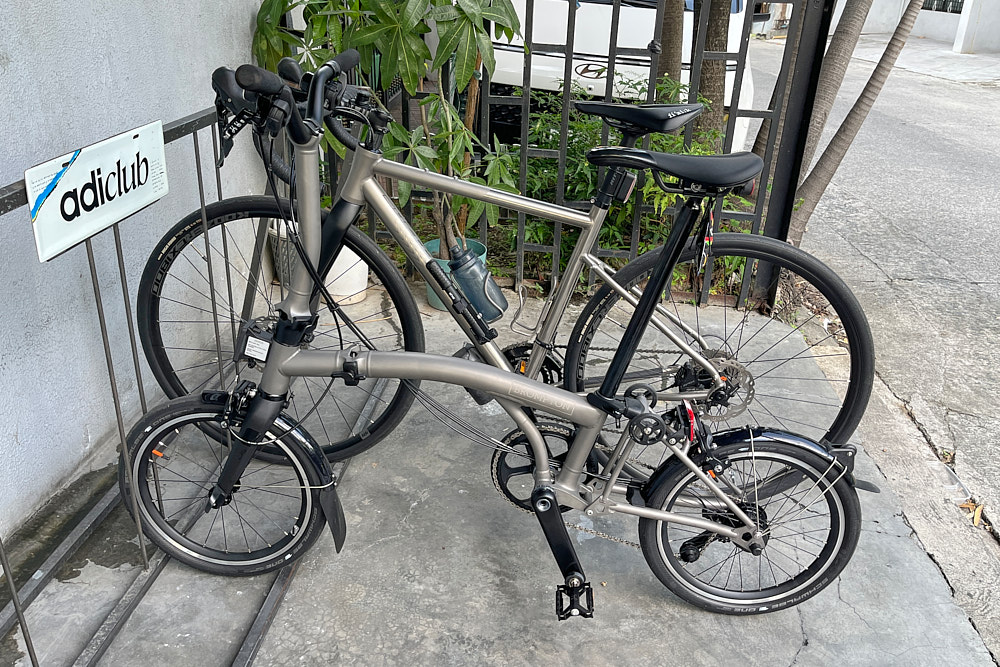
As someone who has tried every model in Brompton’s lineup at this point, here’s my verdict on the T Line: It’s a nice folding bike, as all Bromptons are. But whatever weight savings you gain from the titanium frame are more than compensated for by the heavy price jump.
The C Line starts at around P90,000, being a solid entry point for Bromptons. Those who are just as conscious about weight as they are about the budget would appreciate the P Line, which goes for roughly P150,000.
The 12-speed T Line tops it all with an SRP of P312,000. It didn’t feel significantly lighter than the P Line. However, it costs nearly as much as my secondhand Toyota Wigo.
Given the horrible traffic, the expensive fuel, and the scarce parking in Metro Manila, I’d gladly take the titanium folding bike over my hatchback in a heartbeat—if I had to choose between only those two for my daily driver in the city.
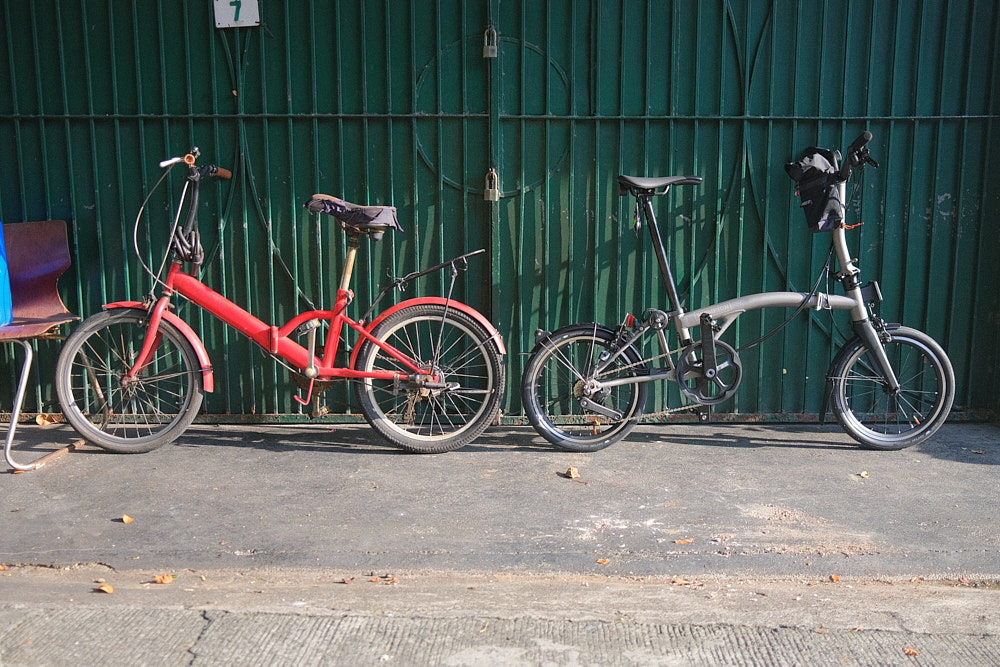
Thankfully, there are many choices for folding bicycles. And you don’t need to spend much to reap the benefits of bike-commuting. However, if you’re capable and willing to pay for the cream of the crop, you won’t regret the Brompton T Line.



Comments