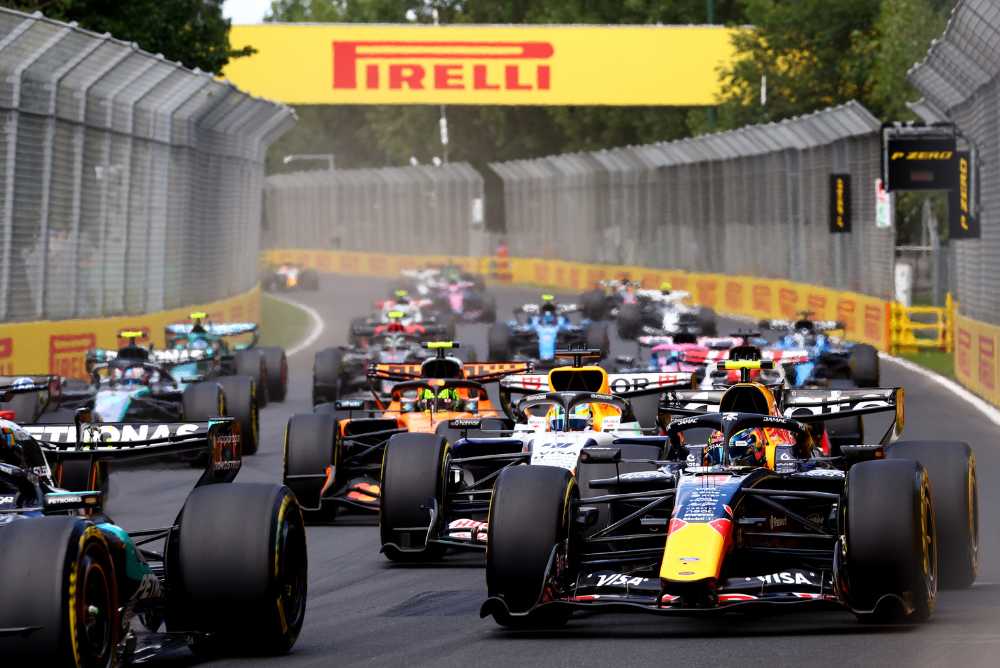

Welcome to Talking Points, of which there will be a lot of this 2026 season—with the biggest technical rules revamp the sport has ever seen.
Unknowns and anticipation over the winter felt pretty long. And here we are, 91 days later, for the first race of 2026.
Here are five talking points from the Australian Grand Prix.
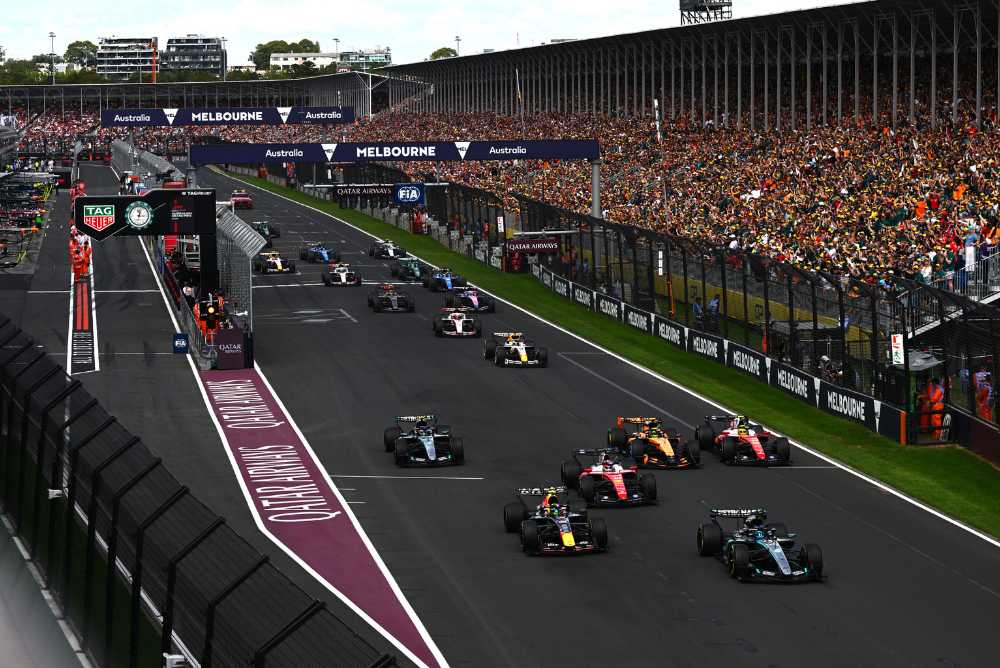
1. The new start procedure will make or break the drivers’ race. Gone is the motor generator unit-heat (MGU-H) to make the cars lighter and smaller. The MGU-H could be used to spool the turbo, and with its removal, the turbo now requires exhaust gases from the ICE. So it now takes longer, and another thing drivers will have to manage.
Once the final car has taken its place on the grid, drivers will receive a five-second warning to build the revs before the first starting light flashes.
Drivers will either get a quick launch or bog down. Charles Leclerc (Ferrari) had a great start from P4 to the lead, Lewis Hamilton (Ferrari) from seventh to third, and Arvid Lindblad (Racing Bulls) from ninth to fifth. Liam Lawson (Racing Bulls), meanwhile, was one whose race went backward—from P8 to 17th.
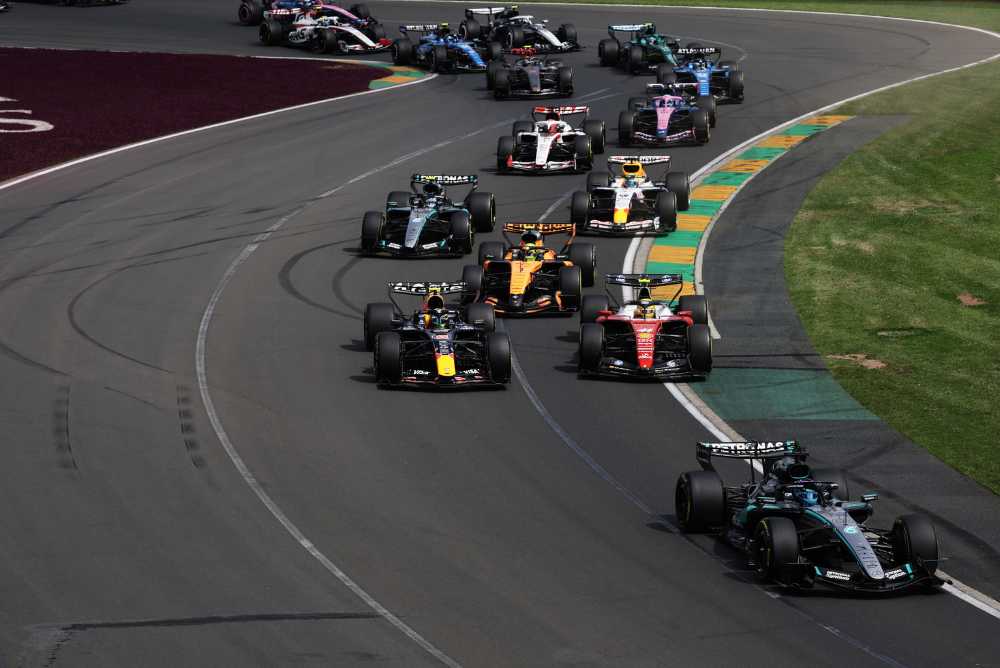
2. Boost, deploy, recharge. You’ll hear these three words over the season, and it’s a different way of racing now, with the drivers having to figure out how to use their cars’ energy the best way possible.
Margins, too, will be at times weird for those watching. In Practice 1, for instance, Max Verstappen (Red Bull) was down by 0.768 of a second, only to gain back time and finish in the top three with his race simulation run.
Audi team principal Jonathan Wheatley shared post-race that Gabriel Bortoleto (Audi) felt tired mentally and physically, having to judge when to use the power correctly.
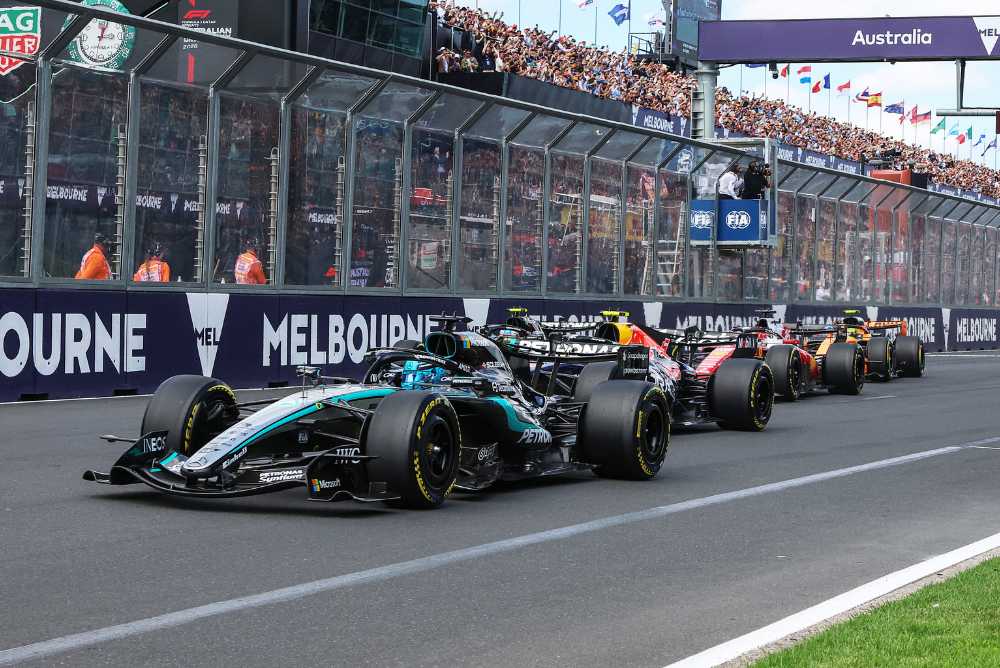
3. Preseason favorites showed why they were preseason favorites. There was a lot of talk about Mercedes getting the best out of its engine, even figuring out a loophole with compression ratios. On top of that, however, the team seems to have understood this 50-50 power split between the engine and the motor generator unit-kinetic (MGU-K) the most.
George Russell (Mercedes) took pole, while teammate Kimi Antonelli (Mercedes) made it a Mercedes front row.
A lot of overtaking for the lead between Russell and Leclerc. If that’s an indication of what racing is going to be like this year, bring it on.
It wasn’t the cleanest of starts for Antonelli, but he kept his cool and clawed back those places.
The Mercedes duo pitted early (taking advantage of a Virtual Safety Car), then decided to do a one-stop, clearing a 1-2 finish ahead of Leclerc and a chasing Hamilton.
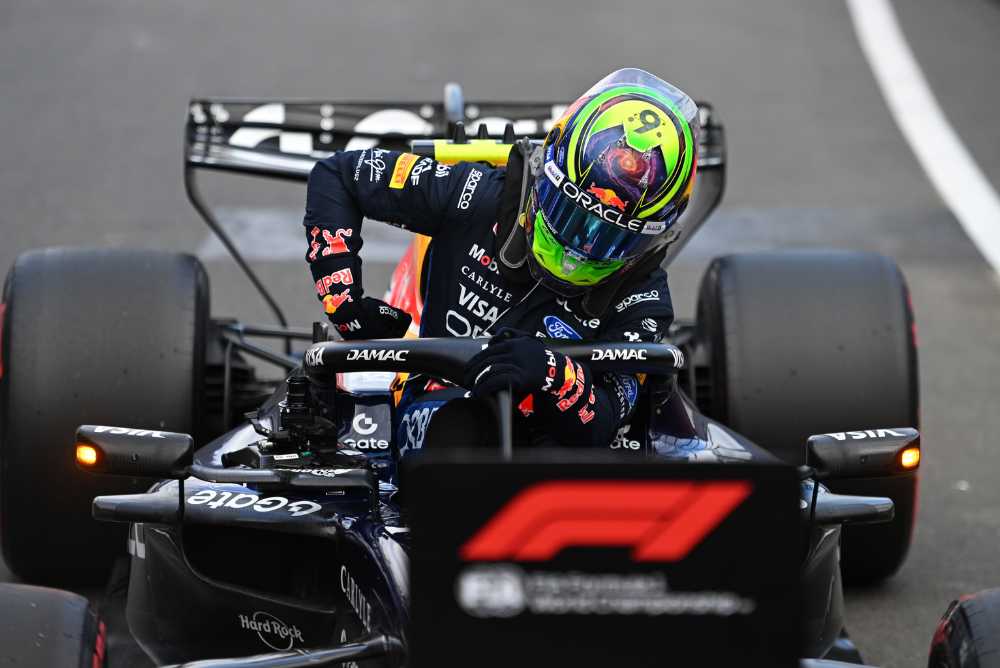
4. Isack Hadjar and Arvid Lindblad are two drivers to watch. Coming into 2026, we always thought Hadjar (Red Bull) was going to be in a good place to shine.
Gone is that ill-handling second Red Bull Racing for a totally different race car, and the toxic atmosphere with RBR adviser Helmut Marko no longer in the garage.
Hadjar showed what he could do, qualifying in the top three. Australia continued to be cruel to him, however, retiring just 11 laps in.
Another one to watch is rookie Lindblad, who qualified P9.
As mentioned, he had a good launch and ran as high as fifth. The best part? He offered some hard racing with Verstappen before being overtaken for sixth, showing that he’s not to be intimidated by the four-time champ.
Lindblad further demonstrated hard racing with Ollie Bearman (Haas) fighting for seventh, but the Haas got the better of the Racing Bulls. Still, P8 and points on his debut.
Keep an eye on these two RBR-stable drivers.
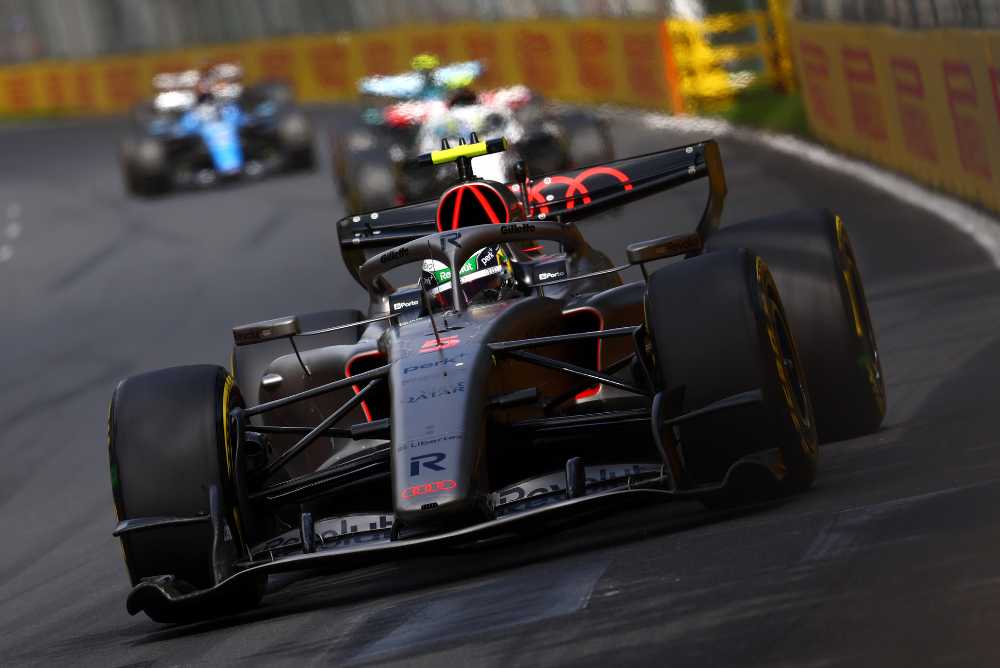
5. Points on debut for Audi. During preseason testing, it was clear Audi was minding its own business and running its own program (even switching to a unique-looking sidepod and sticking to it for the start of the season).
Testing reflected decent lap times, oftentimes suggesting that the newcomers could be at the top of the midfield.
Come race weekend, Bortoletto qualified P10, and in the end, finished P9 and took home Audi’s first points.
Mixed fortunes, however, as Nico Hulkenberg (Audi) failed to start the race due to a technical issue (his car lost all telemetry data).
Comments