
Angat Dam remains at critically low levels, raising growing concerns about an increasingly constrained raw water supply as El Niño conditions persist and their effects may intensify later in the year.
With water resources under greater pressure, securing supply is no longer only about finding new sources. It is also about making the most of every liter already available—and preventing treated water from being lost before it reaches customers.
That is where non-revenue water (or NRW) comes in.
NRW refers to treated water that does not generate revenue because it is lost or otherwise unaccounted for within the distribution system. A major component is physical water loss. Some losses come from visible leaks, but many occur underground, where damaged or aging pipes can continue leaking without any water appearing on the road surface.
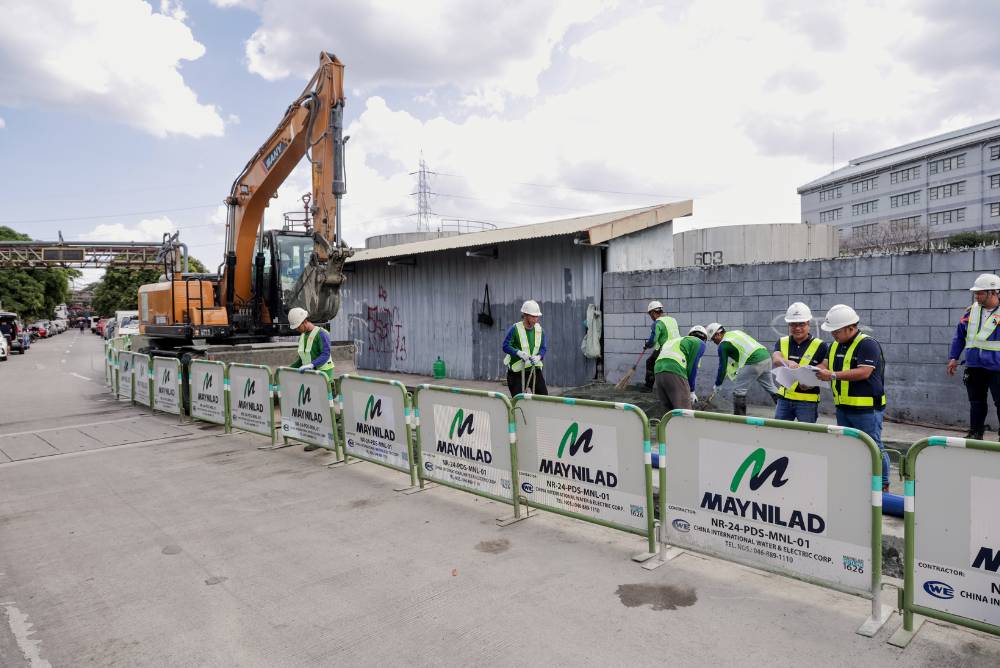
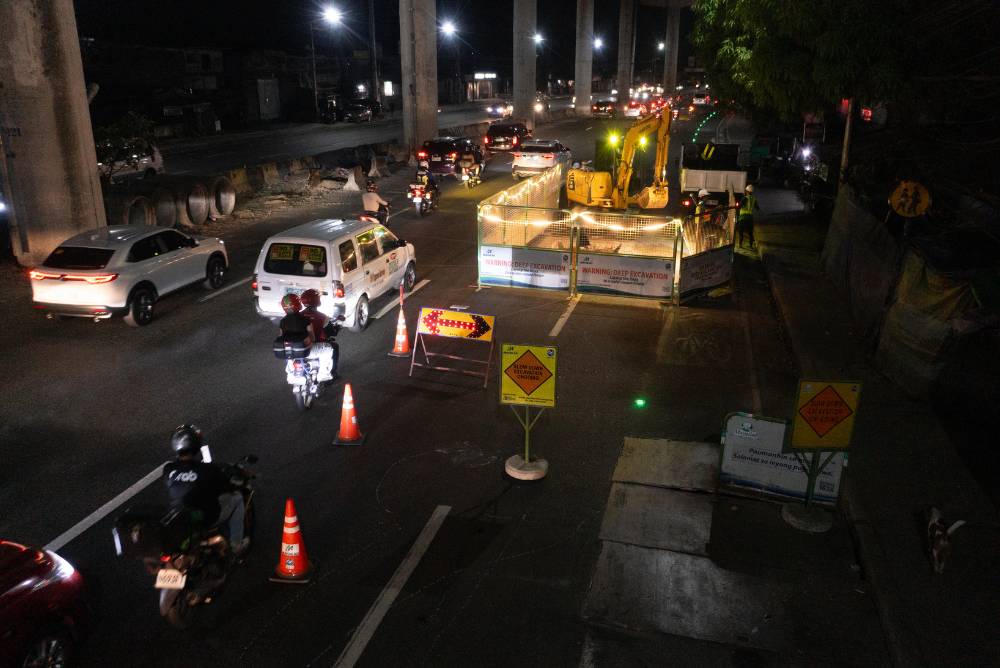
This is why the road excavations, the nighttime works, the leak repairs, and the pipe replacement activities that motorists and residents occasionally encounter are more than routine maintenance. They form part of Maynilad’s continuing effort to recover water that would otherwise be lost and help ensure that more of the available supply reaches homes and businesses.
KEEPING WATER INSIDE THE NETWORK
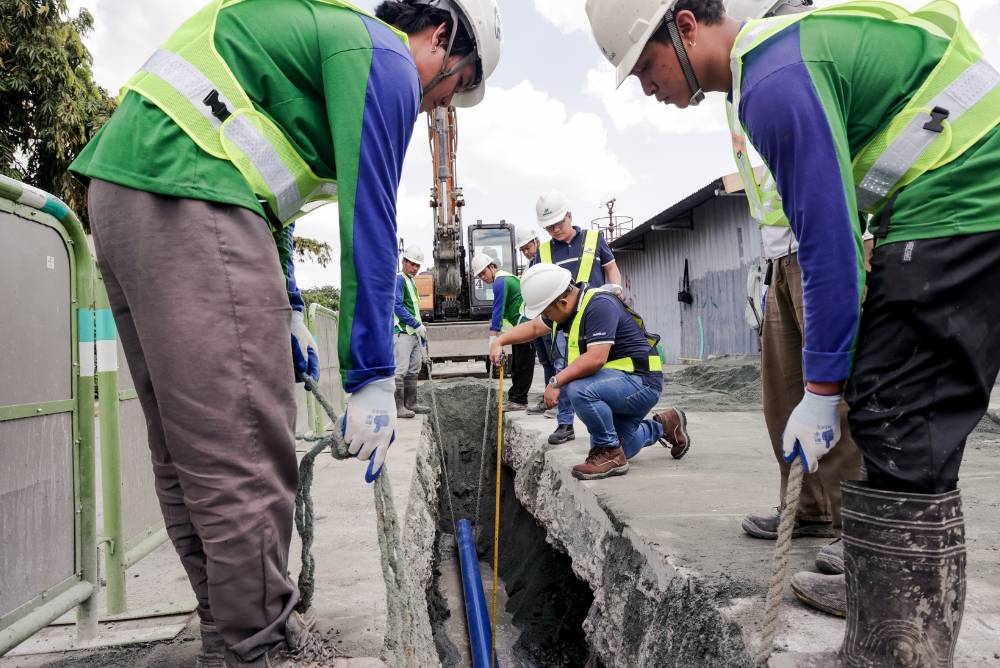
Managing a distribution system spanning thousands of kilometers requires continuous work. Maynilad teams detect and repair leaks, replace aging pipelines, check and calibrate meters, manage pressure, and monitor water flow across different parts of the network. These measures work together to identify losses and keep treated water moving toward customers instead of disappearing underground.
Pressure management is particularly important. Excessive pressure can worsen leaks or place additional stress on older pipes, while pressure that is too low can affect service in some areas. By monitoring and adjusting pressure across the system, Maynilad seeks to balance supply requirements while reducing avoidable losses.
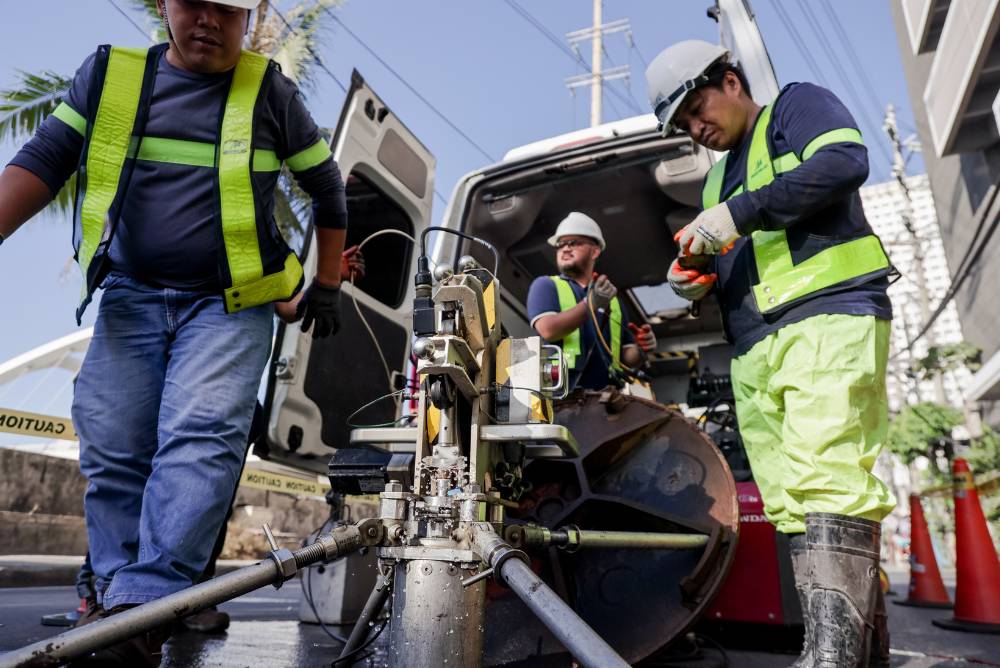
The company also uses technology to improve leak detection. AI-assisted satellite analysis, for example, helps identify areas where underground leaks may be present even when there are no visible signs at street level. These findings allow field teams to investigate more precisely and respond sooner.
A LONG-TERM EFFORT, NOT A ONE-TIME REPAIR CAMPAIGN
Reducing NRW is a continuous operational discipline for water utilities worldwide. Even after major improvements have been achieved, utilities must keep detecting new leaks, replacing deteriorating infrastructure, managing pressure, and monitoring their networks to prevent losses from rising again.
Over the past two decades, Maynilad has significantly reduced water losses through sustained investments in pipe replacement, leak detection, and network upgrades. These improvements have enabled the company to recover substantial volumes of treated water that can now be delivered to customers instead of being lost within the distribution system.
But the work does not stop.
Pipes age. Ground conditions shift. Construction activity can damage underground infrastructure. New leaks develop. Maintaining progress, therefore, requires continuing investment and daily field work across the West Zone.
During periods of tighter raw water allocation, every liter recovered becomes even more valuable. NRW reduction cannot fully offset a severe decline in available raw water, but it strengthens the system’s ability to manage constrained conditions and helps reduce the potential impact on customers.
WHY SOME ROADWORKS TAKE TIME
Infrastructure work is rarely as simple as digging, repairing a pipe, and immediately closing the road.
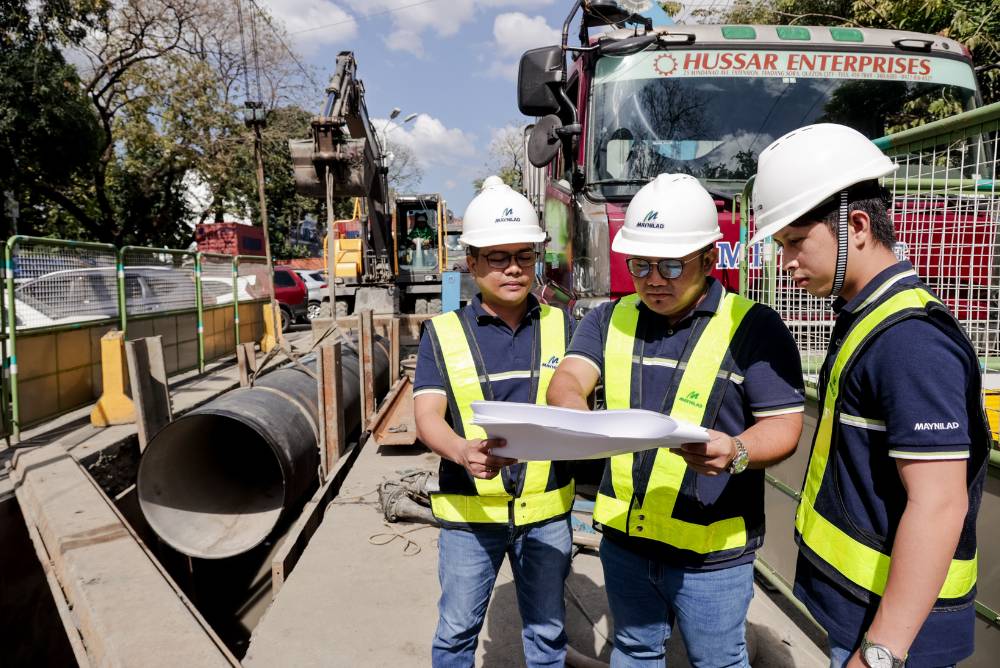
Crews must first locate the affected pipe and account for nearby underground utilities. Excavation must be conducted carefully, particularly in congested areas where water lines may be close to drainage, power, telecommunications, or other infrastructure.
In some areas, work schedules are limited to nighttime hours to minimize traffic disruption. This narrows the daily work window, and crews may need to restore the road temporarily before morning so that it remains passable during the day.
After a new or repaired pipe is installed, it may also need to undergo pressure testing and other technical checks before the road can be permanently restored. What may appear to motorists as an unfinished or uneven restoration can therefore be a temporary surface while the underlying work is still being completed and validated.
These projects also require coordination with local governments, traffic management offices, contractors, and other stakeholders so that work can proceed safely and with as little disruption as possible.
SHORT-TERM INCONVENIENCE, LONG-TERM BENEFIT
Roadworks are disruptive. There is no getting around that. But behind each excavation is an effort to recover water, protect the network, and strengthen service reliability at a time when the major water sources serving Metro Manila and nearby areas are increasingly strained.
So the next time you encounter a Maynilad worksite, remember that the activity taking place beneath the road is part of the continuing effort to make the most of every available drop and help more treated water reach the people who need it.
This branded article was produced in partnership with Maynilad.









Comments