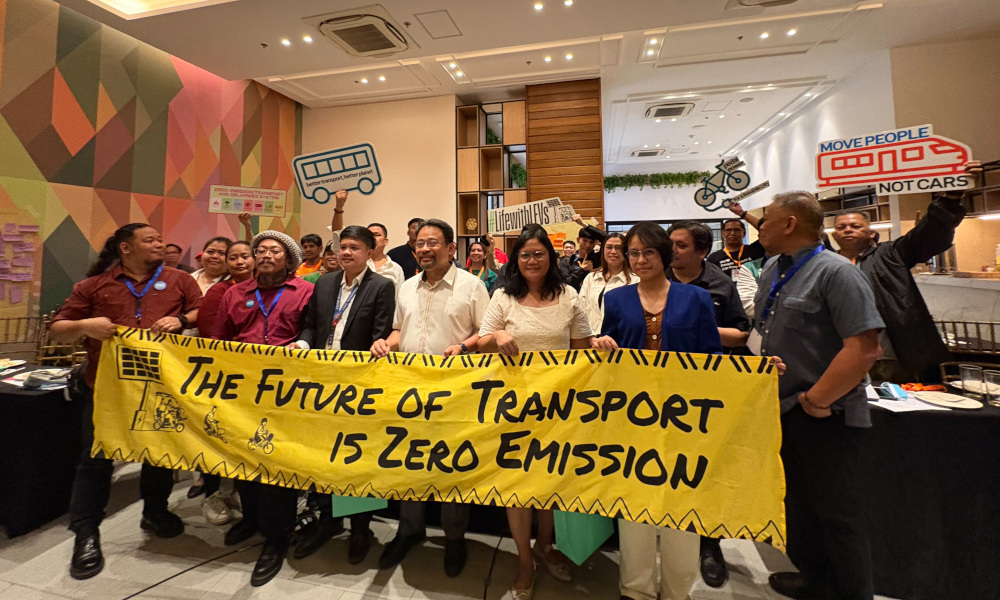

Don’t you wish Metro Manila had cleaner air and less traffic? Given the recent news about conflict in the Middle East, it’s about time we rethought about our dependence on fossil fuels.
350 Pilipinas is a nonprofit organization that advocates for climate justice. On February 27, it held “Life with LEVs,” a panel discussion about light electric vehicles (LEVs) and e-trikes as clean and sustainable solutions to our transport problems and the climate crisis.
According to the Electric Vehicle Industry Development Act (or EVIDA), LEVs are electric vehicles that weigh less than 50kg, and are used for personal transport. These usually include electric bicycles, electric scooters, and electric kick scooters. For the purposes of this article, “e-trikes” refer to electric three-wheelers that are used for public transportation.
The participants consisted of commuters, delivery riders, transport workers, LEV distributors, and representatives from the Department of Transportation and the Land Transportation Office as well as different LGUs. Together, they discussed the experiences and the challenges regarding the adoption of LEVs and e-trikes.
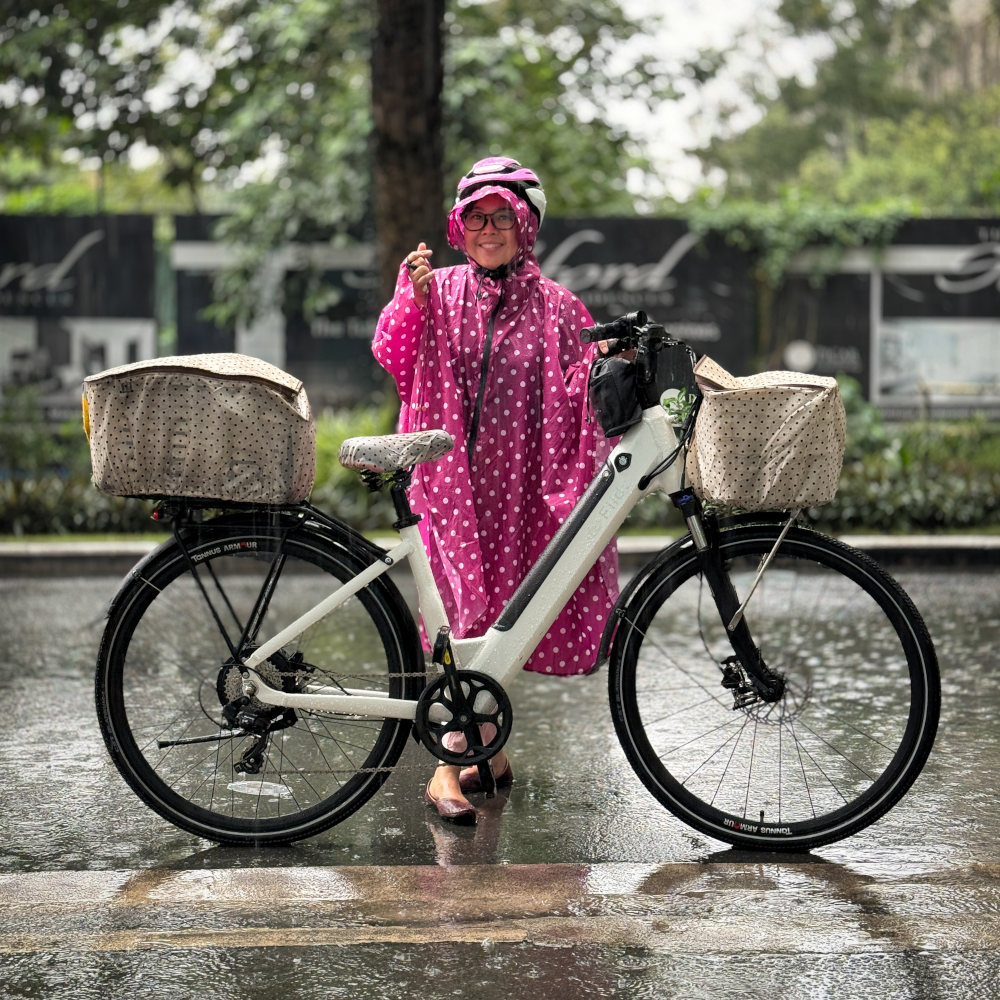
There’s no doubt that LEVs have made quite an impact in the lives of everyday Filipinos. Geri Amarnani is one example. Because of her electric bike (or e-bike), she gets to save time and energy during her commutes to and from her workplace. This matters to her as a wife and a mother because she’d rather spend time at home with her family than waste it being stuck in traffic.
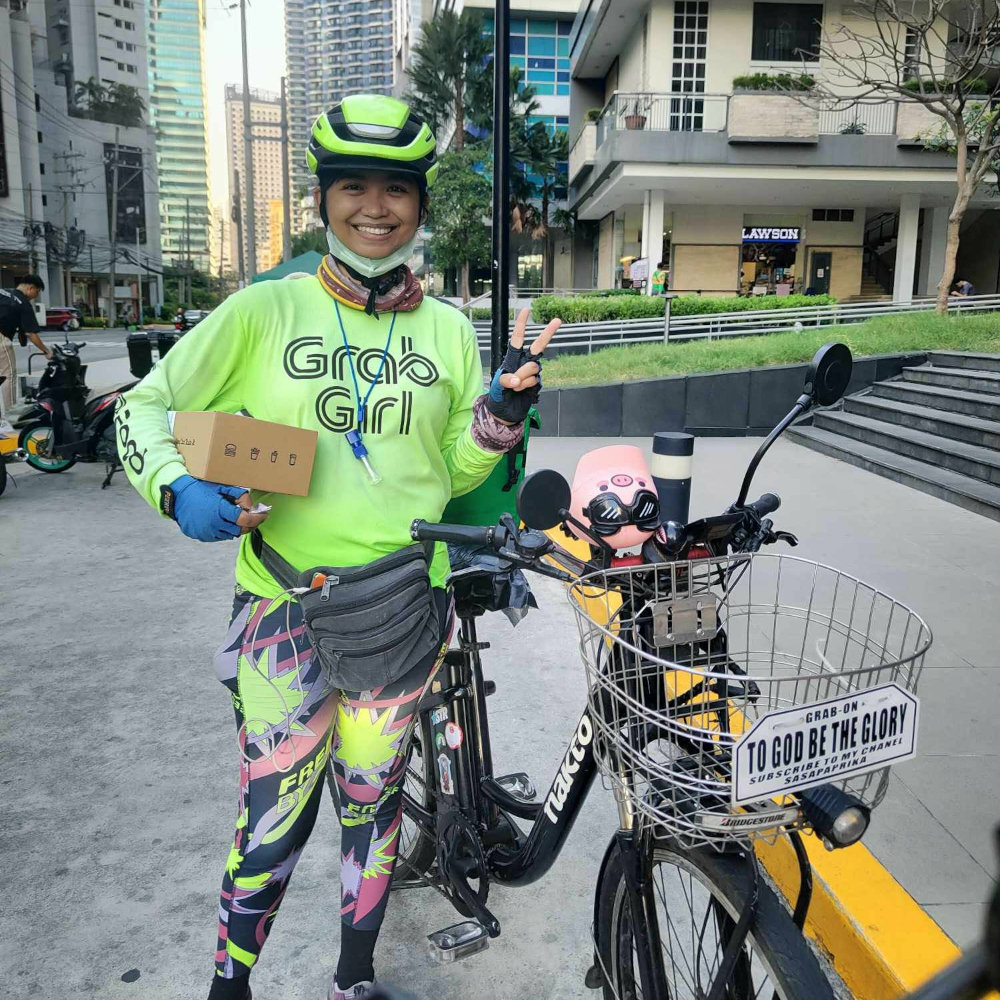
Even if you don’t ride an LEV, you still benefit from it when you order meals from GrabFood or Foodpanda. Sarah Francesca Aguja shared how transitioning from a manual bike to one with pedal-assist allows her to accomplish more orders with less effort. This lets her earn more as a delivery rider, and gives her more time for her other businesses and side hustles.
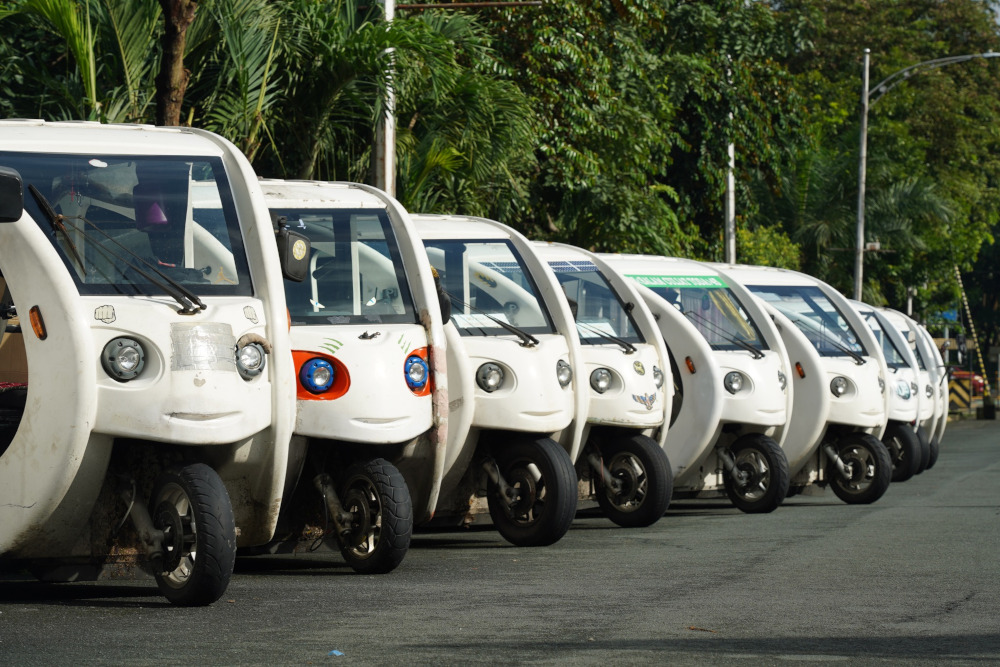
Meanwhile, the Quezon City LGU shared about its e-trike pilot program. Electrifying public-utility vehicles allows the LGU to reduce carbon emissions, and provide job opportunities to transport workers while mitigating the financial burden involved with the transition. This complements the LGU’s active-transport planning to ensure that the city’s transportation system is sustainable and efficient.
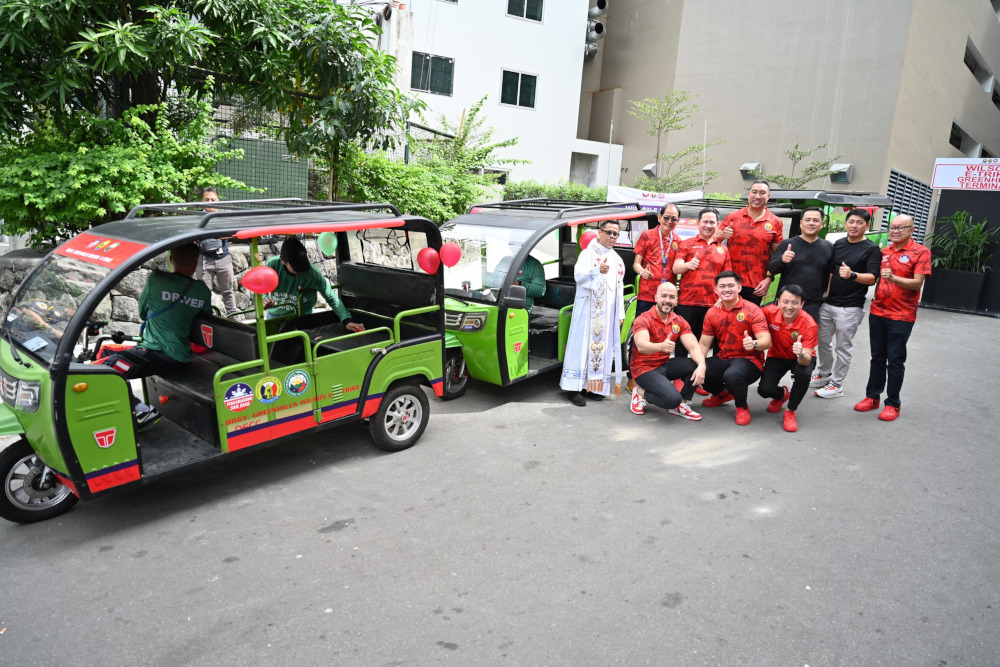
Quezon City isn’t alone as the San Juan City LGU launched its e-trike program back in December 2024. The route traverses Wilson Street, and it is crucial for commuters (especially students) because it connects Greenhills Shopping Center and Polytechnic University of the Philippines.
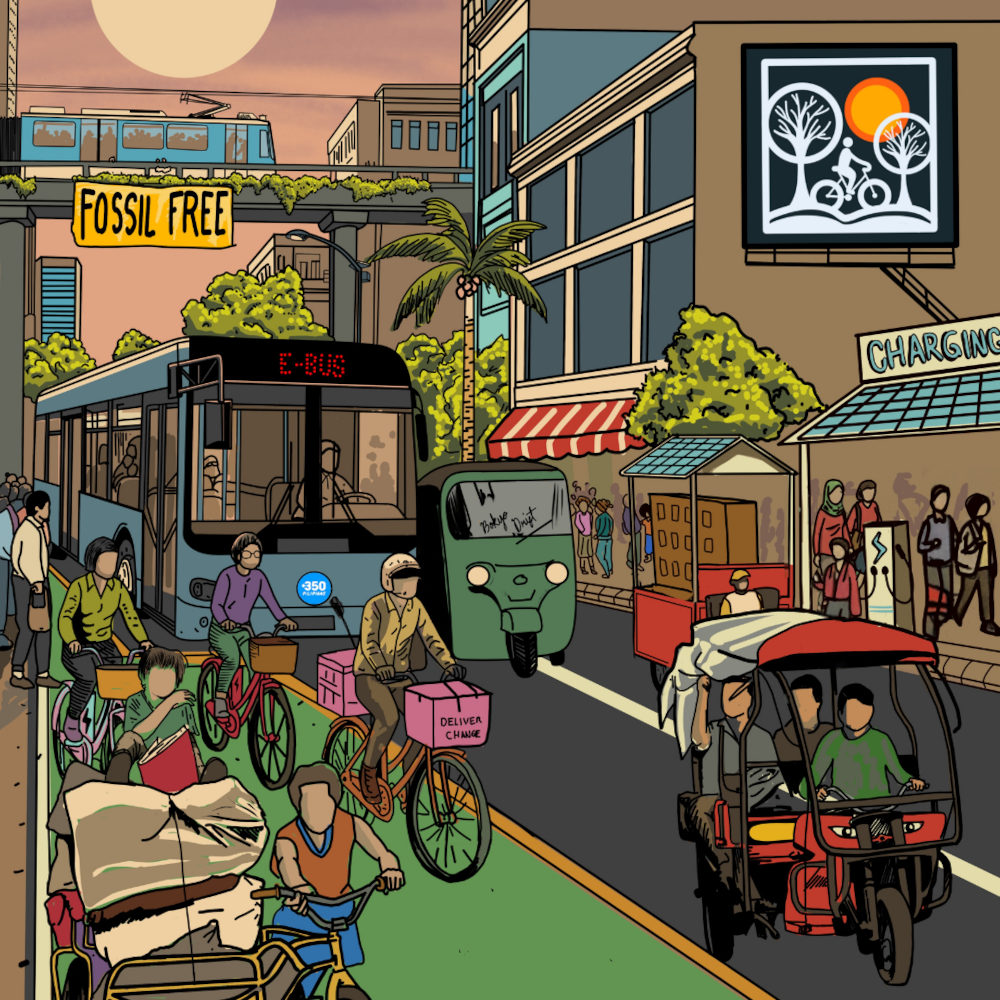
“The urgent need to decarbonize our transport systems must translate into concrete, people-centered programs that highlight their benefits to the public and to the climate,” said 350 Pilipinas sustainable transport campaigner Jheny Dabu. “For us, this emphasizes the continuous alignment of national regulations with local government initiatives, strengthening support for small retailers, and ensuring that the transition to electric mobility remains inclusive and just. We hope that spaces like this continue to exist to examine both the opportunities and the policy gaps in accelerating low-carbon mobility in light of the rise of electric mobility.”
If you’re wondering where the name “350 Pilipinas” comes from, it refers to the amount of carbon dioxide present in the atmosphere. The current level is more than 400ppm (parts per million), and it must reach 350ppm for the planet to have a stable climate and a sustainable future.
Despite the great potential of LEVs and e-trikes, their adoption is hindered by the lack of safe infrastructure and unclear regulations. That’s why conversations with stakeholders are crucial for making sure that government policies benefit everyone.

Comments