

While on the road, you might receive a message you dread the most. Your hands start to shake. You get tunnel vision, and everything suddenly feels too noisy. Eventually, your heart races, and you gasp for air. You feel overwhelmed with every aspect of your life, overthinking what will happen next.
You’ll probably ask yourself: “Is it worth it?”
Emotionally distracted driving can occur when a driver is experiencing strong feelings behind the wheel. He/she might be having intense grief, panic, and loss of control in aspects of their life. This can impair one’s reaction time and cognitive function, comparable to texting while driving (or intoxication).

Here is what you can do when the emotional toll is too much.
1. Pull over. If you’re already on your way to your destination, get yourself to safety. Slow down and park at emergency bays, gas stations, or any parking area. Once stopped, shift into park and engage the handbrake. This safeguards not only you as the driver, but also passengers and other road users.
But if you’re still far and need to calm yourself while driving…
2. Breathe. Guided breathing is one of the most used grounding exercises. It helps you drive safely, calm down, and shift focus from the chaotic external factors to your lungs, body, and the road.
You can practice deep breathing: Sit straight or comfortably, inhale gently through your nose, fill your lungs, pause for a brief second, and exhale all the air through your mouth.
Box breathing is a breathing exercise with a specific pattern: Breathe in through the nose for four counts, and breathe out through the mouth for four counts—figuratively creating a box.
Once stationary, you can turn off the music or change to music that helps you shift focus and remove other factors that might add to the overwhelming feeling.
Another technique that might help is the 5-4-3-2-1 sensory grounding method. Name five things you see; identify four things you can touch; acknowledge three things you can hear; notice two things you can smell; and find one thing you can taste.
If you’re finally ready to talk, you can…
3. Reach out. If you’re with someone, talk to them. But if you’re the only one in the vehicle, don’t hesitate to call anyone. You can call your family, friends, partner, or professionals.
Here’s a list of mental health crisis lines that are active as of this writing:
Unified 911
- 911
National Center for Mental Health
- (Globe) +63 917 899-8727
- (Smart) +63 919 057-1553
- (Toll-free) 1553 or 1800-1888-1553
In Touch
- +63 2 8893-7603
- (Globe) +63 917 800-1123
- (Smart) +63 919 056-0709
Hopeline
- +63 2 8804-4673
- (Globe) +63 917 558-4673
- (Smart) +63 918 873-4673
- (Toll-free) 2919
They can help regulate your emotions and keep you out of harm’s way. It’s better if you could take a ride or have them drive for you until you’re calm or get proper intervention.
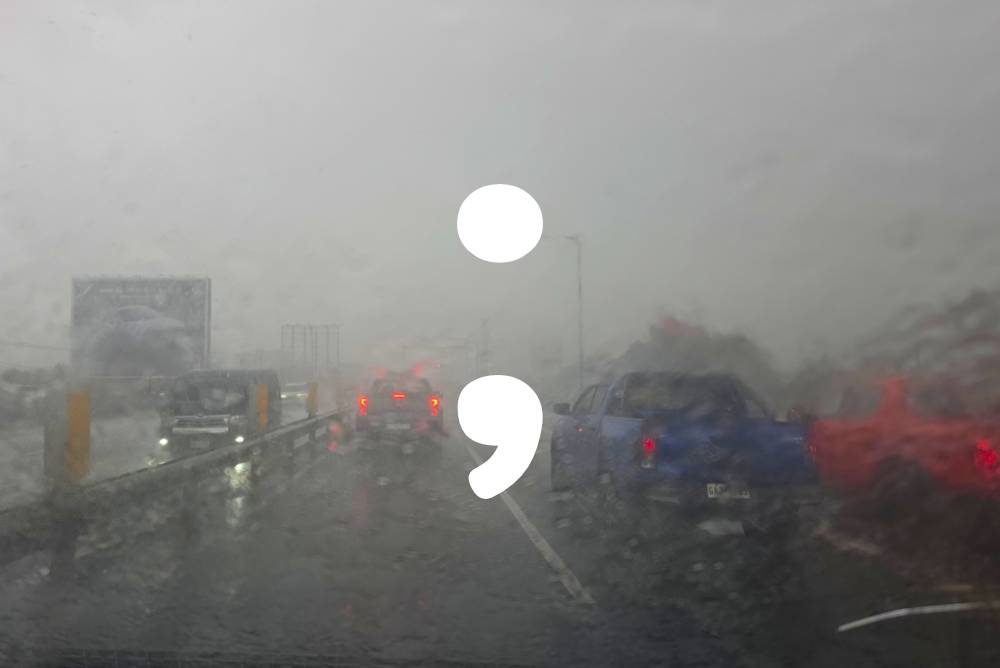
In observance of Suicide Prevention Month, we want to remind you that even with the bumps along the way, the life you live is worth it. You are worth it.
And if you’re ever in a tight spot, remember: Pull over, BRO (breathe and reach out).










Comments