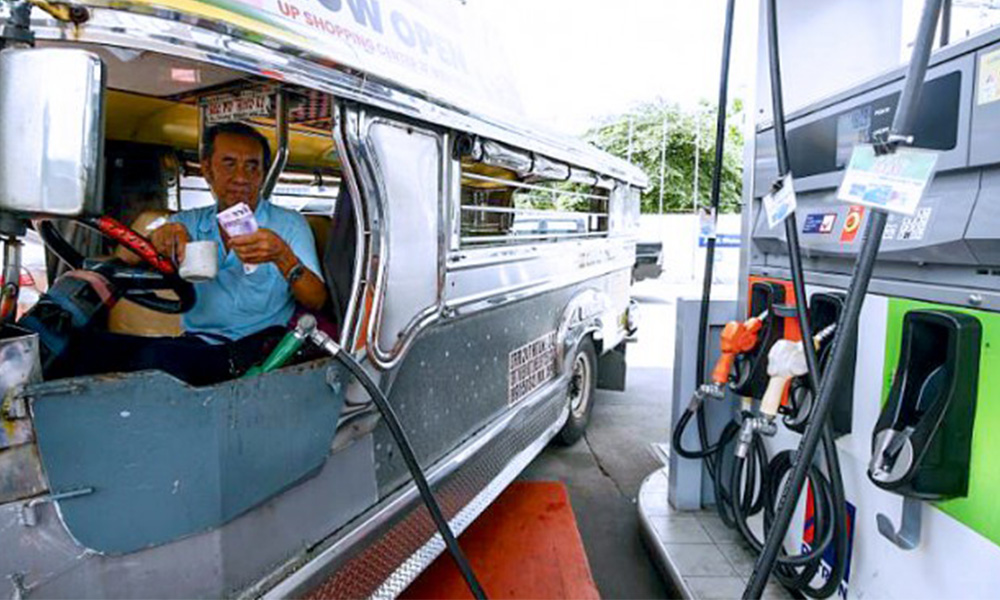

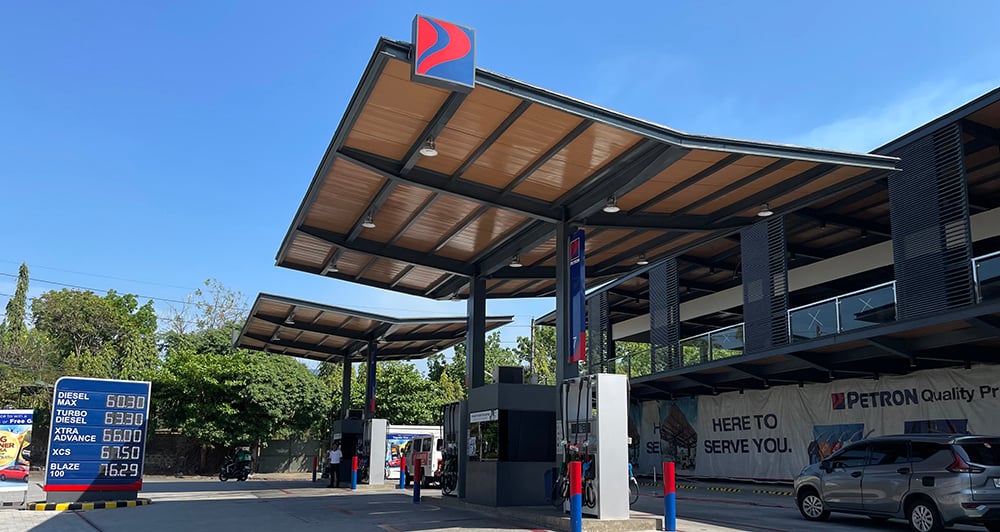
It’s crazy how fuel prices have more than doubled in the past few weeks, thanks to the US and Israel’s decision to send missiles Iran’s way. Everyone’s reeling from this shock, which has led to lighter-than-usual traffic on our previously gridlocked roads.
This should be a good thing, but this puts added strain on our mass transport systems as well as financial woes for the people working in the industry. PUV drivers have lost a huge chunk of their daily earnings, affecting their capability to bring food to their families’ tables.

However, aside from temporarily suspending excise tax duties on imported fuel products, there’s not much else our government can do. This week alone, the potential increase in prices far outweighs the savings from the TRAIN law suspension.
So, the Department of Energy had to get creative in trying to reduce fuel costs and lessen the impact on ordinary consumers. Their latest move was to temporarily permit the importation of more affordable—though dirtier—Euro 2 fuels. Which is a rehash of something they did back in 2018.
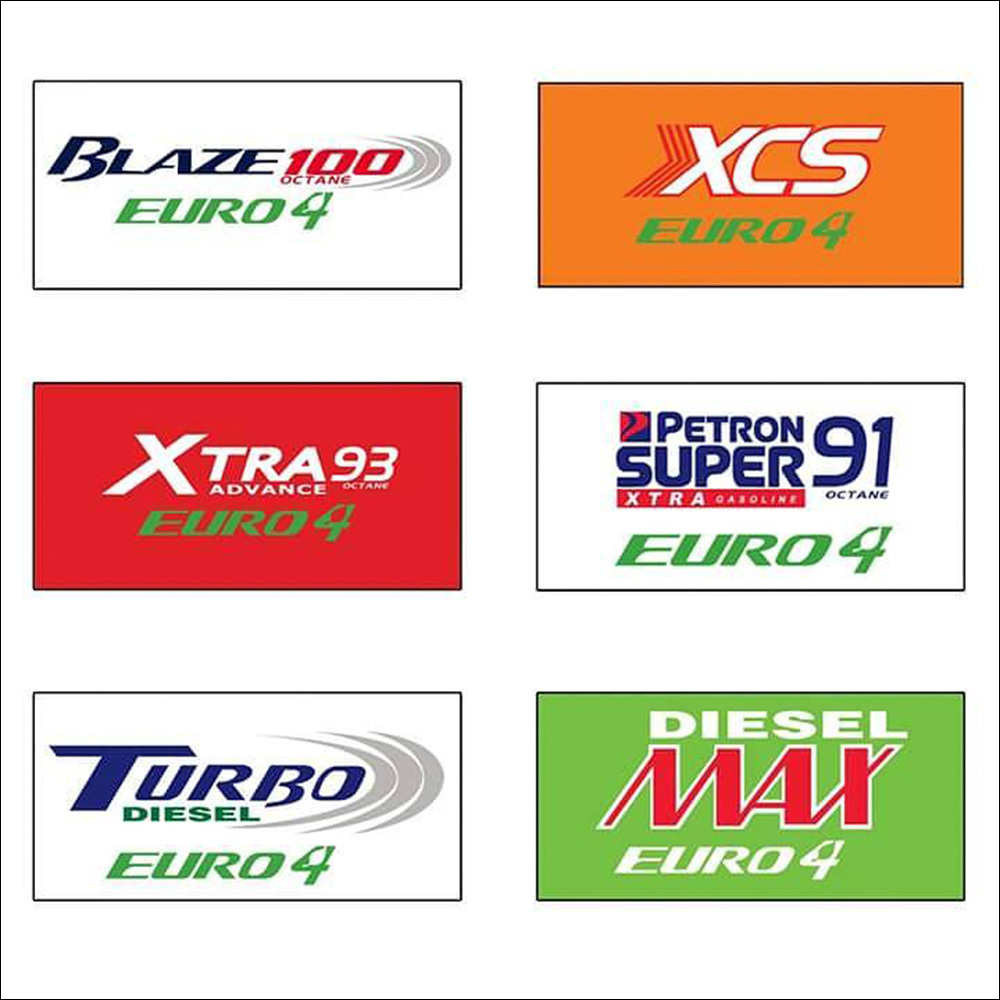
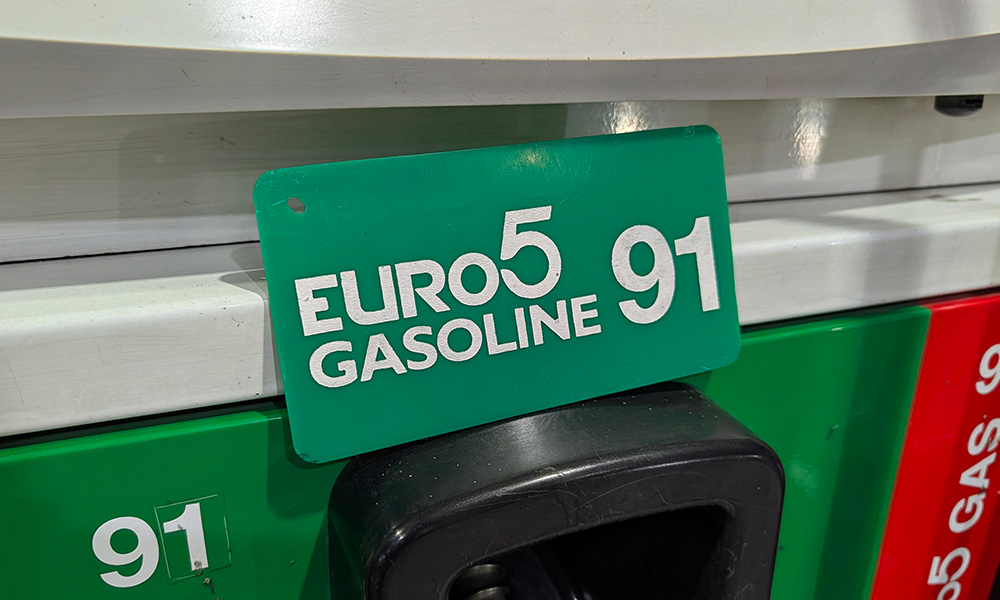
In a circular, the DOE authorized the temporary importation and use of Euro 2 fuels for certain vehicles and industrial applications. Essentially, this reverses the earlier directive to adopt the stricter Euro 4 standard.
To be fair, this provides the transport, agriculture, manufacturing, and other sectors with more affordable fuel, easing the burden of rising fuel costs and stabilizing supplies without passing additional burden on to consumers. It’s a win-win solution—at least for now.
However, owners of newer vehicles have expressed concerns, as using Euro 2 fuels in Euro 4 vehicles can cause long-term damage to some modern engine components. The DOE has assured that it will implement strict quality control measures and better notifications to customers (among other steps) to protect the public.
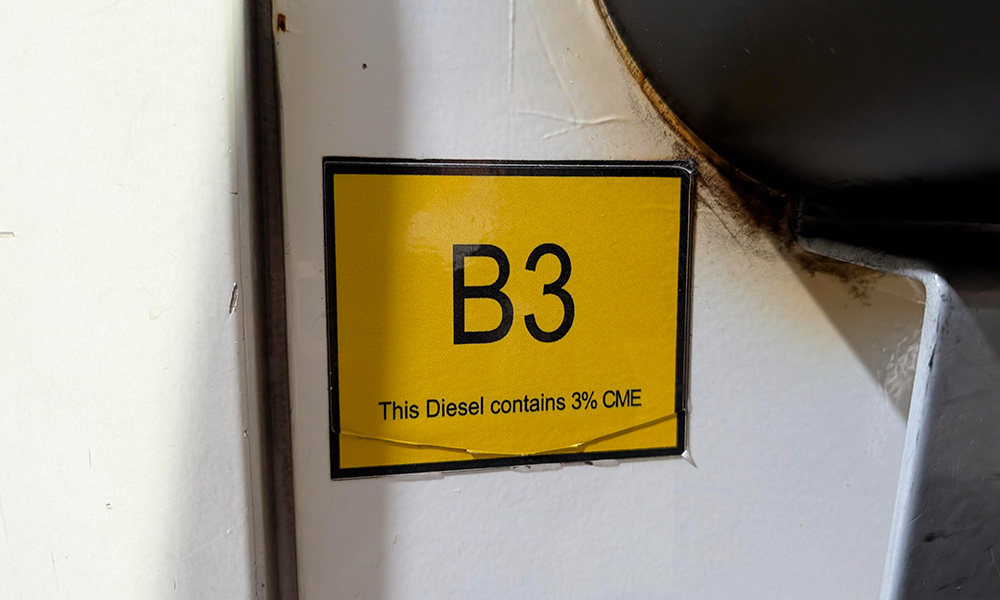
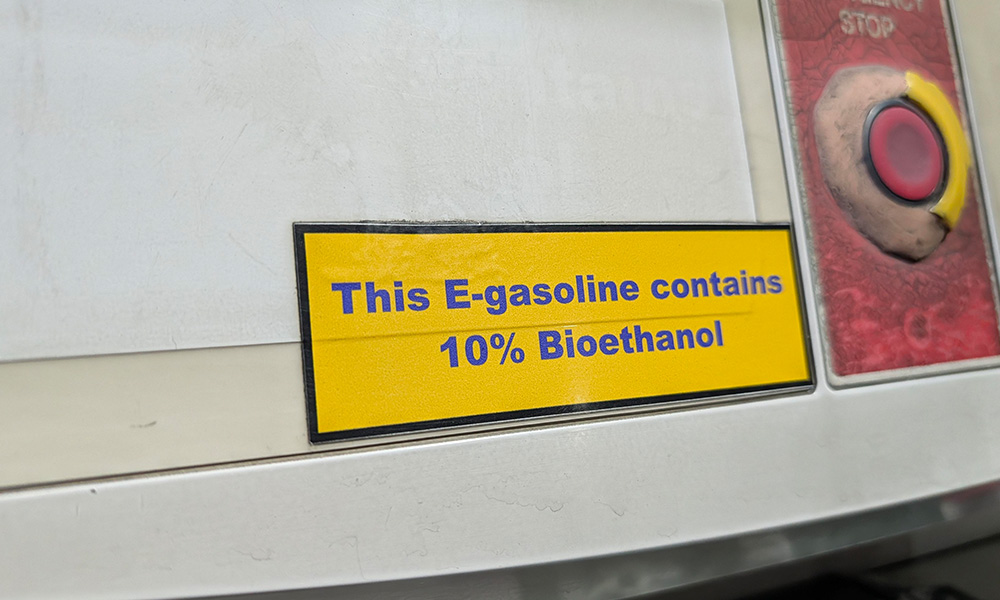
Another solution floated by stakeholders is the suspension of the Biofuels Act of 2006, or at least lowering the requirement of mixing biofuels from local manufacturers.
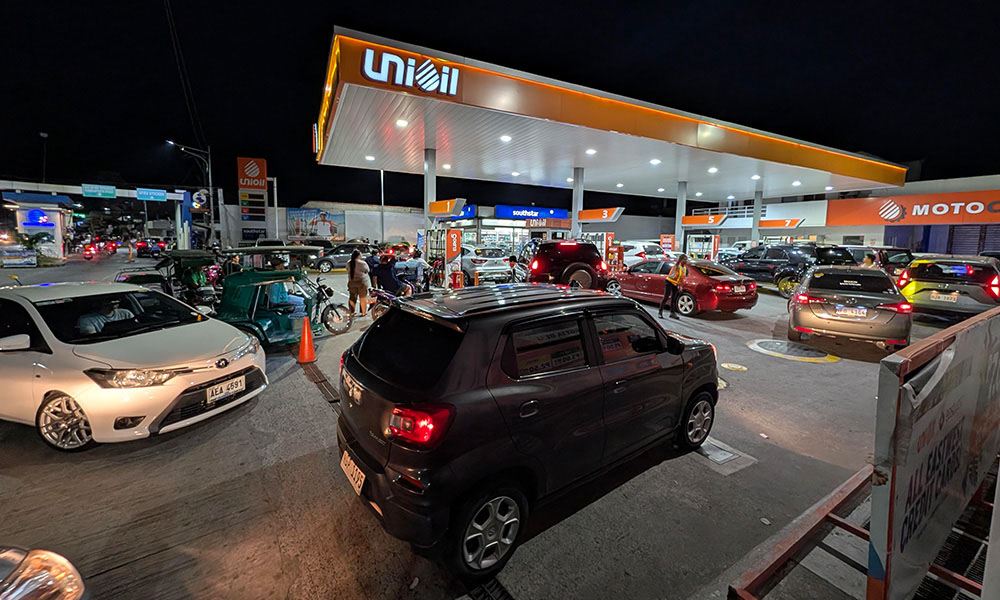
So, if you’re driving a Euro 4 certified vehicle, be cautious about where you get your fuel and what the pump attendant is filling your tank with in the next few weeks.







Comments